
In the world of automotive engineering, certain cars have managed to redefine expectations with their advanced technology and groundbreaking design. These performance machines were not just fast; they were a leap forward in terms of innovation, setting benchmarks for the industry. Here are nine performance cars that were undeniably ahead of their time.
Porsche 959
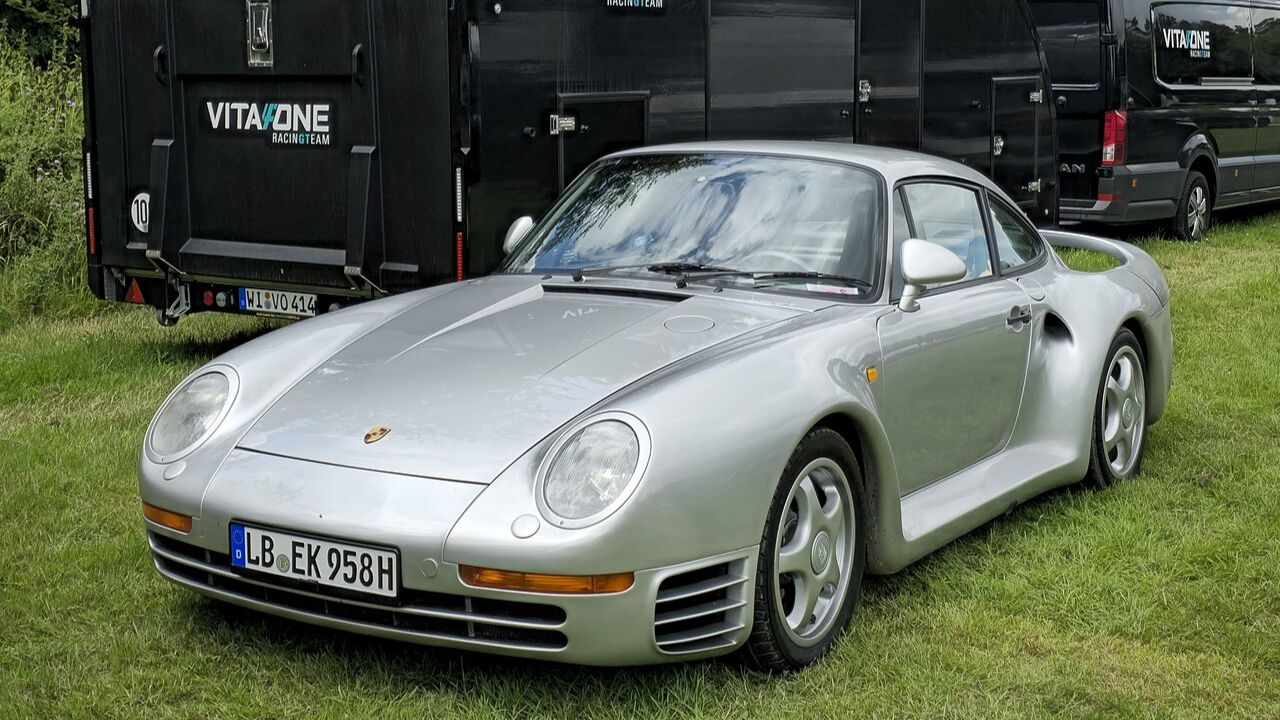
The Porsche 959, launched in the mid-1980s, was a technological masterpiece that pushed the boundaries of what a supercar could be. It featured an advanced all-wheel-drive system, a twin-turbocharged flat-six engine, and a top speed of 197 mph, making it the fastest street-legal production car at the time. The 959 also boasted innovations such as adjustable suspension and tire pressure monitoring, setting the stage for modern supercars.
Its influence is still felt today, with many of its technologies becoming standard in high-performance vehicles. The Porsche 959 not only competed in the Paris-Dakar Rally, showcasing its versatility, but it also served as a bridge to the future of automotive technology.
McLaren F1
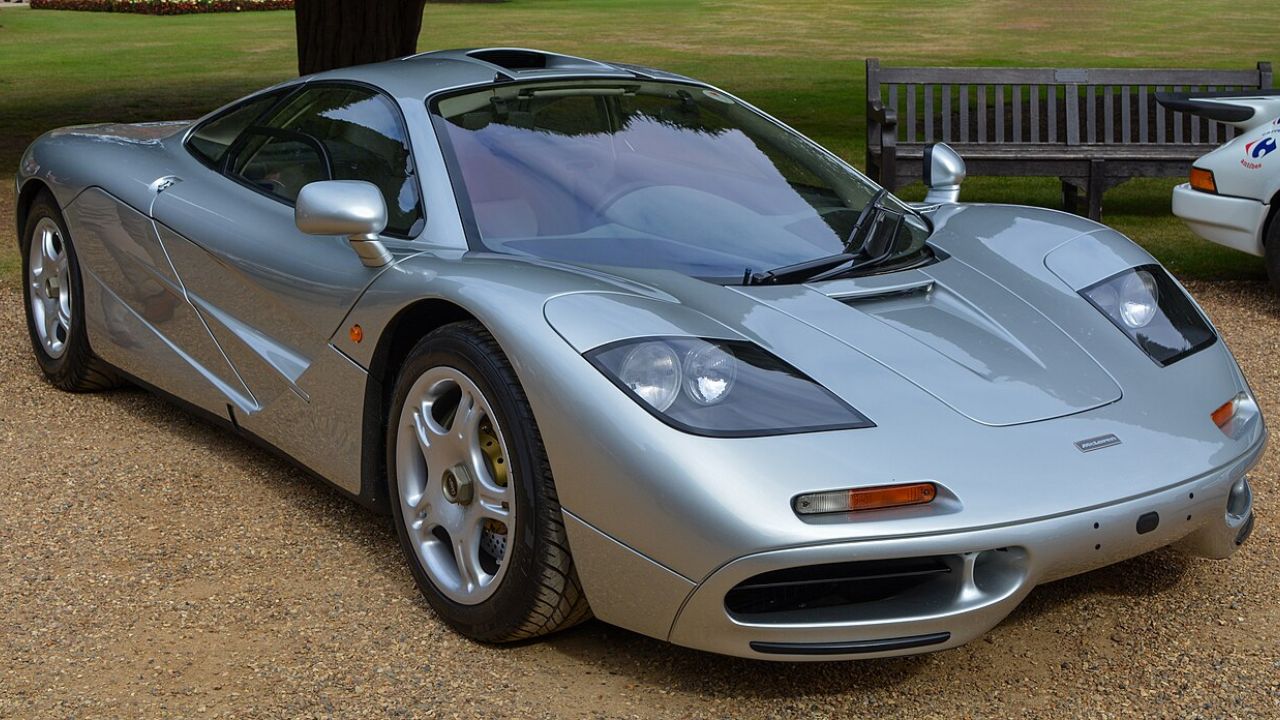
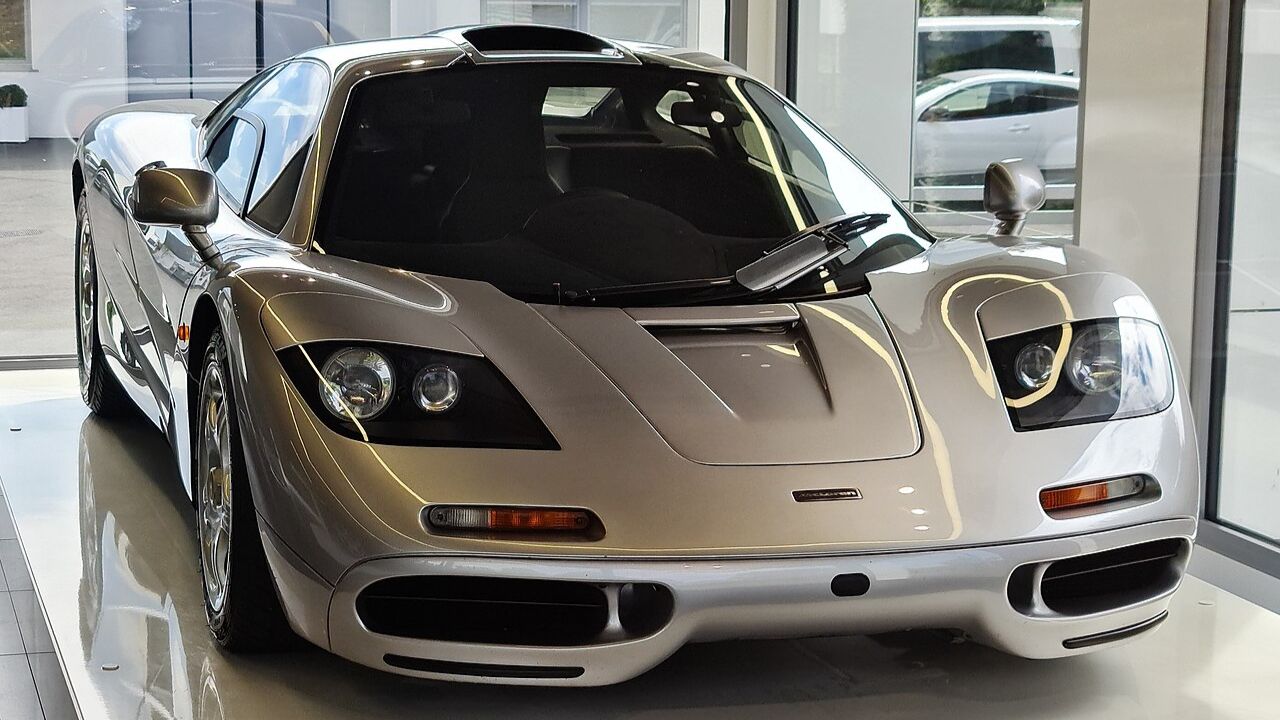
The McLaren F1, introduced in 1992, remains one of the most revered supercars ever built. It held the title of the world’s fastest production car for over a decade, reaching a top speed of 240 mph. Its innovative design included a central driving position and a naturally aspirated V12 engine, which delivered unparalleled performance.
This icon was not just about speed, though; it was a testament to cutting-edge engineering. The use of carbon fiber, active aerodynamics, and a gold-lined engine bay for heat protection were groundbreaking at the time. Even today, the McLaren F1 is a benchmark for what a supercar should represent.
Audi Quattro
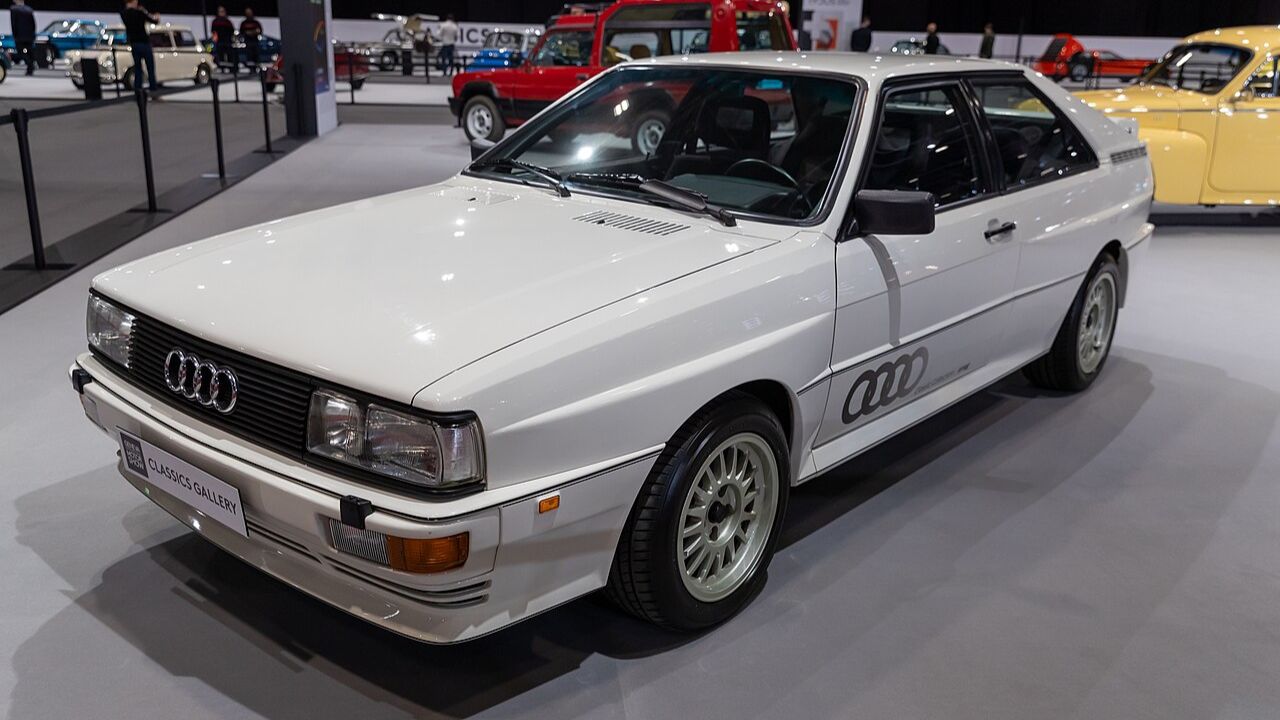
The Audi Quattro revolutionized rally racing and sports car performance with its pioneering all-wheel-drive system. Launched in 1980, it was one of the first cars to bring this technology into the mainstream, giving it a significant competitive edge in rally competitions.
Its success in motorsport translated into a strong reputation for Audi, establishing the brand as a leader in all-wheel-drive technology. The Quattro’s impact on the industry is evident in the widespread adoption of all-wheel-drive systems in modern vehicles.
Nissan GT-R R32
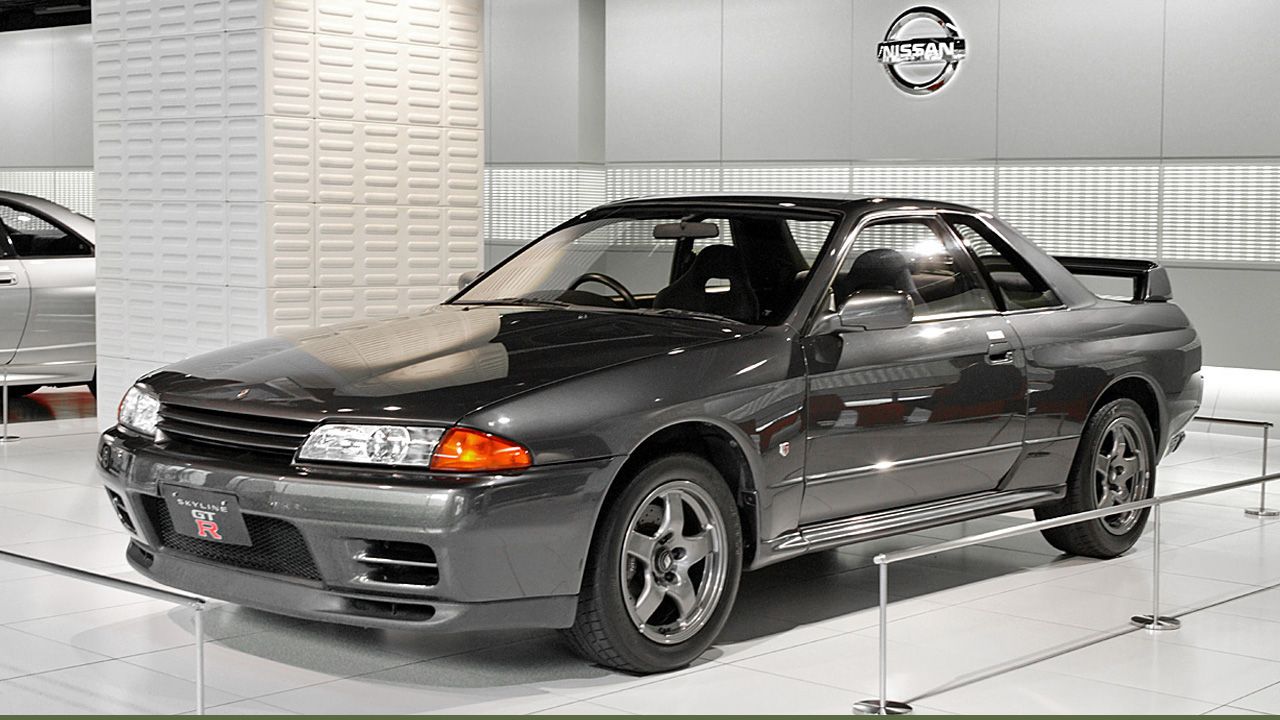
Nicknamed “Godzilla” for its monstrous performance, the Nissan GT-R R32 was a beast on the roads and the track. Launched in 1989, it featured an advanced all-wheel-drive system and a powerful twin-turbocharged inline-six engine.
The R32 dominated Japanese touring car racing and made a significant mark internationally, proving that Japanese engineering could compete with the best in the world. Its legacy continues with the current GT-R models maintaining the R32’s spirit of innovation and performance.
BMW M1

The BMW M1, produced from 1978 to 1981, was BMW’s first and only mid-engined sports car produced to date. Its sleek design and powerful inline-six engine made it a formidable competitor on the track.
The M1 was not only a showcase of performance but also a design icon. It laid the groundwork for BMW’s M division, which has become synonymous with high-performance vehicles. The M1 remains a collector’s favorite and is celebrated for its timeless design and engineering excellence.
Ferrari F40
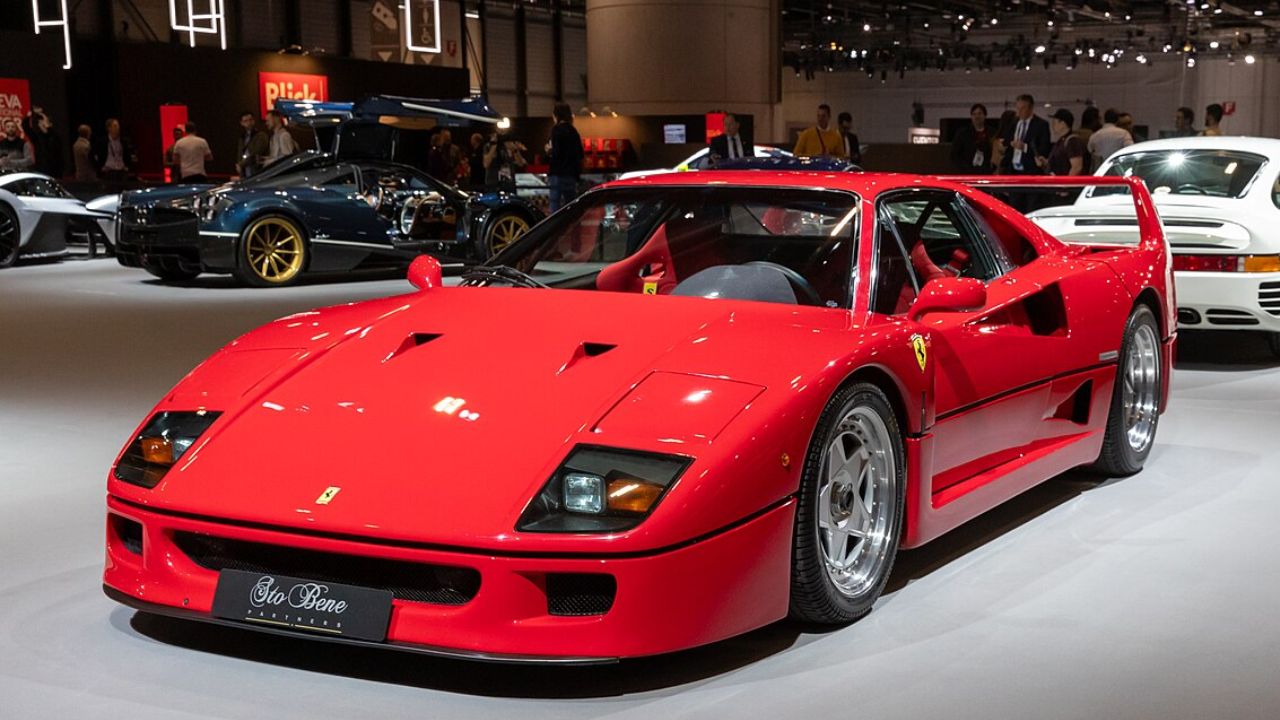
Launched in 1987, the Ferrari F40 was designed to celebrate Ferrari’s 40th anniversary. It was the last model personally approved by Enzo Ferrari and is considered one of the best supercars ever made. With a twin-turbocharged V8 engine, the F40 was capable of a top speed of 201 mph, making it the fastest car of its time.
Its no-frills approach, focusing purely on performance, set a new standard for supercars. The F40’s legacy is a testament to Ferrari’s commitment to speed and driving purity, influencing countless supercars that followed.
Acura NSX
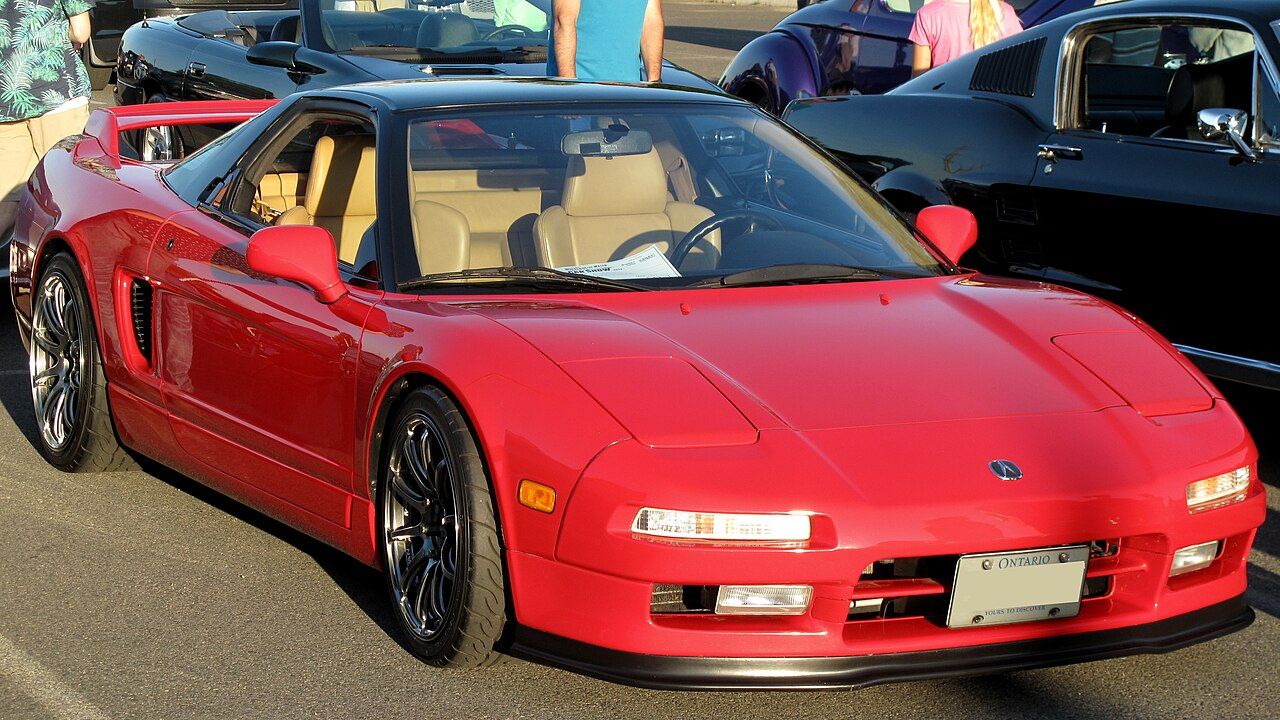
When the Acura NSX debuted in 1990, it redefined the supercar segment by combining performance with reliability and everyday usability. Its all-aluminum body, mid-engine layout, and VTEC technology made it a standout at the time.
The NSX’s balance and handling characteristics were so advanced that it became a benchmark for supercars. It demonstrated that high performance didn’t have to come at the expense of comfort and reliability, influencing a new generation of sports cars.
Lancia Stratos
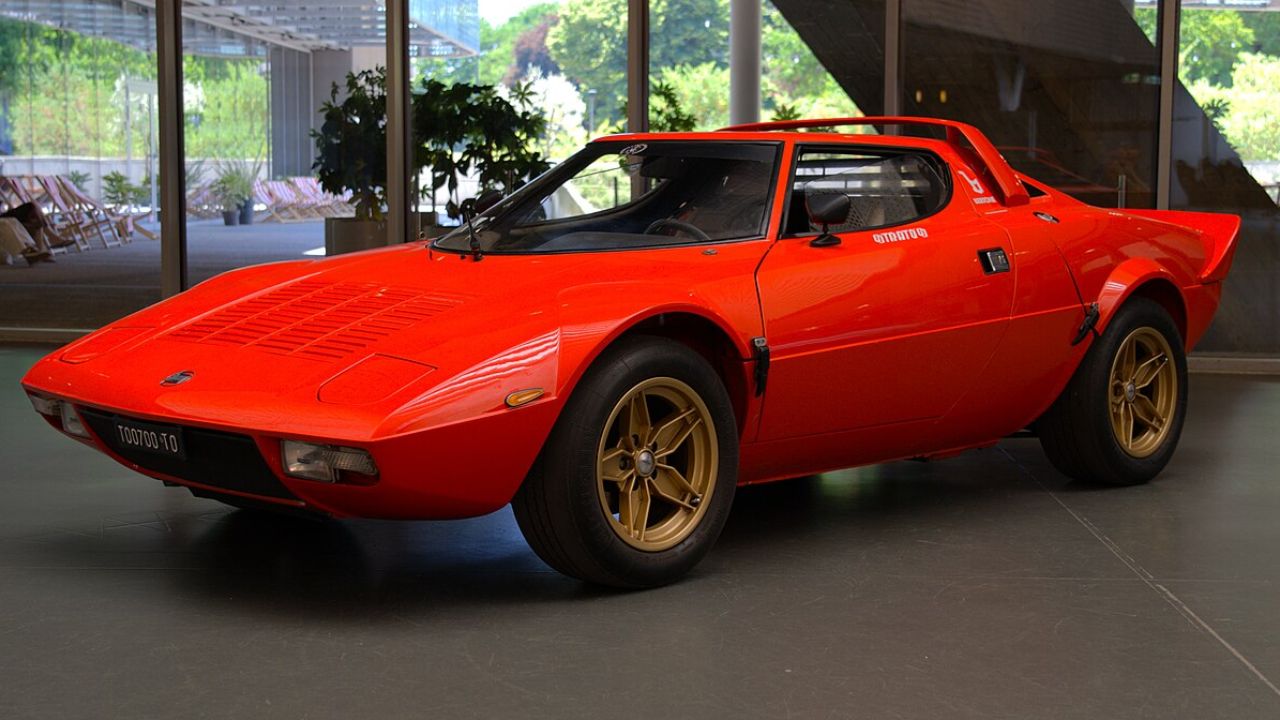
The Lancia Stratos, introduced in the early 1970s, was a purpose-built rally car that dominated the World Rally Championship. Its short wheelbase, mid-engine layout, and aggressive design were revolutionary, allowing it to excel on twisty rally stages.
The Stratos won three consecutive WRC titles from 1974 to 1976, cementing its place in motorsport history. Its influence can be seen in the design of modern rally cars, making it a true pioneer of its time.
Lotus Esprit Turbo
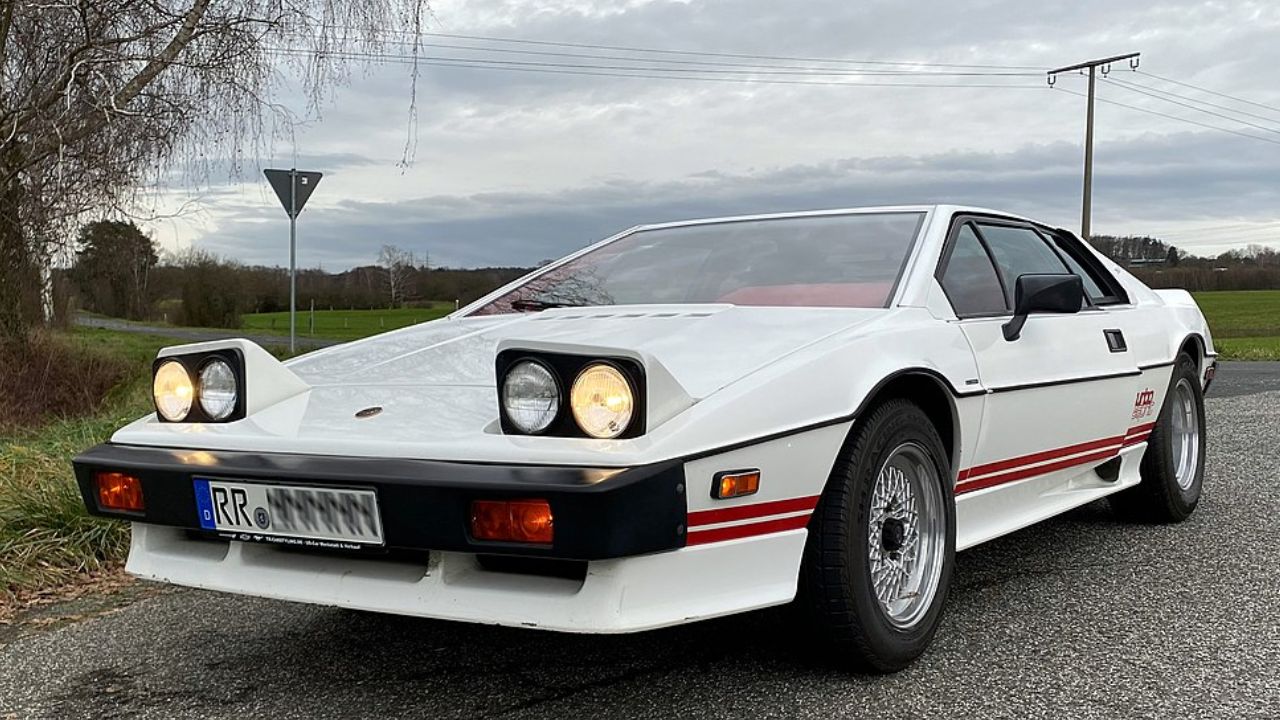
The Lotus Esprit Turbo, launched in the late 1970s, was known for its sharp handling and turbocharged performance. It took the lightweight, agile philosophy of Lotus to the next level with a powerful turbocharged engine.
Its design by Giorgetto Giugiaro became iconic, and the car’s performance was ahead of many competitors. The Esprit Turbo demonstrated the potential of turbocharging in sports cars and remains a celebrated part of Lotus’s history.
Like Fast Lane Only’s content? Be sure to follow us.
Here’s more from us:
*Created with AI assistance and editor review.



Leave a Reply