As we look toward 2025, buying a new truck might seem like a great idea, but there are several reasons why you might want to think twice. With evolving technology, changing lifestyles, and increasing costs, the decision could lead to more regrets than rewards. Here’s a closer look at some of the reasons why purchasing a new truck could be less beneficial than you might expect.
Depreciation Hits Hard
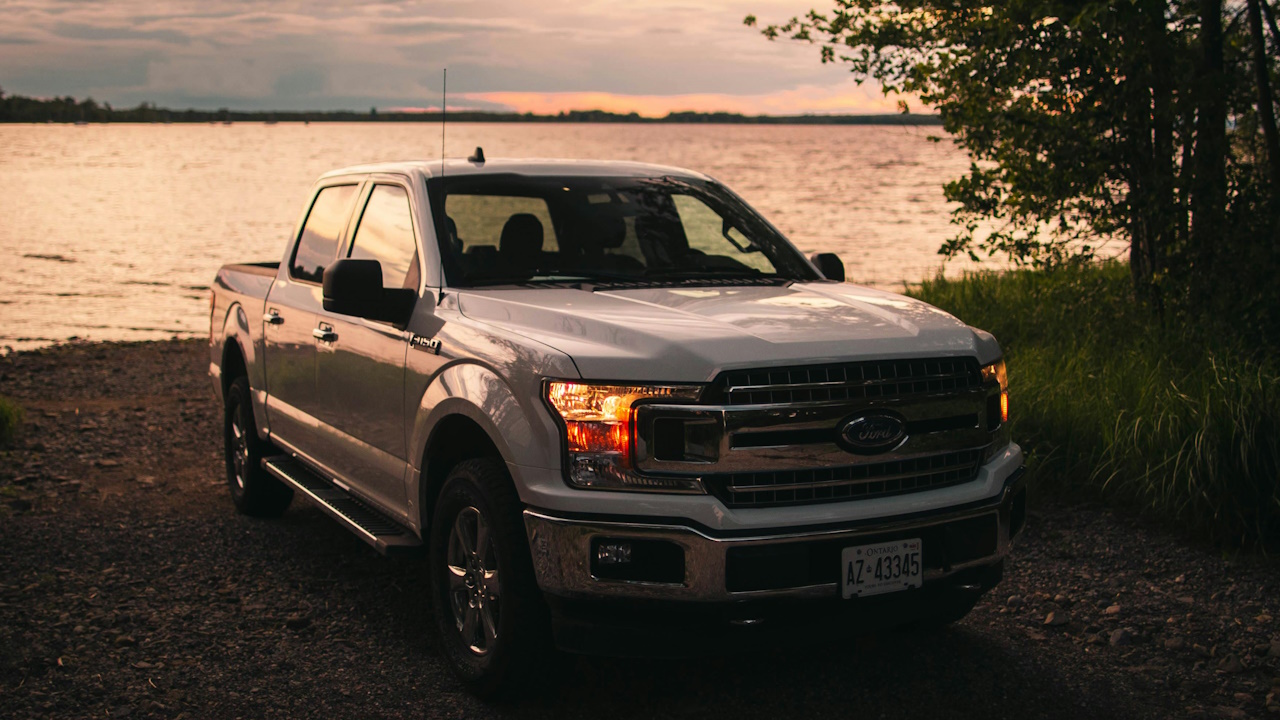
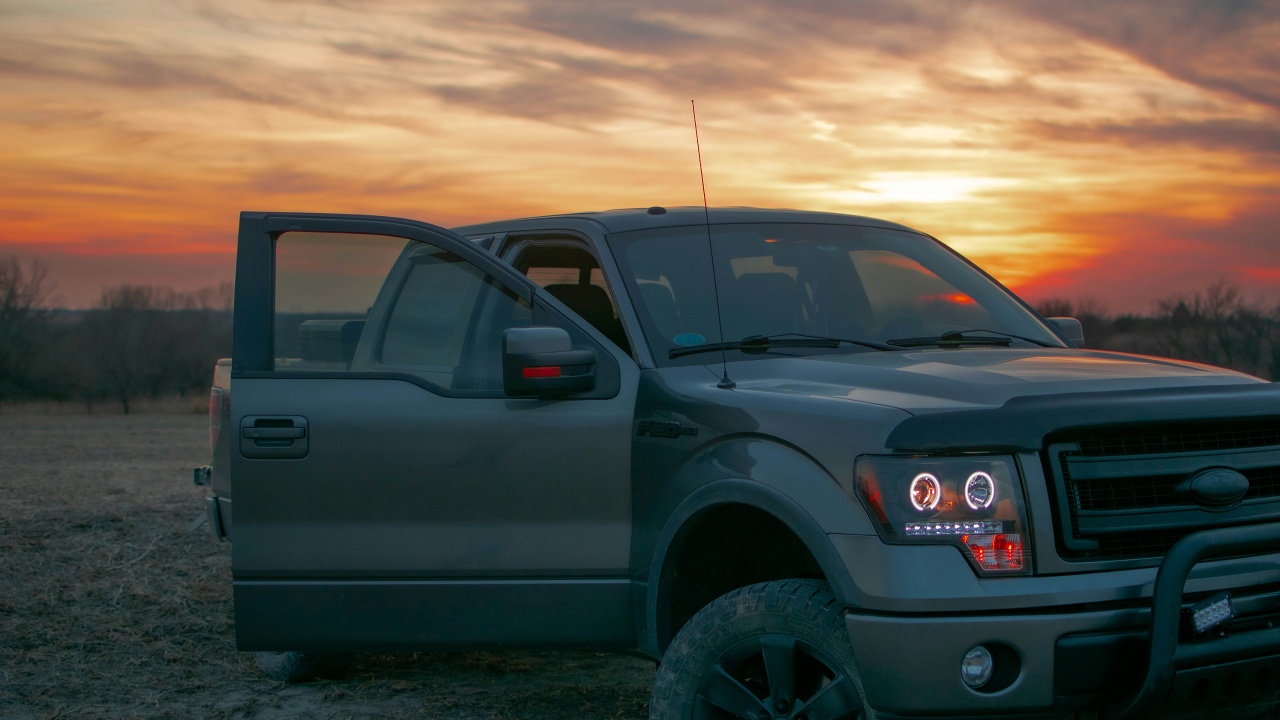
The moment you drive a new truck off the lot, it starts losing value. Depreciation is a significant factor to consider, with trucks typically losing 20% of their value in the first year alone. This rapid depreciation can be particularly harsh when compared to other vehicles. For example, a 2024 Ford F-150 might seem like a good investment now, but by 2026, its value could drop substantially, leaving you with less equity than anticipated.
Moreover, the truck market is becoming increasingly saturated, which only exacerbates the depreciation issue. With so many options available, the resale value of your truck may plummet faster than you expect. This is something to keep in mind if you plan to sell or trade-in your vehicle within a few years.
Skyrocketing Fuel Costs
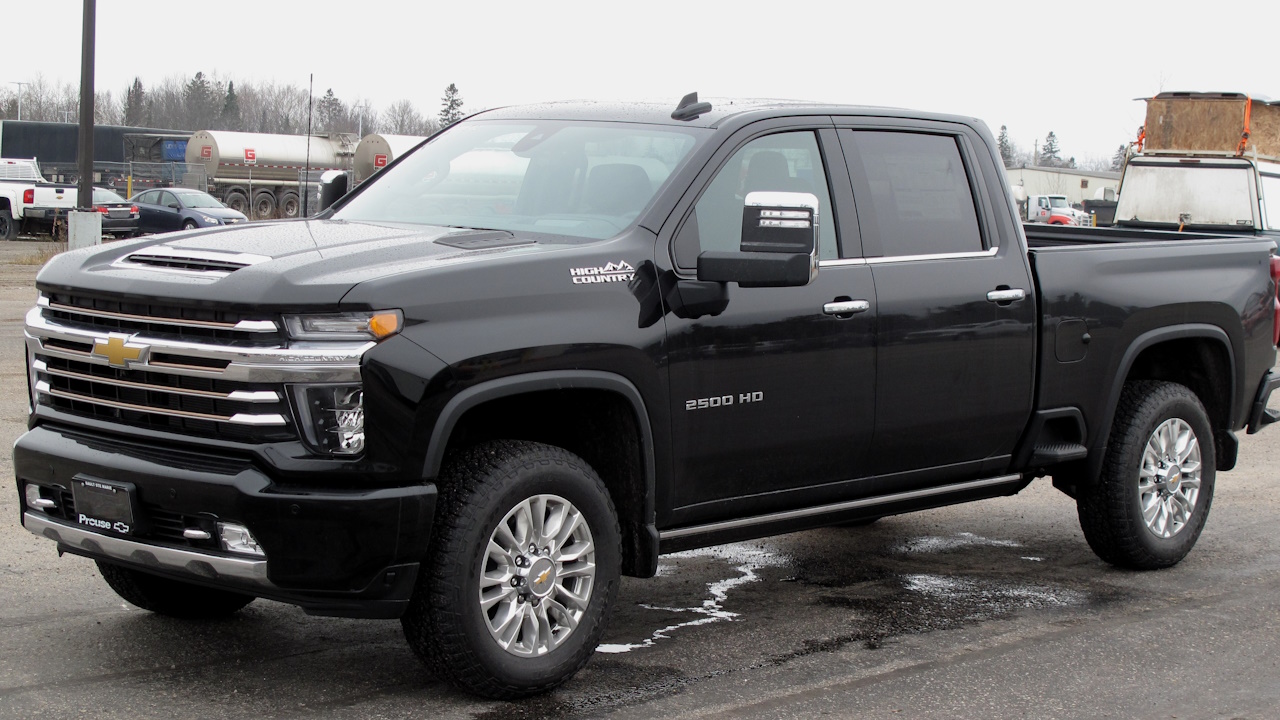
Fuel costs are expected to rise significantly due to various geopolitical and environmental factors. Trucks, notorious for their fuel consumption, will hit your wallet hard at the pump. As we move toward 2025, advancements in electric and hybrid technology will make traditional gas-guzzlers like the Chevrolet Silverado even more expensive to operate.
Consider the shift in fuel prices over the past decade and the increasing push for greener energy. Gasoline prices are projected to increase, and owning a truck with poor fuel economy could lead to unforeseen expenses that eat into your budget more than expected.
Maintenance and Repair Expenses
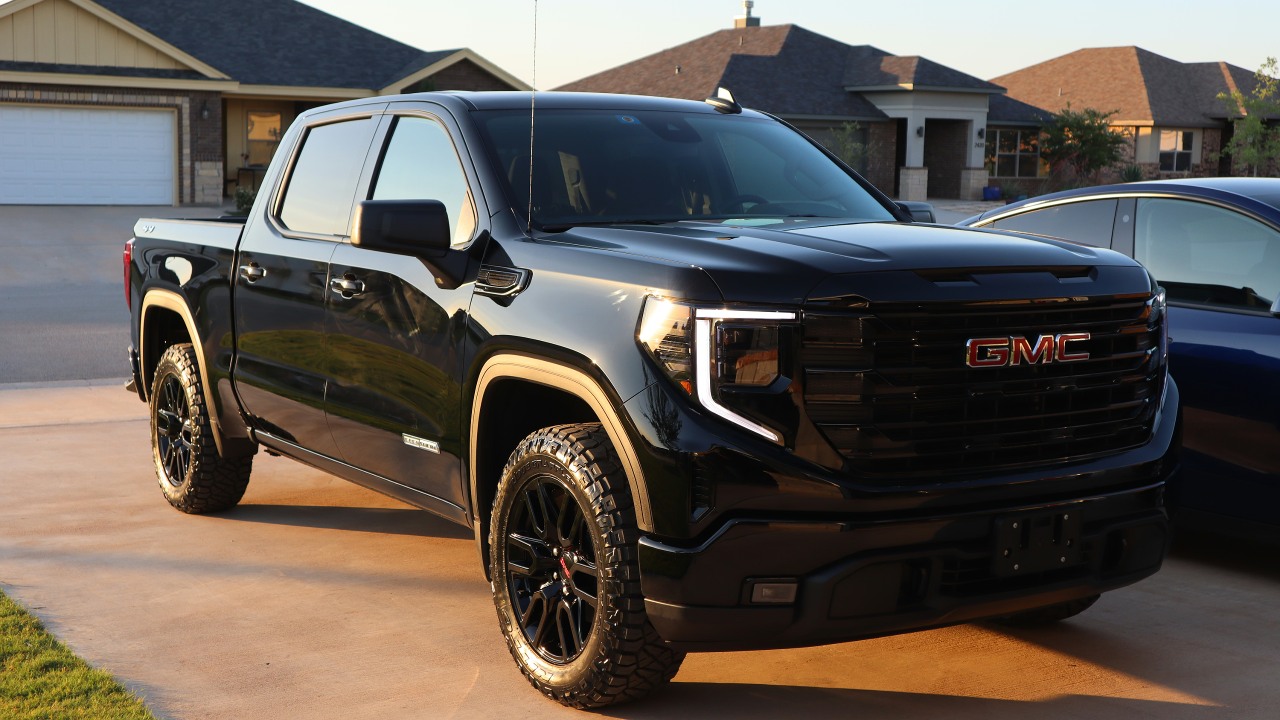
Trucks are known for their durability, but they also come with hefty maintenance and repair costs. Routine upkeep can be expensive, from oil changes to tire replacements. As trucks become more technologically advanced, repair costs are likely to increase, especially if you own a model with specialized features like the 2024 GMC Sierra’s advanced towing systems.
The complexity of modern trucks means that even minor repairs can become costly affairs. In 2025, with the rise of more intricate systems, being prepared for higher expenses in maintenance and unexpected repairs will be crucial.
Insurance Premium Increases
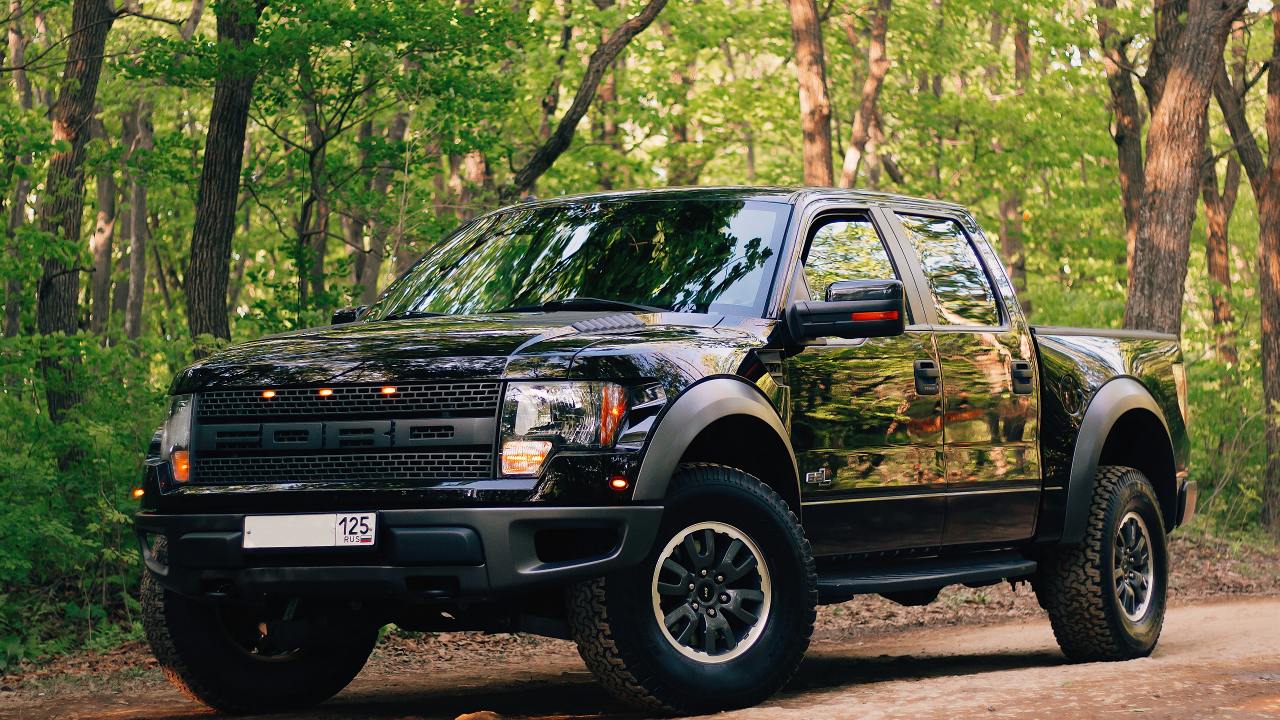
Insuring a truck is generally more expensive than insuring a sedan or smaller vehicle. With the introduction of new models and features, insurance premiums are expected to rise even further. The 2025 models will likely include advanced safety features, ironically pushing premiums higher due to the increased cost of repairs.
Insurance companies factor in repair costs, the likelihood of accidents, and the truck’s value, which can lead to higher premiums. As trucks become more popular, the risk pool changes, potentially leading to even steeper insurance costs.
Environmental Regulations and Penalties
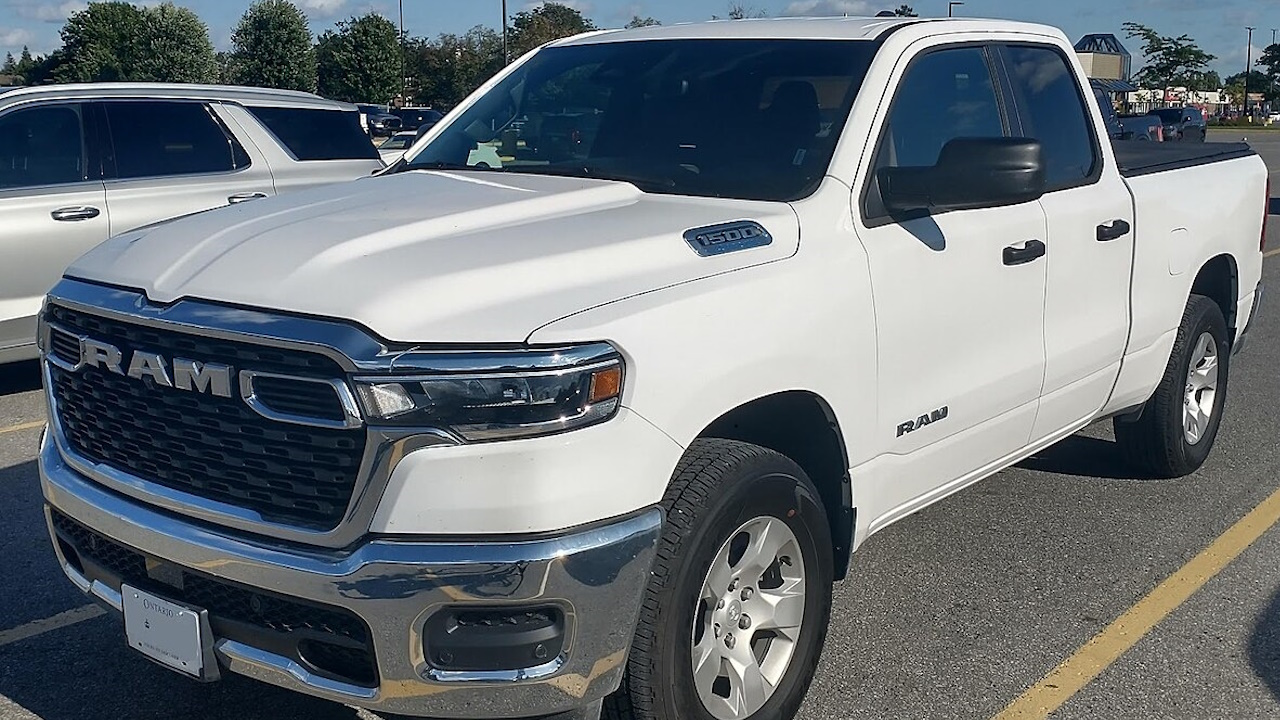
As governments worldwide push for stricter environmental regulations, owning a gas-powered truck could become a financial burden. Penalties and taxes on vehicles with high emissions are likely to increase, making a traditional truck less appealing. Models like the 2025 Ram 1500 might face tougher restrictions and higher registration fees.
Transitioning to environmentally friendly vehicles is a growing trend, and those lagging behind with older technology might face significant fines or limitations on where they can drive their vehicles, particularly in urban areas with low-emission zones.
Rapid Technological Obsolescence
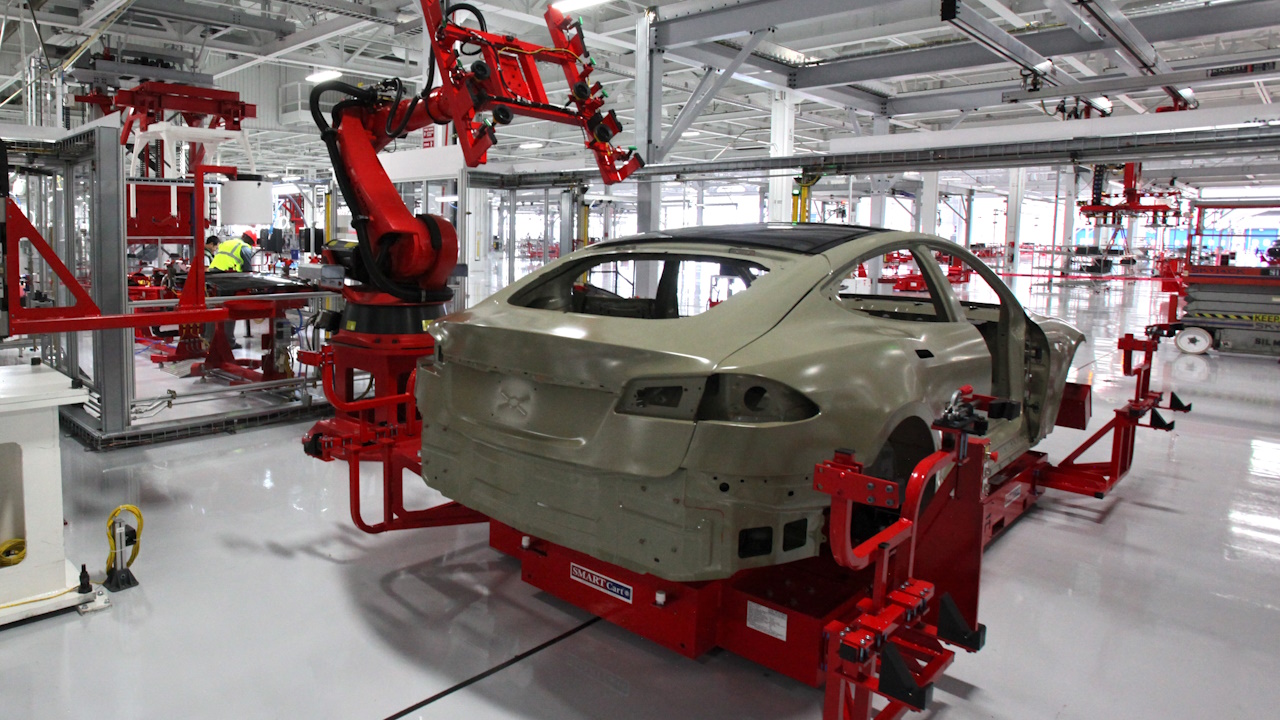
Technology in vehicles is advancing at a breakneck pace, and what feels cutting-edge today may become outdated shortly. Trucks with the latest features in 2025 might soon be eclipsed by newer models with more advanced autonomous driving capabilities or better connectivity options.
This rapid obsolescence means that your new purchase could feel outdated much sooner than you’d like, especially with manufacturers like Tesla and Rivian constantly pushing the boundaries of automotive technology.
Limited Parking and Maneuverability
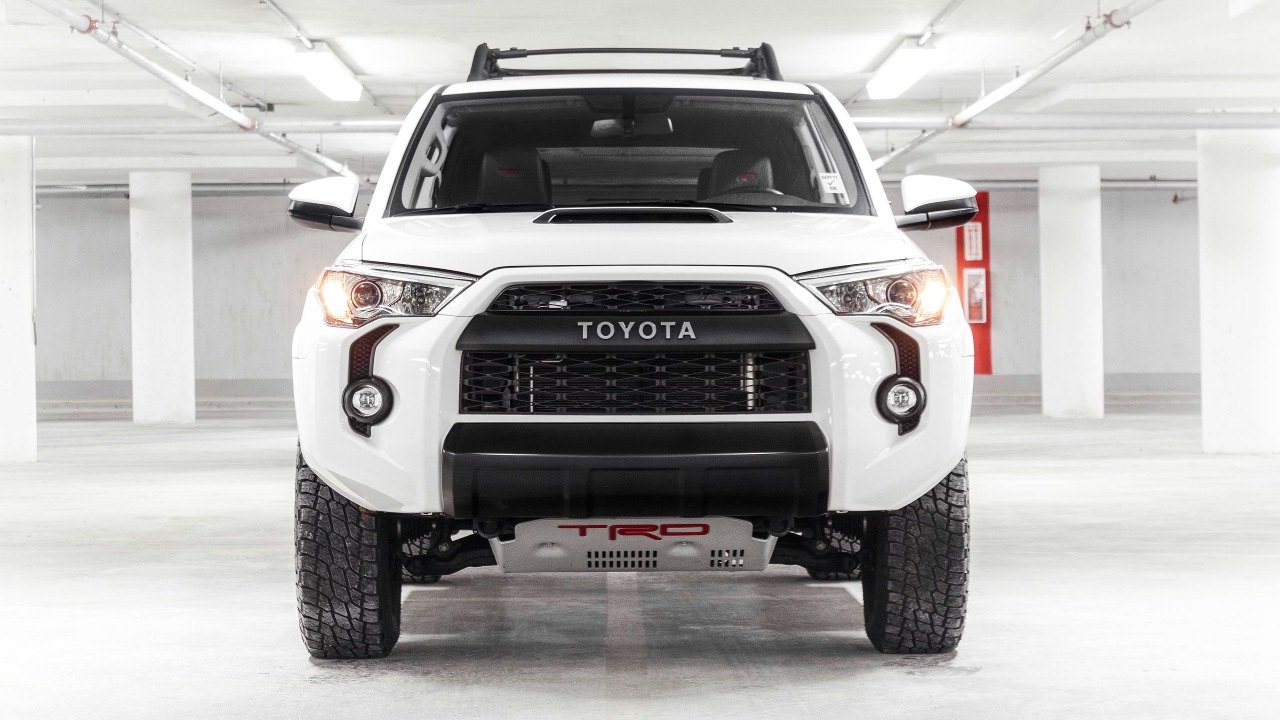
Parking a large truck in crowded urban environments is no small feat. Limited parking spaces and narrow roads can make maneuvering a truck like the 2025 Toyota Tundra a challenge. This issue is especially prevalent in cities where parking is already scarce.
Beyond the physical challenges, parking costs can also add up, particularly in urban centers where large vehicle parking spots are priced at a premium. This inconvenience might make you think twice about the practicality of owning a large truck.
Future Changes in Lifestyle Needs
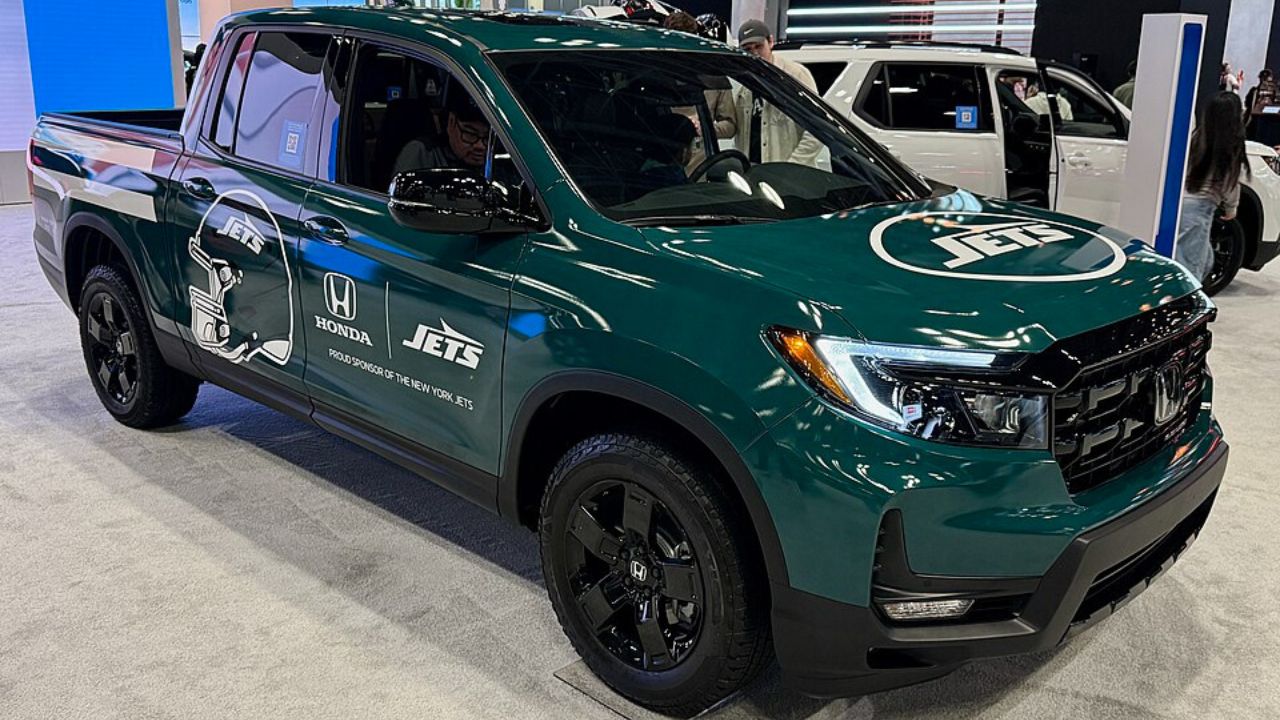
Your lifestyle needs today may not be the same a few years down the road. As families grow or shrink, or if you find yourself commuting less often, the need for a large truck may diminish. A vehicle like the 2025 Honda Ridgeline might seem perfect now, but could be impractical if your lifestyle changes.
Consider the long-term implications of your purchase. If your needs are likely to change, a truck might not be the most flexible or future-proof option for your transportation needs.
Resale Value Decline
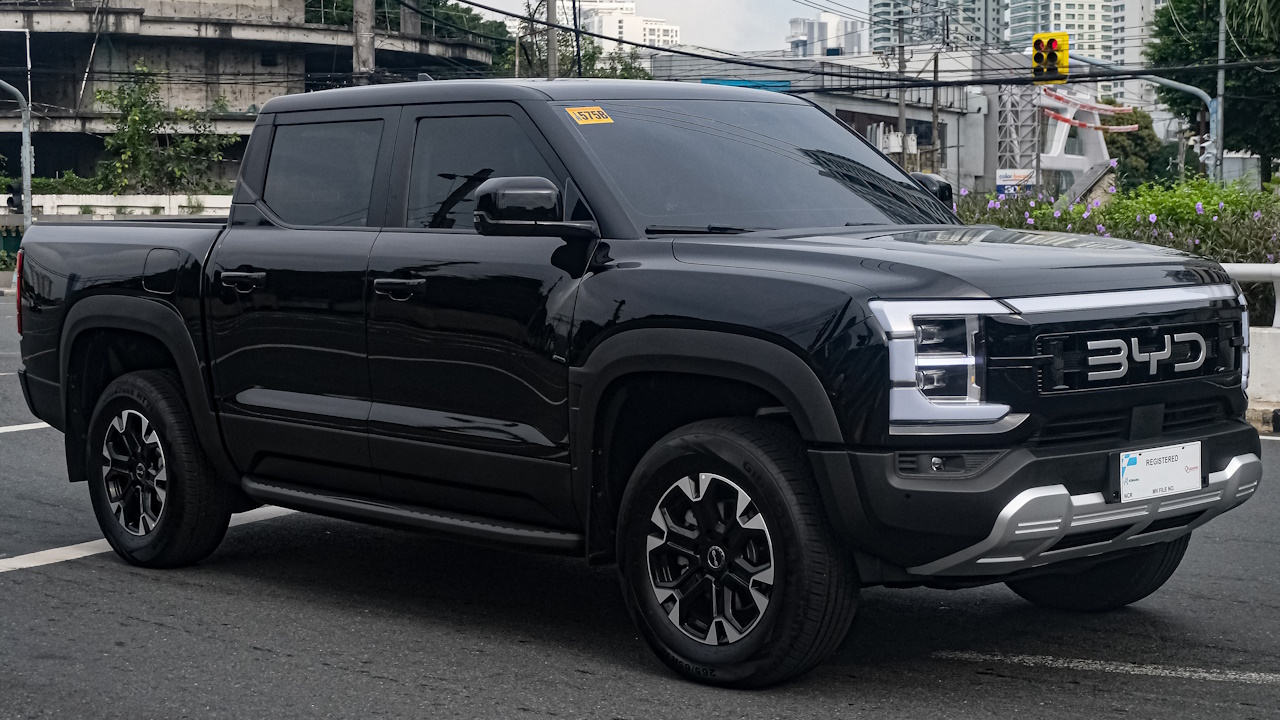
The resale value of trucks is a crucial consideration, especially with new models and features emerging rapidly. Trucks lose value quickly, and the market is competitive. A 2025 truck might have a high initial value, but the introduction of newer, more advanced models could lower its resale value significantly.
If you plan to upgrade in a few years, the depreciation could result in a disappointing return on investment. Consider the competition from electric and hybrid trucks, which are expected to dominate the market and further impact the resale value of traditional trucks.