Modern SUVs might come packed with features, but most can’t hold a candle to the raw toughness of vintage 4x4s. Back in the day, these rigs were built to take punishment—no touchscreens, no fake off-road modes, just solid axles, steel, and low gearing. This list rounds up nine classic 4x4s that didn’t just survive the trail—they owned it. And honestly, most of them could still outwork a modern crossover today.
1966–1977 Ford Bronco
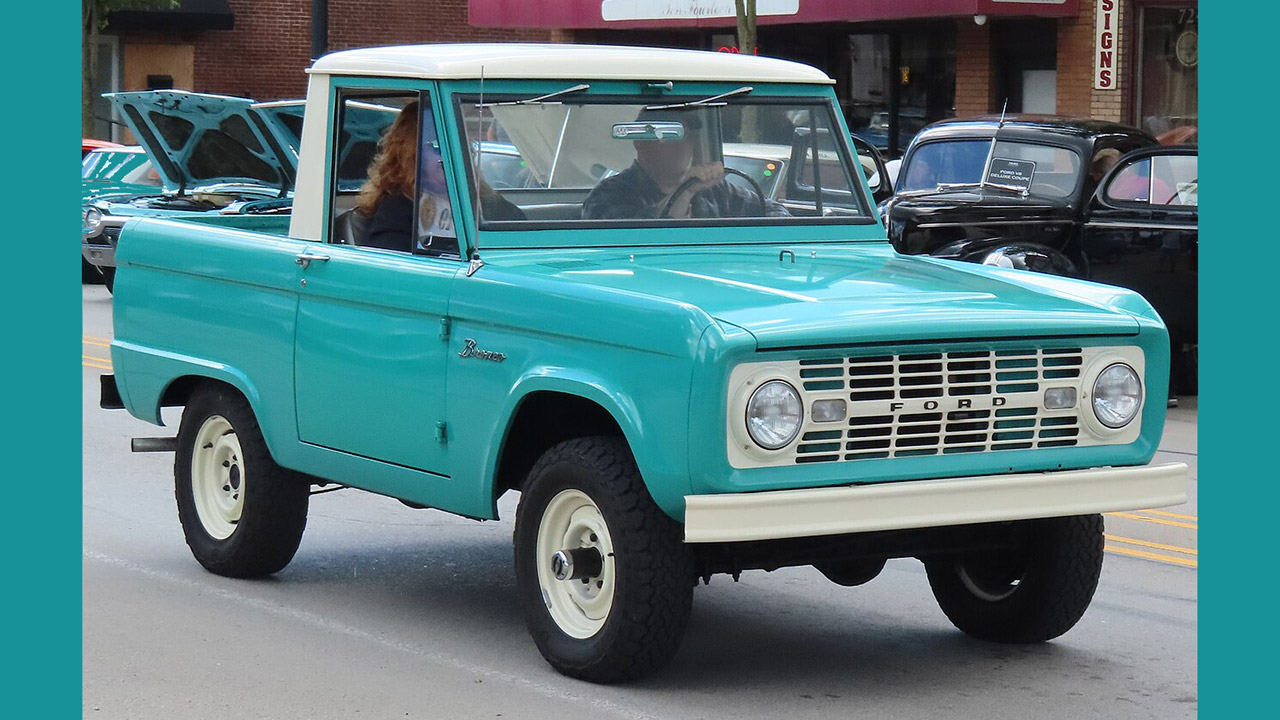
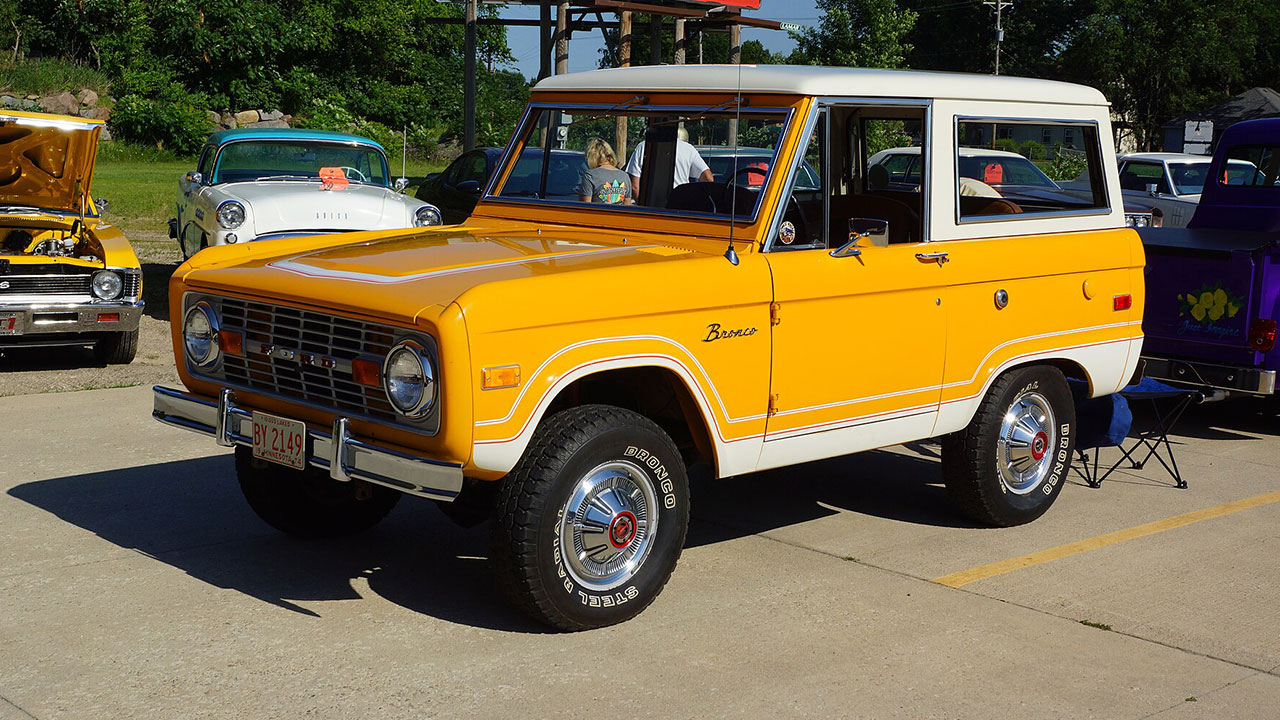
The first-gen Bronco wasn’t designed for grocery runs. With a 92-inch wheelbase, solid axles, and a Dana 20 transfer case, it was built to go where the pavement stopped. Power came from a 170 cu in inline-six or an optional 289 V8, which gave it decent torque in low range.
Inside, it was steel, vinyl, and not much else. That wasn’t a bug—it was the point. There was nothing to break or soak if you got caught in a rainstorm with the top off. Compared to most modern 4WD SUVs, the original Bronco feels like a stripped-down tank.
1980–1986 Toyota Land Cruiser FJ60
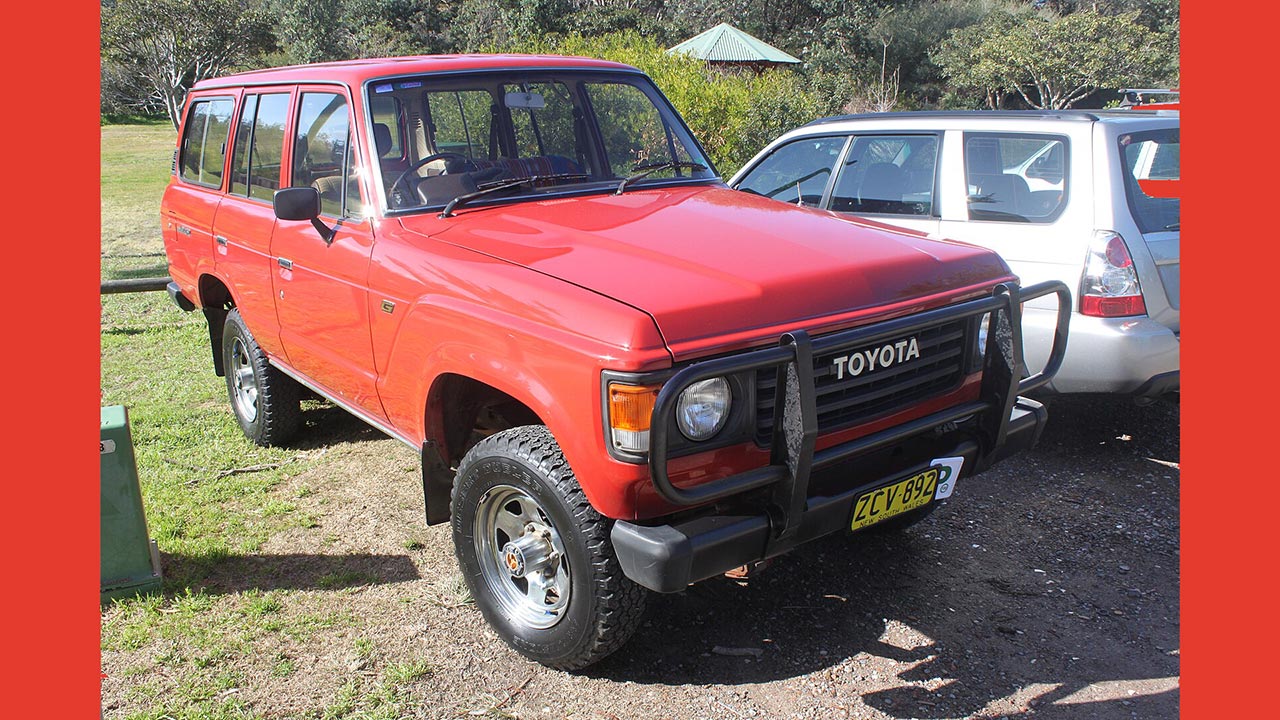
The FJ60 had the look of a family wagon but underneath was pure off-road grit. It used a 4.2L inline-six (2F) paired with a four-speed manual and full-time 4WD with a locking center diff. Leaf springs and solid axles made it durable and easy to wrench on.
It wasn’t quick—0–60 took over 15 seconds—but it was geared for mountain passes and trail crawling, not highway sprints. The interior was functional: cloth seats, roll-up windows, and everything you needed to cross continents, not counties.
1976–1986 Jeep CJ-7
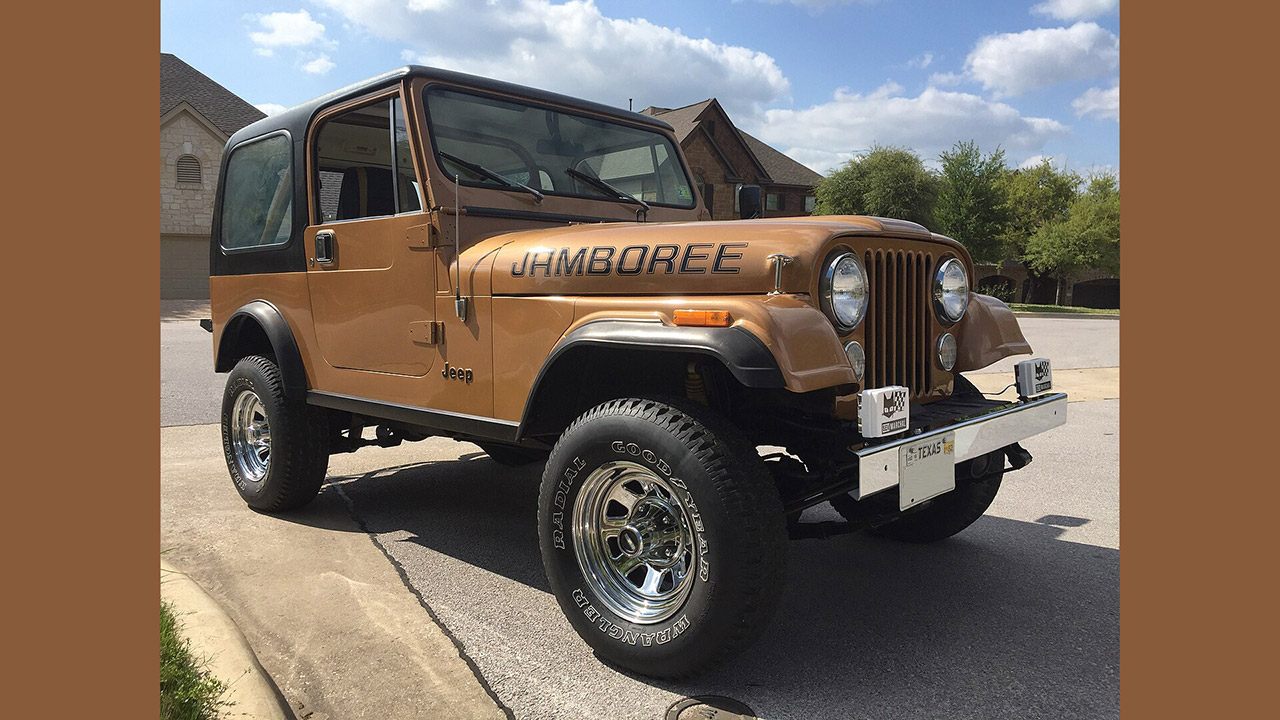
The CJ-7 kept the spirit of the WWII Jeep but added just enough comfort to make it livable. A 93.4-inch wheelbase gave it better stability than the CJ-5, and it offered a 304 cu in V8 along with the reliable AMC inline-six. Manual transmissions and Dana 20 or 300 transfer cases were the norm.
Tops and doors were removable, and interiors were hose-down ready. CJ-7s didn’t pretend to be comfortable—they were meant to go places side-by-sides still can’t. In stock form, they could out-climb most of today’s AWD mall-crawlers.
1961–1971 International Harvester Scout 80/800
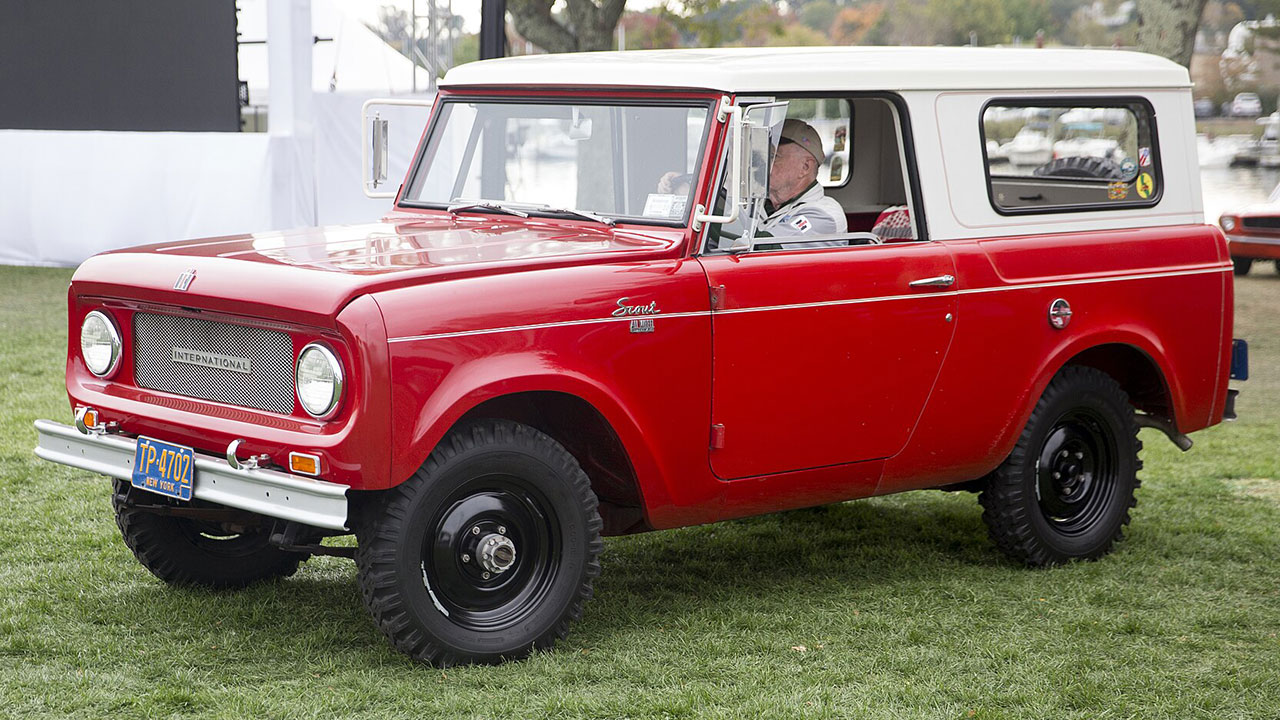
The Scout was no-nonsense from day one. It had a boxy body, leaf-sprung axles, and an optional 4-cylinder Comanche or 266 V8. Early versions were as basic as they come: sliding side windows, manual hubs, and minimal insulation.
But they could take punishment, and owners didn’t need a manual to fix them. Later Scout 800s added power brakes and slightly better interiors, but the formula stayed the same—simple, tough, and built to keep going after the road ended.
1979–1985 Mercedes-Benz G-Class (W460)
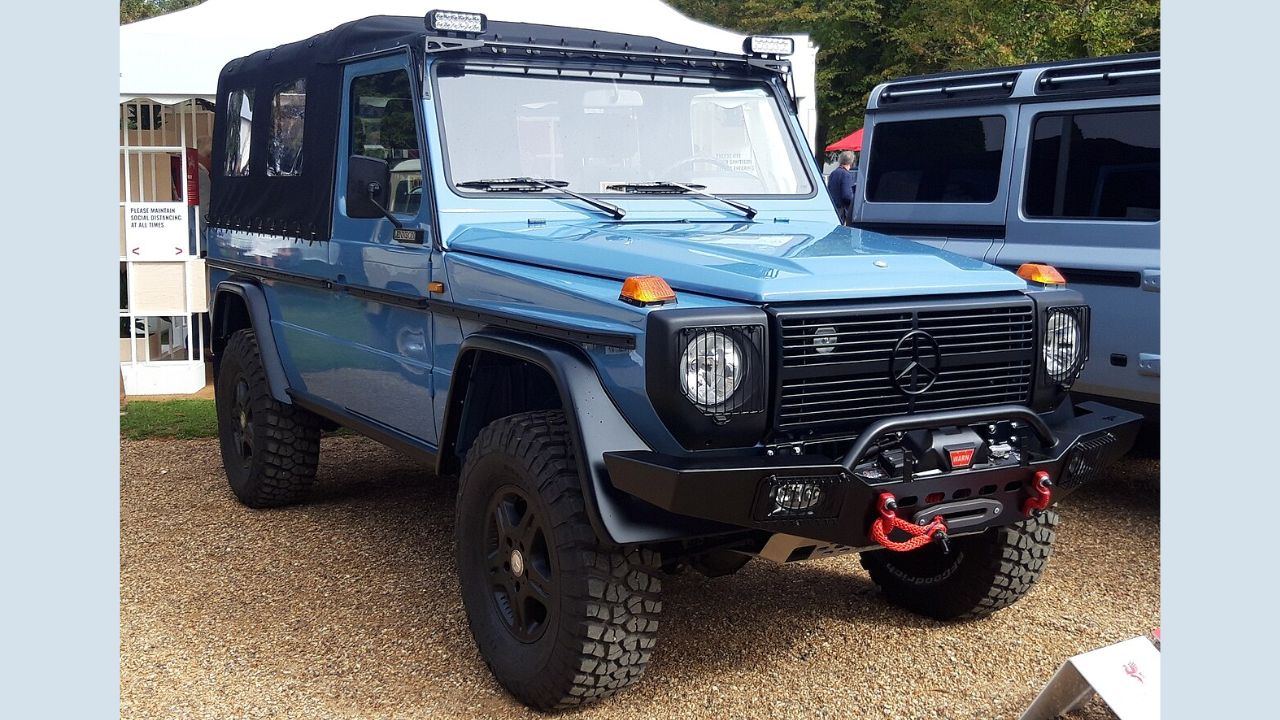
The original W460 wasn’t the luxury cruiser you see today. It was a military-spec machine with solid axles, locking differentials, and a ladder frame. Most had 2.3L or 2.8L gas engines or 3.0L diesels—not fast, but dependable and easy to service.
Interiors were metal and vinyl, with switchgear that felt industrial. You could hose it out after a muddy trip through the Alps. Before AMG badges and leather trim, the G-Wagen was all about off-road endurance and surviving terrain, not traffic.
1969–1972 Chevrolet K5 Blazer
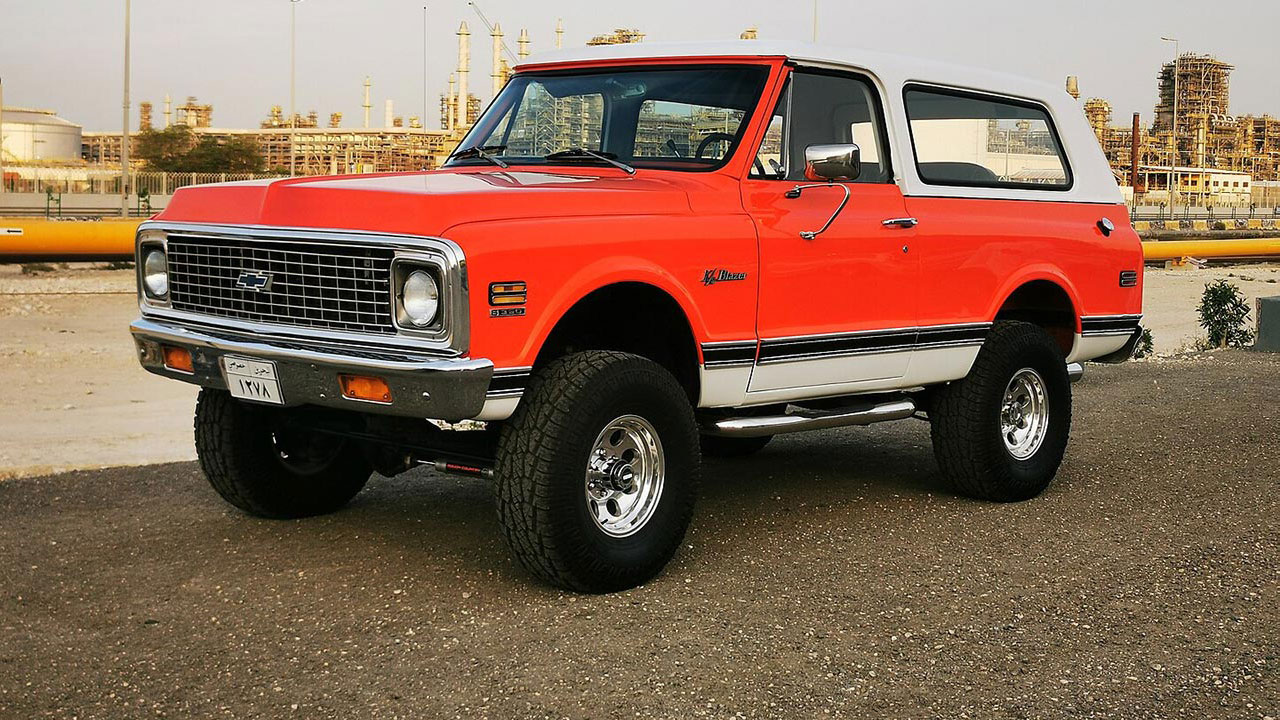
Chevy’s original K5 Blazer was basically a shortened C/K pickup with a full convertible top. It offered a 307 or 350 V8, solid axles, and a choice of NP203 or NP205 transfer cases. The 104-inch wheelbase gave it surprising agility for its size.
Inside, it was more truck than SUV. Bench seats, metal floors, and a few gauges did the job. The full removable top turned it into a usable trail toy, and its truck-based underpinnings made it one of the most durable 4x4s of the era.
1980–1990 Land Rover Defender 90 (pre-U.S. import)
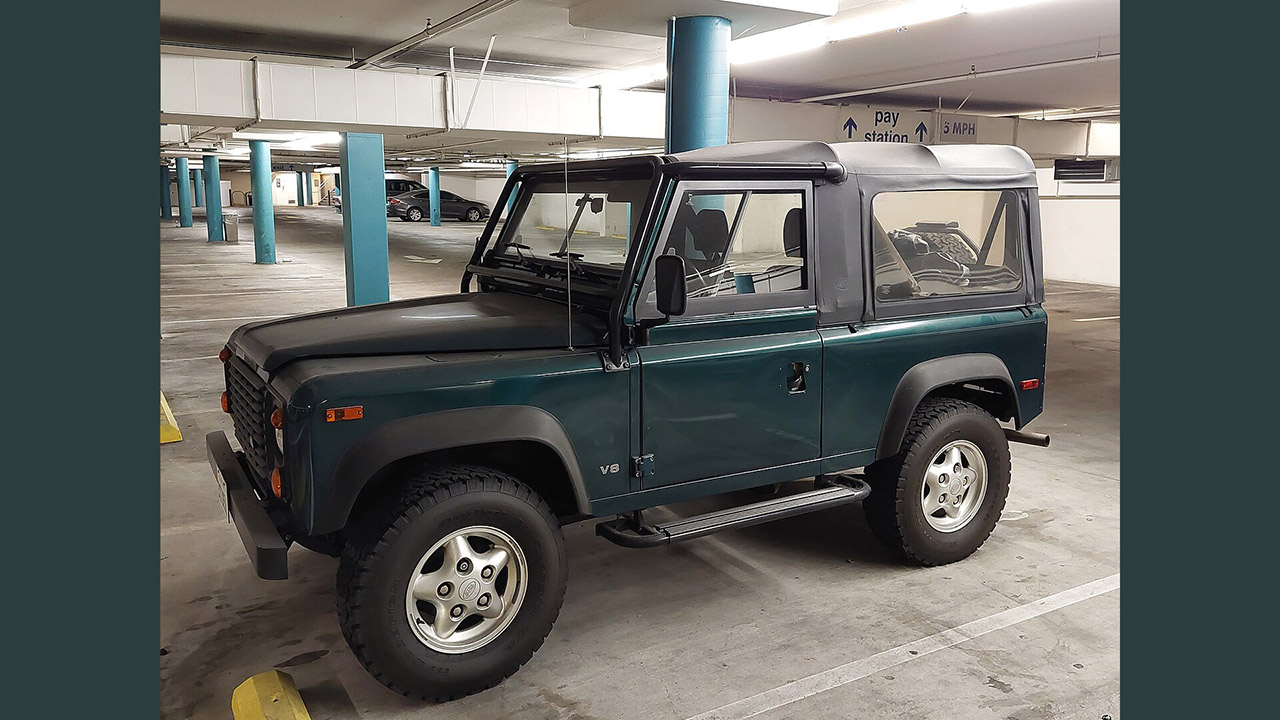
The Defender 90 was built like a rolling toolbox—basic, square, and effective. Underneath was a ladder frame with coil springs and solid axles, paired to a five-speed manual and full-time 4WD with center locking diff. The 2.5L diesel was slow but nearly unkillable.
The cabin offered vinyl seats, exposed rivets, and an optional heater if you were lucky. These weren’t designed for comfort—they were meant to get you through mud, snow, rivers, and whatever else stood in the way.
1974–1980 Dodge W200 Power Wagon
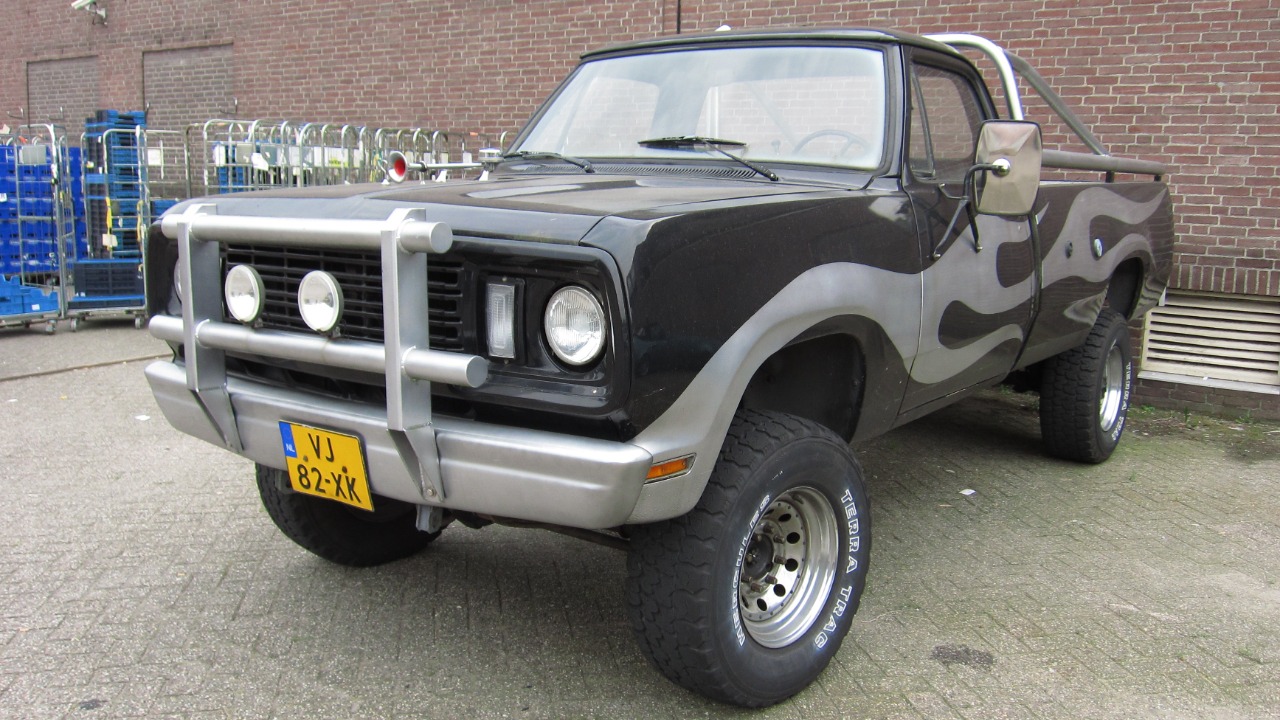
The W200 Power Wagon wasn’t fancy, but it was built to haul, plow, and survive. It rode on a 131-inch wheelbase, came standard with full-time 4WD, and used Dana axles front and rear. Engine options included the 318, 360, and 400 V8s.
It was all steel and muscle—no plastic cladding, no faux skid plates. Interiors were pure utility: bench seat, floor shifter, and maybe a radio. This was the truck you bought when you needed to work in conditions that would sideline modern SUVs.
1960–1969 Nissan Patrol (60 Series)
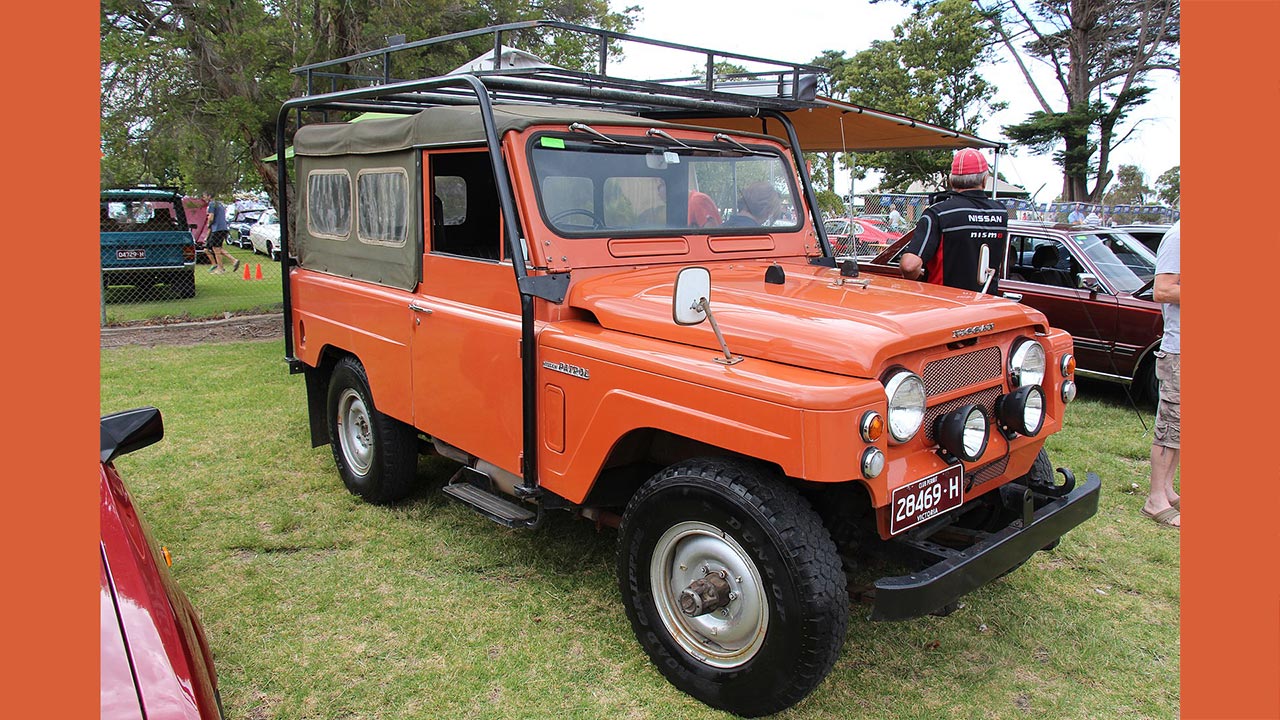
Before the Land Cruiser dominated, Nissan’s Patrol was giving it a run in global markets. The 60 Series had a 4.0L inline-six, leaf springs at all four corners, and a two-speed transfer case. Its design was simple and square, built for military and agricultural use.
Inside, it was minimal: steel dash, analog gauges, and seating for five—barely. It wasn’t quick, but it could crawl all day. These trucks earned their stripes in the Middle East, Australia, and South America, and they’re still running in places without roads.
Like Fast Lane Only’s content? Be sure to follow us.
Here’s more from us:
*Created with AI assistance and editor review.