
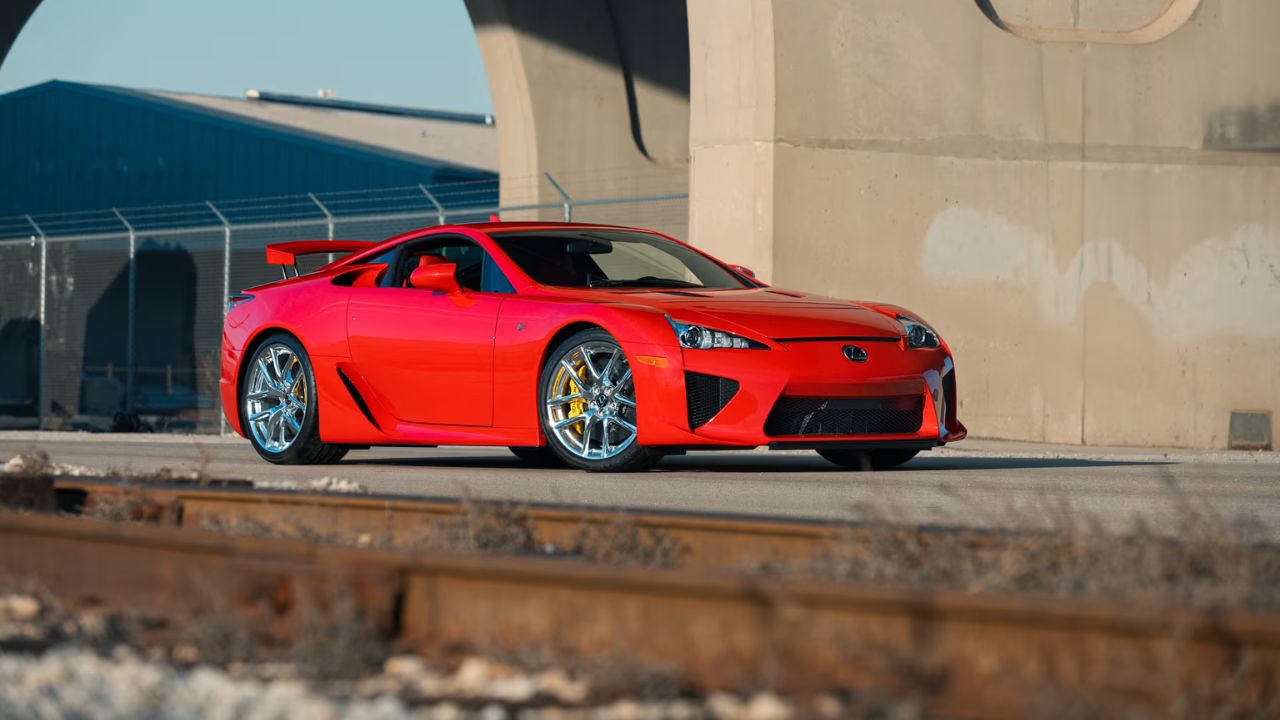
Japan didn’t just join the performance game—they came in swinging. From twin-turbo sixes to high-revving rotaries, JDM sports cars have carved out a legacy built on speed, precision, and serious engineering. While the rest of the world chased displacement, Japan found clever ways to go just as fast—sometimes faster.
These aren’t just quick for their time—they still hold their own today. Whether it’s track records, street cred, or tuning potential, these ten JDM machines prove that when Japan goes fast, it doesn’t mess around.
Nissan GT-R R35
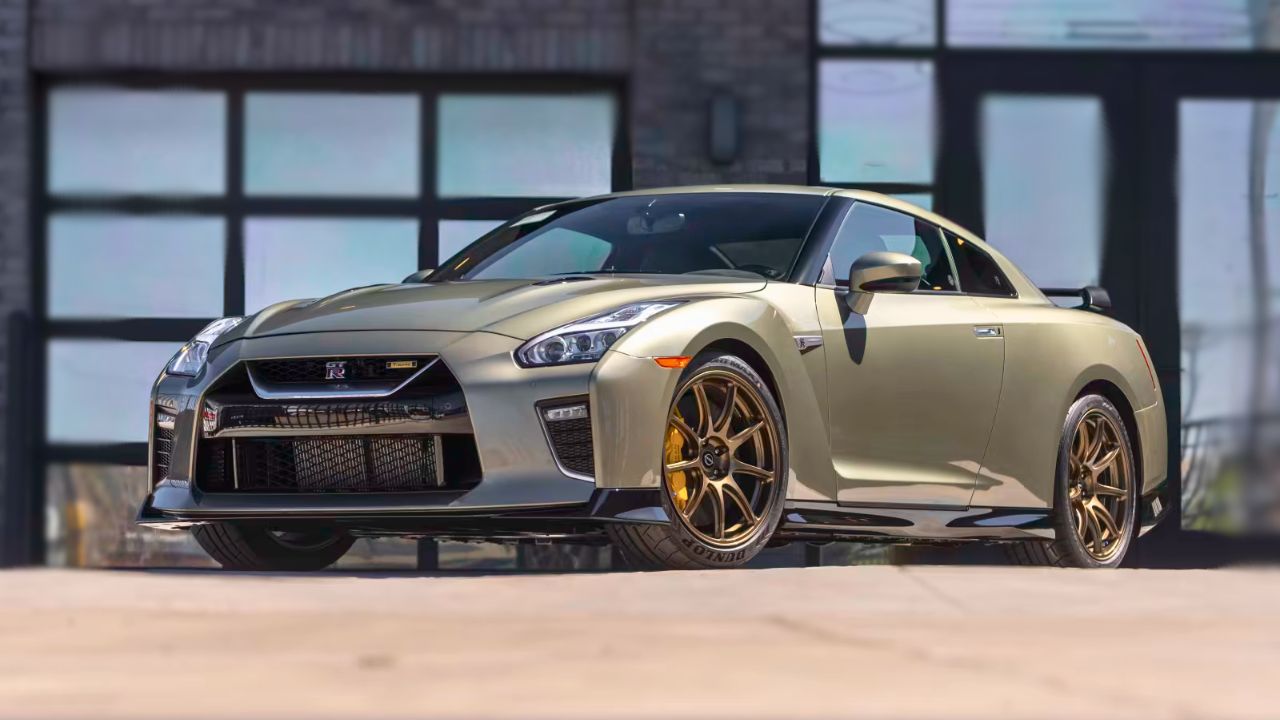
The R35 GT-R hit the streets in 2007 and immediately started handing out reality checks. With a 3.8L twin-turbo V6 making 480 hp at launch—and climbing to over 600 hp in later versions—it could hit 60 mph in under 3 seconds. The dual-clutch transmission and all-wheel-drive system gave it insane grip.
It was nicknamed “Godzilla” for a reason. Nissan didn’t build it to be pretty—they built it to go toe-to-toe with supercars that cost twice as much. And for a lot of years, it did exactly that.
Toyota Supra Mk4 (A80)
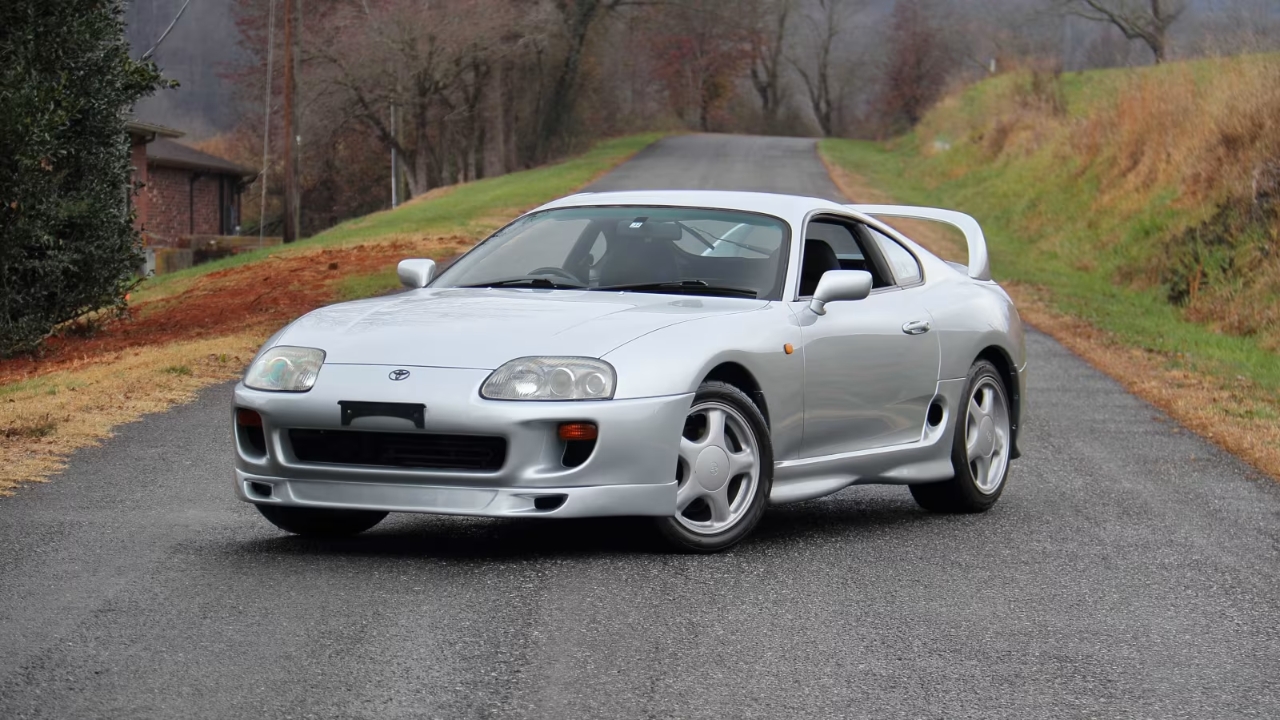
The Mk4 Supra is still the king in a lot of JDM circles. The 3.0L 2JZ-GTE inline-six with twin turbos made 276 hp in Japan (due to a voluntary cap), but overseas models pushed closer to 320 hp. Tuners found out quickly that it could handle over 1,000 hp without breaking a sweat.
Stock, it could run the quarter-mile in the low 13s and hit 60 mph in about 4.6 seconds. But the Supra’s real legacy is how easily it could be turned into a monster with the right upgrades.
Nissan Skyline GT-R R34
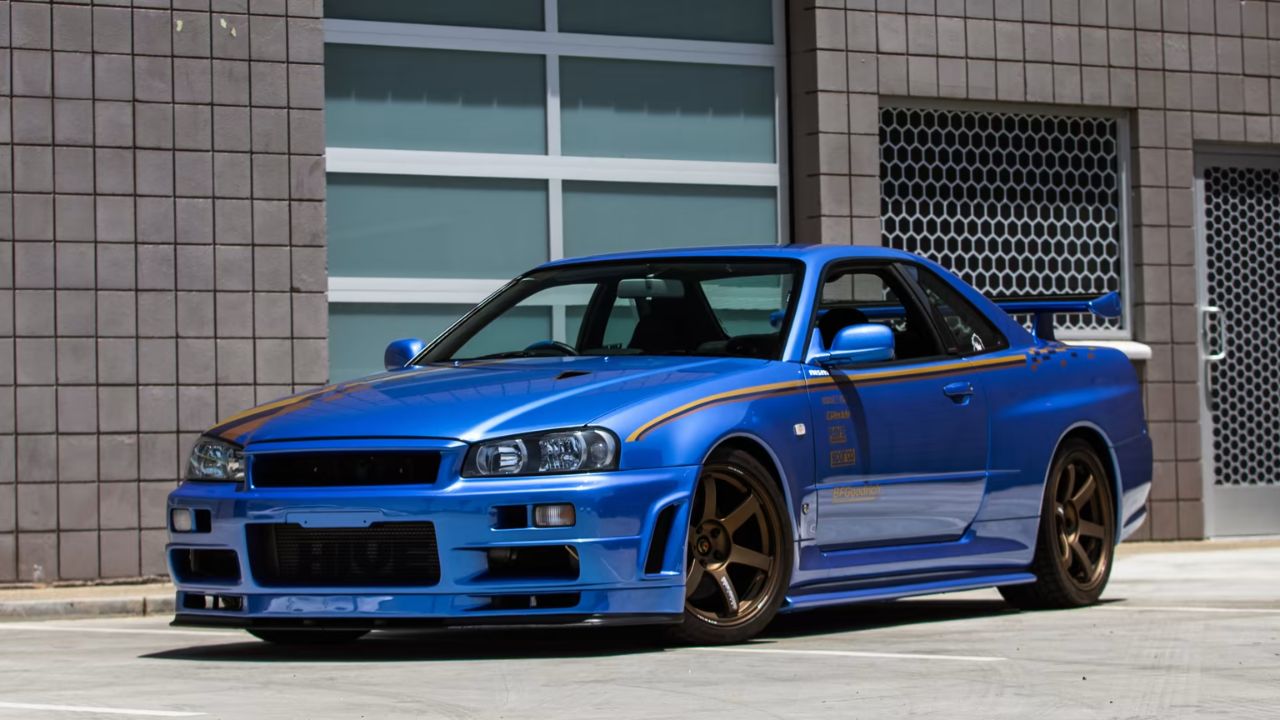
The R34 GT-R had a 2.6L twin-turbo RB26DETT straight-six paired with a clever all-wheel-drive system and active torque split. It officially made 276 hp, but everyone knew the real output was closer to 330. With the right tires, it could hit 60 mph in just under 5 seconds.
It had serious street cred and became even more iconic thanks to Fast & Furious and its forbidden-fruit status in the U.S. for years. Today, it’s one of the most coveted imports on the planet.
Honda NSX (NA2)
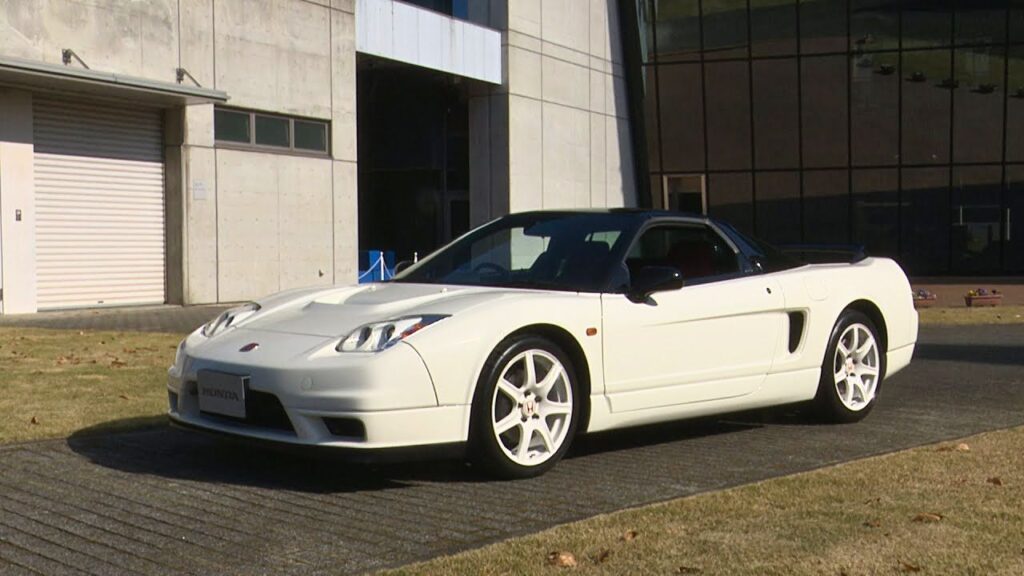
The original NSX was a different kind of fast—it didn’t need forced induction to move. The updated NA2 model had a 3.2L V6 making 290 hp and could hit 60 mph in around 4.5 seconds. It was mid-engine, lightweight, and handled like nothing else from Japan at the time.
Ayrton Senna helped fine-tune the chassis, and that connection alone made it legendary. It didn’t chase big numbers—it focused on balance, responsiveness, and driver feel. But it was no slouch in a straight line either.
Mazda RX-7 FD3S
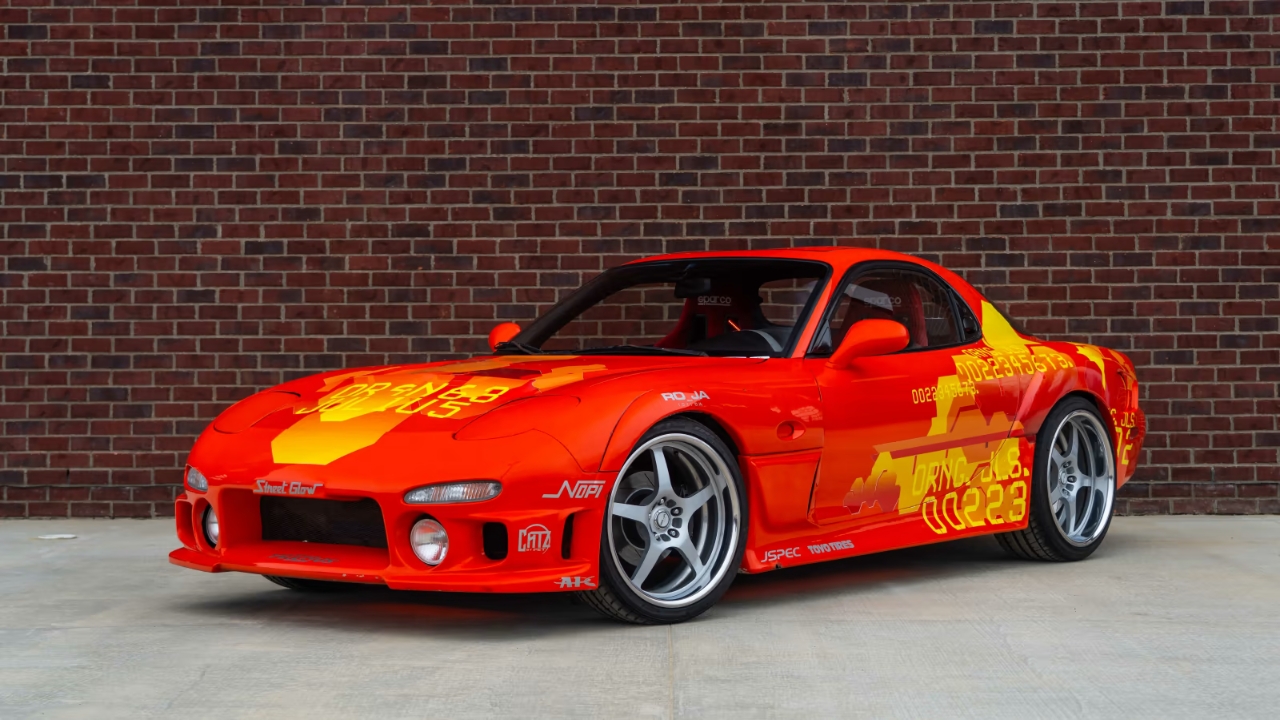
With its lightweight chassis and twin-rotor 13B-REW rotary engine, the RX-7 FD was one of the sharpest handling cars of the ’90s. It made 276 hp and could sprint to 60 mph in just over 5 seconds, but the driving experience was the real hook.
The rotary engine revved high and made all the right noises, and the car’s weight was under 2,800 pounds. Tuners loved it for its power potential, but even in stock form, it was a serious performance car.
Mitsubishi Lancer Evolution IX
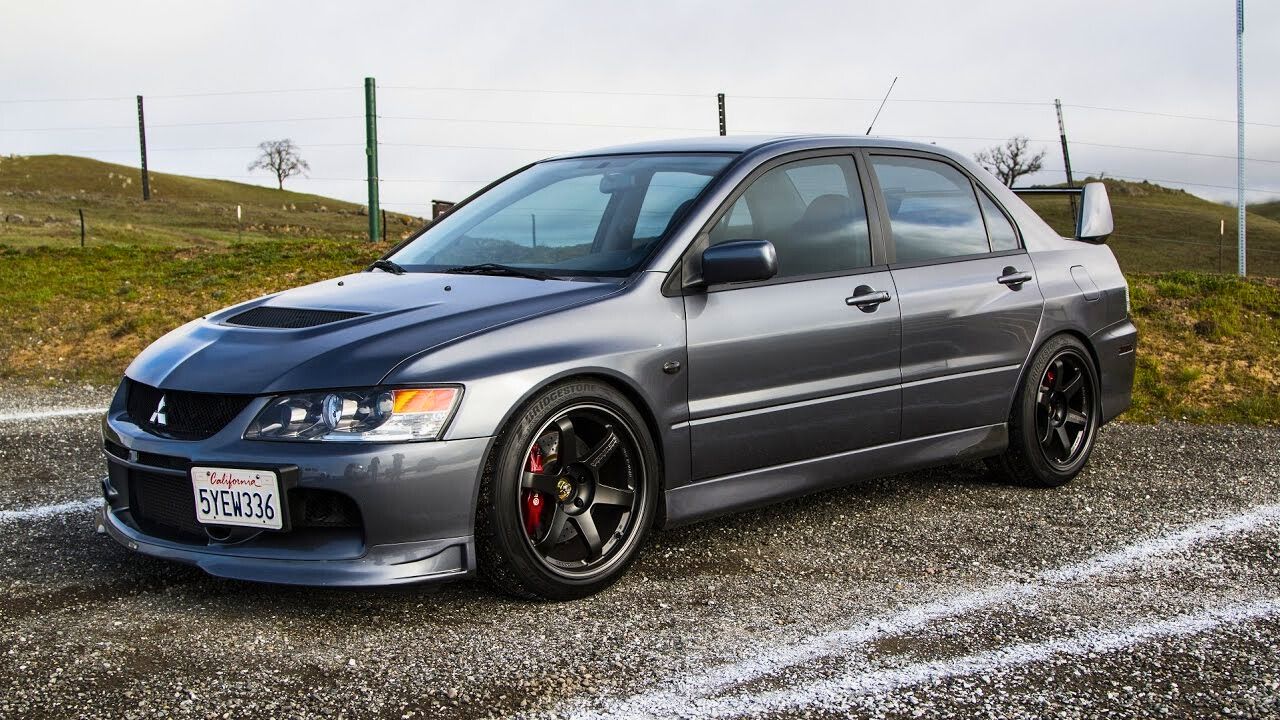
The Evo IX packed a 2.0L turbocharged inline-four making 286 hp and had one of the best AWD systems in the game. It hit 60 mph in just under 4.5 seconds and stuck to the pavement like it was on rails.
With razor-sharp handling, a stiff chassis, and rally-bred DNA, the Evo was a back-road missile. It wasn’t fancy, but it was fast where it counted. It also became a tuning favorite thanks to a strong engine and serious aftermarket support.
Subaru Impreza WRX STI (S209)
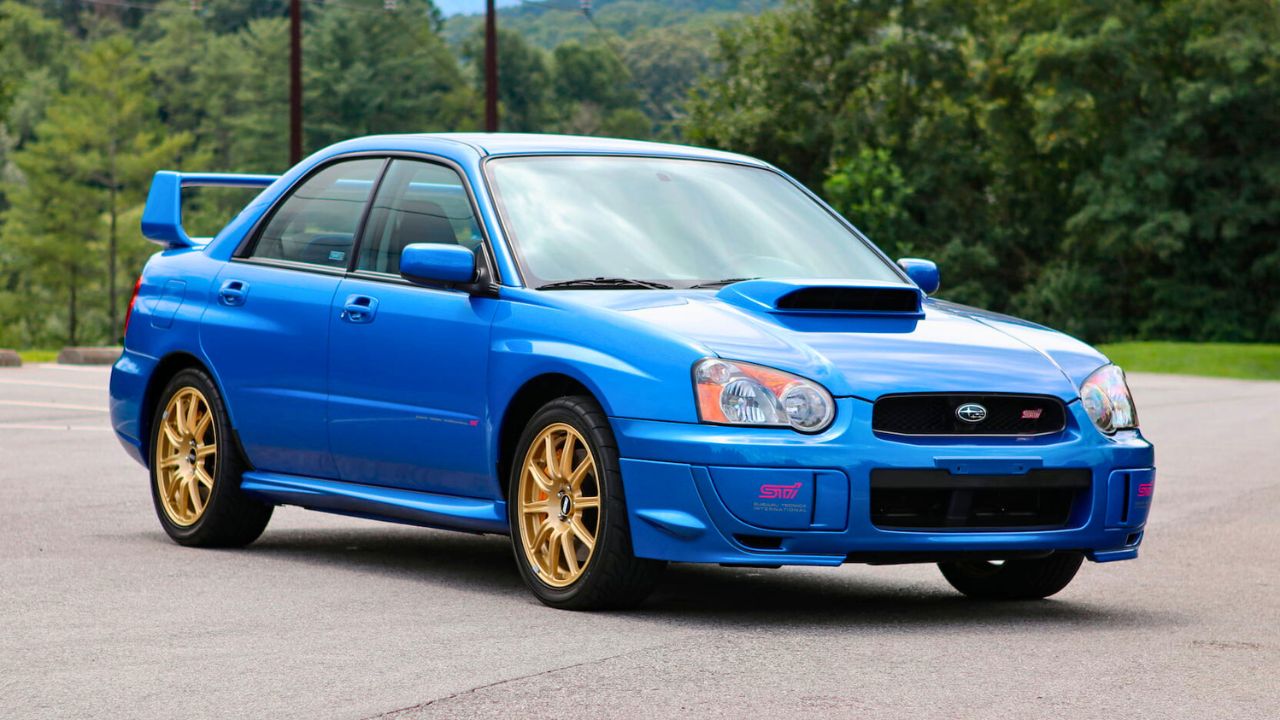
The limited-run S209 took the WRX STI to another level. It had a hand-built 2.5L turbo flat-four making 341 hp, paired with wide fenders, sticky tires, and serious aero upgrades. It could do 0–60 in about 4.7 seconds.
Only 209 were made for the U.S., and they were packed with track-ready hardware. It wasn’t the fastest JDM car ever built, but it was one of the most refined versions of Subaru’s long-running rally weapon.
Lexus LFA
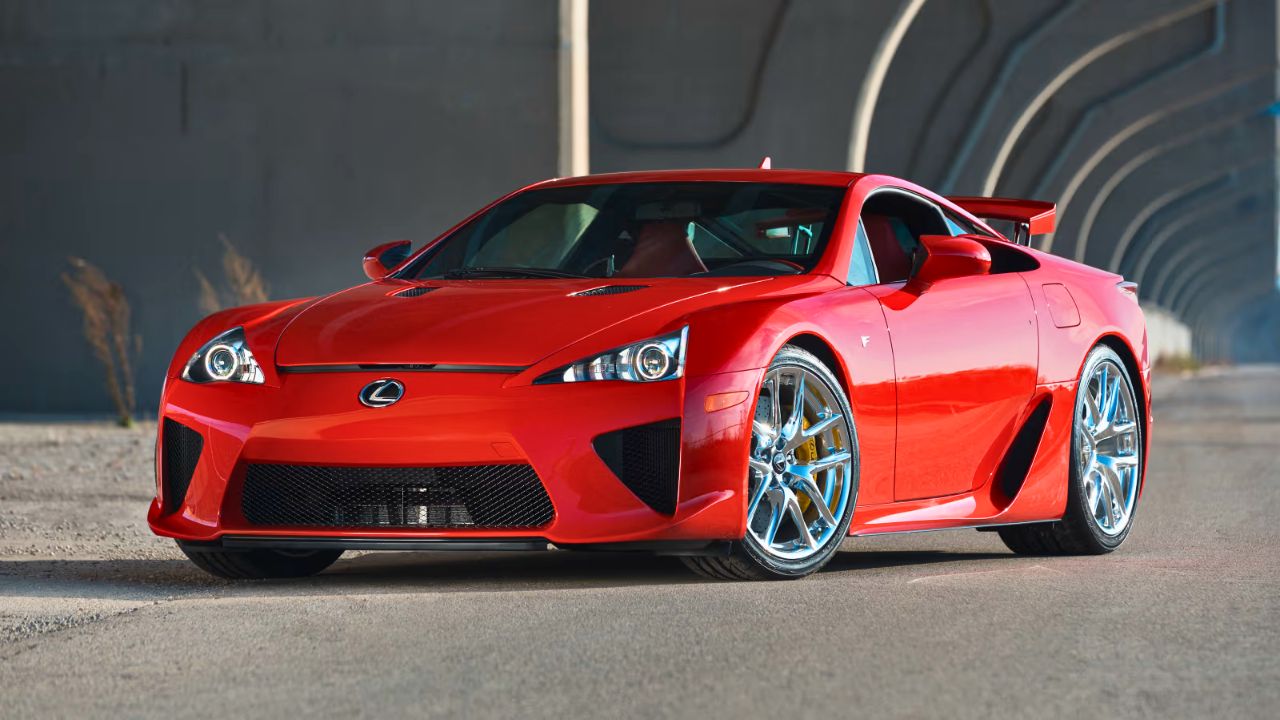
The LFA was Lexus showing off. It had a 4.8L naturally aspirated V10 that revved to 9,000 rpm and made 552 hp. It could hit 60 mph in 3.6 seconds and had a top speed north of 200 mph. The engine note was tuned by Yamaha and sounded more like an F1 car than a Lexus.
Only 500 were made, and each one was hand-built. It wasn’t about raw speed alone—it was about the whole experience. But yeah, it was fast—supercar fast.
Nissan 300ZX Twin Turbo (Z32)
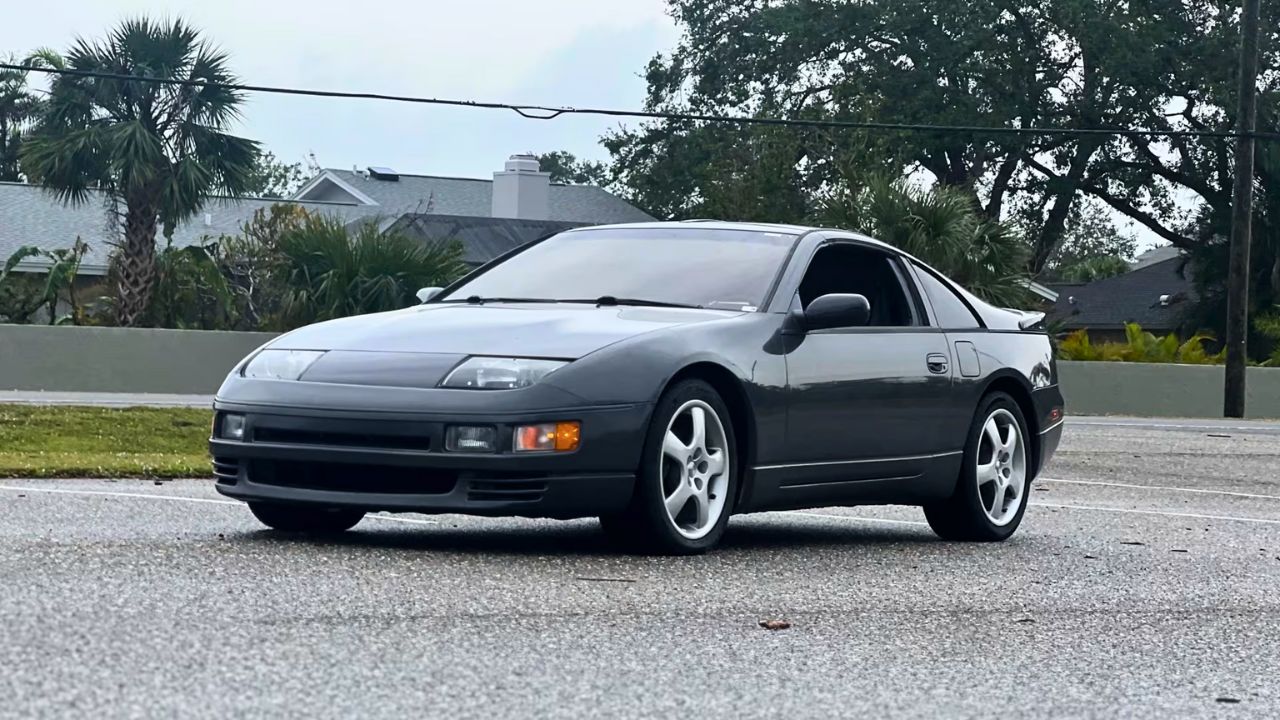
The Z32 300ZX came with a 3.0L twin-turbo V6 making 300 hp and could hit 60 mph in about 5.5 seconds. It was sleek, refined, and packed with tech like four-wheel steering and an adjustable suspension.
Back in the early ’90s, it could hang with Corvettes and even some European cars. It didn’t get as much tuner love as others, but it was fast out of the box and had serious performance credibility.
Toyota GR Supra (A90)
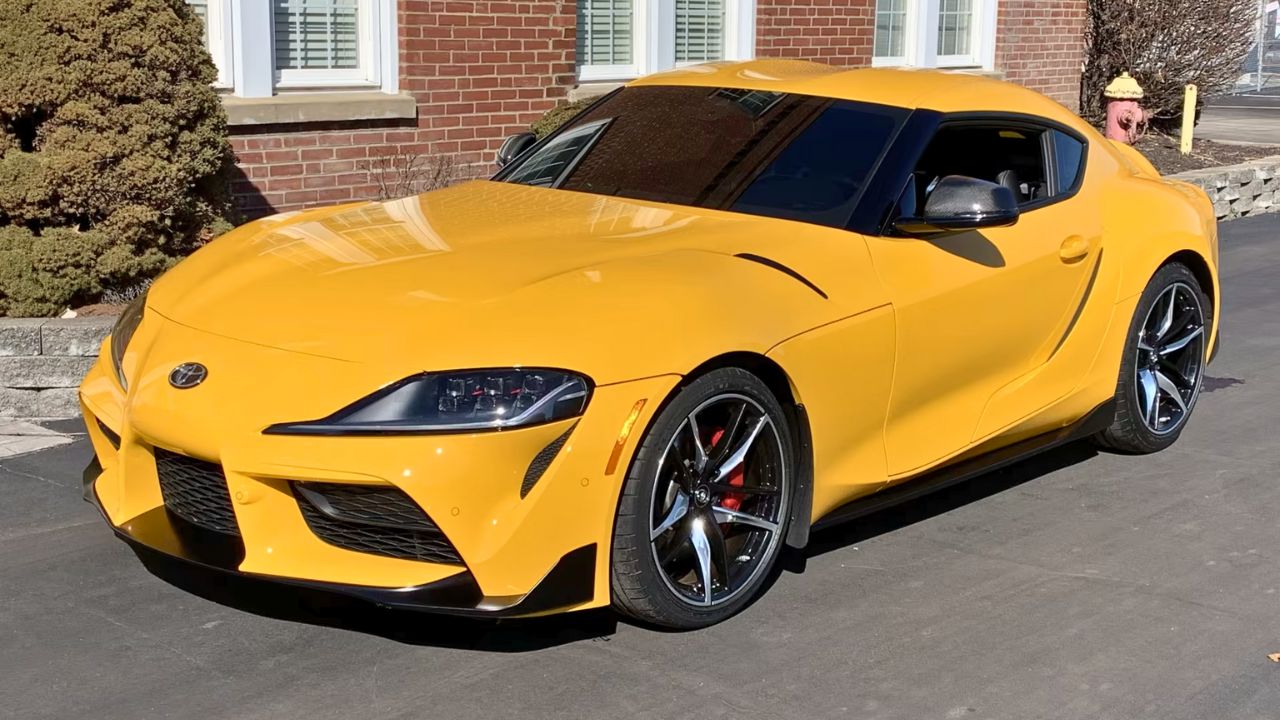
The A90 GR Supra brought the name back in 2020 with a 3.0L turbocharged inline-six co-developed with BMW. It made 335 hp at launch (later bumped to 382), and with its quick-shifting 8-speed automatic, it could hit 60 mph in just under 4 seconds.
Purists debated the BMW connection, but performance-wise, it delivers. The GR Supra brought the legacy back with real speed and precision, and whether you like the heritage or not, it’s one of the quickest JDM-branded cars on the road today.
*This article was hand crafted with AI-powered tools and has been car-fully, I mean carefully, reviewed by our editors.


Leave a Reply