
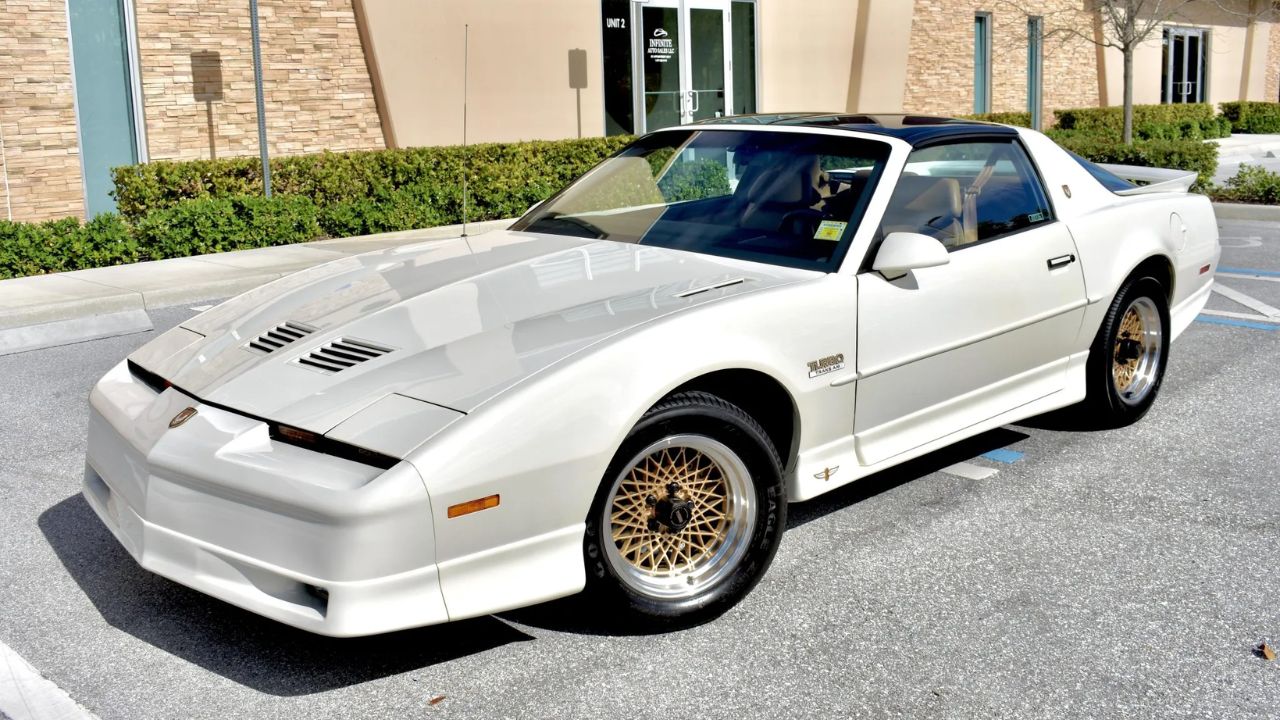
When you think “fast Trans Am,” most people picture smoky burnouts and 6.6-liter decals. But the quickest classic Trans Am ever built didn’t rely on brute force or big cubic inches—it came packed with a turbocharged V6 borrowed from the Buick GNX. That car was the 1989 20th Anniversary Turbo Trans Am, and it quietly became the fastest factory Trans Am of all time.
With limited production, Indy 500 credentials, and real-world numbers that embarrassed V8 rivals, this Trans Am wasn’t just fast—it redefined what fast could look like in a Pontiac. Here are 10 facts that explain why.
Limited Production and Exclusivity
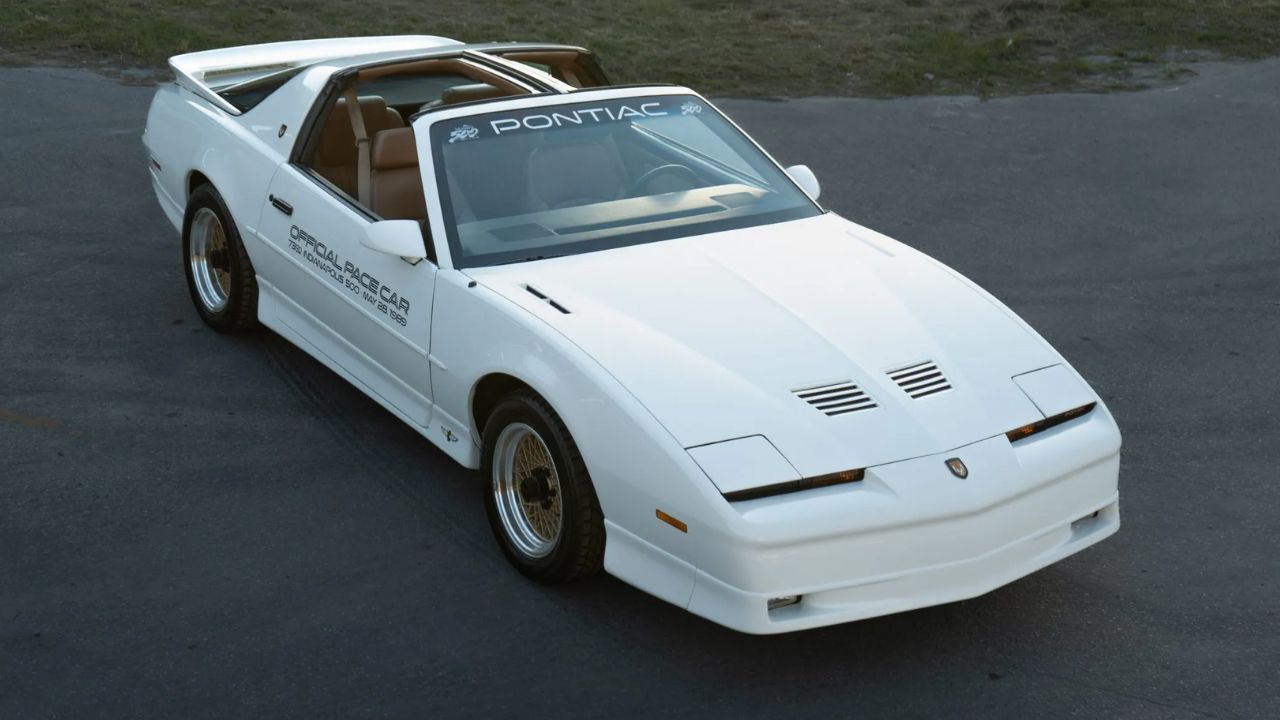
Pontiac produced a total of 1,555 units of the 1989 20th Anniversary TTA, making it a rare and sought-after model among collectors. Each car was built to commemorate the 20th anniversary of the Trans Am, adding to its historical significance.
The limited production run contributes to the TTA’s exclusivity and desirability. Collectors and enthusiasts often seek out these models for their unique combination of performance, heritage, and rarity.
Turbocharged Powerhouse
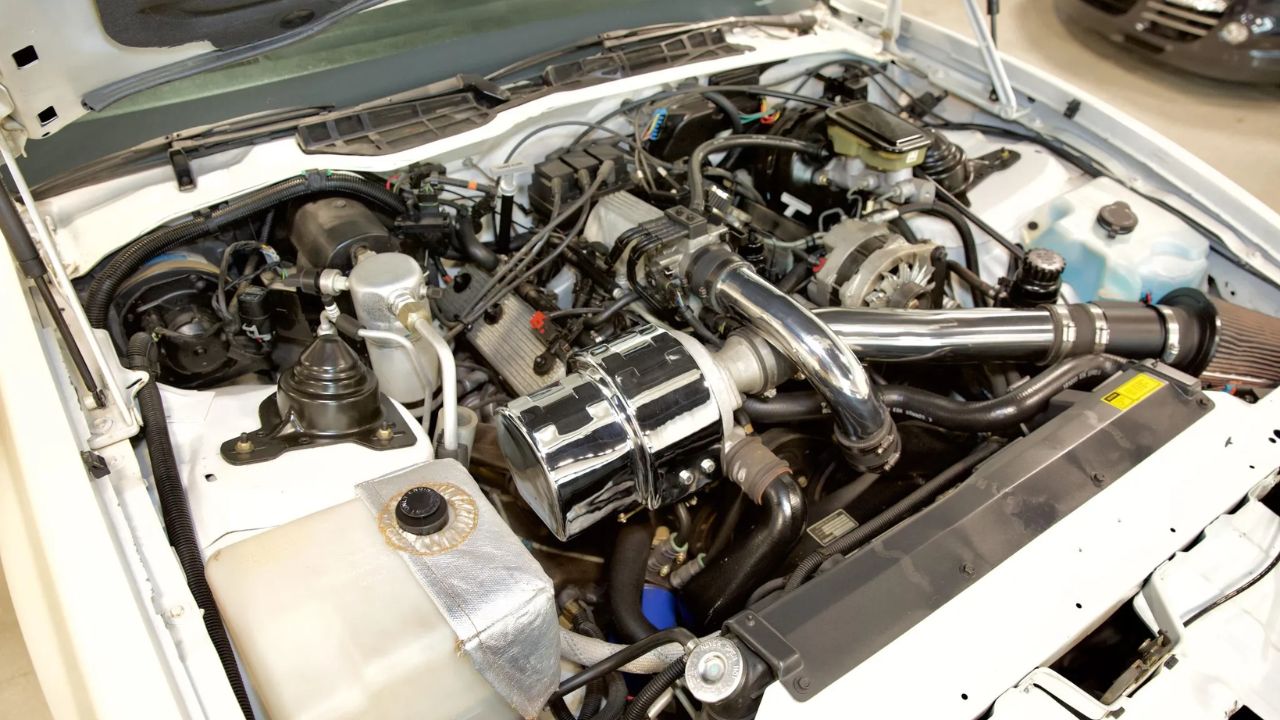
The heart of the 1989 TTA is a 3.8-liter turbocharged V6 engine, borrowed and refined from the Buick Grand National GNX. This powerplant was officially rated at 250 horsepower, but real-world performance often exceeded this figure, with some tests suggesting outputs closer to 300 horsepower. The engine’s turbocharging provided a broad torque curve, making the TTA responsive across various driving conditions.
This engine was mated to a 4-speed automatic transmission, ensuring smooth power delivery. The combination allowed the TTA to achieve impressive acceleration times, rivaling and even surpassing many contemporaries in its class.
Record-Breaking Performance
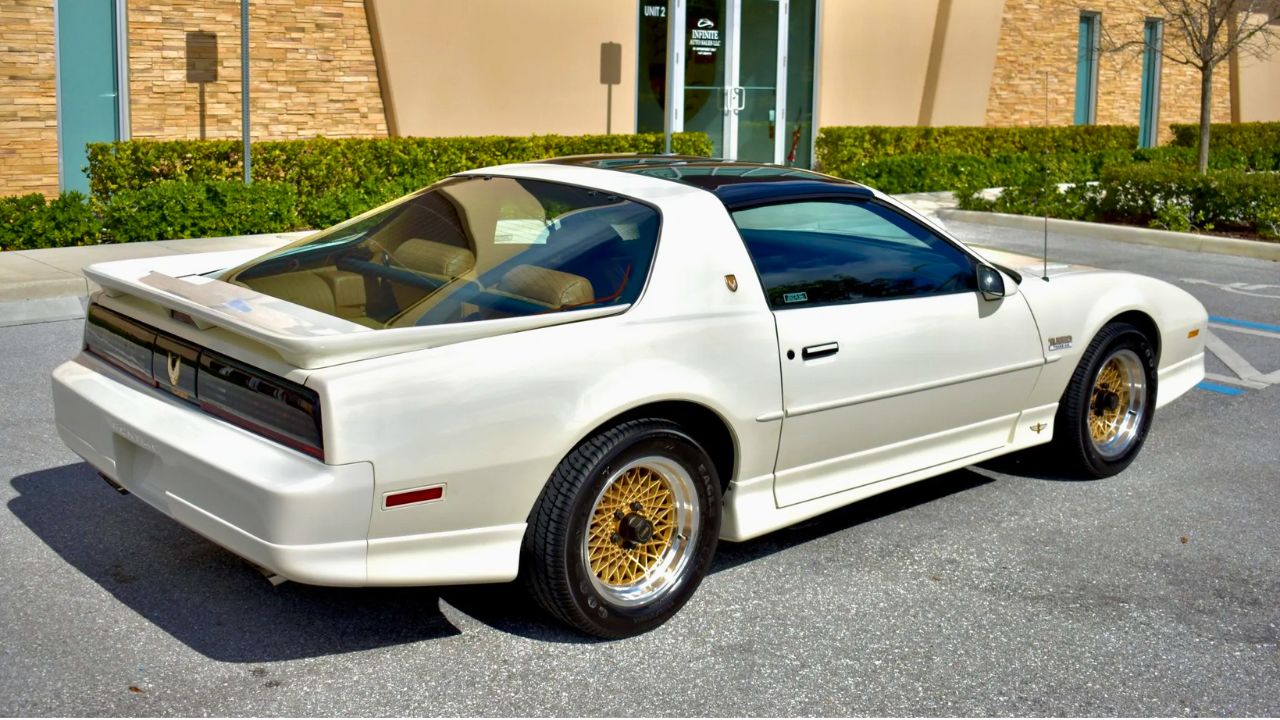
In performance testing, the 1989 TTA demonstrated remarkable capabilities. It achieved a 0-60 mph time of 4.6 seconds and completed the quarter-mile in 13.4 seconds at 101 mph. These figures positioned it as one of the fastest American production cars of its era.
Furthermore, the TTA reached a top speed of 162 mph during testing, showcasing its high-speed stability and aerodynamic efficiency. Such performance metrics were exceptional for a car of its time, especially considering its V6 engine configuration.
Indy 500 Pace Car Heritage
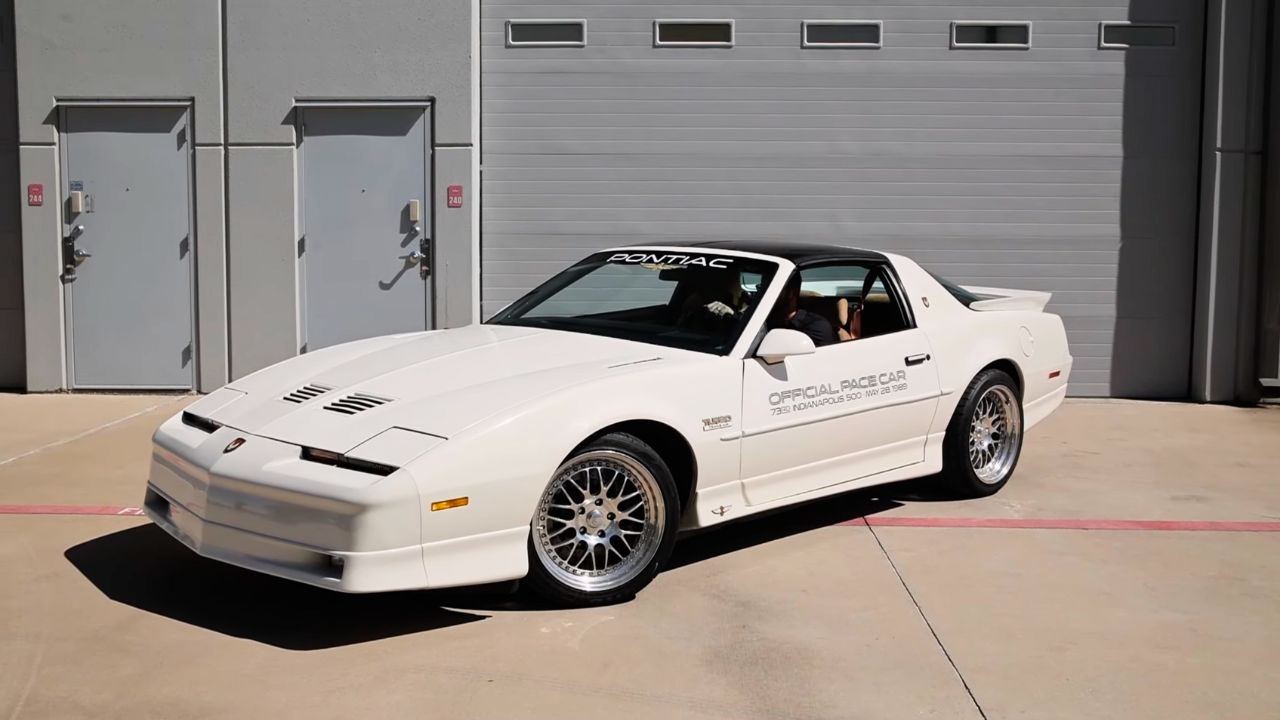
The 1989 TTA served as the official pace car for the 73rd Indianapolis 500, marking a significant milestone in its legacy. This role underscored the car’s performance credentials and brought it into the spotlight during one of America’s premier racing events.
The pace car duty also led to the production of replica models for public sale, allowing enthusiasts to own a piece of Indy 500 history. These replicas maintained the performance specifications of the actual pace car, ensuring authenticity.
Advanced Suspension and Handling
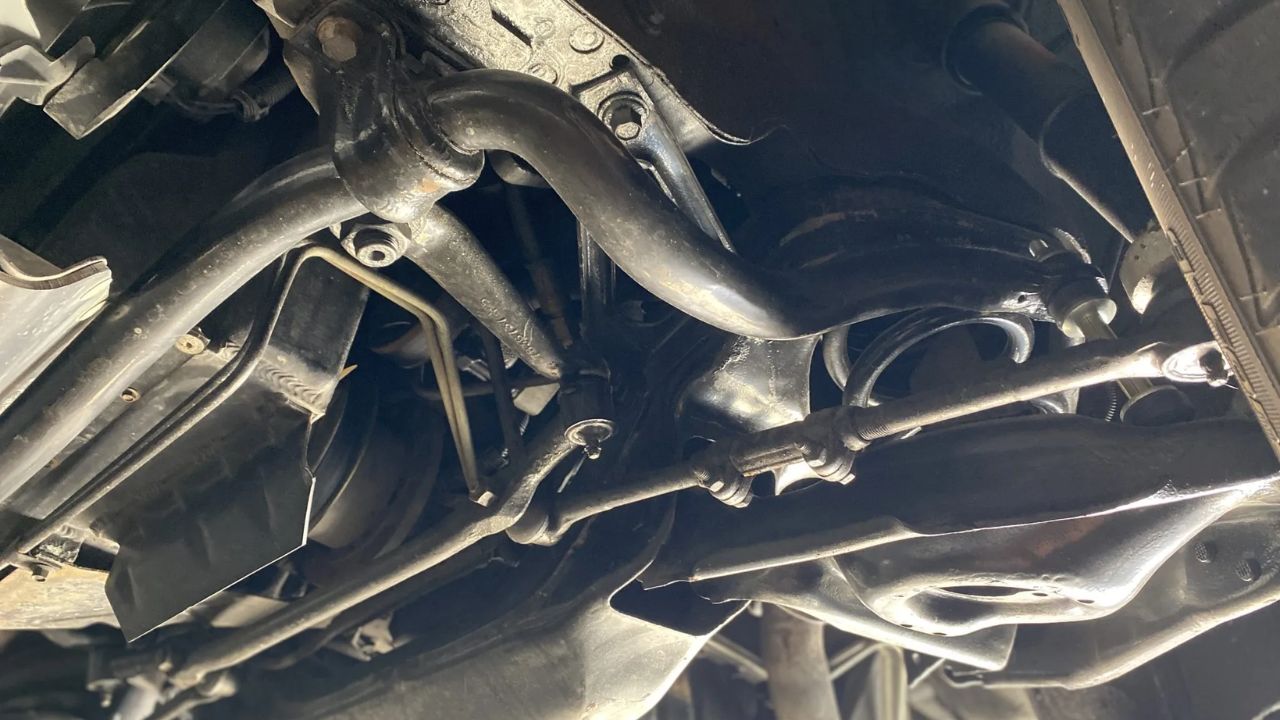
The TTA featured a performance-tuned suspension system, enhancing its handling characteristics. Upgrades included stiffer springs, revised shock absorbers, and larger sway bars, all contributing to improved cornering stability and responsiveness.
These enhancements allowed the TTA to handle curves and corners with confidence, providing a balanced driving experience that complemented its straight-line speed. The suspension setup made it suitable for both spirited driving and everyday use.
Aerodynamic Design Elements
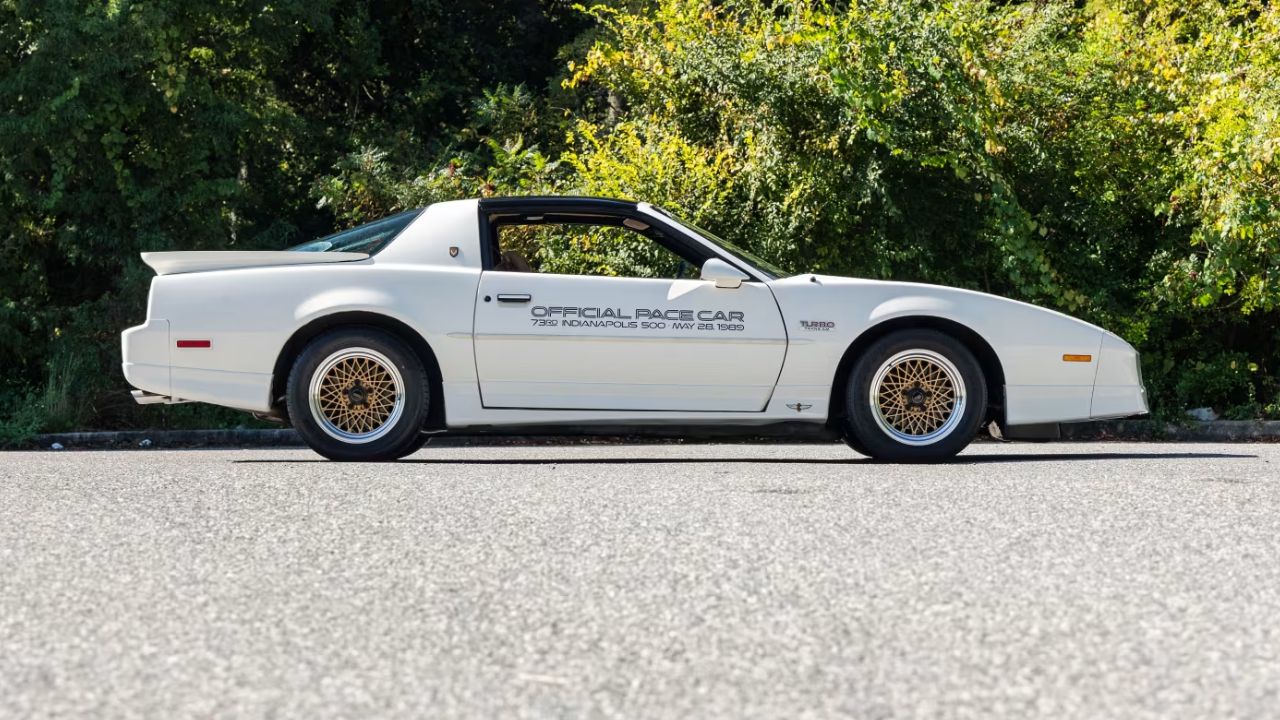
Aerodynamics played a crucial role in the TTA’s performance. The car featured a sleek body design with integrated spoilers and ground effects that reduced drag and increased downforce. These elements not only improved high-speed stability but also contributed to the car’s distinctive appearance.
The aerodynamic enhancements were functional and stylistic, reflecting the era’s emphasis on performance-oriented design. They helped the TTA achieve its impressive top speed and contributed to its overall performance package.
Interior Comfort and Features
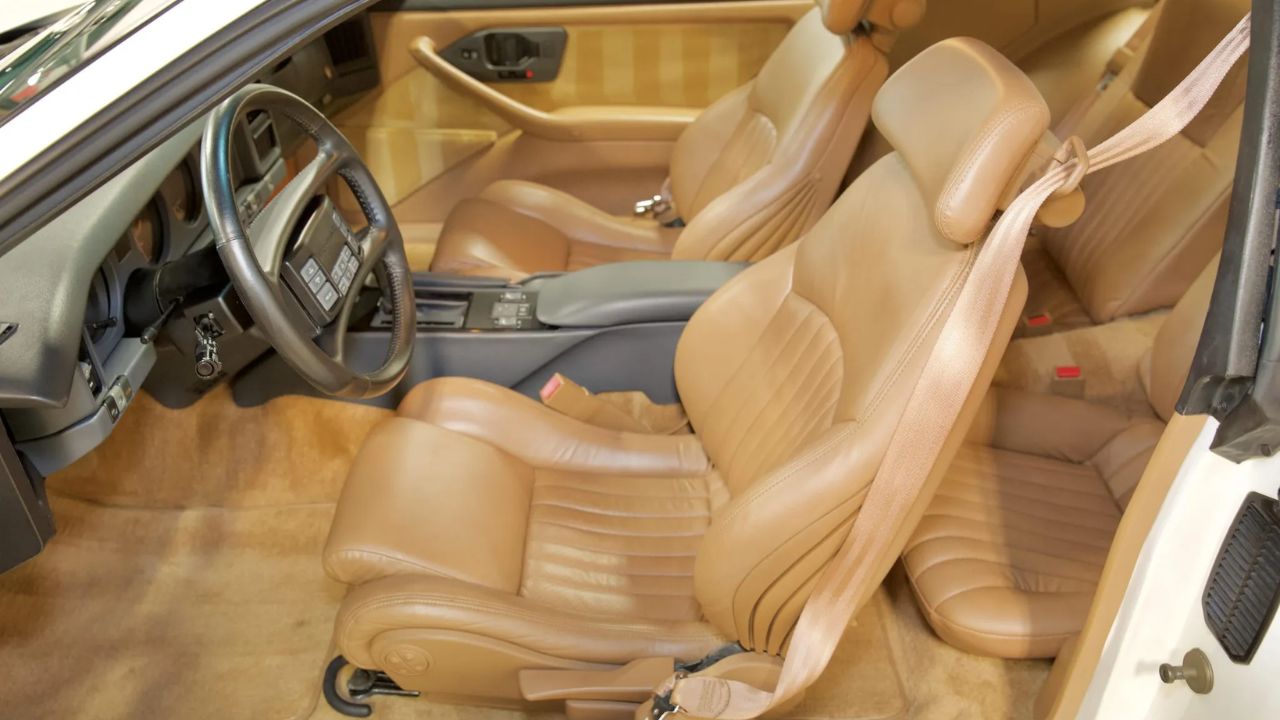
Inside, the TTA offered a driver-focused cockpit with supportive seats and a range of amenities. Features included air conditioning, a premium sound system, and power accessories, providing comfort alongside performance.
The interior design balanced functionality with style, incorporating unique badging and trim elements that highlighted its special edition status. These touches added to the car’s appeal and distinguished it from standard Trans Am models.
Collector’s Value and Legacy
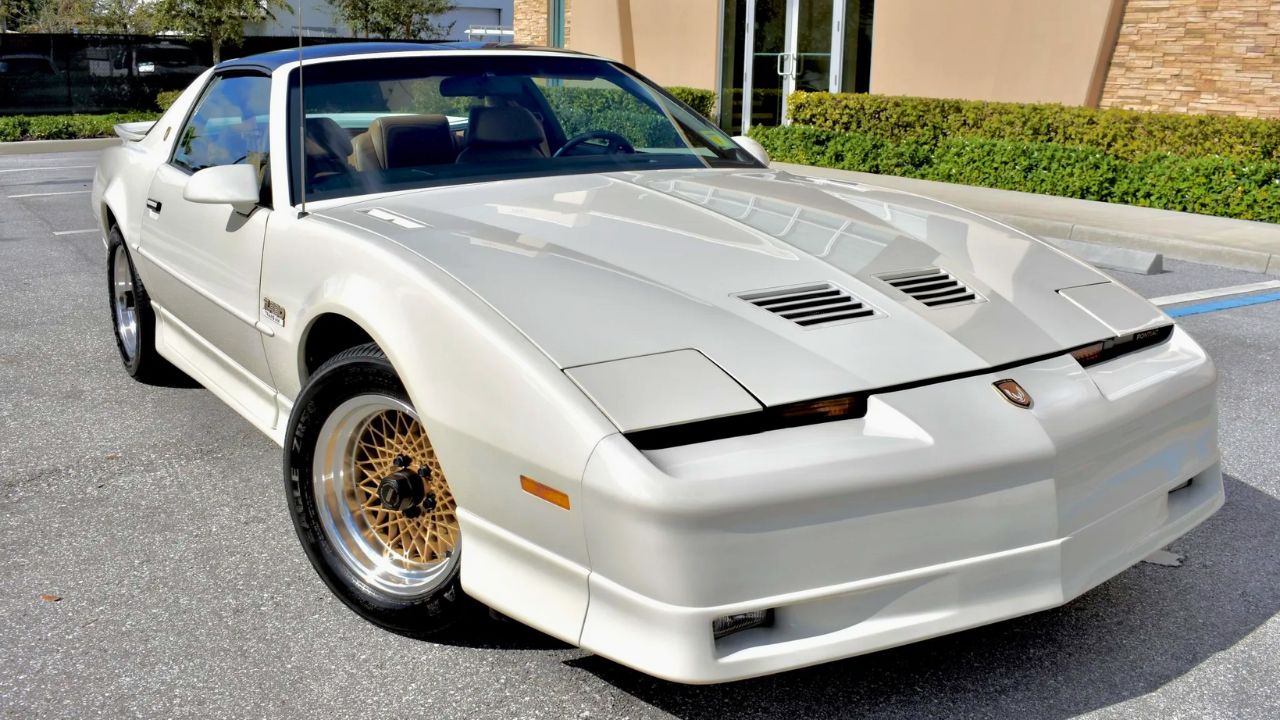
Over the years, the 1989 TTA has gained recognition as a significant model in Pontiac’s history. Its combination of limited production, performance, and Indy 500 association has solidified its status among collectors.
Values for well-maintained examples have appreciated, reflecting the car’s desirability and importance. The TTA remains a symbol of Pontiac’s engineering prowess and commitment to performance during the late 1980s.
Influence on Future Models
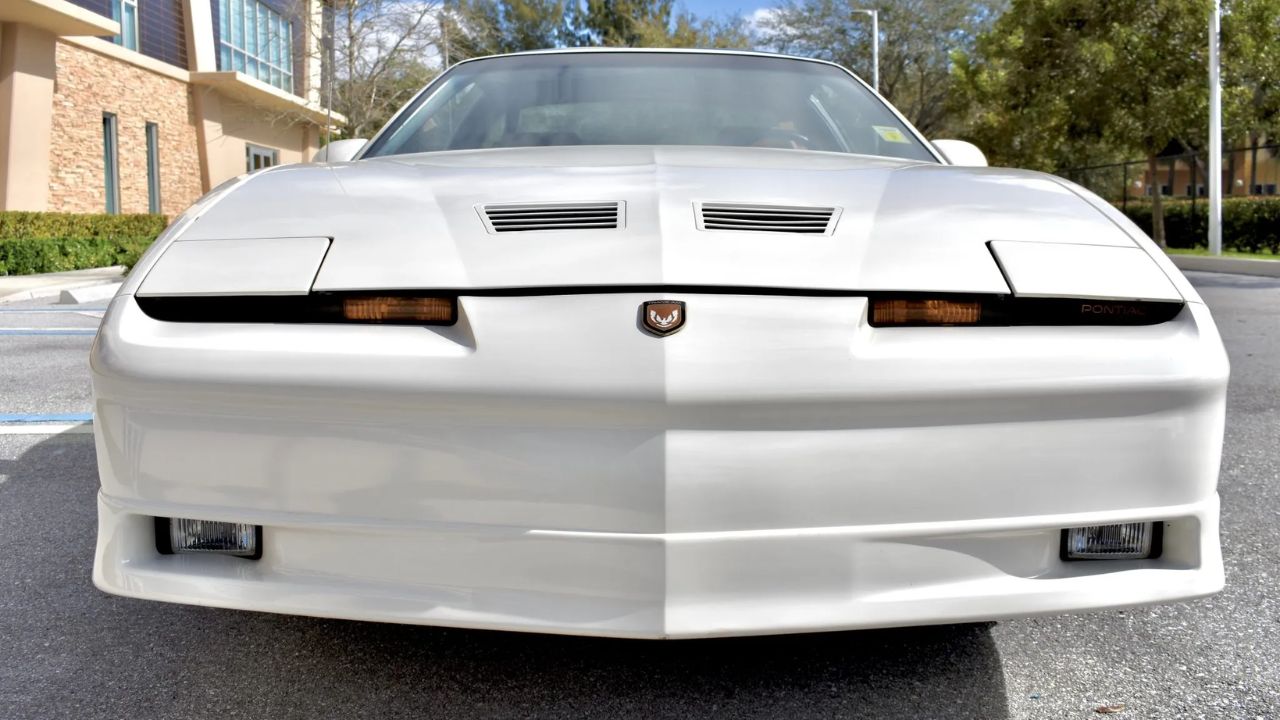
The success and acclaim of the 1989 TTA influenced subsequent Pontiac models, encouraging the brand to continue exploring high-performance variants. It demonstrated the potential of combining turbocharged engines with refined chassis dynamics.
This approach paved the way for future performance-oriented Pontiacs, contributing to the brand’s legacy in the muscle car segment. The TTA’s impact extended beyond its production run, leaving a lasting impression on automotive enthusiasts.
Enduring Enthusiast Community
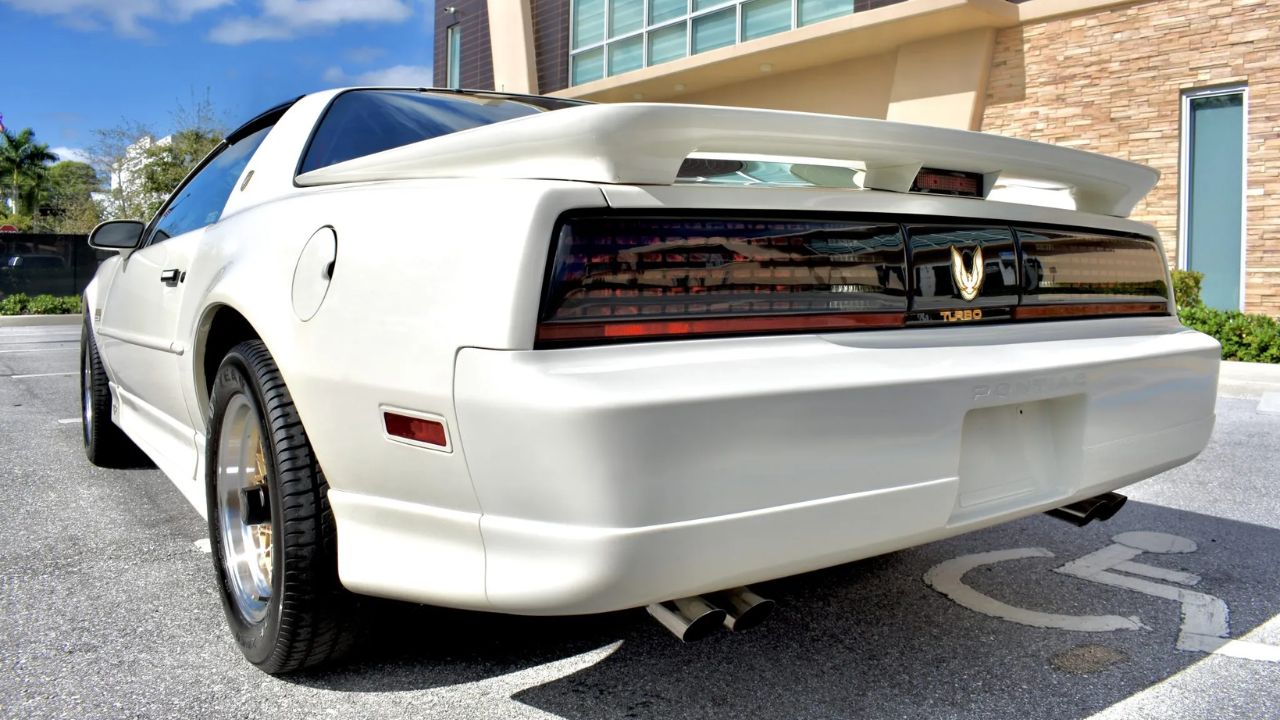
The TTA has fostered a dedicated community of enthusiasts who celebrate its unique attributes. Owners and fans often gather at car shows, forums, and events to share their appreciation for this iconic model.
This community helps preserve the TTA’s legacy, ensuring that its history and significance are remembered and honored. The continued interest and passion for the TTA highlight its enduring appeal and place in automotive history.
*Created with AI assistance and editor review.





Leave a Reply