
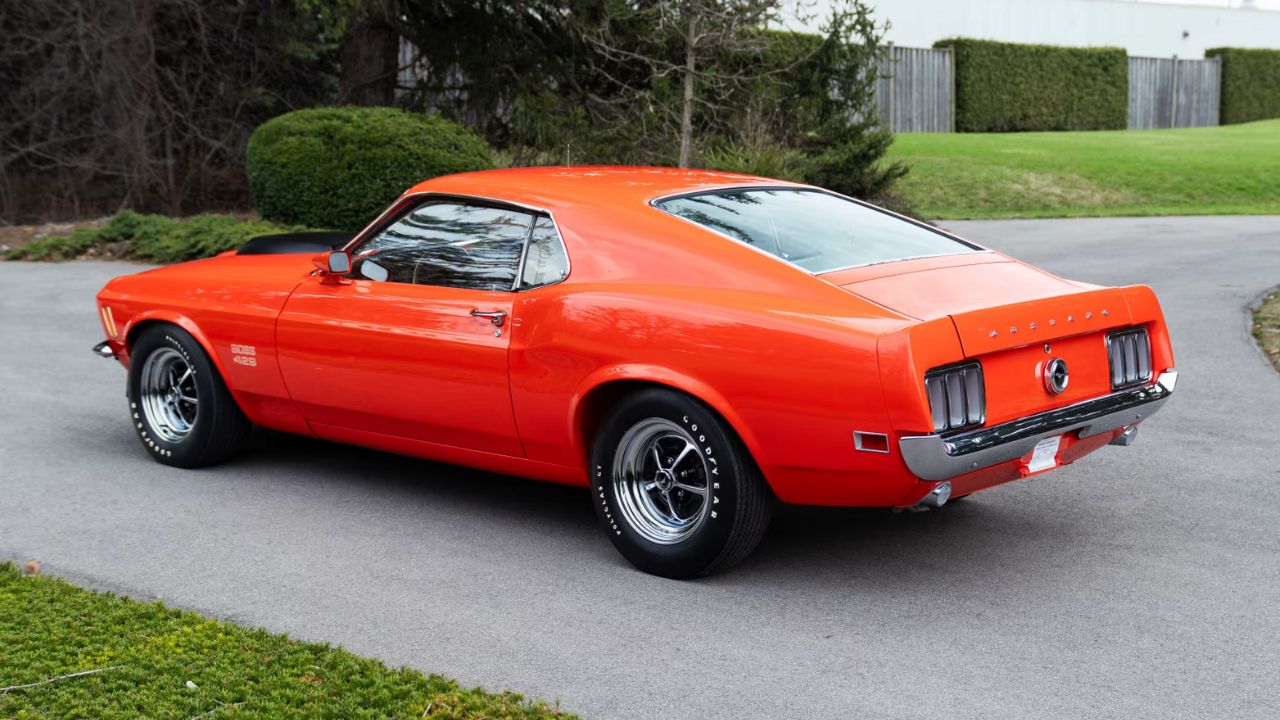
The Boss 429 Mustang was never meant to be practical—and that’s exactly what makes it unforgettable. Built in limited numbers to homologate a monstrous engine for NASCAR, this street-legal brute was more race car than road car. Ford didn’t just wedge a big-block into a Mustang and call it a day; they rewrote the blueprint. And then, just as fast as it arrived, it was gone—banned from the track, outpaced by regulation, and sealed into legend.
That legend just got a fresh reminder. A rare 1970 Boss 429, finished in Calypso Coral with a white interior—one of just five known to exist in that spec—crossed the block at Mecum’s Indy auction. It hammered for serious money, drawing new attention to one of the most purpose-built machines Ford ever slipped past the public. Here’s how the Boss 429 came to exist, why it disappeared, and what still makes it such a big deal today.
Built for NASCAR, Not the Street
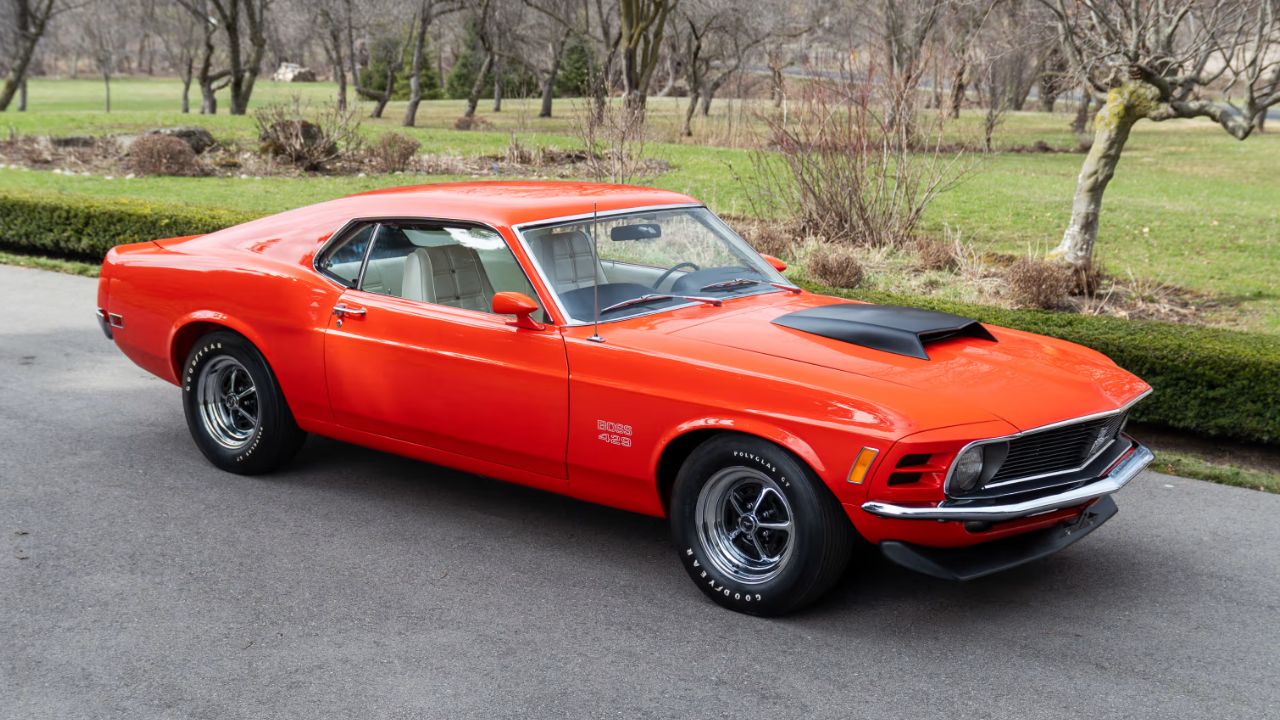
The Boss 429 wasn’t created to tear up Main Street—it was built for NASCAR. Ford needed a high-displacement engine to challenge Mopar’s 426 HEMI on superspeedways, and NASCAR’s rules required manufacturers to offer a version of that engine in a production car.
So Ford stuffed the 429 into the Mustang to meet homologation rules. But this wasn’t a natural fit. The engine had more to do with Daytona and Talladega than drag strips or suburban cruising. Its real job was to qualify the powerplant for race duty—not to win show trophies.
The Engine Barely Fit

The 429 engine was so big it didn’t actually fit in a standard Mustang. Ford had to subcontract Kar Kraft in Michigan to modify the cars. They widened the shock towers, reworked the suspension mounts, and reshaped the inner fenders just to make space.
These weren’t minor tweaks. The alterations were so extensive that the cars received special NASCAR-issued KK numbers on the driver’s door. This wasn’t a drop-in swap—it was a full-on reengineering job just to make the Mustang swallow its new heart.
Ford Rated It at 375 HP—But That Was a Lie
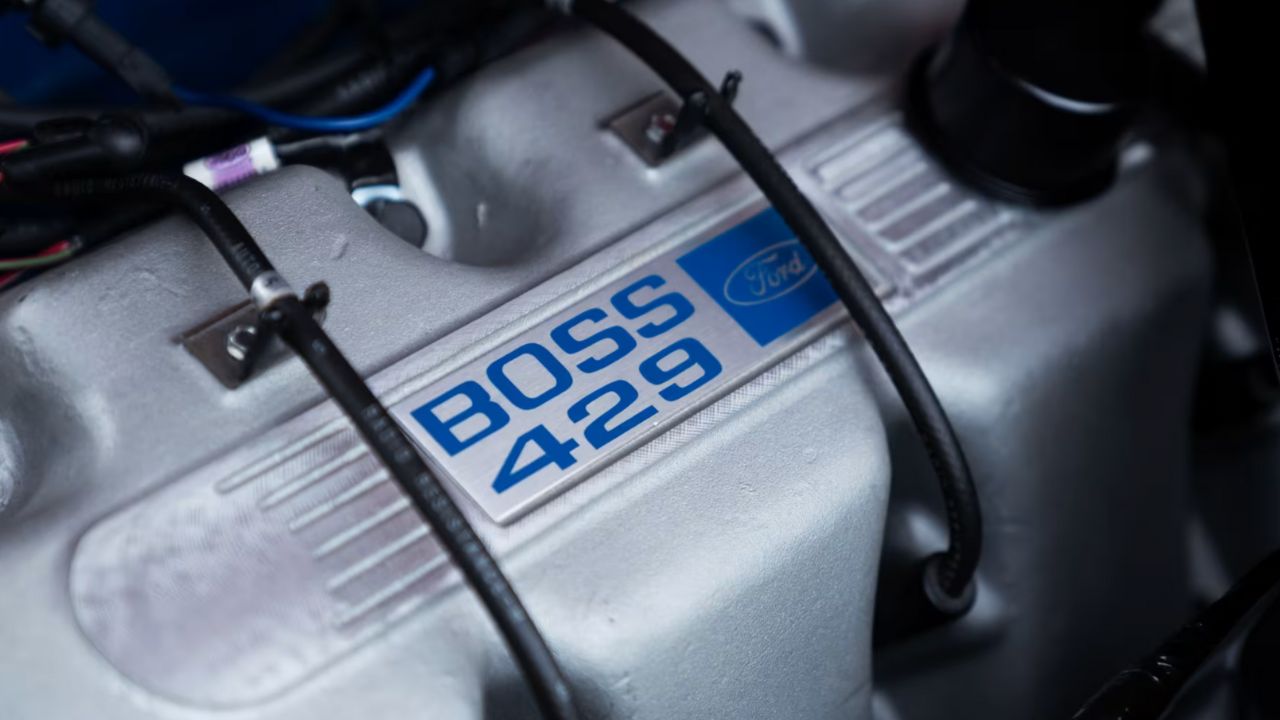
Officially, the Boss 429 was rated at 375 horsepower. But that number was more insurance-friendly than accurate. Most believe it was putting down north of 500 hp, especially with its aluminum heads, high-compression pistons, and 735 CFM Holley carb.
Torque figures were also conservative, listed at 450 lb-ft, but dyno pulls often proved there was more in reserve. It had no trouble spinning the big Goodyears from a roll. The Boss 9 wasn’t for show—it was a straight-line monster disguised as a limited-edition coupe.
Only 1,358 Were Ever Built
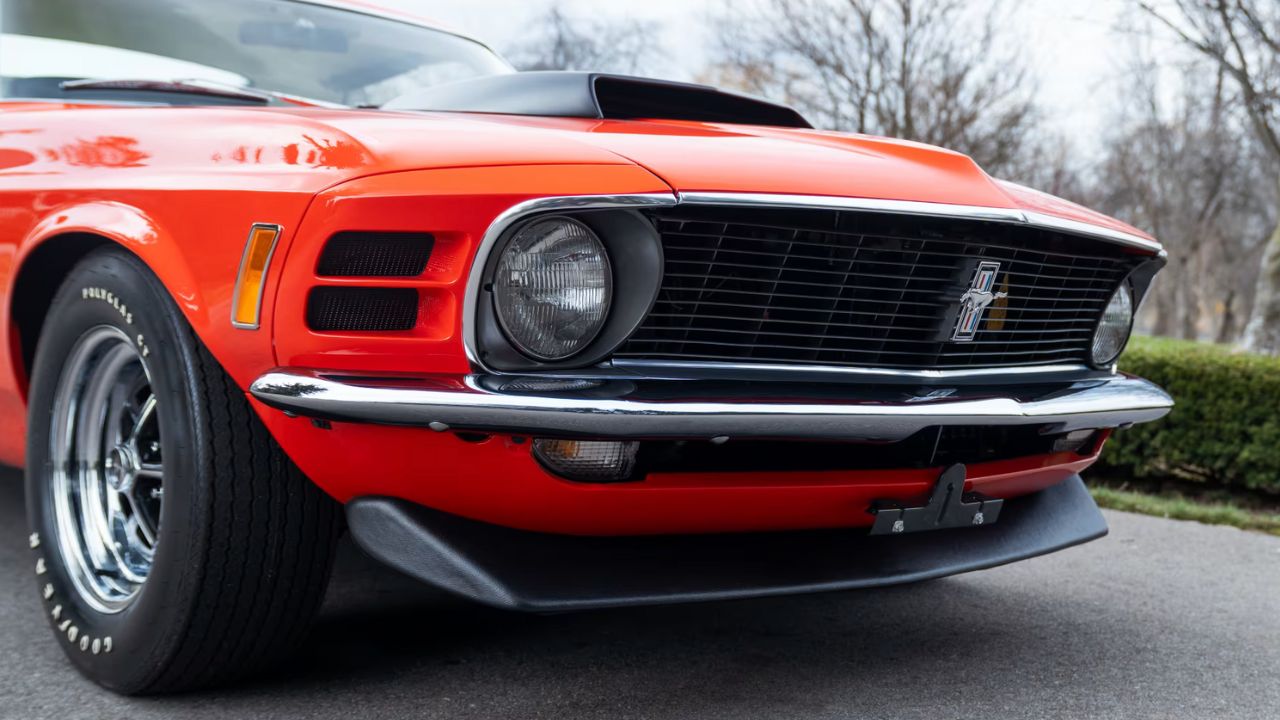
In total, Ford only produced 1,358 Boss 429s—859 in 1969 and 499 in 1970. That’s a tiny number, especially for something as legendary as this. Every car went through Kar Kraft, not the usual Ford production line, making each one a custom-built bruiser.
This low production run wasn’t due to lack of interest—it was a byproduct of Ford building just enough to get the engine approved for racing. That makes the Boss 429 more race-legal loophole than sales strategy, which is exactly why collectors chase them today.
Crescent Combustion Heads with HEMI DNA
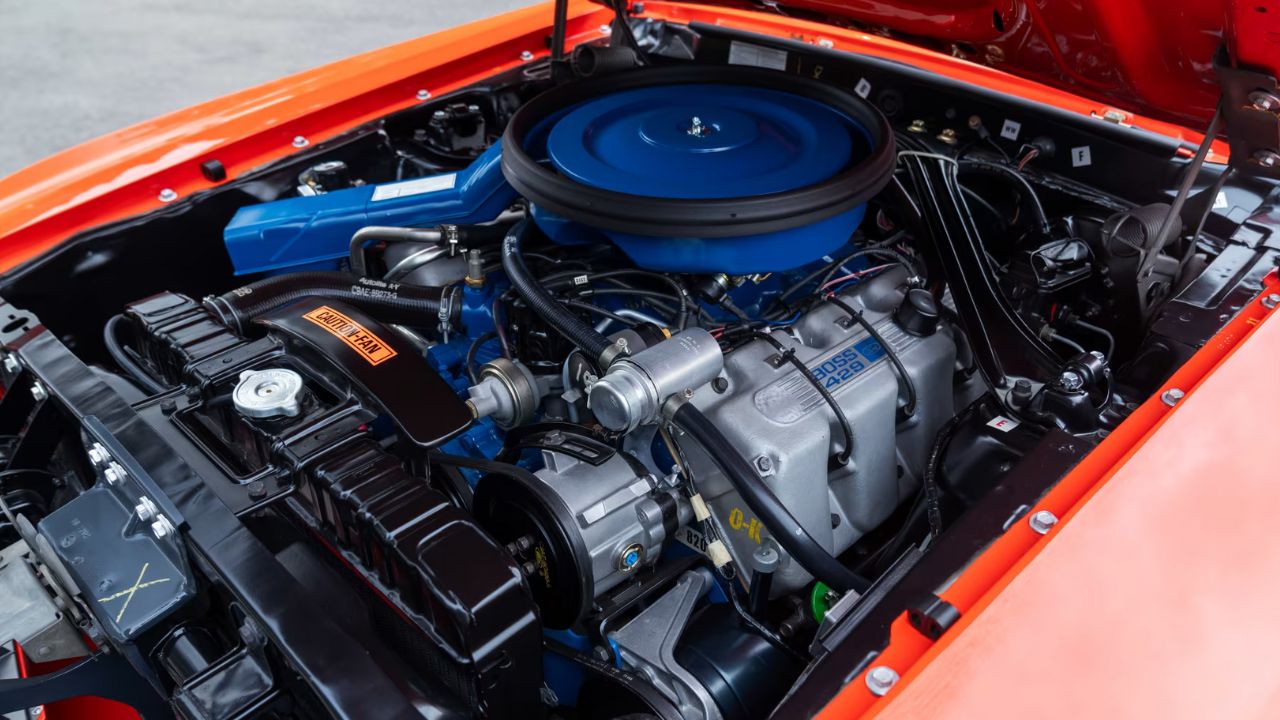
Ford didn’t copy Mopar’s HEMI, but it wasn’t far off. The Boss 429 featured aluminum heads with what they called a “crescent” combustion chamber. The shape resembled the HEMI’s hemispherical design, giving it similar flow and performance benefits.
The cylinder heads were massive and designed for high RPM and big airflow. Ford’s engineering goal wasn’t streetability—it was building a top-end screamer that could run all day at 7,000 rpm in NASCAR trim. The design worked, but it also made the engine expensive and hard to produce.
All Were 4-Speeds with Drag Pack Gear
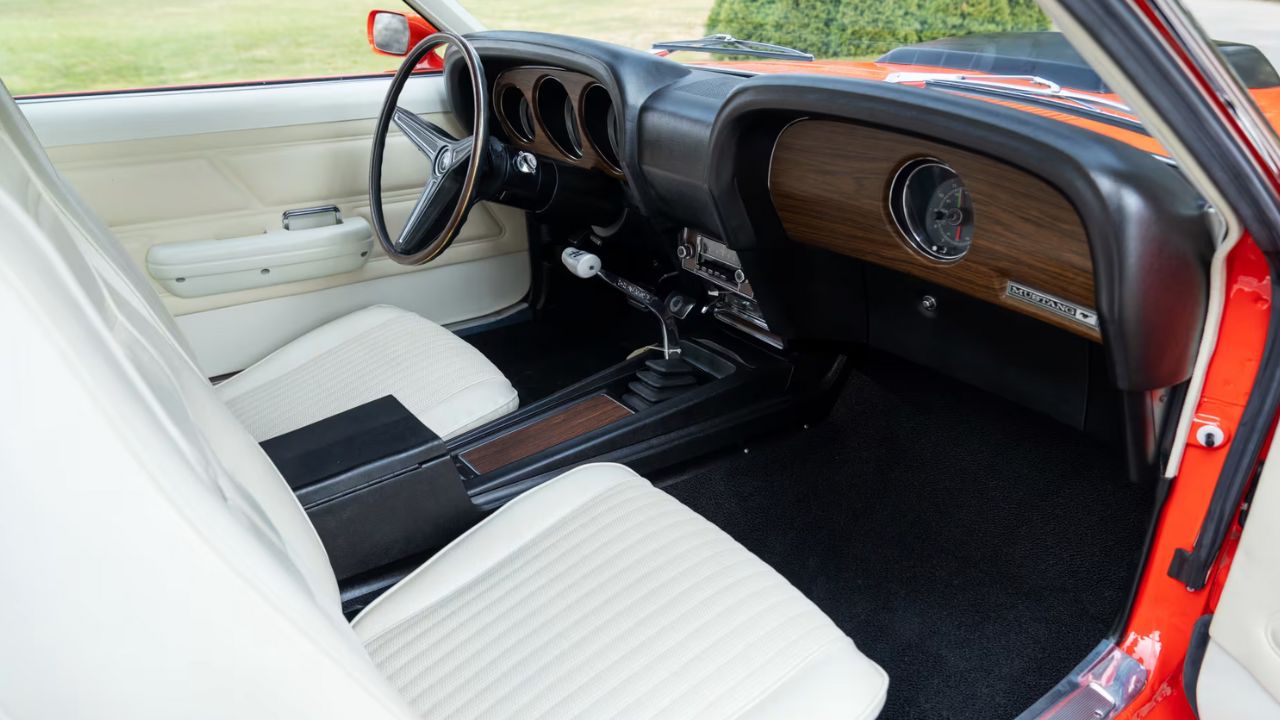
Every Boss 429 came with a close-ratio 4-speed manual transmission topped with a Hurst shifter. Ford didn’t bother with an automatic option—it was a purist’s car from the start. A Traction-Lok rear end with 3.91 gears and a Drag Pack setup came standard.
The driveline was overbuilt to handle serious punishment. It wasn’t refined or forgiving, but it could rip through gears with authority. Paired with Competition Suspension and power front disc brakes, the Boss 429 was ready for quarter-mile sprints or high-speed pulls.
Painted Loud—But Identified Quietly
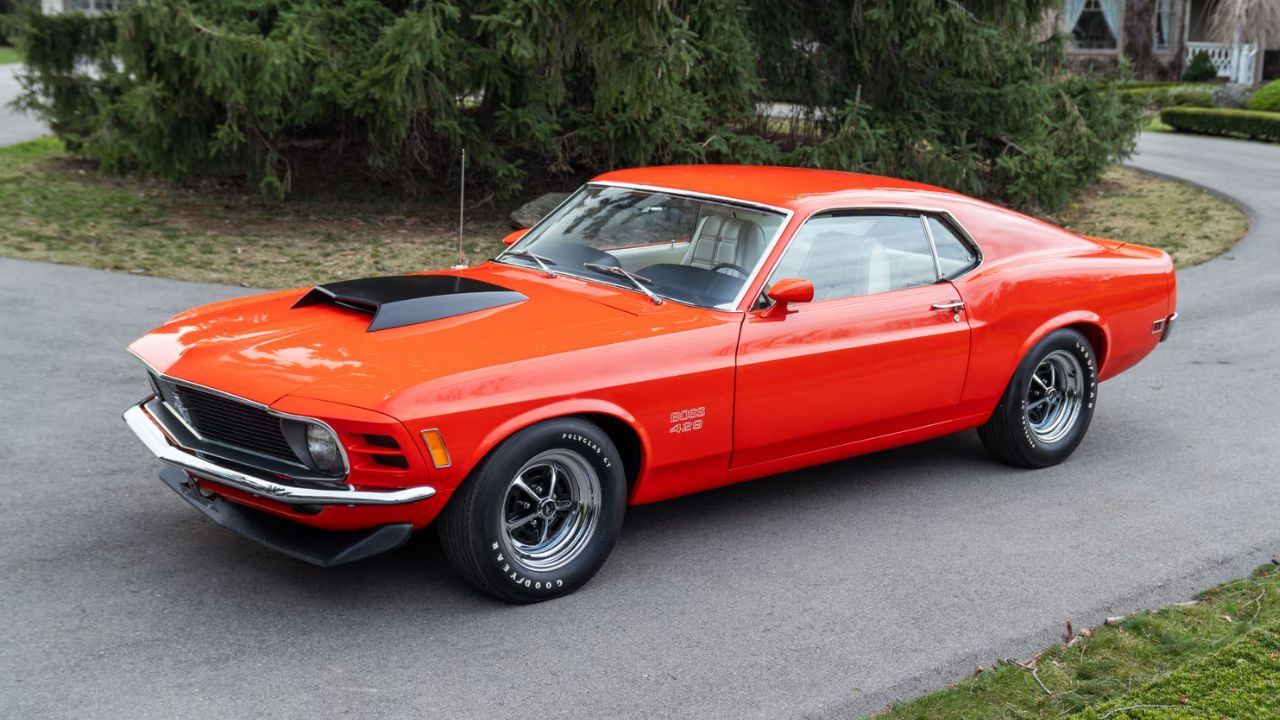
Despite its performance, the Boss 429 didn’t scream for attention. It wore subtle decals and rode on chrome Magnum 500 wheels. The loudest part was the color palette—Ford offered it in shades like Grabber Blue and Calypso Coral, including just 13 in Calypso Coral with a white bucket interior.
That rare combination—especially with matching numbers and documentation—is gold among collectors. Only five are known to still exist with that color setup, making it one of the hardest Boss variants to find, let alone own in original condition.
It Got Banned Because It Worked Too Well
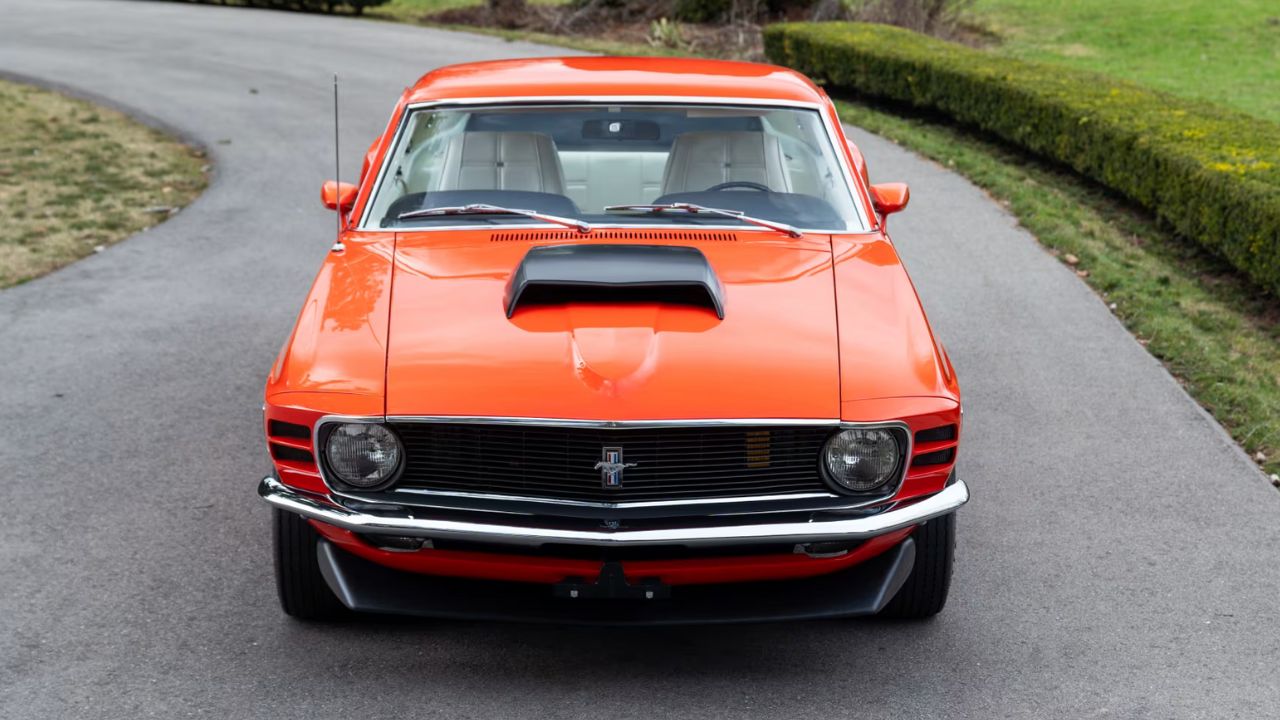
The whole reason the Boss 429 exists is the same reason it disappeared. NASCAR realized manufacturers were building wild homologation specials just to skirt the rules. Cars like the Charger Daytona, Superbird, and Boss 429 had become engineering loopholes on wheels.
By 1971, NASCAR clamped down. Rules changed, engine size limits were reduced, and factory-backed aero monsters were phased out. The Boss 429 lost its reason to exist, and with emissions regulations looming, it was scrapped after just two model years.
Built by Kar Kraft, Not Ford
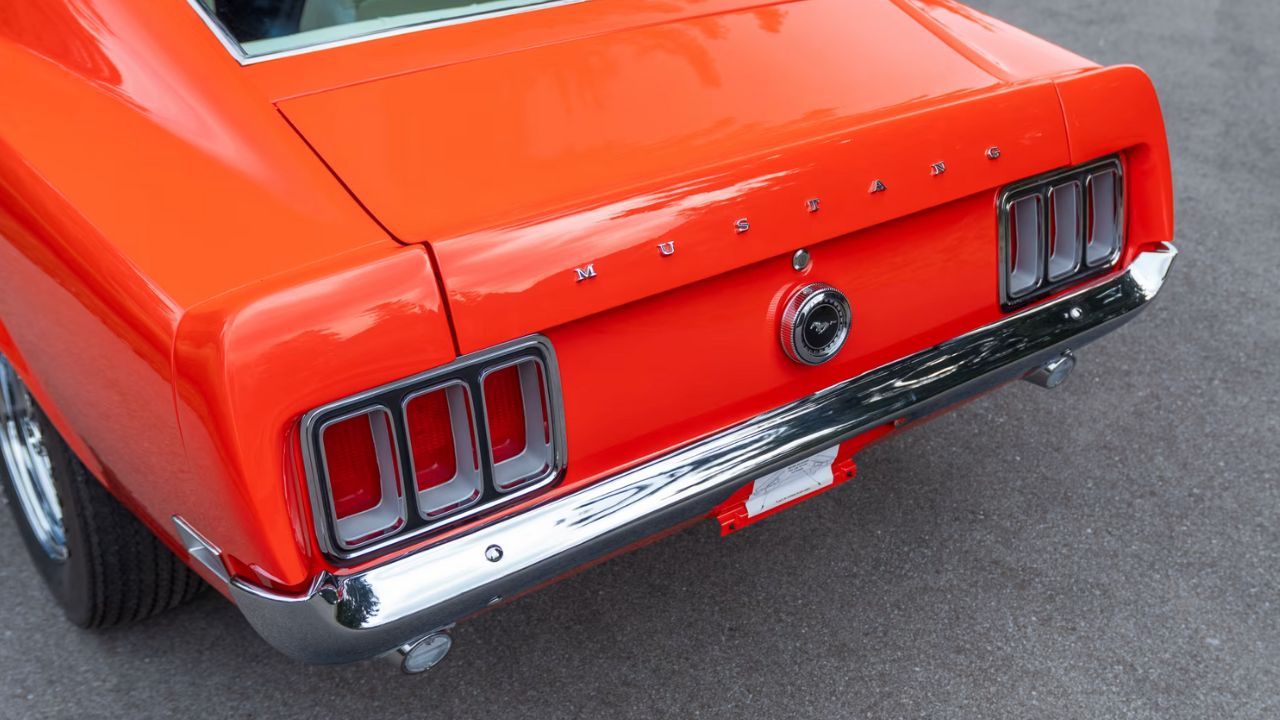
Every Boss 429 was built at Kar Kraft’s facility in Brighton, Michigan. These weren’t assembled alongside Fairlanes or Mustangs on a factory line. Kar Kraft had been doing Ford’s racing builds, and they were trusted with this high-stakes project.
Each car was modified by hand, fitted with the big-block, reinforced chassis components, and finished with race-intended hardware. The result was more of a purpose-built machine than a production car—one that carried more race shop DNA than showroom polish.
Today, It’s Muscle Car Royalty
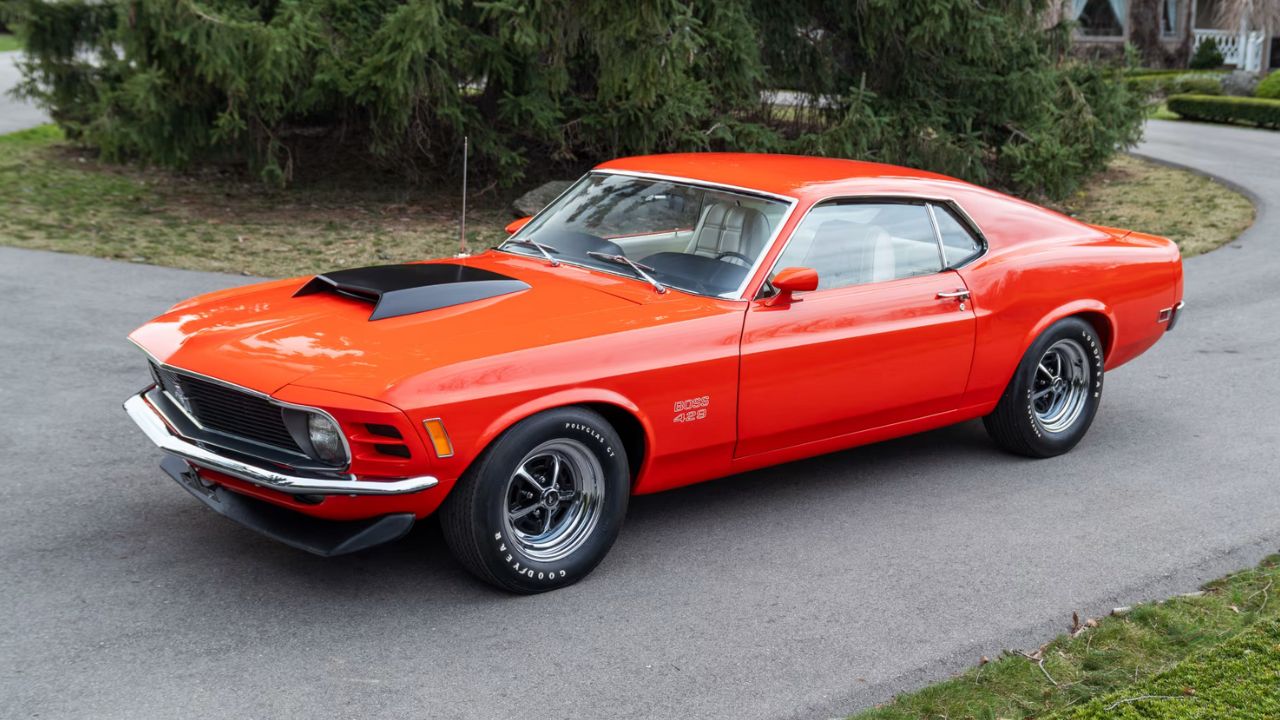
With its brief production run, racing pedigree, and aggressive performance, the Boss 429 has become one of the most valuable muscle cars ever made. Prices regularly clear six figures—especially for rare colors, original drivetrains, or documented survivors.
And while many icons from the era were built in the tens of thousands, the Boss 429 kept its numbers low and its mission focused. It wasn’t built to last—it was built to win. And that’s exactly why it still gets talked about more than 50 years later.

Leave a Reply