
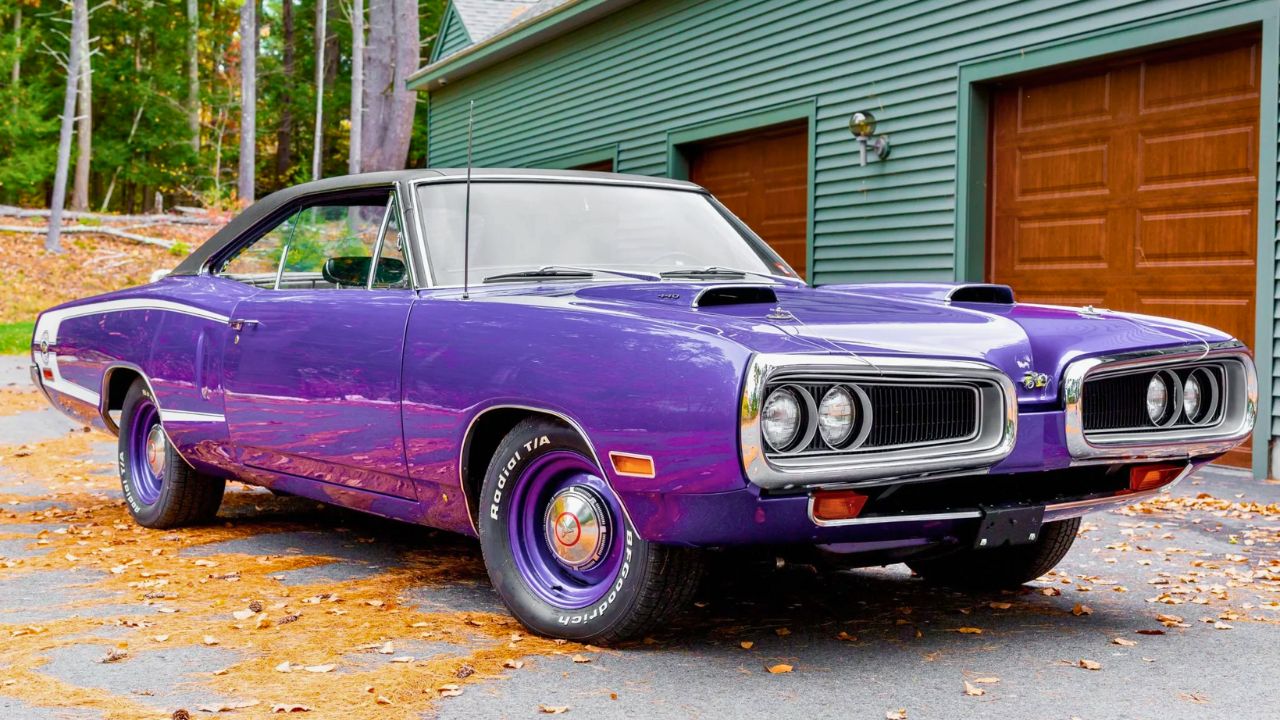
Some muscle cars made headlines. Others made history. And then there were the ones that did both—only to disappear without a trace. Built, Raced, Erased isn’t just about forgotten models. It’s about the machines that had the power, the engineering, and sometimes even the trophies—but for one reason or another, they got left behind.
These weren’t flukes or half-baked efforts. Some were fast enough to scare the competition, others came from respected names, and a few had all the right numbers on paper. But they never got the spotlight. Here’s a look at 10 muscle cars that roared briefly, then vanished.
1969 AMC Hurst SC/Rambler
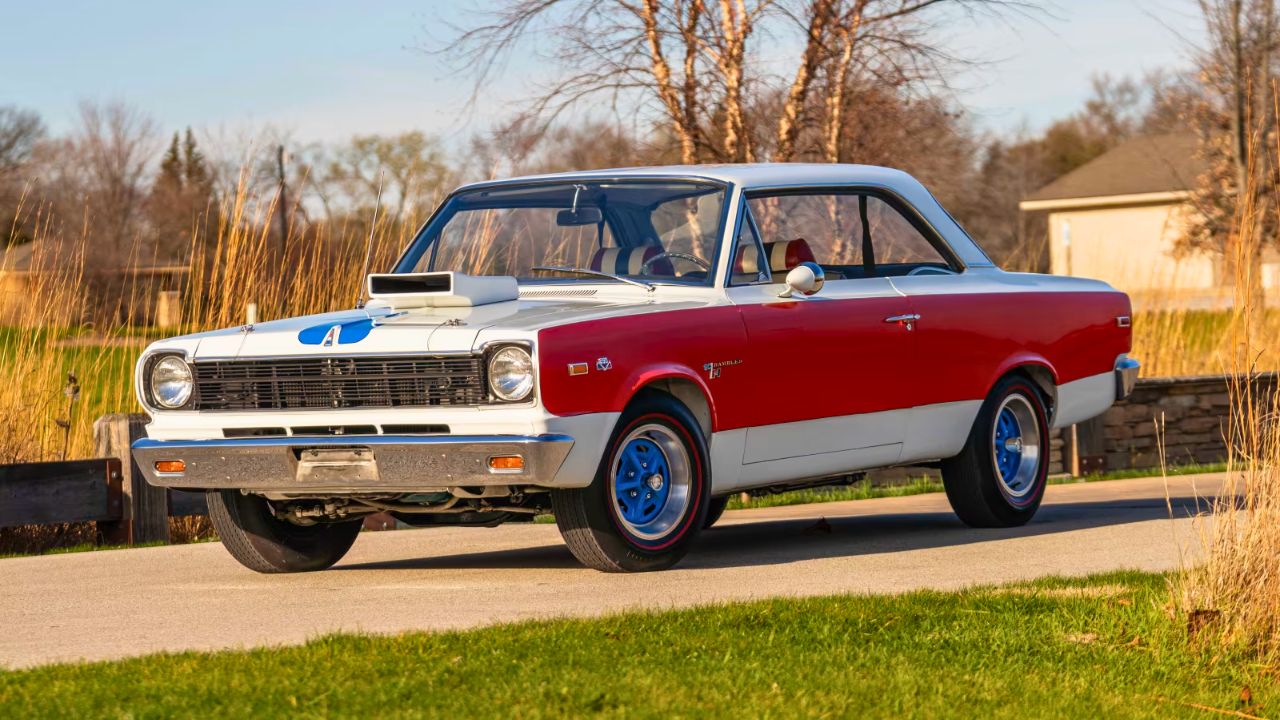
AMC had a habit of punching above its weight, and the 1969 Hurst SC/Rambler was the clearest example. Built in partnership with Hurst Performance, the SC/Rambler packed a 390-cubic-inch V8 pushing 315 hp and 425 lb-ft of torque into a lightweight Rambler Rogue chassis. It came only with a 4-speed manual and 3.54 gears.
Only 1,512 were made, mostly in a wild red, white, and blue paint scheme. The car was loud, brash, and surprisingly quick. It was built for the strip but didn’t have the dealer support or broad appeal to survive past its one-year run. Today, it’s rarely mentioned outside niche muscle car circles.
1970 Ford Falcon 429 Cobra Jet
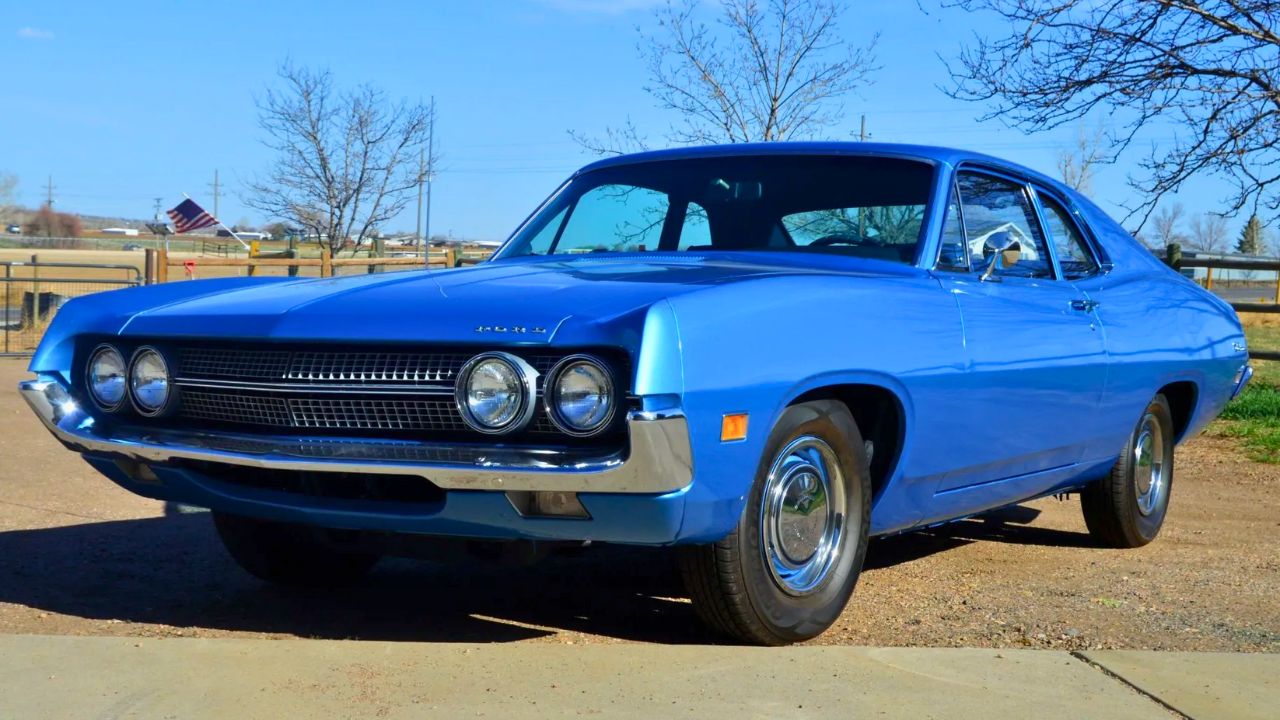
The Falcon name faded in the late ’60s, but for 1970, Ford briefly revived it with a 429 Cobra Jet under the hood—only for fleet and government buyers. That means most people never even knew it existed. The 429 CJ made 370 hp and 450 lb-ft of torque in a mid-size shell that was lighter than the Torino.
It wasn’t advertised, and it didn’t carry any performance badging. The Falcon 429 CJ was built to meet emissions loopholes and quietly vanished after just one year. Most ended up stripped or crushed, leaving almost no survivors in the wild today.
1971 Pontiac GT-37
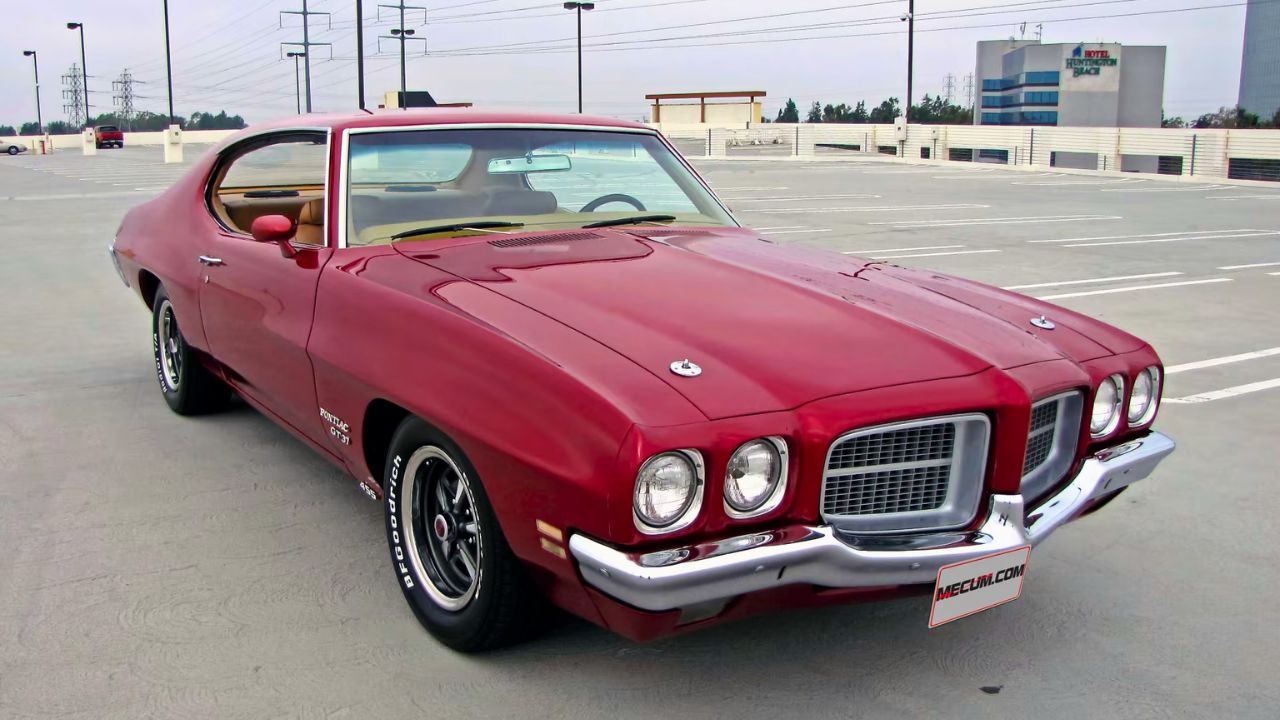
Pontiac needed a budget-friendly muscle car under the GTO to keep sales moving in the early ’70s. Enter the GT-37, which looked like a plain-Jane LeMans but could be ordered with a 400 or 455 V8. The top 455 HO version made 335 hp and 480 lb-ft—serious numbers for a sleeper.
It was available only in 1970 and 1971, and even fewer came with the high-output engine. Because it lacked the iconic GTO branding, most buyers overlooked it. It was dropped without much fanfare, making surviving GT-37s incredibly rare and often misidentified at car shows.
1970 Dodge Coronet Super Bee Six-Pack
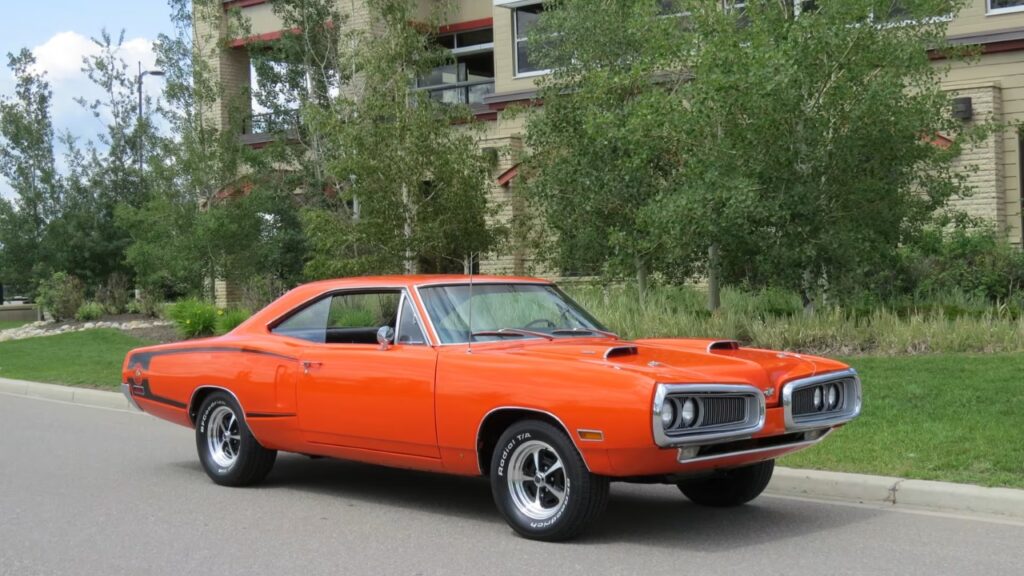
The 1970 Super Bee wasn’t just loud graphics and muscle-era bravado—it came with real heat under the hood. Dodge’s 440 Six-Pack engine meant business: three two-barrel carbs feeding a big-block V8 that pushed out 390 horsepower and serious torque. It didn’t mess around at stoplights, and you could feel it in your chest when you cracked the throttle.
What made it stand out even more was that it was built for go, not just show. It was raw, mechanical, and felt unfiltered. In a time when cars were starting to flirt with refinement, the Six-Pack Bee stayed mean.
1966 Oldsmobile Jetstar
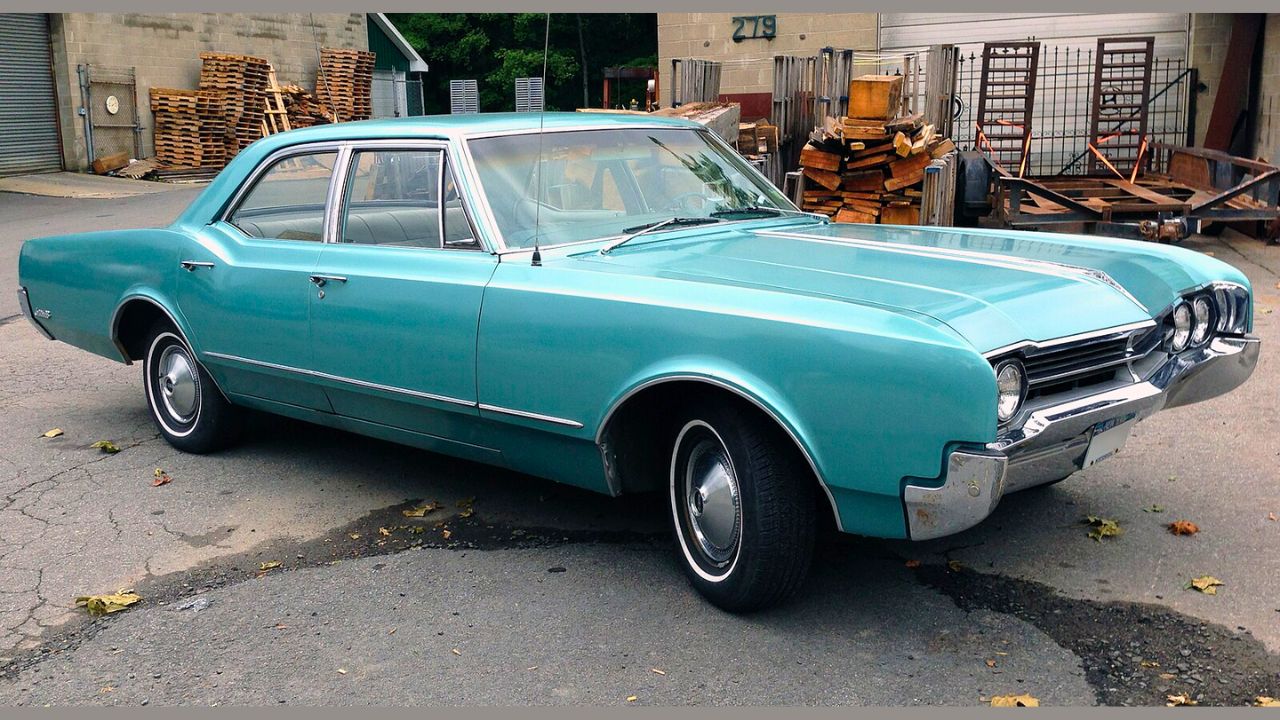
Oldsmobile launched the Jetstar I to slot below the Starfire but keep the performance high. It came with a 425-cubic-inch V8 making 370 hp and 470 lb-ft of torque—more than respectable for 1966. It was even lighter than a 442, but GM never properly marketed it.
Only about 3,000 were built before Olds pulled the plug, mostly because it was priced too close to the better-known 442. The Jetstar I vanished without much attention, even though it was one of the fastest full-size Oldsmobiles you could get in the ’60s.
1974 Pontiac GTO (X-body)
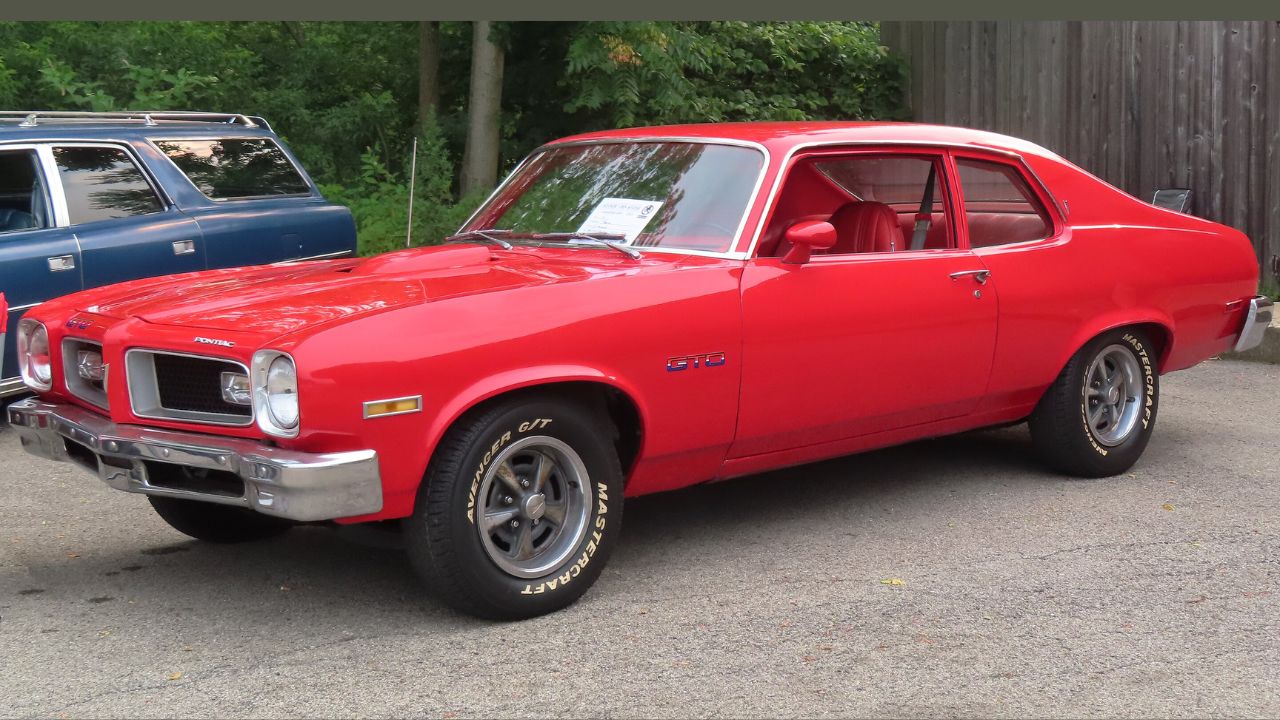
The GTO name had already been slipping by the time it landed on the compact Ventura body in 1974. Gone were the big blocks and aggressive styling—it now looked more like a Nova than a muscle car. It came with a 350-cubic-inch V8 making 200 hp, paired with a 3-speed manual or optional TH350 auto.
It wasn’t slow for the time, but the timing was terrible. Gas prices were spiking, and insurance premiums were climbing fast. Pontiac killed it after one year, and this final GTO chapter is often skipped in favor of its ’60s glory years.
1964 Mercury Comet Cyclone

Before the Cyclone became a NASCAR star, it was a sleeper with sharp edges. The 1964 Comet Cyclone packed a 289 V8 pushing 210 hp, with optional performance upgrades available for those in the know. It came with rally gauges, bucket seats, and a tighter suspension setup.
Despite its style and solid engineering, the Cyclone got overshadowed by bigger names like the Fairlane and Chevelle. It never got the marketing push it deserved and was often passed over by younger buyers. Later models gained more power, but this early version quietly faded after doing its job on the track.
1970 Buick GS 455 Stage 1 Convertible
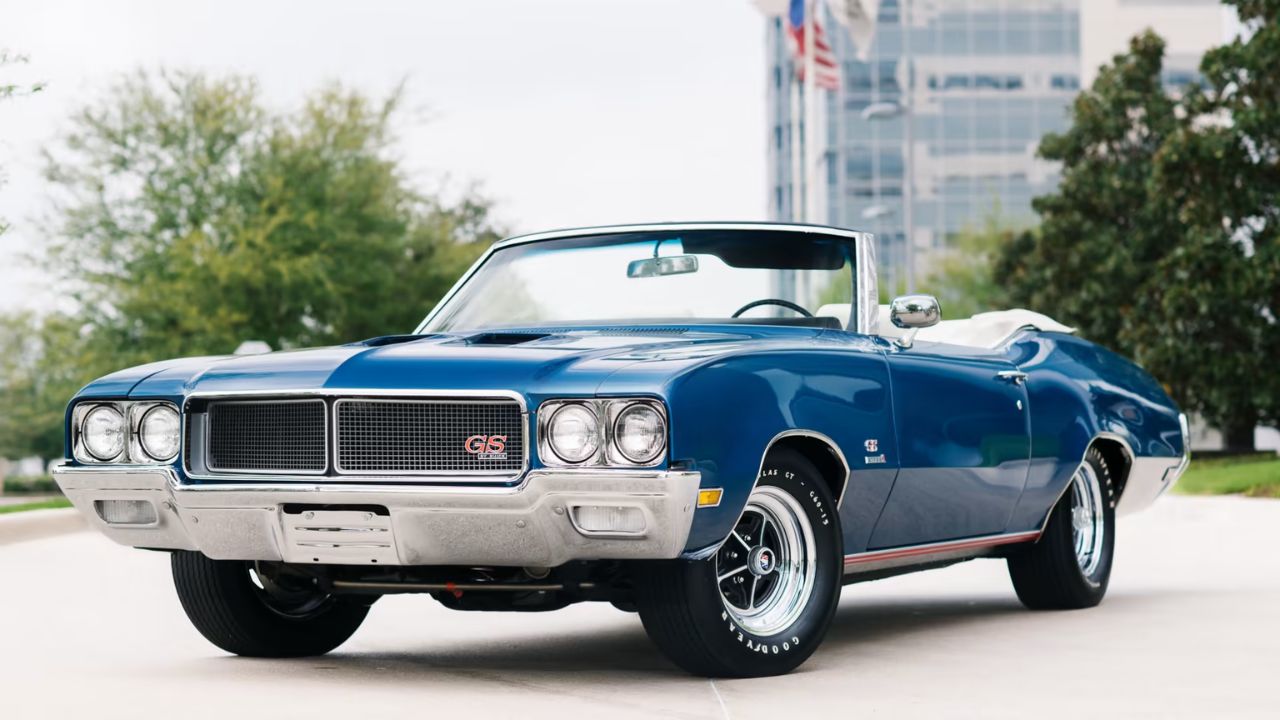
Buick didn’t get enough credit for its muscle efforts, and the GS 455 Stage 1 was one of the most underrated. With 360 hp and a brutal 510 lb-ft of torque, it could outrun many HEMI cars. Only 232 convertibles were made that year, making it one of the rarest high-torque monsters out there.
The Stage 1’s reputation was built on real performance, not gimmicks, but Buick’s luxury image worked against it. Buyers didn’t expect that kind of punch from a brand with portholes. The car never saw a true comeback and is often forgotten in performance car history.
1971 Plymouth Road Runner HEMI
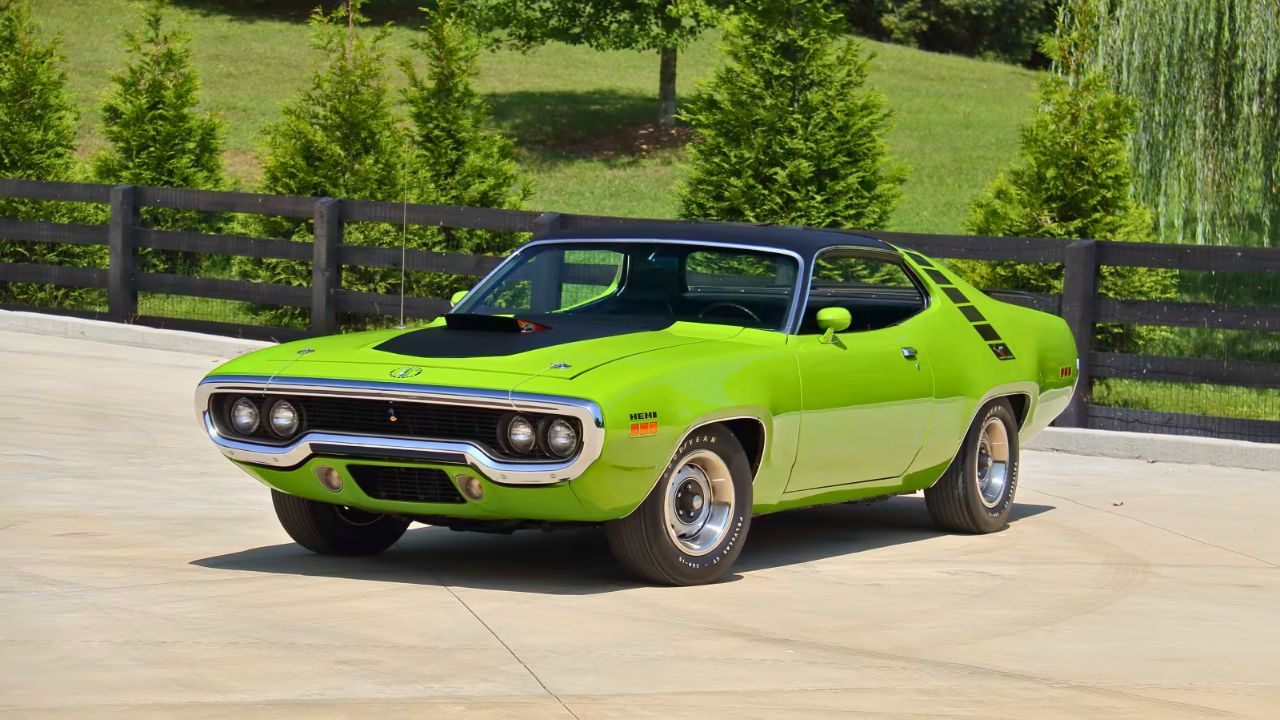
By 1971, Plymouth was still hanging onto the HEMI, but the writing was on the wall. The redesigned Road Runner had a more rounded look, and while the 426 HEMI was still available, emissions equipment and rising insurance rates took the wind out of its sails.
Only 55 HEMI Road Runners were built in 1971, making them unicorns today. The model was discontinued after that year, marking the end of Plymouth’s factory HEMI program. It’s a perfect example of a muscle car that was built for speed but erased by the tide of regulation and shifting market demand.
1970 Chevrolet Monte Carlo SS 454
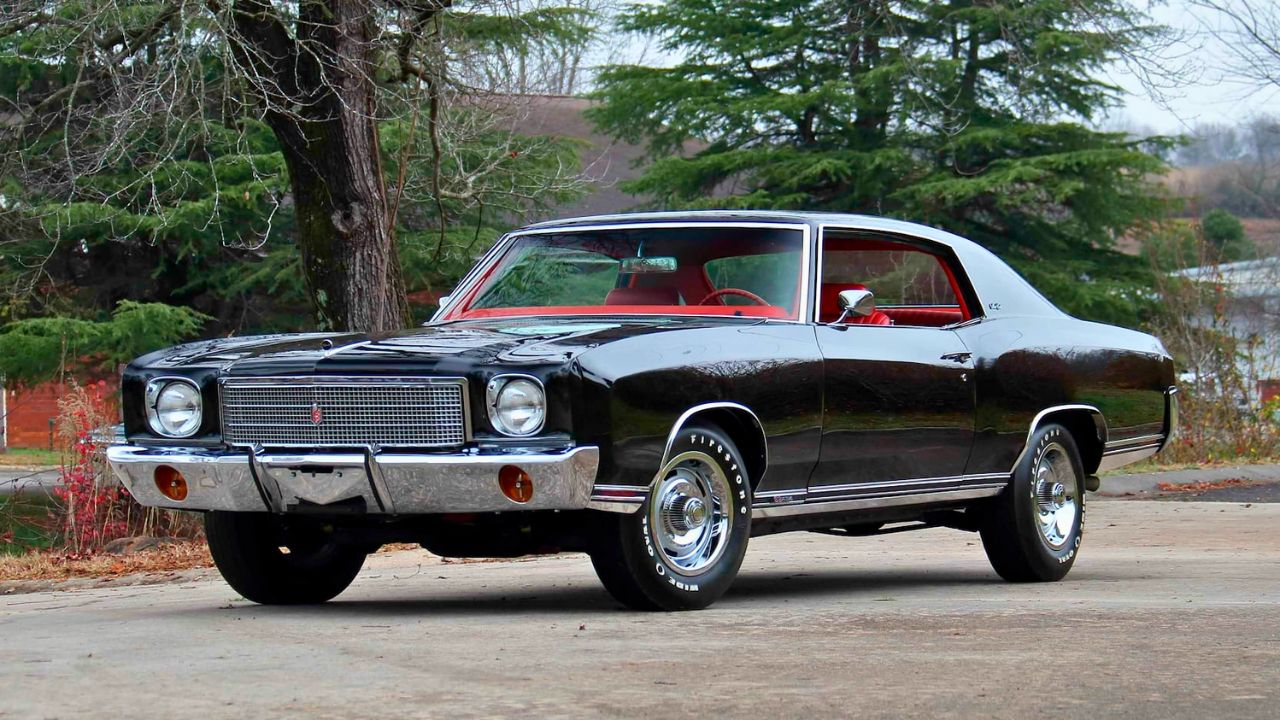
Chevy’s Monte Carlo SS 454 was never intended to be a drag strip regular, but with a 454 LS5 making 360 hp and 500 lb-ft of torque, it had all the tools. It was marketed as a “gentleman’s muscle car,” but few took the bait, and it quietly disappeared after 1971.
The SS 454 option was expensive, and most Monte buyers were more interested in vinyl roofs than tire smoke. As a result, it never built the following of the Chevelle SS or Camaro Z28. Today, it’s one of those cars that makes you stop and wonder what could’ve been.
Like what you read? Here’s more by us:
*Created with AI assistance and editor review.

Leave a Reply