
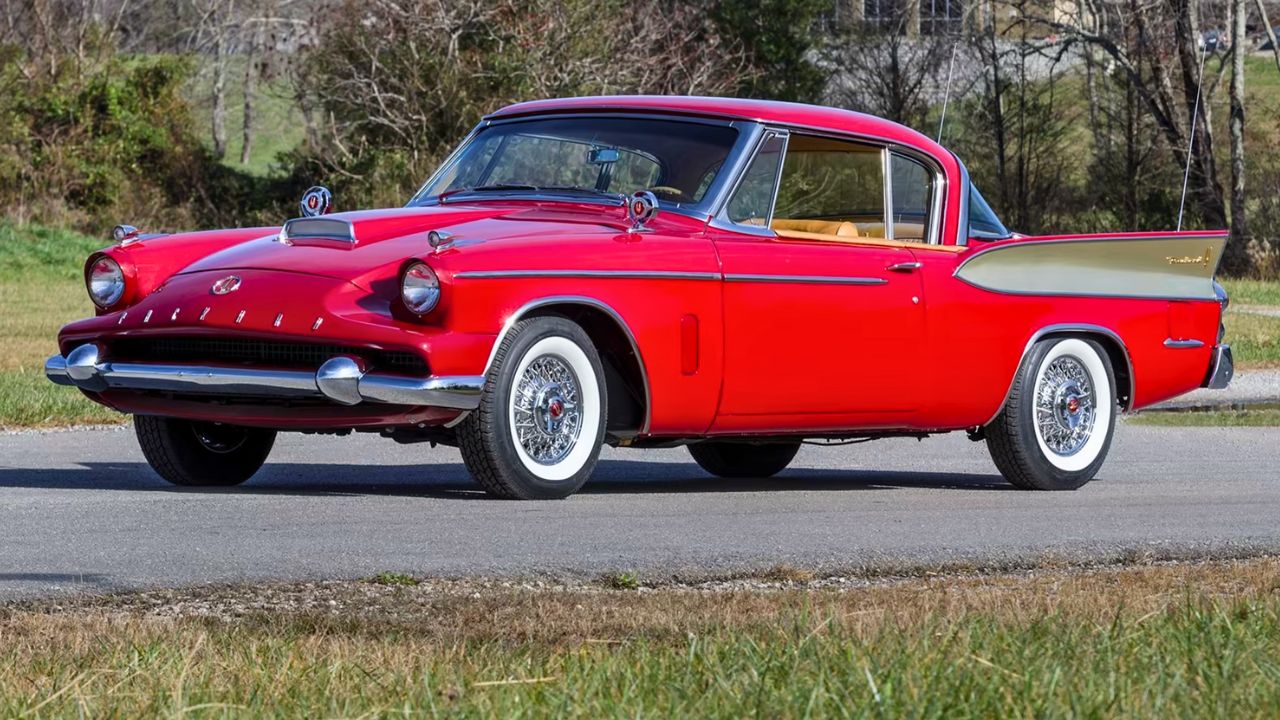
The Packard Hawk was never meant to blend in. It showed up in 1958 with a supercharged V8, a nose that looked like it came off an Italian GT, and just enough swagger to make people do a double take. It was Packard’s final attempt to stay relevant—a last shot at performance luxury during a time when the brand was already slipping off the map.
Even today, the Hawk turns heads not because it was a hit, but because it was different. Strange, fast, rare, and misunderstood—it’s everything a forgotten classic needs to earn a second look.
The Polarizing, Low-Slung Nose
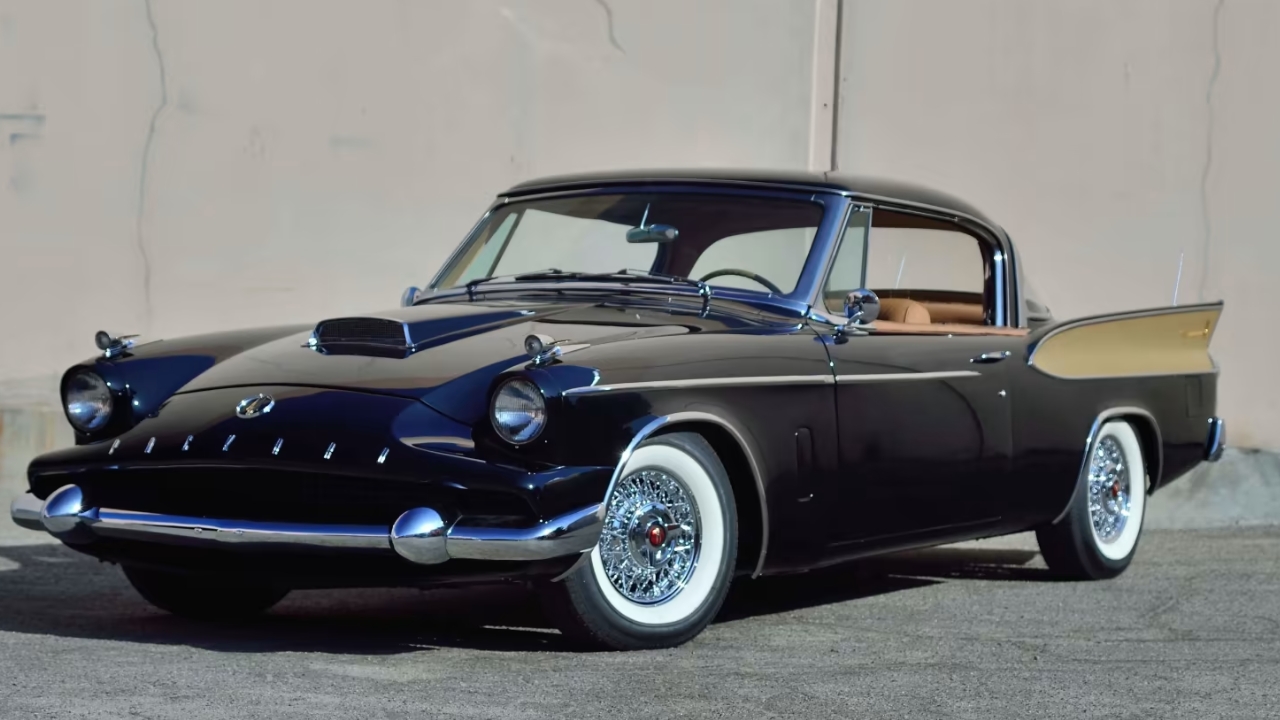
Let’s be honest—the front end of the Packard Hawk is either something you appreciate or something you can’t unsee. The fiberglass nose was longer and lower than the standard Golden Hawk, giving it a European flair that was unusual for an American car in 1958.
The wraparound grille and almost predatory snout looked more Italian than Midwestern. Designed by Duncan McRae, it split opinions then and still does today—but that’s part of what makes it memorable. You don’t confuse a Packard Hawk with anything else on the road.
That Supercharged V8 Surprise
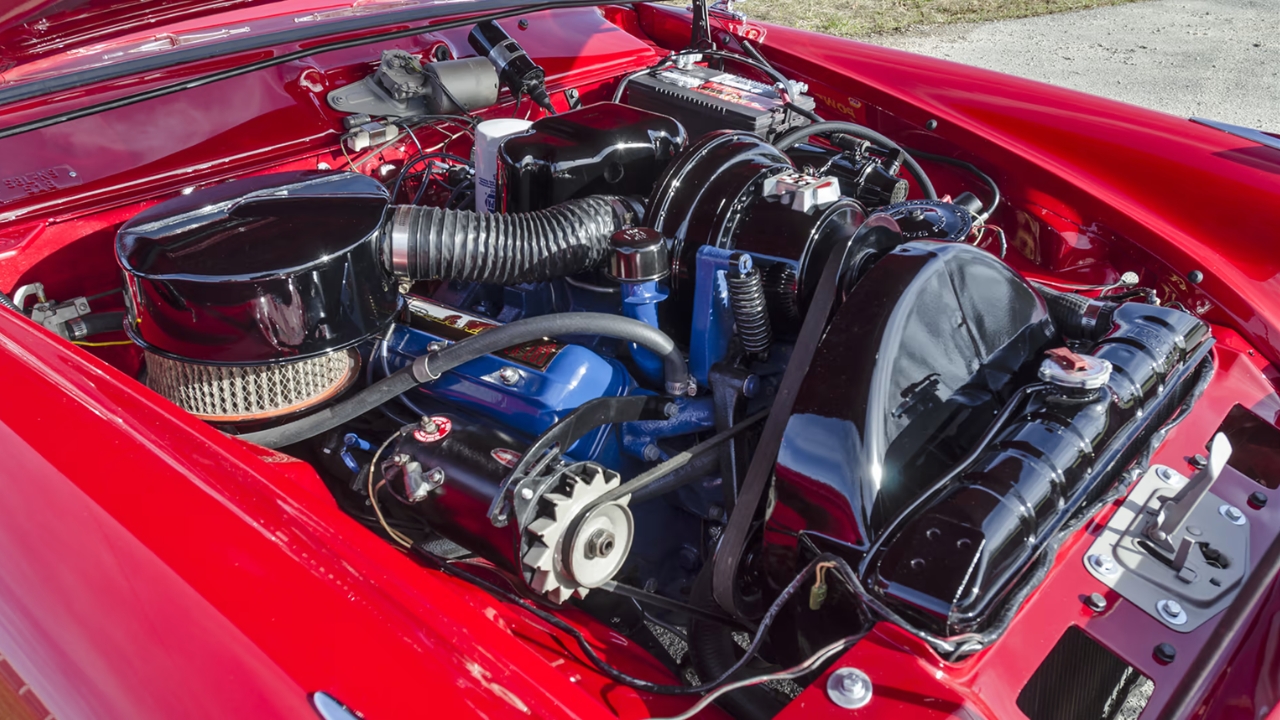
Under its sloping fiberglass nose sat a McCulloch-supercharged 289-cubic-inch V8 borrowed from the Studebaker Golden Hawk. It made 275 horsepower and 333 lb-ft of torque—serious numbers for 1958, especially from a Packard. This was the last car to carry the Packard name, and it wasn’t just for show.
With 0–60 times under 10 seconds, the Hawk could keep up with Corvette and Thunderbird rivals of the day. It wasn’t a muscle car in name, but it sure drove like one. The performance still surprises anyone expecting a soft, fading luxury cruiser.
Only 588 Were Ever Made
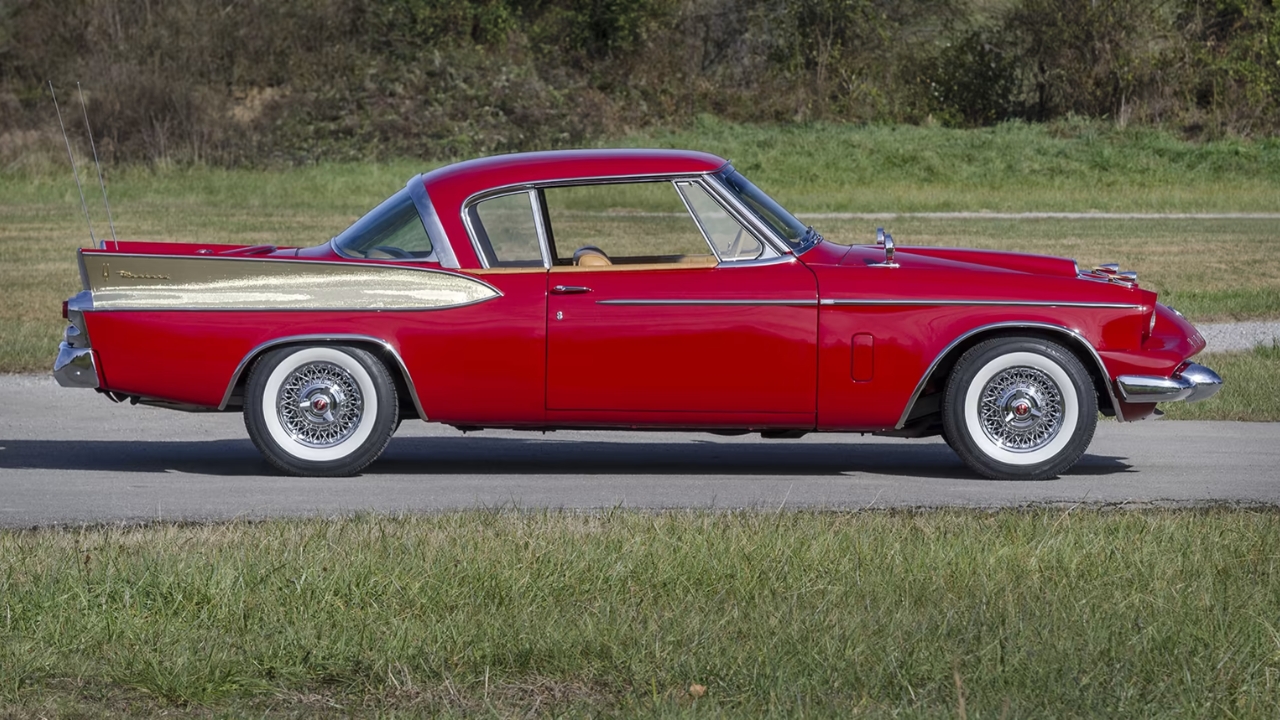
Exclusivity has a way of making people pay attention. Packard was already circling the drain by 1958, so production of the Hawk was extremely limited. Just 588 units were built, making it rarer than most Ferraris from the same era.
That low number wasn’t intentional—it was more of a last gasp than a calculated move. But scarcity gives the car a presence today. Spotting one at a show isn’t just rare—it’s downright odd. That alone keeps the Hawk alive in collector conversations and Packard fan circles.
Shared DNA with the Golden Hawk
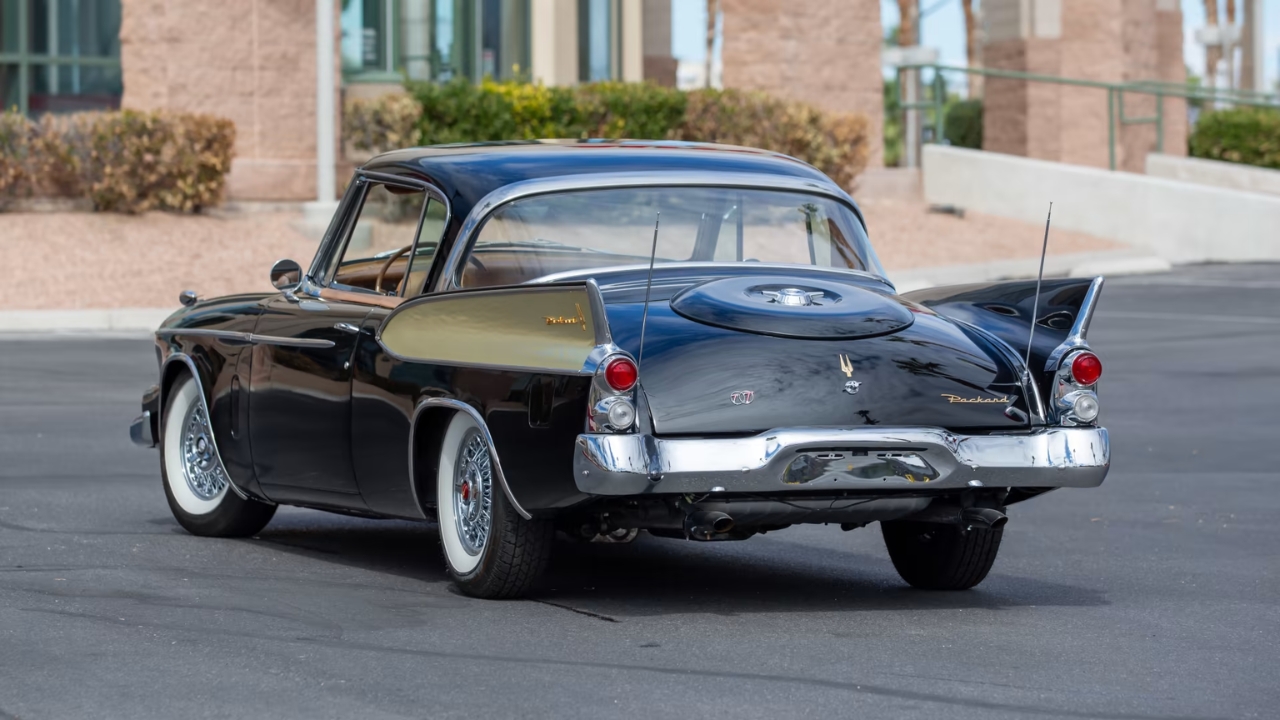
While the Packard Hawk had its own look, it shared much of its underpinnings with the 1957–58 Studebaker Golden Hawk. That meant a similar body structure, the same 120.5-inch wheelbase, and identical powertrain. What set it apart was the exterior design and interior trim.
It’s an interesting mix of badge engineering and brand desperation. Studebaker-Packard was trying to save two brands with one chassis, but only one name survived past ’58—and it wasn’t Packard. Still, having that Golden Hawk bloodline gave the car some real street credibility.
A Luxury Interior That Aimed Higher

Inside, the Packard Hawk didn’t feel like a rebadged Studebaker. It came standard with leather bucket seats, full carpeting, a machine-turned dash, and a center console—more European GT than American cruiser. Even the padded dash looked like something out of a much pricier car.
The cockpit-like interior hinted at what Packard might’ve become if the lights hadn’t gone out. It was their attempt to combine speed with luxury in a way American brands rarely attempted. Today, it feels more like a concept car that somehow made it to production.
Built in South Bend, Not Detroit
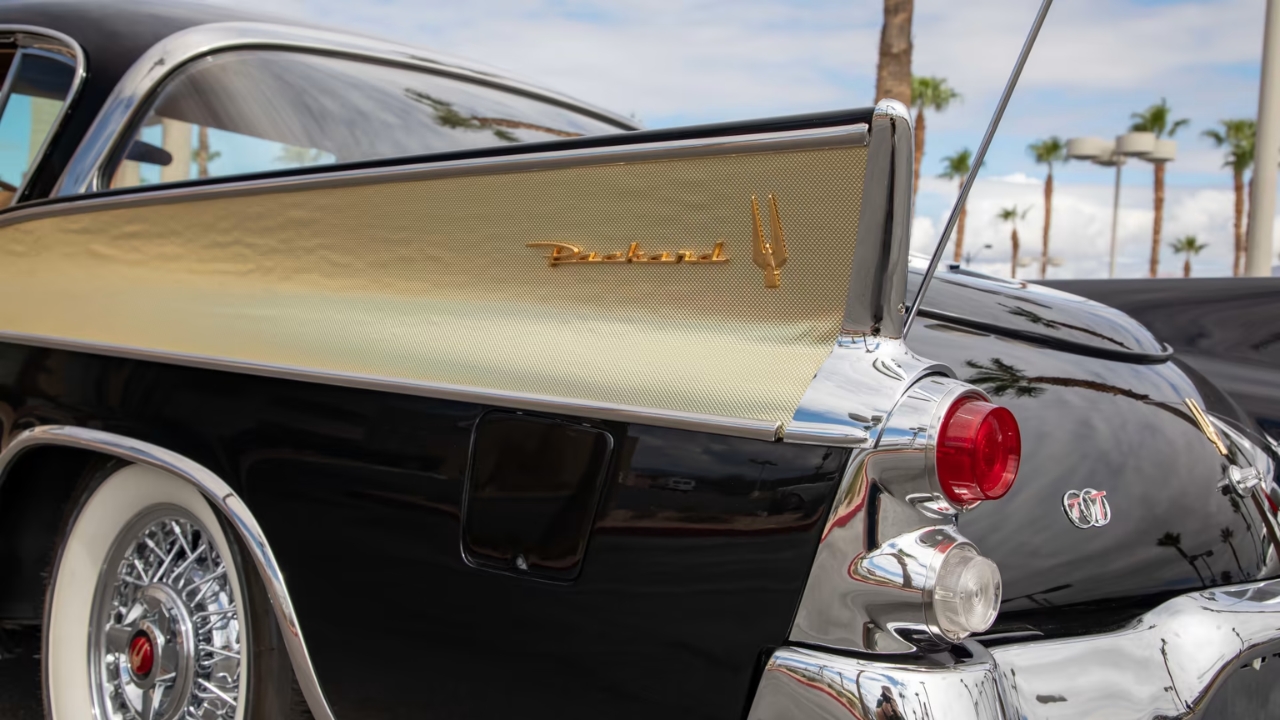
Although it wore the Packard name, the Hawk was assembled in South Bend, Indiana, at Studebaker’s facilities. Packard’s Detroit plants had already shut down by 1956. So this was really a Studebaker project with Packard styling cues grafted on top.
That makes the Hawk an oddball in Packard’s history—one of only two “Packards” built entirely outside of Detroit. Purists argue it wasn’t a real Packard, but that only adds to its mystique. It’s a car born from corporate survival mode, which makes its very existence something of a fluke.
Faster Than It Looked
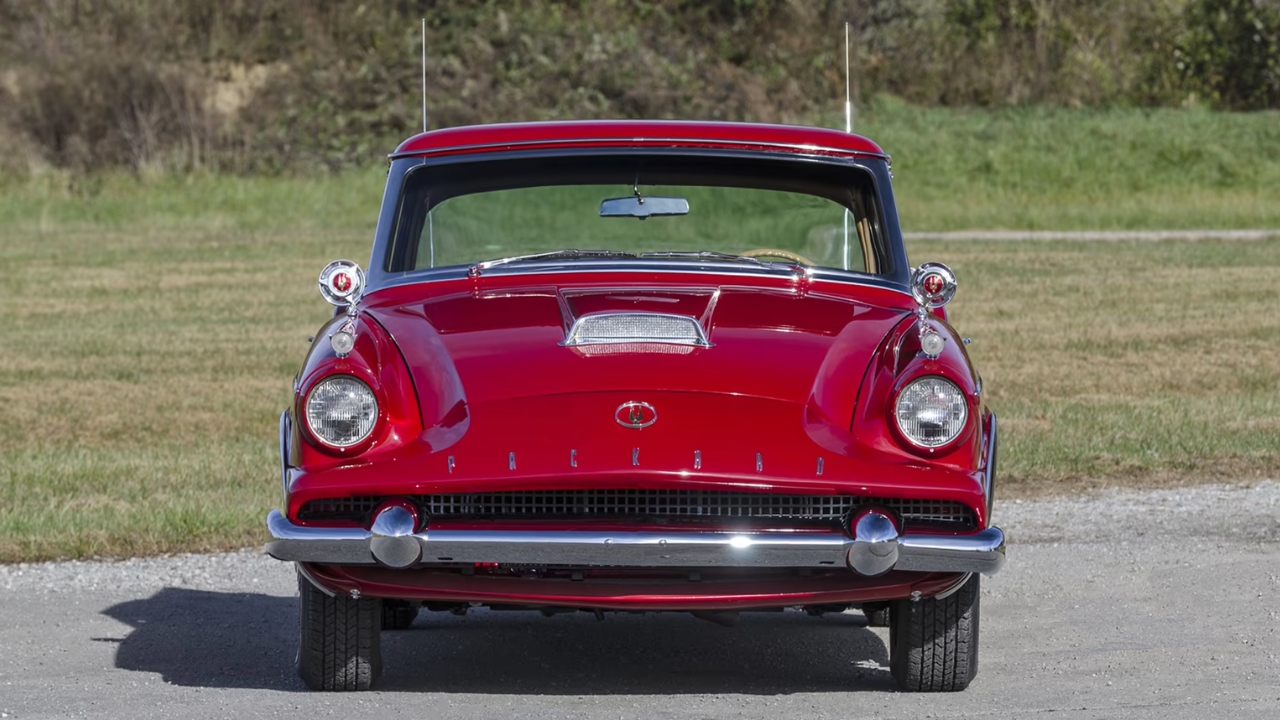
Don’t let the awkward nose fool you—this car could move. With a factory top speed around 125 mph and the ability to run the quarter mile in the high 15s, the Packard Hawk had legit muscle. It could outrun many bigger V8-powered cars of its day thanks to its relatively light weight and forced induction.
That performance edge didn’t come with a lot of fanfare. There were no racing stripes or flashy badges—just a supercharged V8 quietly doing its job. Today, it’s a sleeper in vintage iron, and a reminder that performance isn’t always loud.
One-Year-Only Wonder
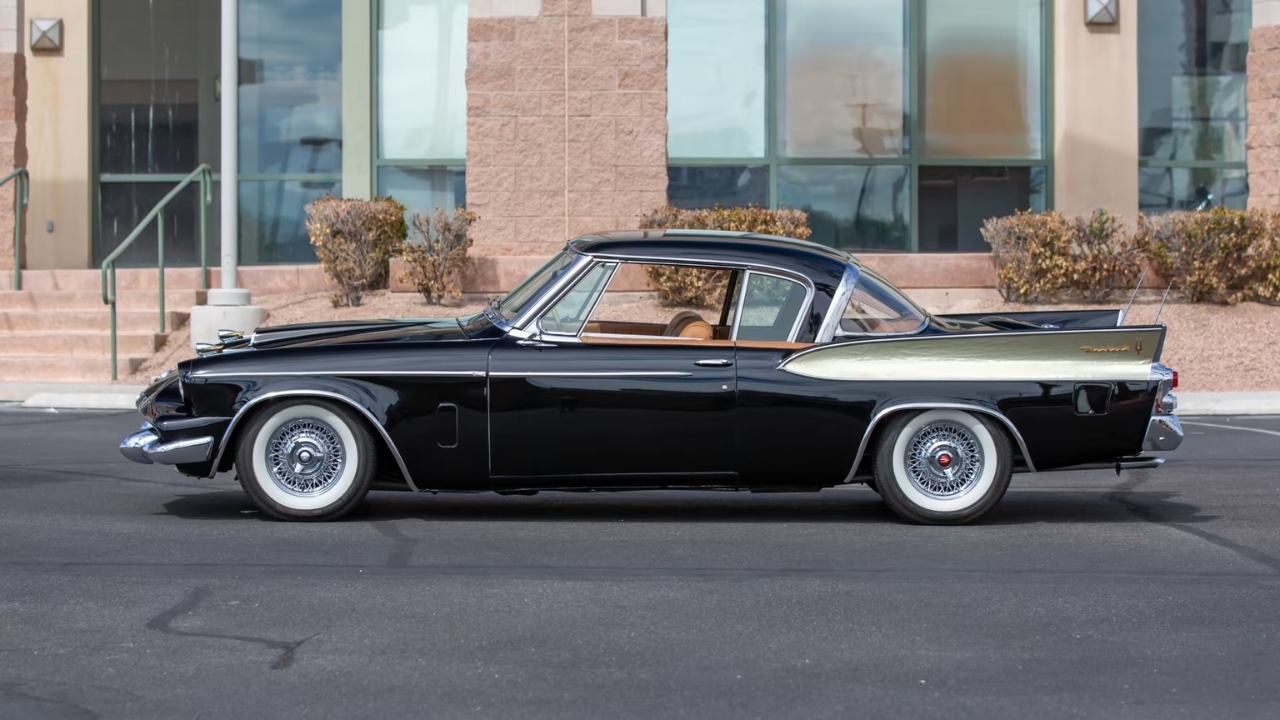
The Packard Hawk was produced for just a single model year—1958—and then it was gone. Studebaker officially retired the Packard name shortly afterward, marking the end of a brand that had once rivaled Cadillac in prestige. That short run adds another layer of intrigue.
It’s not often you find a car that represents both a beginning and an ending. The Hawk tried to reinvent Packard one last time, but it didn’t get the chance. That one-year exclusivity gives it a ghostly appeal—like a snapshot of a future that never came.
Styling Inspired by Mercedes-Benz?
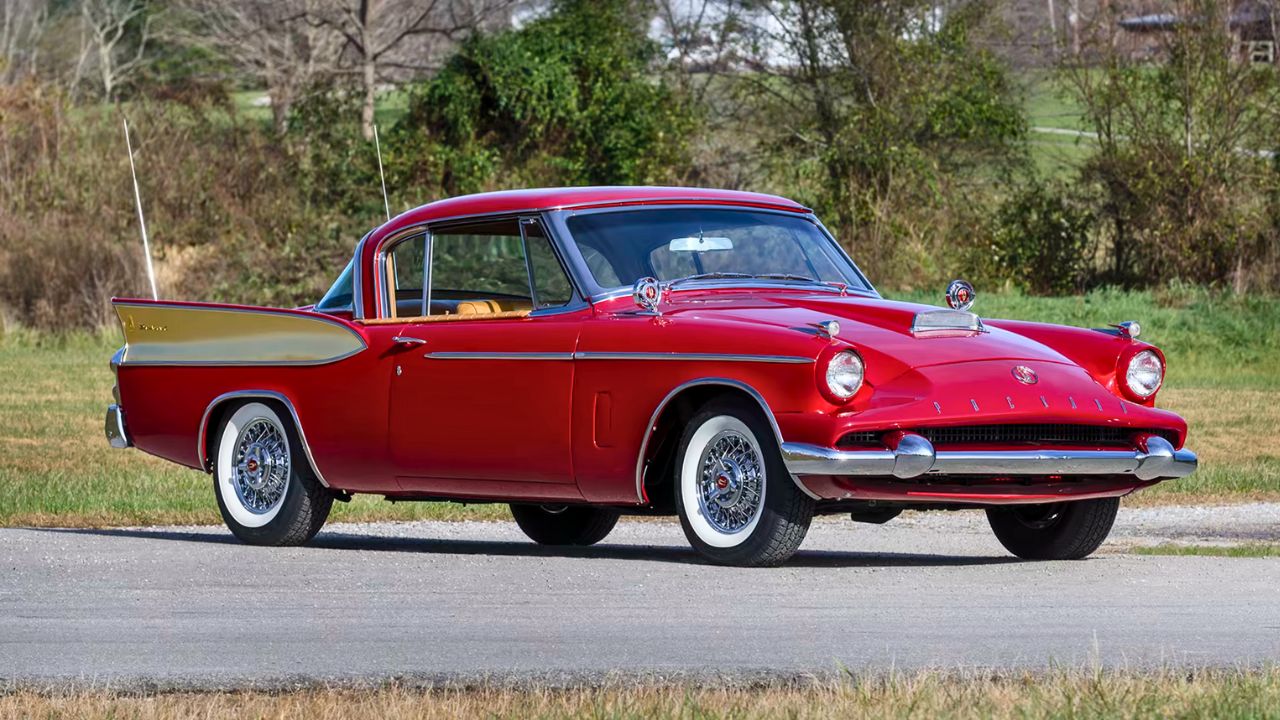
Some design cues on the Packard Hawk, like the wide grille and sloped hood, were reportedly inspired by European sports cars—especially the Mercedes 300SL. The idea was to blend American muscle with international looks, a gamble that didn’t quite catch on in the showroom.
Still, it was one of the few American cars of the era trying to look globally relevant. That design language didn’t land in ’58, but it predicted what other brands would try a decade later. The Hawk may have missed the mark, but it was aiming in the right direction.
A Packard in Name, But Not in Spirit?
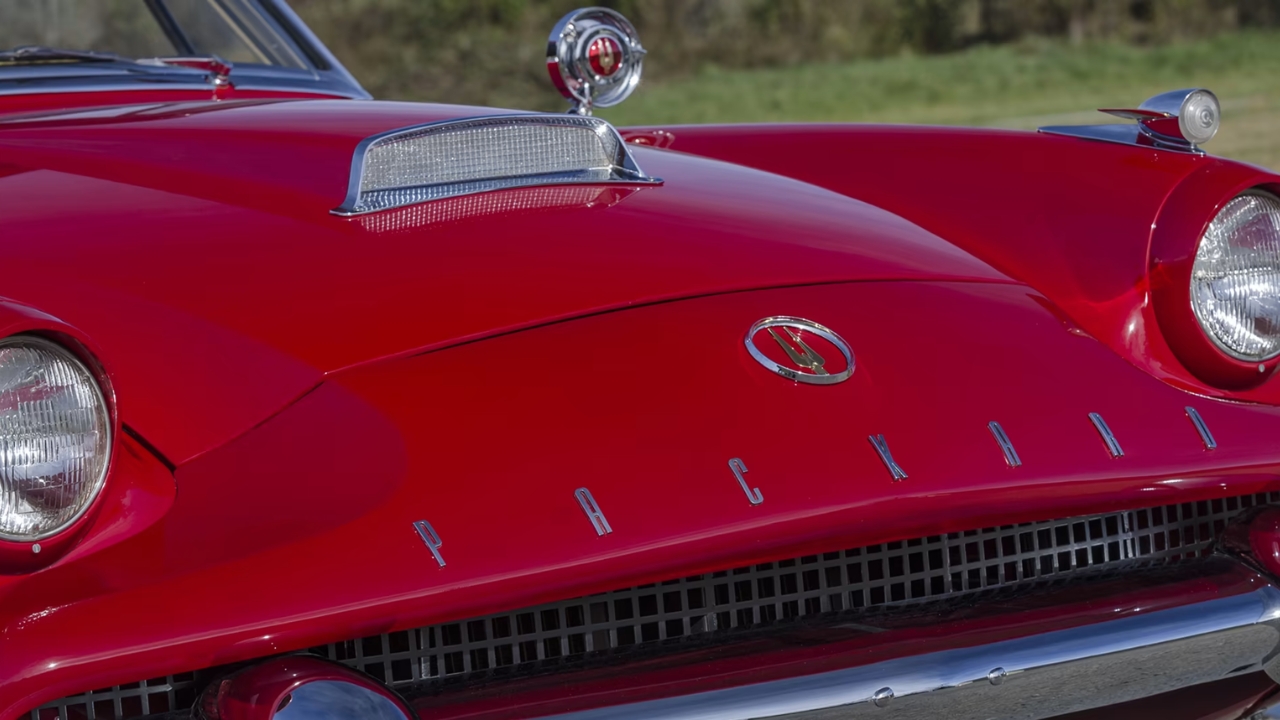
There’s an ongoing debate among collectors about whether the Hawk deserves to wear the Packard badge at all. It shared no parts with earlier Packards and was built entirely by Studebaker. But that argument misses the point—the badge matters because it was the last.
This was Packard’s closing chapter, written under duress, but with real character. The car isn’t just about performance or looks—it’s about what happens when a great brand runs out of time but still wants to be remembered. And that’s why people still stop and stare.
Like Fast Lane Only’s content? Be sure to follow us.
Here’s more from us:
*Created with AI assistance and editor review.


Leave a Reply