
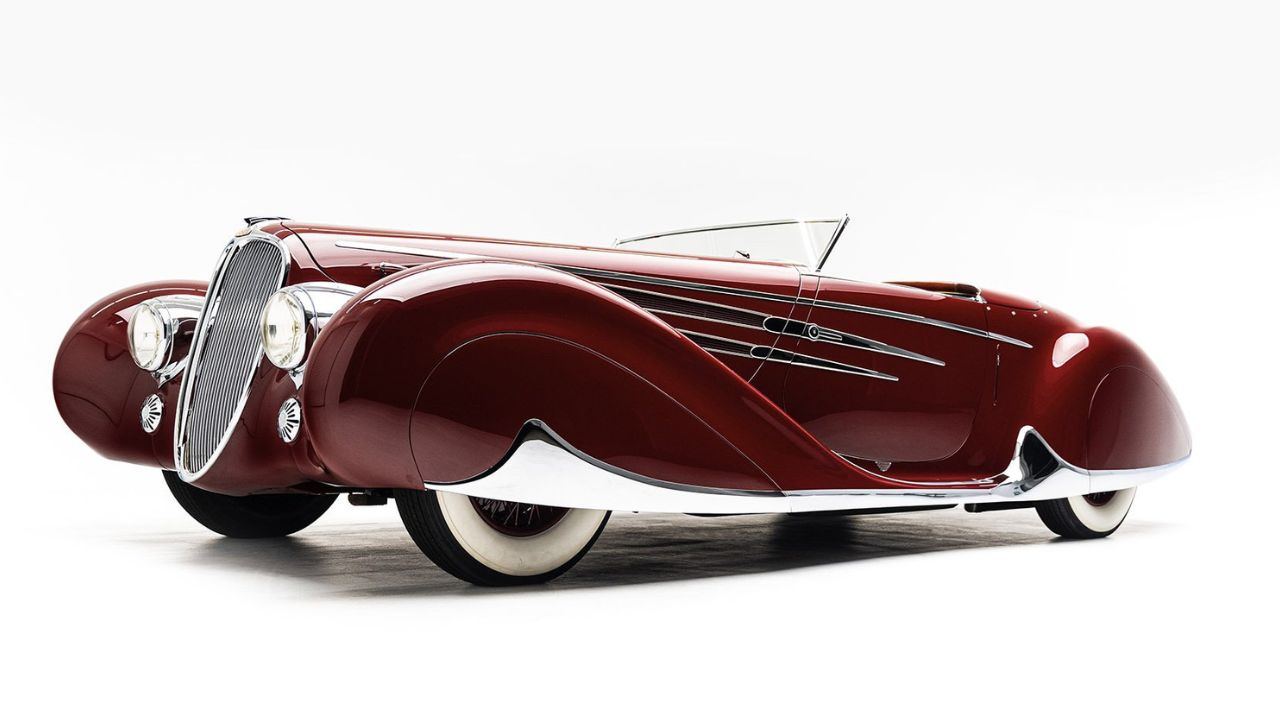
When you look at the 1939 Delahaye Type 145 “World’s Fair” coupe, you’re seeing more than just a car — it’s a piece of automotive history shaped by two masters of French design. Figoni et Falaschi’s work on this model blends smooth, elegant lines with solid engineering underneath. Built to turn heads at the 1939 Paris World’s Fair, the Type 145 captured a moment when coachbuilding was an art form and performance was quietly precise. This car isn’t about flashy gimmicks; it’s about timeless style and thoughtful craftsmanship that still commands attention decades later.
Figoni et Falaschi: Masters of French Coachbuilding
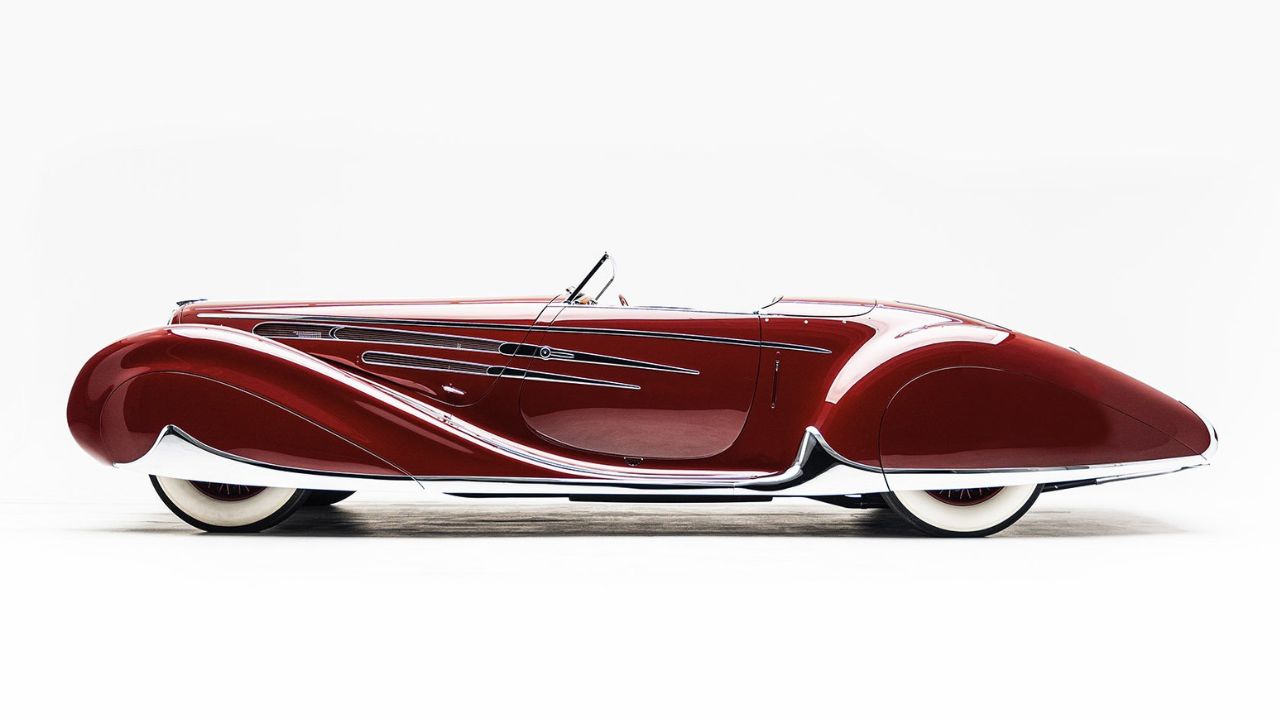
Figoni et Falaschi were one of the premier French coachbuilders in the 1930s, known for their sleek, flowing designs. Their work on the 1939 Delahaye Type 145 World’s Fair coupe showed their ability to combine elegance with engineering, crafting a body that was as much sculpture as it was a car shell.
The 145 was designed specifically to showcase at the 1939 Paris World’s Fair. The coachbuilders took Delahaye’s reliable chassis and turned it into a piece of rolling art, with aerodynamic lines that stood out compared to the more angular cars of the era.
The Delahaye Type 165 Chassis and Engine
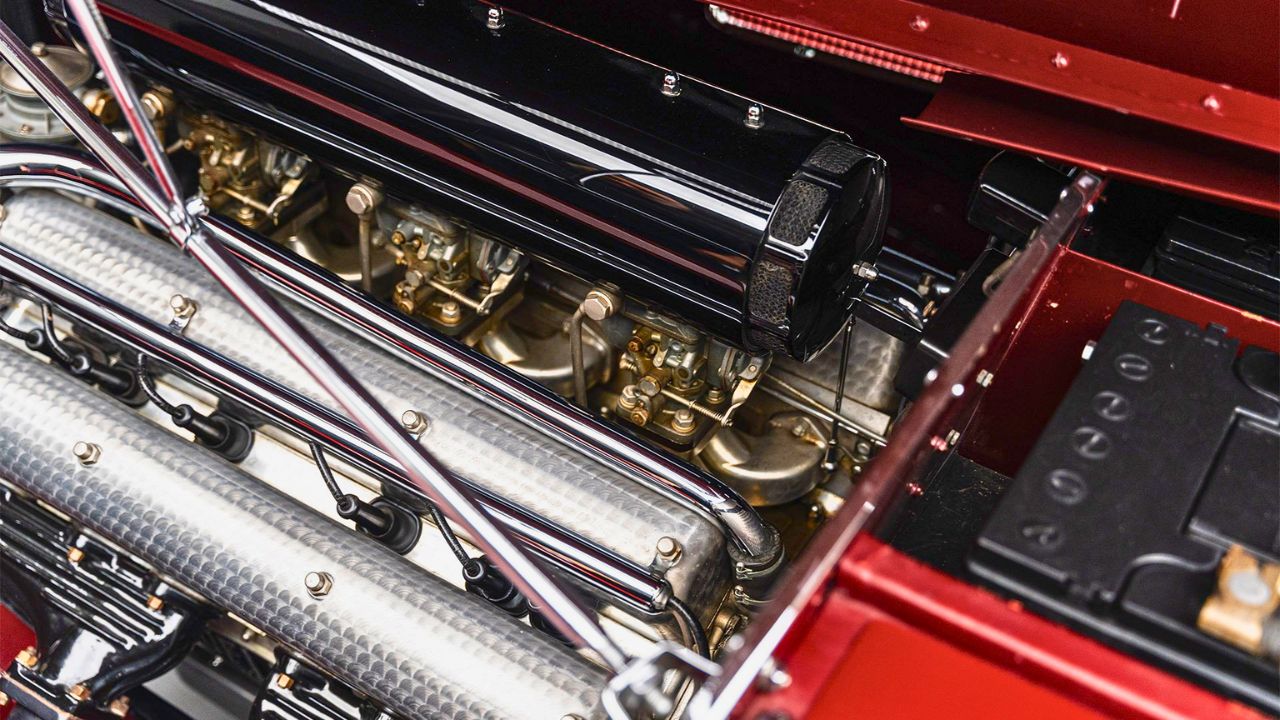
Underneath that stylish body was a Delahaye Type 145 chassis, known for its sturdy build and smooth ride. It was powered by a 4.5-liter V-12 engine producing around 184 horsepower, which was respectable for its time, providing balanced performance.
The engine featured triple Solex carburetors and overhead valves, giving it a blend of refinement and decent power delivery. Paired with a four-speed manual transmission, the car was capable of cruising comfortably on highways and carving through twisting roads alike.
Suspension Setup for Smooth Handling
The Type 145 used independent front suspension with wishbones and coil springs, which was fairly advanced for the late 1930s. At the rear, it had a live axle with semi-elliptic leaf springs, striking a balance between comfort and handling.
This combination gave the car a ride quality that was surprisingly composed, especially for a luxury grand tourer of its era. The setup worked well with the long chassis, absorbing road imperfections without sacrificing cornering stability.
The Body’s Aerodynamic Flow
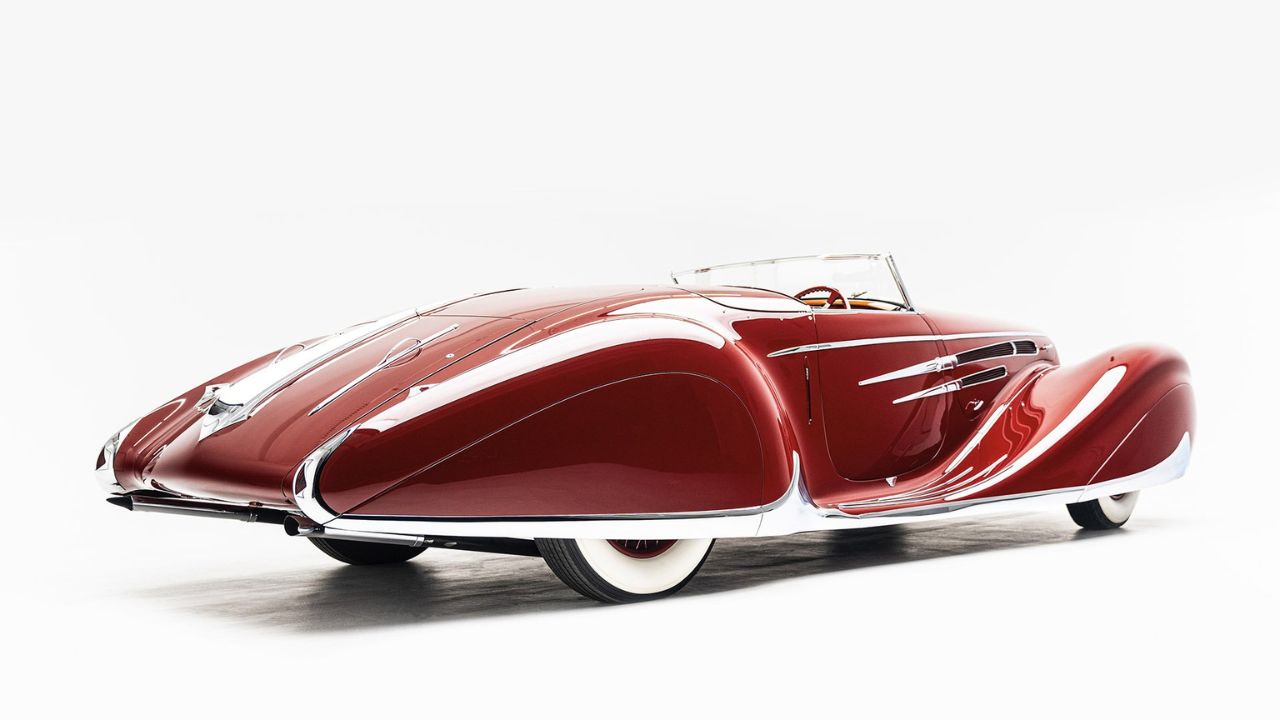
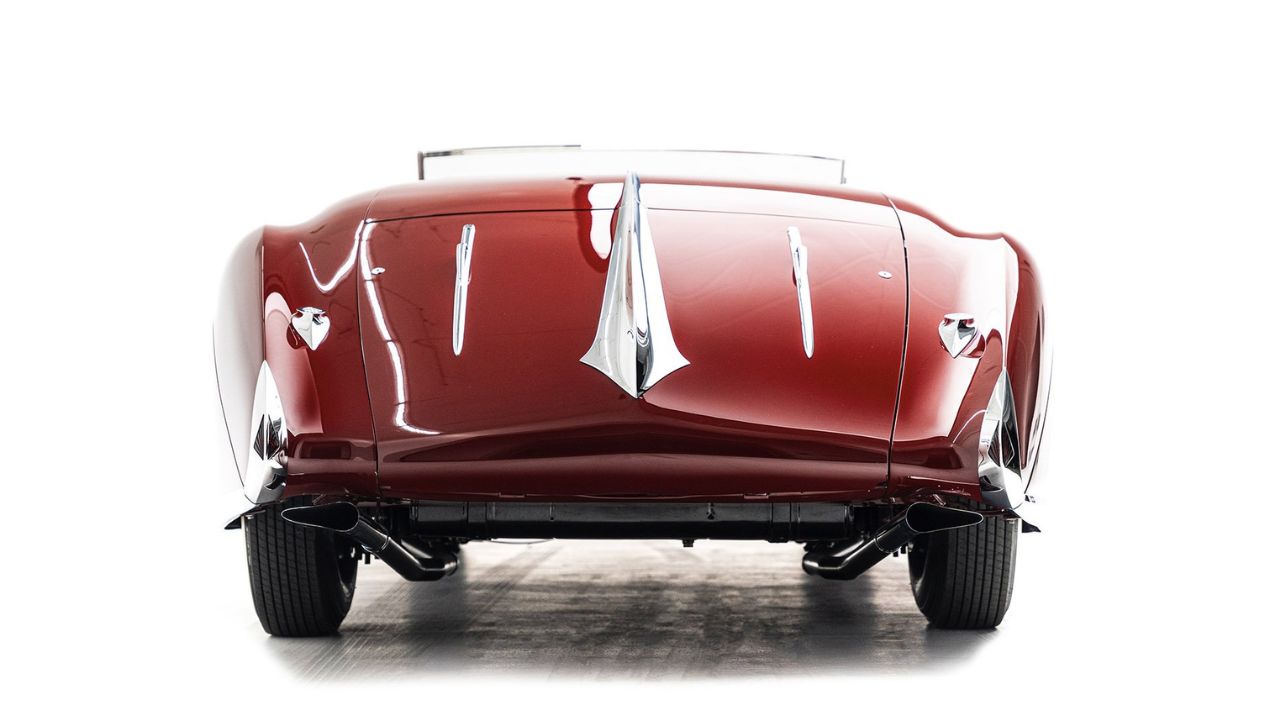
Figoni et Falaschi’s design emphasized aerodynamic efficiency, long before it became a common consideration. The sweeping fenders flowed into the bodywork, creating smooth, uninterrupted lines that reduced drag and visually lightened the car.
The coupe’s fastback roofline gently sloped into the rear deck, giving it a silhouette that looked purposeful yet refined. The body panels were hand-formed aluminum, which helped keep the weight reasonable and added to the car’s exclusivity.
Interior Craftsmanship and Design
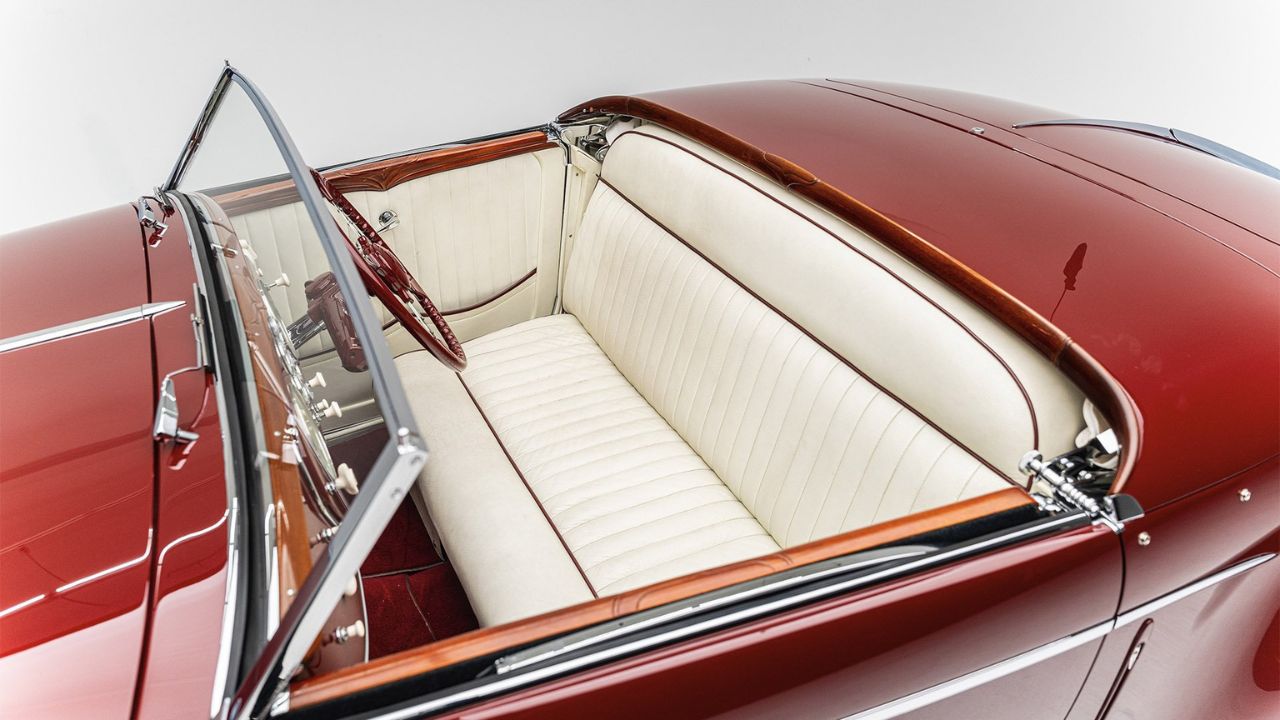
Inside, the Delahaye Type 145 featured a minimalist but tasteful interior. Figoni et Falaschi worked with the best French upholsterers to create leather seats that balanced comfort with understated luxury.
The dashboard was straightforward, with a cluster of round gauges that kept the driver informed without clutter. Wood trim accents and chrome details completed the look, giving the cabin a refined, quiet atmosphere ideal for long drives.
Exclusive Production and Rarity
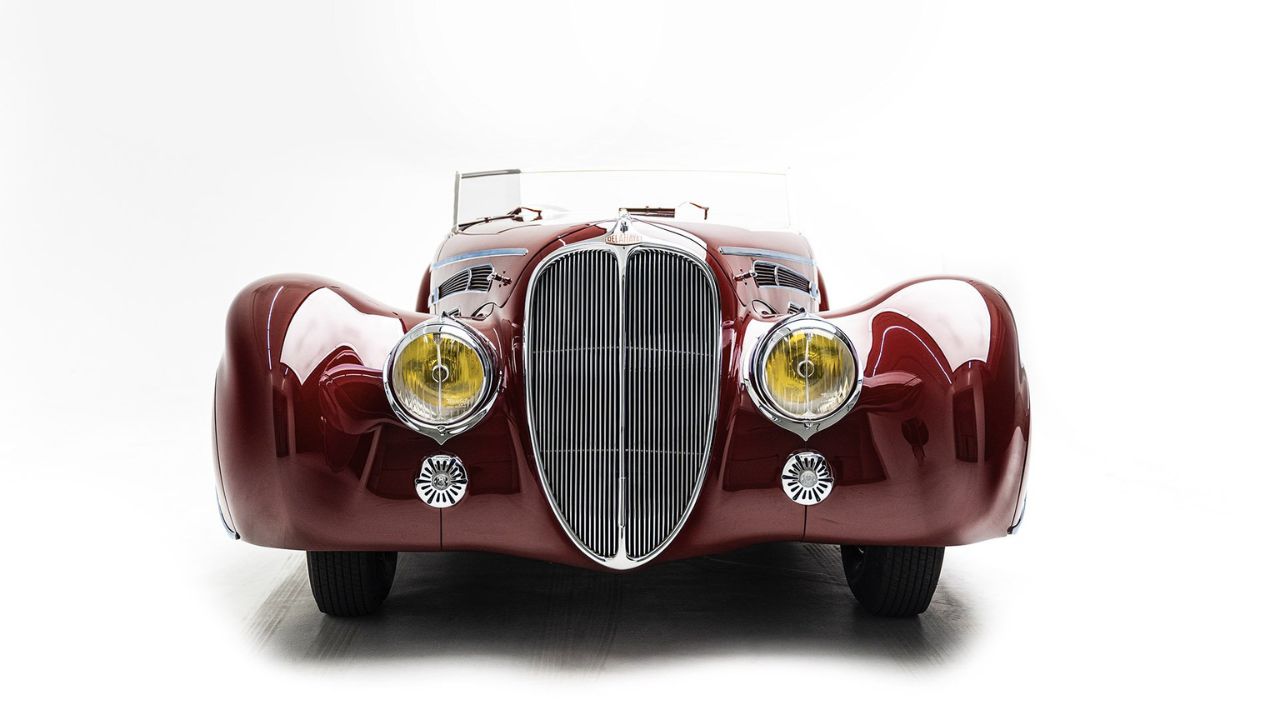
Only a handful of Type 145 models were ever built, and the World’s Fair coupe is especially rare. The combination of Delahaye’s engineering and Figoni et Falaschi’s coachwork made each car unique, reflecting the client’s personal tastes and the era’s design trends.
Because of their limited production, these cars rarely appear outside private collections and museums. The 1939 World’s Fair model stands as a rare example of pre-war French craftsmanship at its best.
The Paris World’s Fair and Its Influence
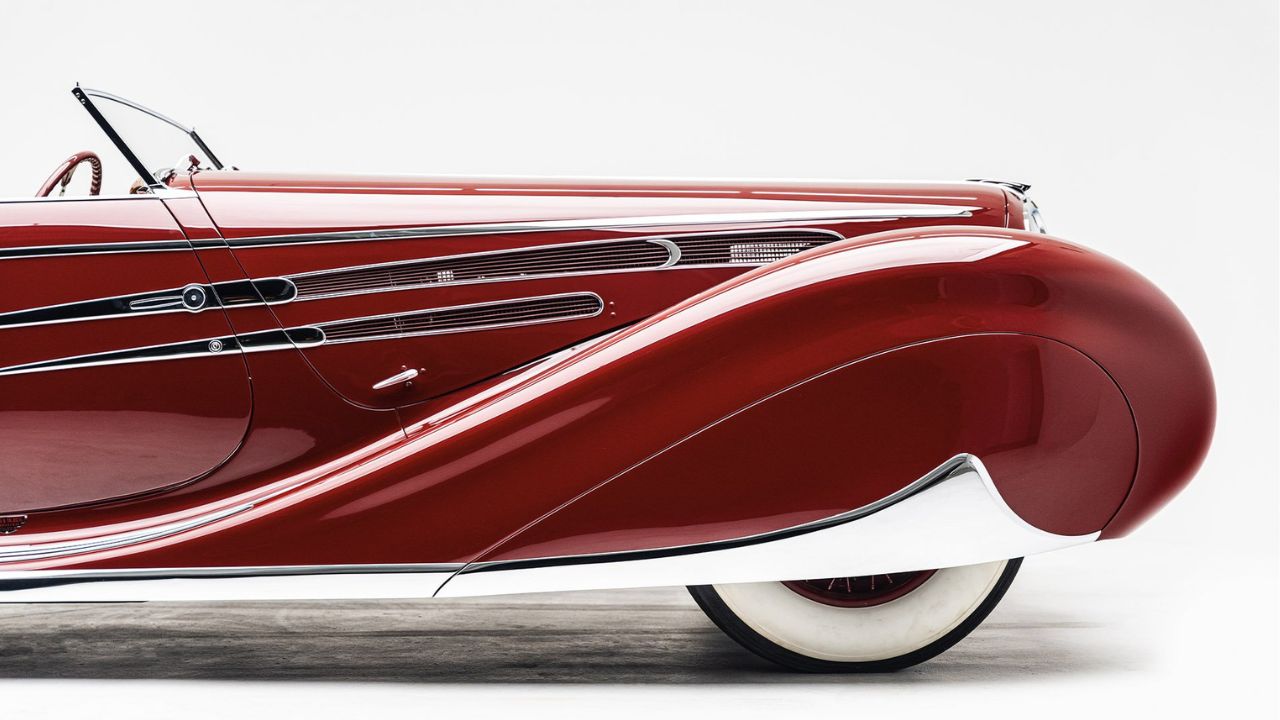
The 1939 Paris World’s Fair was a showcase for progress and technology, with Delahaye aiming to present a car that reflected French elegance and technical skill. The Type 145’s presence there was meant to impress visitors with its refined styling and solid engineering.
Though the outbreak of World War II soon after curtailed production, the car left a lasting impression on automotive design, influencing coachbuilders and manufacturers in the years to come.
Aluminum Body Panels and Hand-Crafted Details
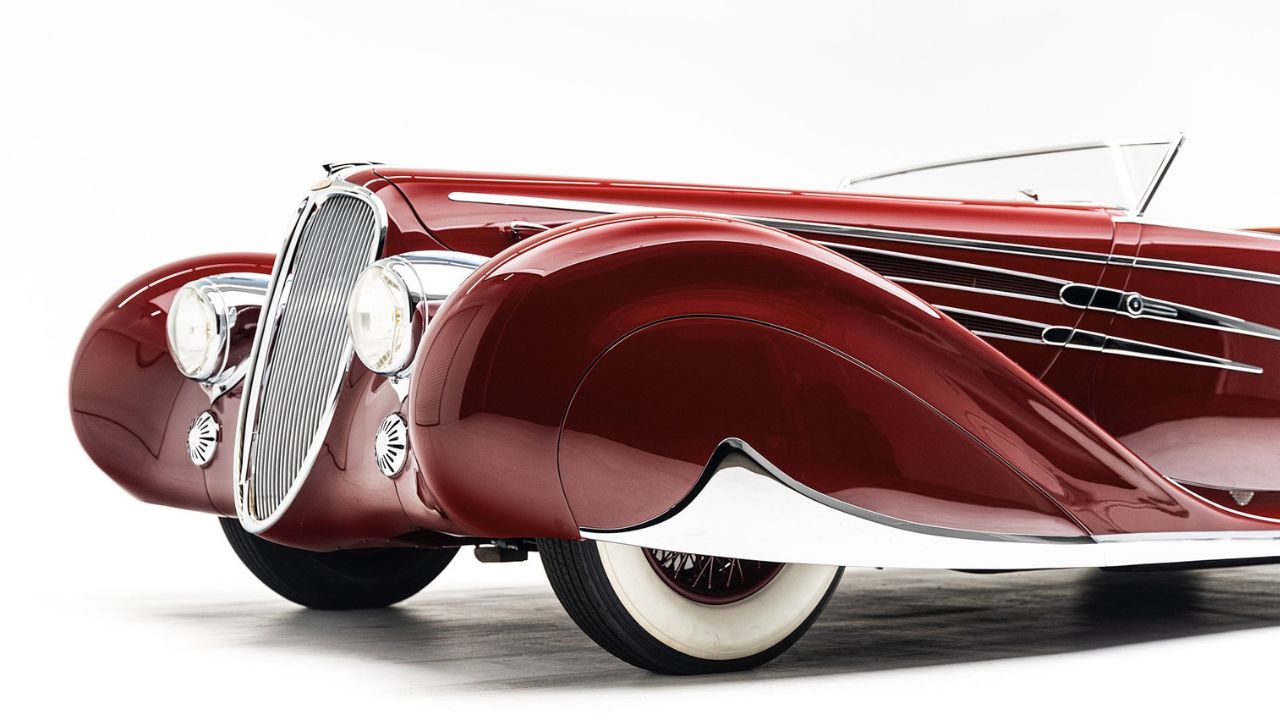
Figoni et Falaschi utilized hand-formed aluminum panels for the Type 145’s body, a technique that required exceptional skill. This material choice helped reduce weight compared to steel, improving performance and fuel efficiency.
Each panel was crafted to fit perfectly with the next, leaving minimal gaps and creating that smooth, continuous surface. This level of detail also added to the car’s value, making it a showcase of artisanal quality.
Technical Specs Beyond the Engine
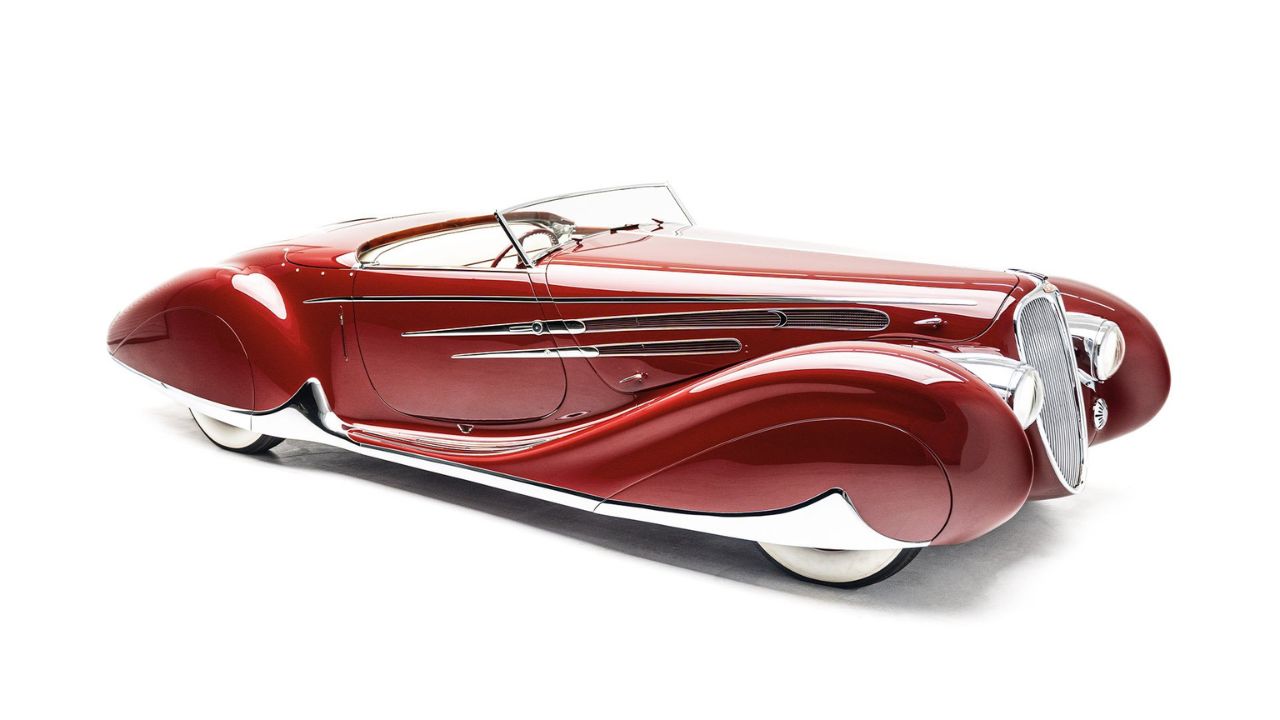
The Delahaye Type 145 rode on a wheelbase of about 3.2 meters (126 inches), giving it a commanding presence without being unwieldy. Its overall length was close to 5 meters, lending it a grand touring stature.
Braking was handled by drum brakes all around, which were standard at the time but sized generously to manage the car’s weight. Steering was via a worm-and-sector system, providing precise control suited to spirited driving.
Legacy in Classic Car Circles

Today, the 1939 Delahaye Type 145 remains a highly respected classic, prized for its combination of engineering and design. Figoni et Falaschi’s work on this model is often referenced when discussing pre-war coachbuilding artistry.
Collectors and historians appreciate the car not just as a beautiful object, but as a marker of a unique era when cars were crafted with as much attention to form as function. It’s a reminder of a time when luxury and performance were tightly intertwined.
Like what you read? Here’s more by us:
*Created with AI assistance and editor review.



Leave a Reply