
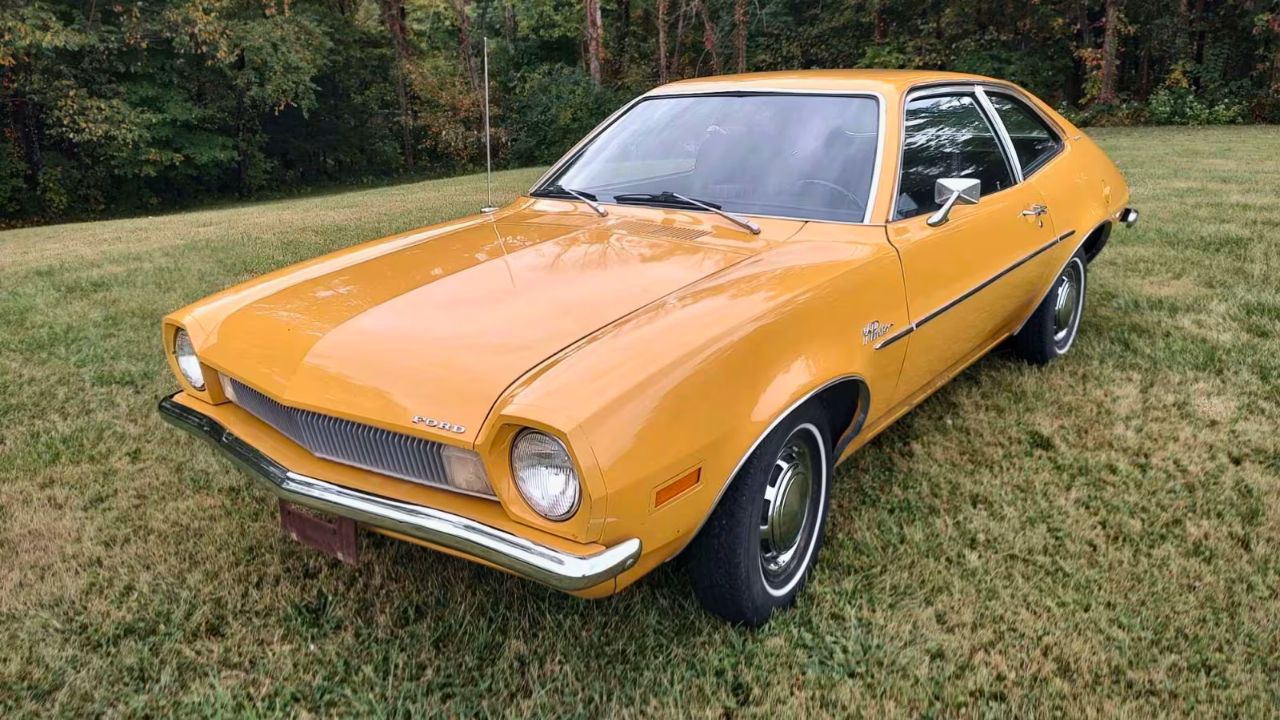
Some car launches make headlines for all the right reasons—others leave the public scratching their heads. Over the years, a few models stirred up enough noise at debut to spark industry debate, media frenzy, and in some cases, outright backlash. Whether due to strange design choices, poor engineering, or corporate decisions that aged poorly, these ten cars didn’t just show up—they lit a fire.
Pontiac Aztek
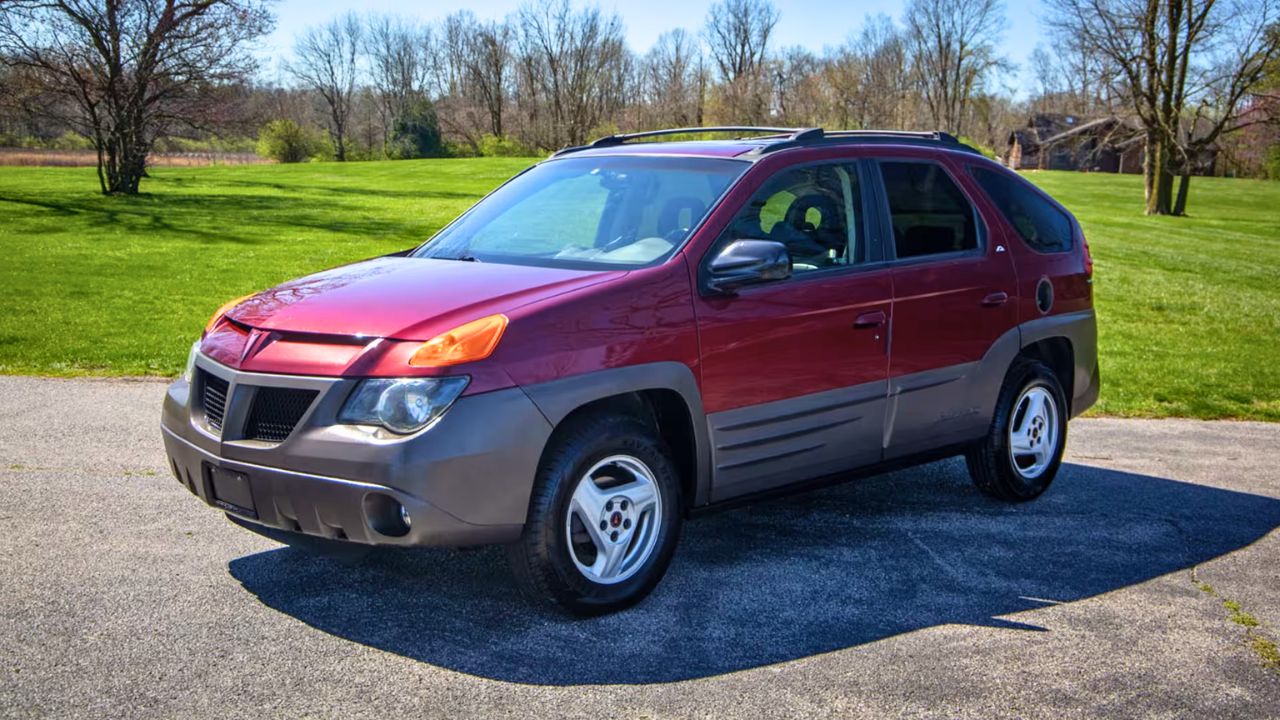
When Pontiac rolled out the Aztek in 2000, the idea was to spark interest in a futuristic crossover. What they actually sparked was a wave of ridicule. The clunky nose, weird headlight arrangement, and plastic cladding made it a punchline almost overnight.
And yet, beneath the awkward styling was a surprisingly practical and reliable vehicle. It had a loyal fan base by the end, especially after its role in Breaking Bad helped reframe its reputation. But that initial launch? Brutal.
Fiat Multipla
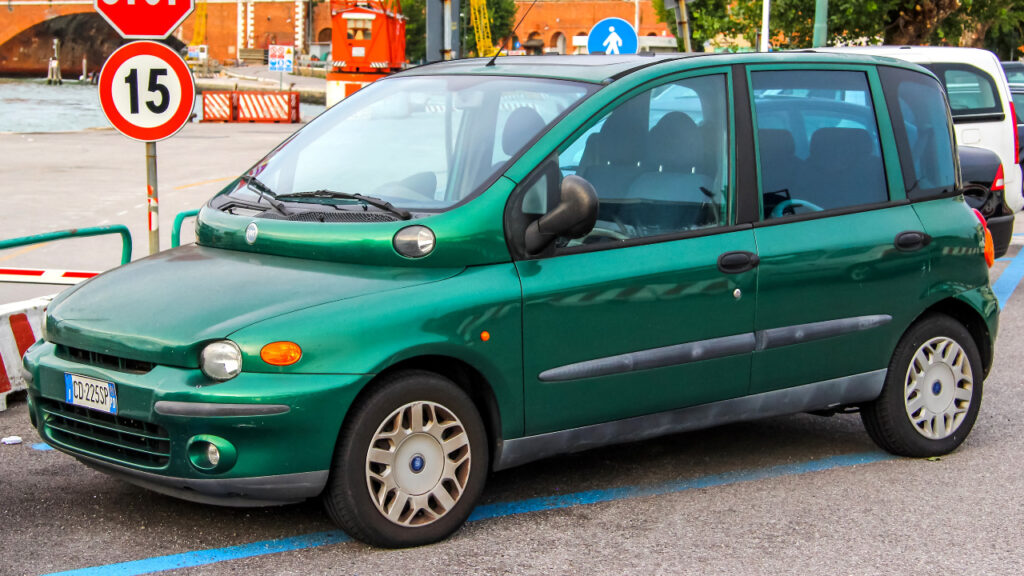
Launched in 1998, the Fiat Multipla might be one of the strangest-looking family cars ever put into production. Its bug-eyed front end and tall greenhouse made it an easy target for critics.
But looks aside, it actually nailed its mission. It offered three seats across the front, tons of cargo space, and unmatched visibility. It was just too far ahead—or behind—the curve in terms of styling to win over the masses.
Ford Pinto
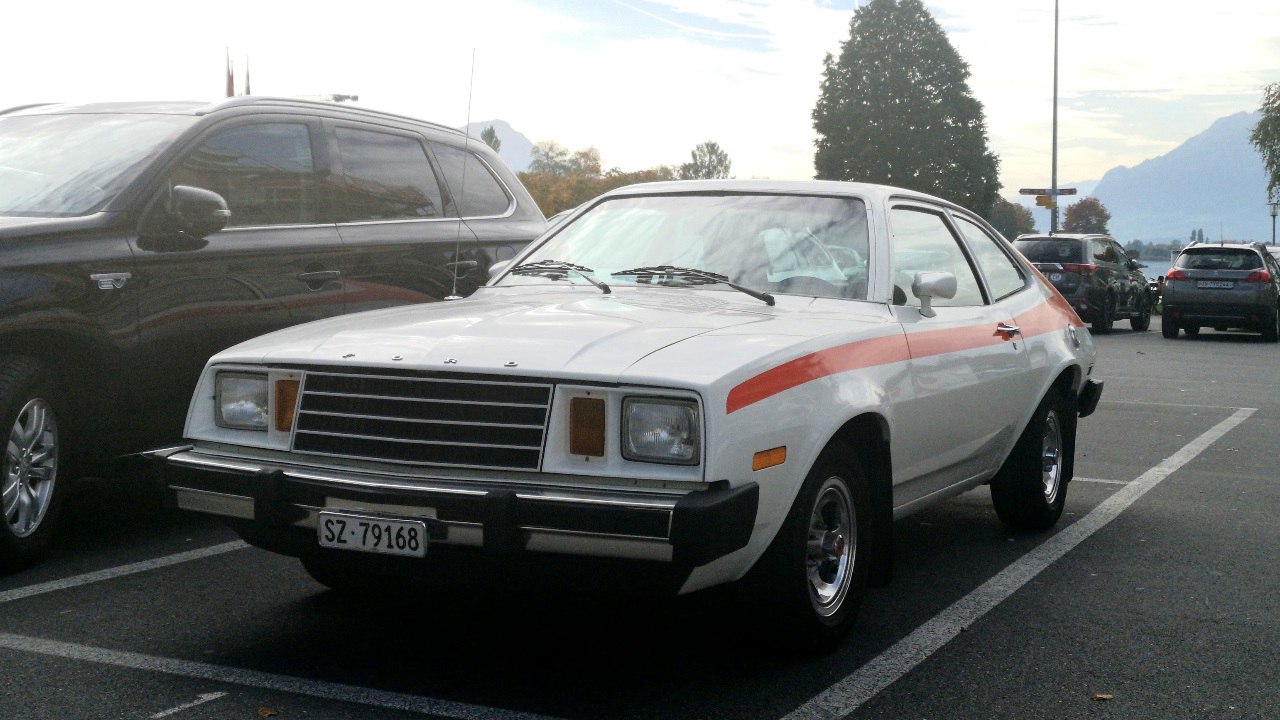
The 1971 Ford Pinto started out as a budget-friendly subcompact. But it became infamous after reports of gas tanks rupturing in rear-end crashes. Worse, internal memos revealed Ford knew about the flaw and chose not to fix it due to cost.
That revelation caused a massive PR disaster. Even today, the Pinto is taught in ethics classes as an example of what not to do when engineering safety is on the line.
General Motors EV1
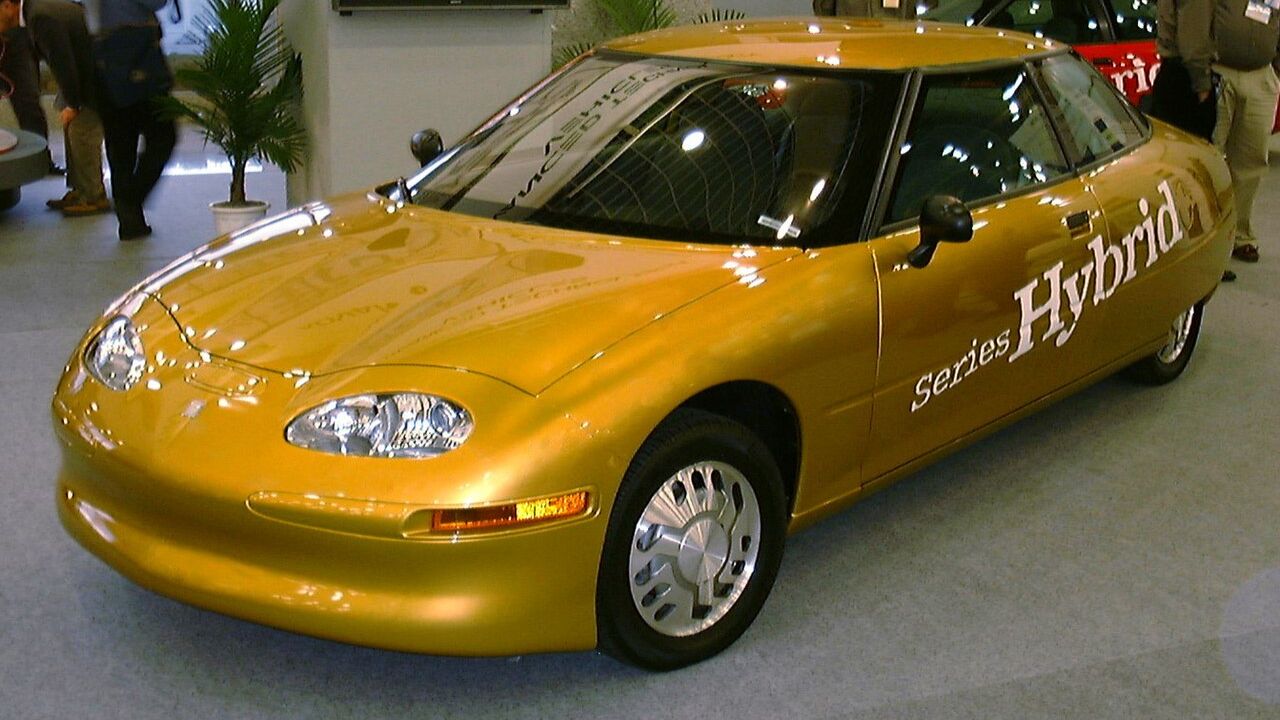
GM’s EV1 was a sleek, all-electric car introduced in the late 1990s to meet California’s zero-emission vehicle regulations. The car had real promise, offering up to 142 miles of range—unheard of at the time.
But the project was short-lived. GM ended production in 1999, recalled the cars, and scrapped most of them. The move infuriated EV advocates, who saw it as a step backward just when things were starting to move forward.
DeLorean DMC-12
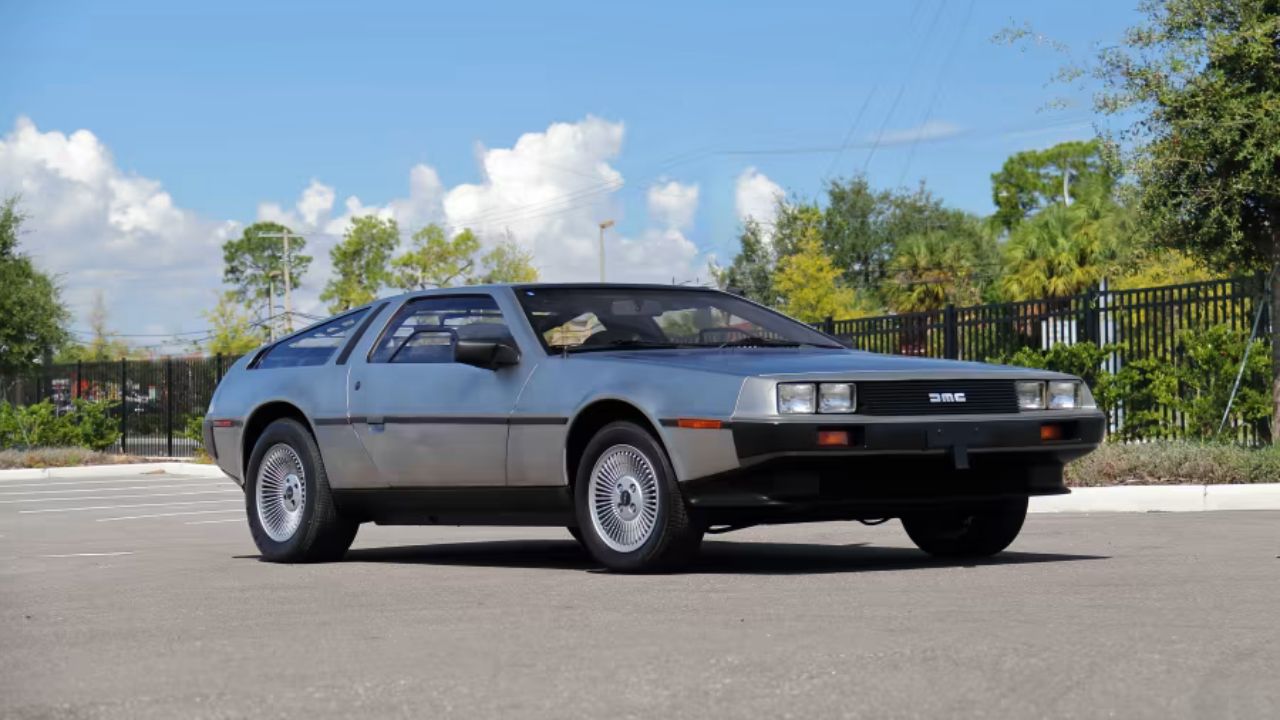
John DeLorean’s stainless steel sports car looked like the future when it debuted in 1981. But the DMC-12’s real story was more chaos than chrome. It was underpowered, poorly built, and outrageously expensive.
Things got worse when DeLorean was caught in a drug sting trying to keep his company afloat. Despite its pop culture fame today, the DMC-12’s launch was riddled with scandal and disappointment.
Lotus Carlton
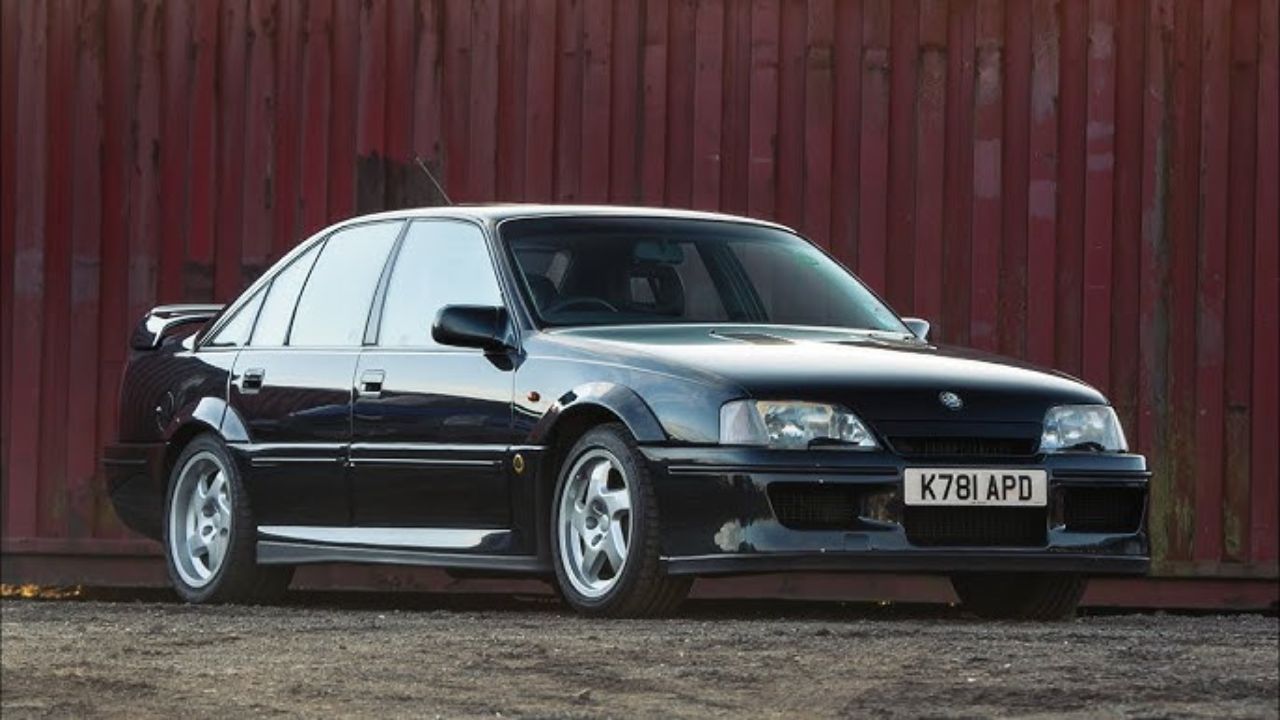
The Lotus Carlton wasn’t controversial for bad engineering—it was too good. With 377 horsepower from a twin-turbo inline-six, this sedan could outrun a Ferrari Testarossa.
UK politicians and tabloids panicked at the idea of such speed in a four-door. It didn’t help that one was used in a series of high-profile crimes. Despite its brilliance, the Carlton stirred up a hornet’s nest about public safety and performance cars.
Chevrolet Corvair
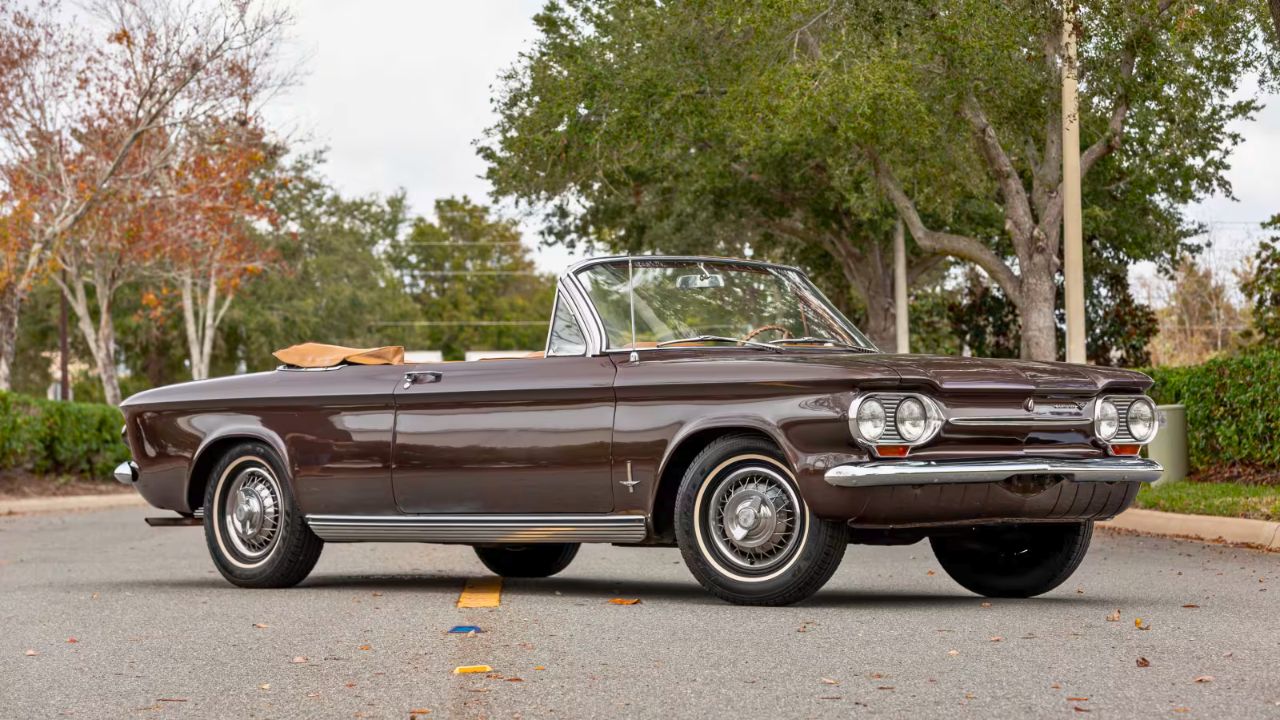
The Corvair wasn’t doomed by its engineering—it was doomed by Ralph Nader. His book, Unsafe at Any Speed, singled out the Corvair’s swing-axle suspension as dangerous, turning the little Chevy into a safety scapegoat.
GM eventually corrected the issues, but the damage was done. The controversy helped usher in a new era of federal oversight in car safety, forever tying the Corvair to that pivot point in American car history.
Hummer H2
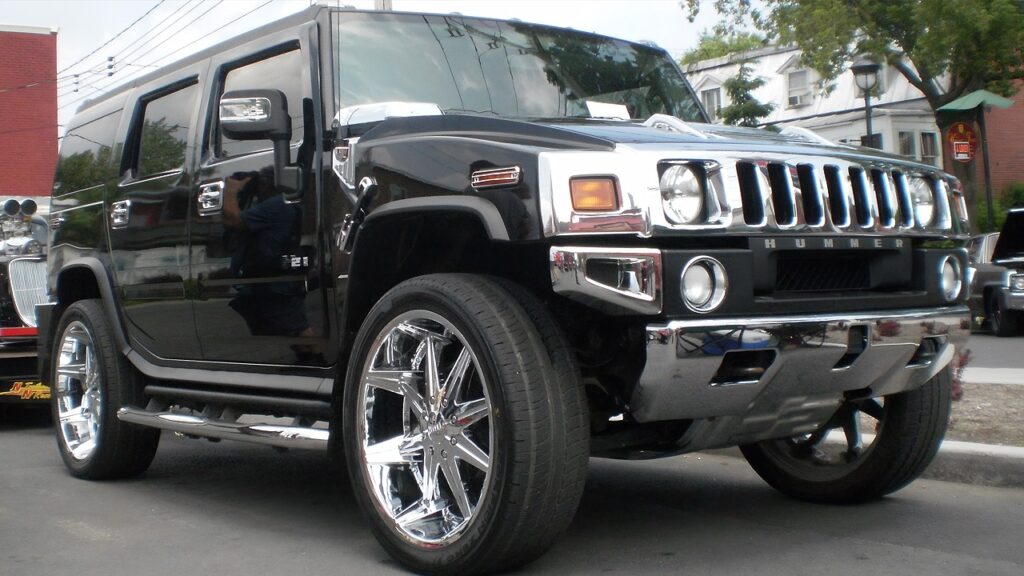
The Hummer H2 was supposed to bring military-grade cool to suburban driveways. Instead, it became a symbol of excess. It barely fit in parking spots, drank fuel like a battleship, and offered little real utility.
Critics tore it apart as wasteful and impractical. And when the Hummer name came back years later, GM wisely went electric. The H2 made headlines—but not the kind GM was hoping for.
Chevrolet Cobalt
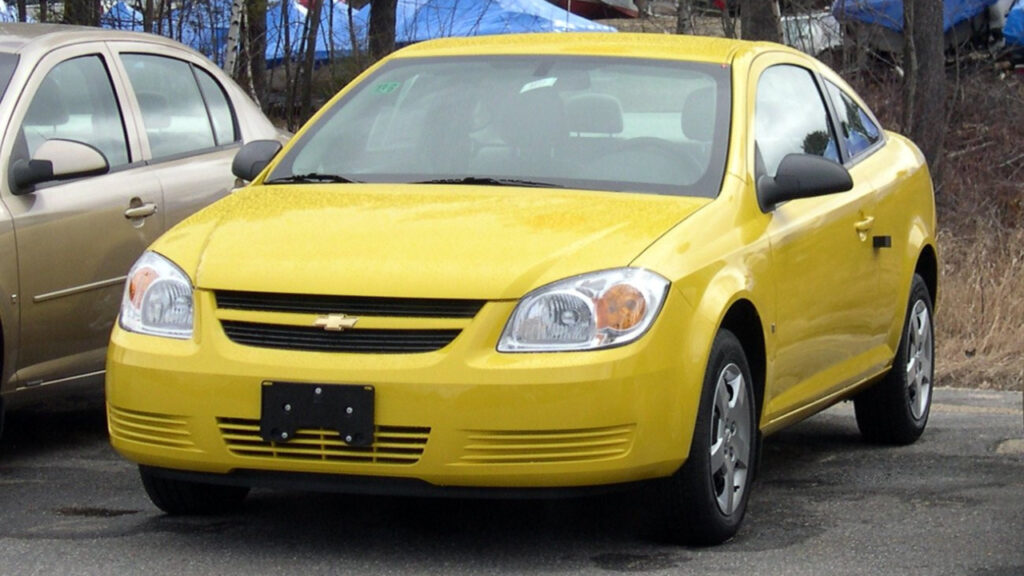
On paper, the Cobalt was a decent economy car with an available turbocharged engine. But behind the scenes, GM was grappling with one of the most tragic recalls in modern history.
A faulty ignition switch could shut off the car while driving, disabling airbags and power. The defect caused multiple deaths, and internal documents showed GM knew but dragged its feet. Lawsuits, settlements, and congressional hearings followed.
Chevrolet SSR
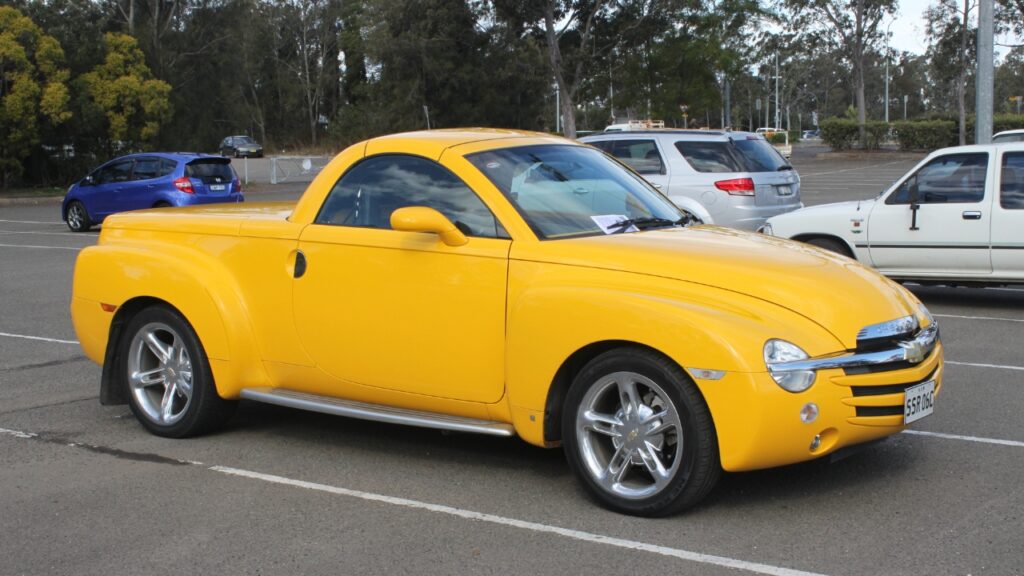
The SSR looked like something a kid would sketch in a notebook—a retro-styled pickup with a retractable hardtop and Corvette power. But once on the road, reality didn’t quite match the fantasy.
It was too heavy, not particularly fast, and lacked the practicality buyers expected from a truck. The trunk bed was nearly useless, and its six-figure price tag scared away even curious buyers. Cool idea, rough launch.
Like what you read? Here’s more by us:
*Created with AI assistance and editor review.


Leave a Reply