
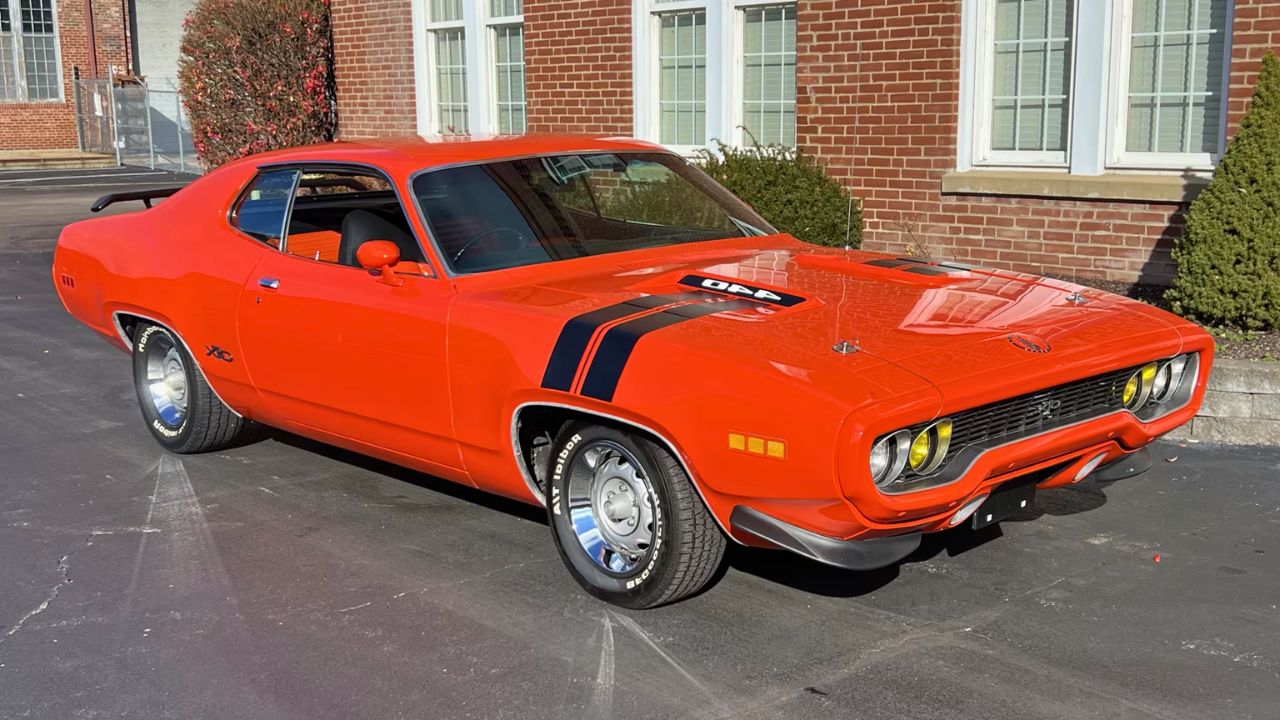
The 1971 Plymouth GTX wasn’t just another muscle car—it marked the end of an era. By the early ’70s, the high-horsepower game was losing momentum due to insurance costs, emissions regulations, and rising fuel prices. But Plymouth still managed to squeeze out one last proper heavy-hitter before everything changed. The ’71 GTX didn’t just carry big numbers under the hood; it stood out with new styling, rare options, and an identity that helped define the peak muscle years. Here’s why this underrated bruiser still matters.
It Was the Final Stand-Alone GTX
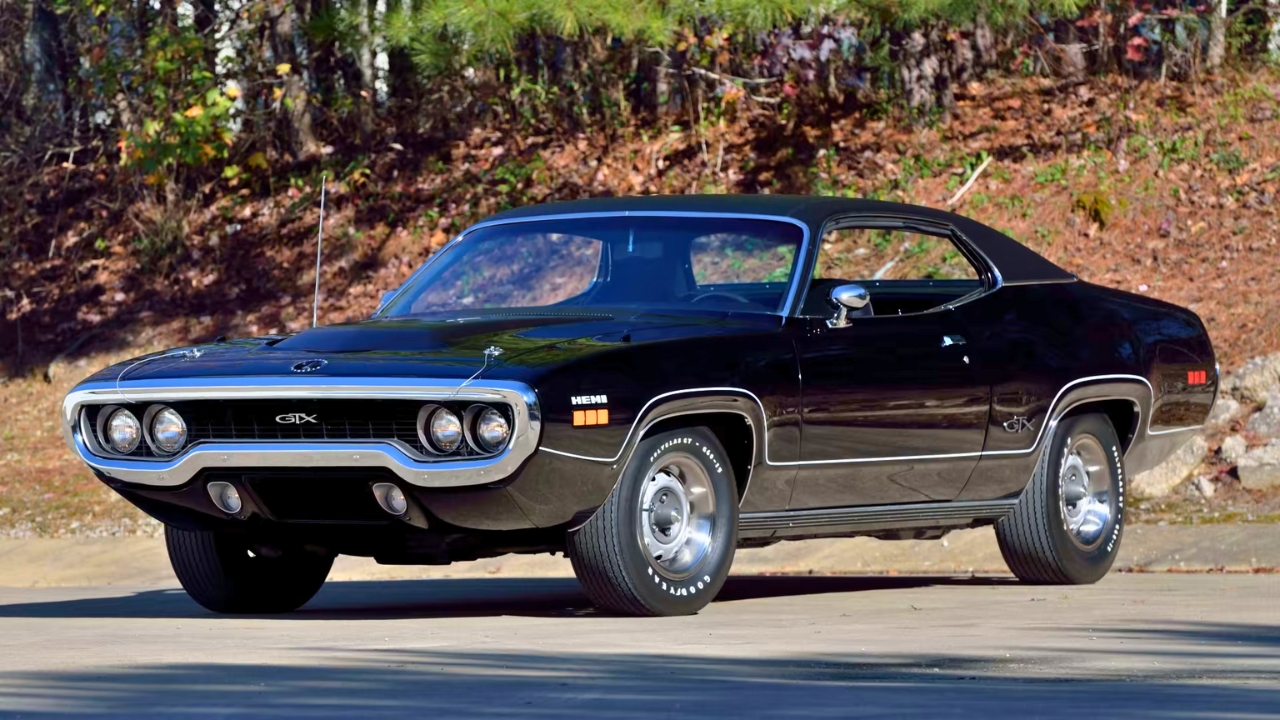
1971 was the last year the GTX was offered as its own separate model. Starting in 1972, it was reduced to a trim package on the Road Runner, signaling its fall from flagship status. That final model year gave the GTX a unique place in Mopar’s lineup.
With only 2,942 hardtops produced, the ‘71 model is rarer than most of its competitors. It’s a last-of-its-kind car that came out swinging with big engines and bold looks before regulations softened everything that followed.
Standard 440 CID V8 Was No Joke

Every 1971 GTX came with a 440-cubic-inch Super Commando V8 as standard. That engine was good for 370 horsepower and 480 lb-ft of torque—numbers that still hold up. The car wasn’t cheap, but it offered real bang for the buck.
The 440 could be paired with a 3-speed manual, TorqueFlite automatic, or optional 4-speed. Even without stepping up to the 440+6 or HEMI, the standard engine made the GTX a serious threat on the street.
The 440 Six Barrel Option Raised the Stakes
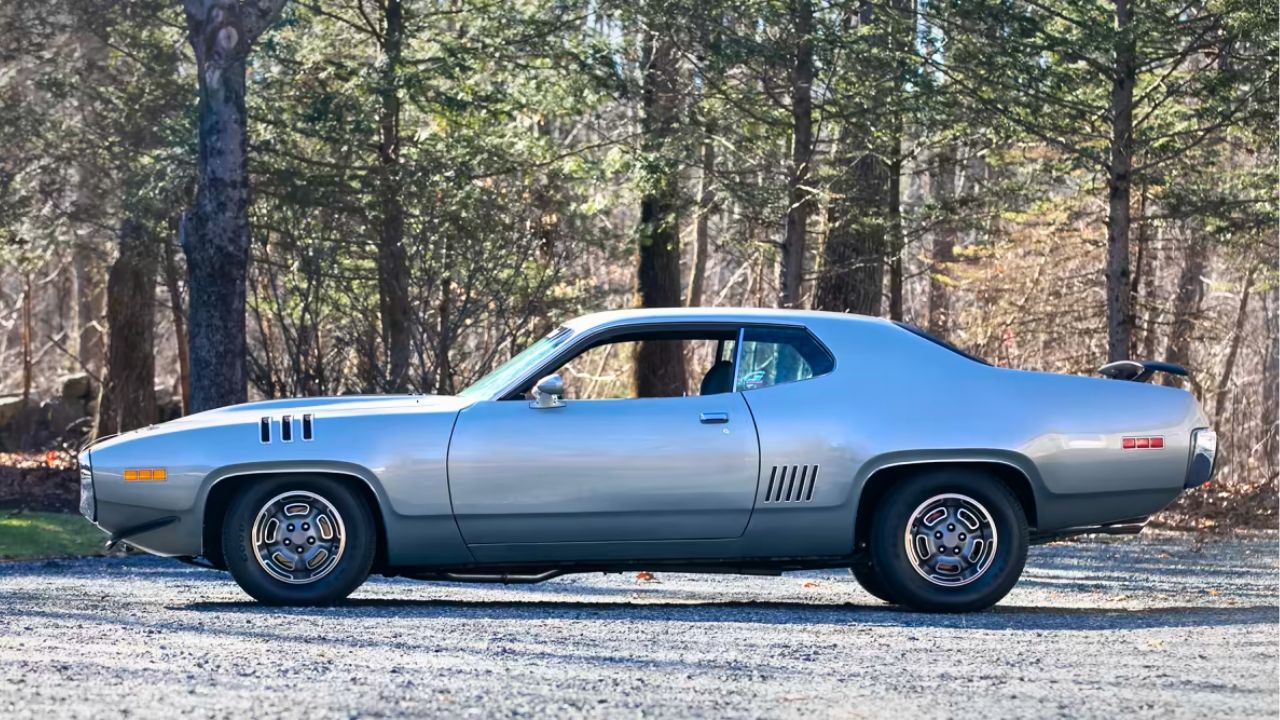
Buyers looking for more heat could check the box for the 440+6 setup—three two-barrel carbs feeding the 440 big-block. It bumped output to 385 horsepower and gave the car brutal mid-range power.
Only 135 GTXs came with the 440+6 in 1971, making it a rare find today. It wasn’t just about extra horsepower—it was about the attitude and throttle response that came with six barrels working in harmony.
HEMI-Powered Versions Were Extremely Rare
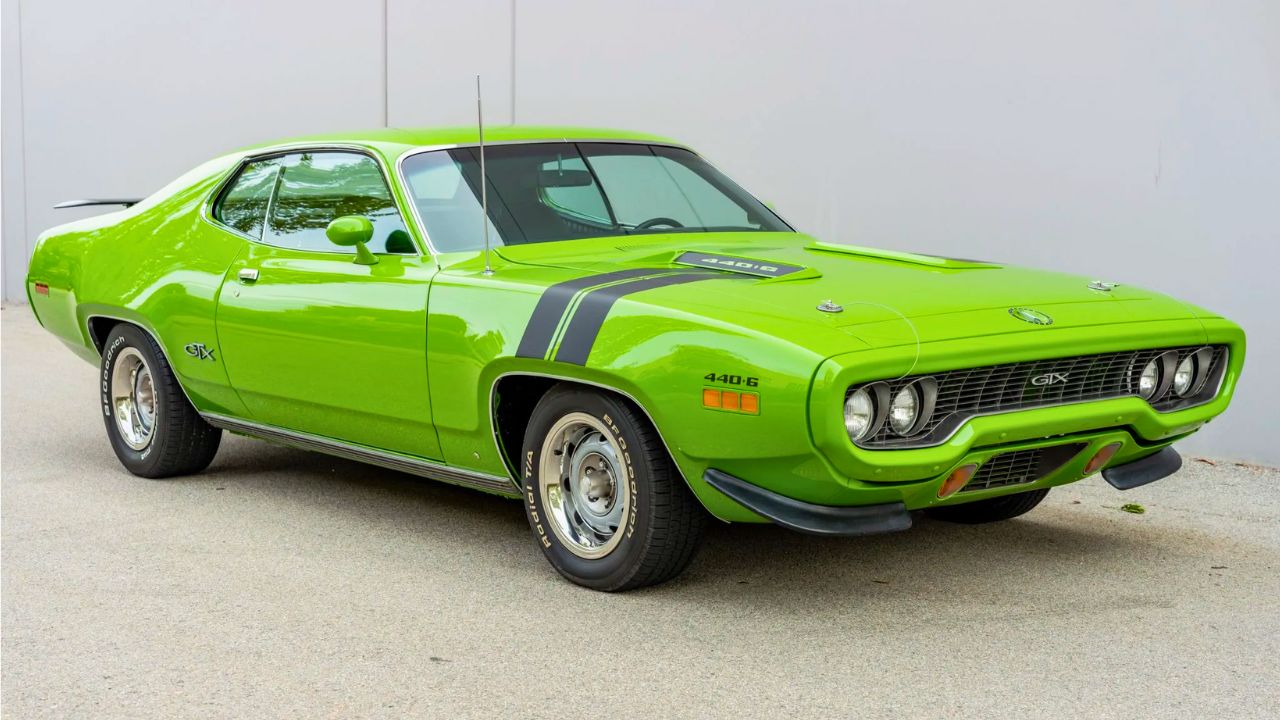
A 426 HEMI was still on the option sheet in 1971, but barely anyone ordered it. Just 30 GTXs were built with the HEMI that year—11 with the 4-speed and 19 with the automatic.
The HEMI GTXs are now among the most collectible Mopars of the era. With 425 horsepower and a reputation for toughness, they were built for a shrinking group of die-hard performance buyers who still wanted to make a statement.
All-New Body Style with Coke-Bottle Curves
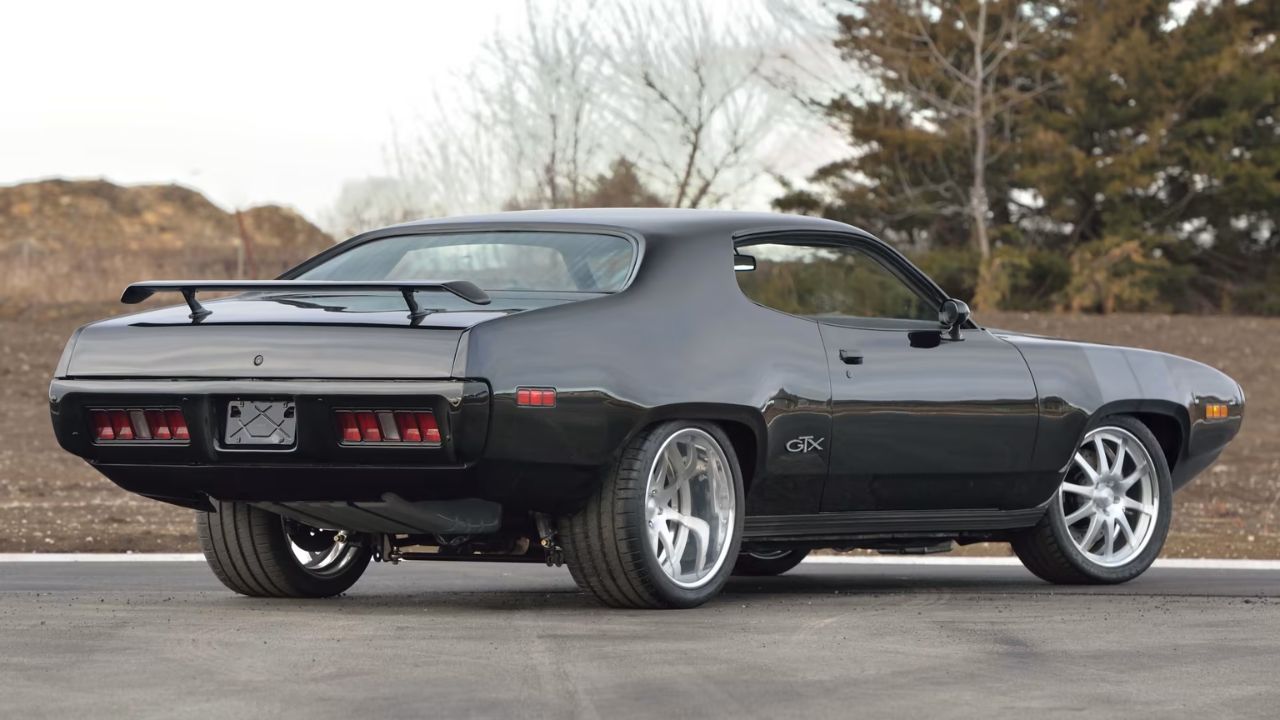
The ’71 model introduced a new “fuselage” body design across the B-body lineup. It featured more pronounced curves, a lower stance, and sculpted fenders. It looked fast, even when standing still.
While not everyone loved the redesign, it gave the GTX a distinctive silhouette compared to earlier models. The new look emphasized width and presence, especially when paired with optional Rallye wheels and a hood scoop.
Suspension and Brakes Were Up to the Task

To handle all that power, the 1971 GTX came standard with heavy-duty suspension, front disc brakes, and a rear sway bar. This wasn’t a bare-bones drag car—it was built to hold the road.
That attention to chassis tuning made the GTX more than just a straight-line machine. Drivers got a more composed ride and tighter handling, which was rare for a full-size muscle car with this much engine.
Interior Trim Felt More Upscale
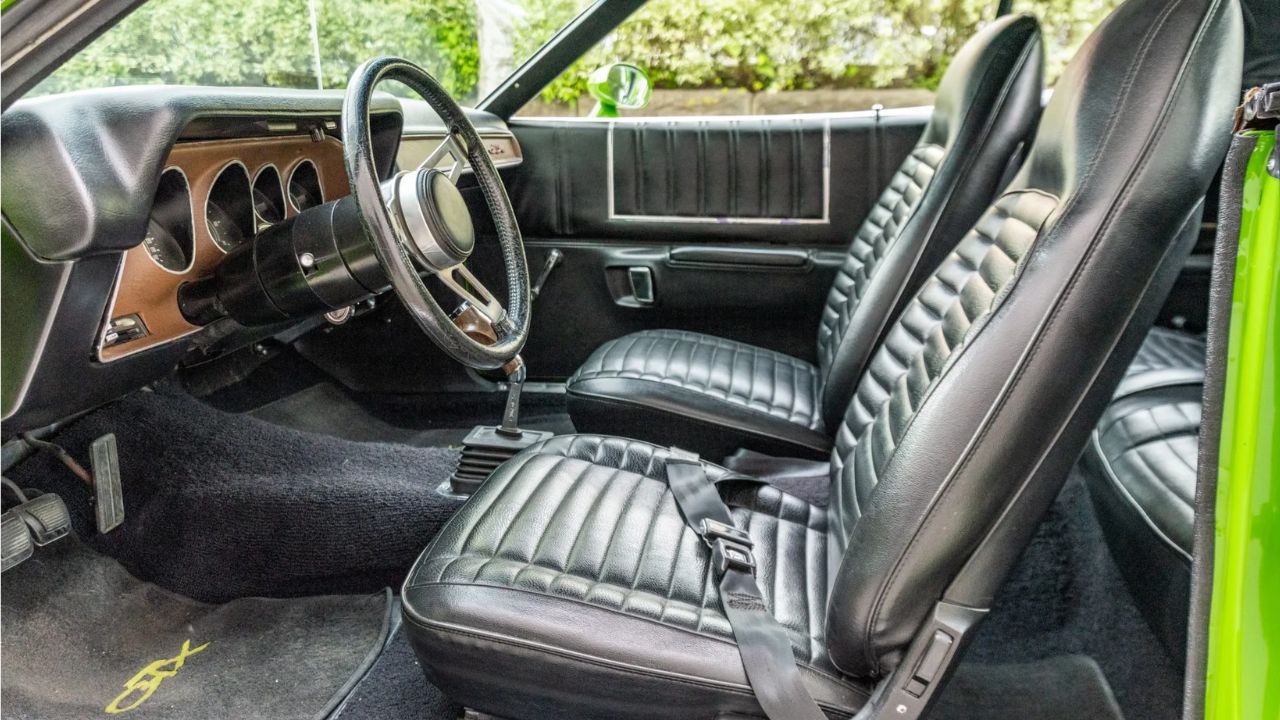
Plymouth positioned the GTX above the Road Runner, and the interior reflected that. You got high-back bucket seats, woodgrain trim, and an optional center console with slap-stick shifter if you chose the automatic.
This wasn’t just about speed—it was about delivering a more refined experience. Even the Rallye instrument cluster added to the visual appeal, making the car feel more complete inside.
Factory Graphics Stayed Toned-Down
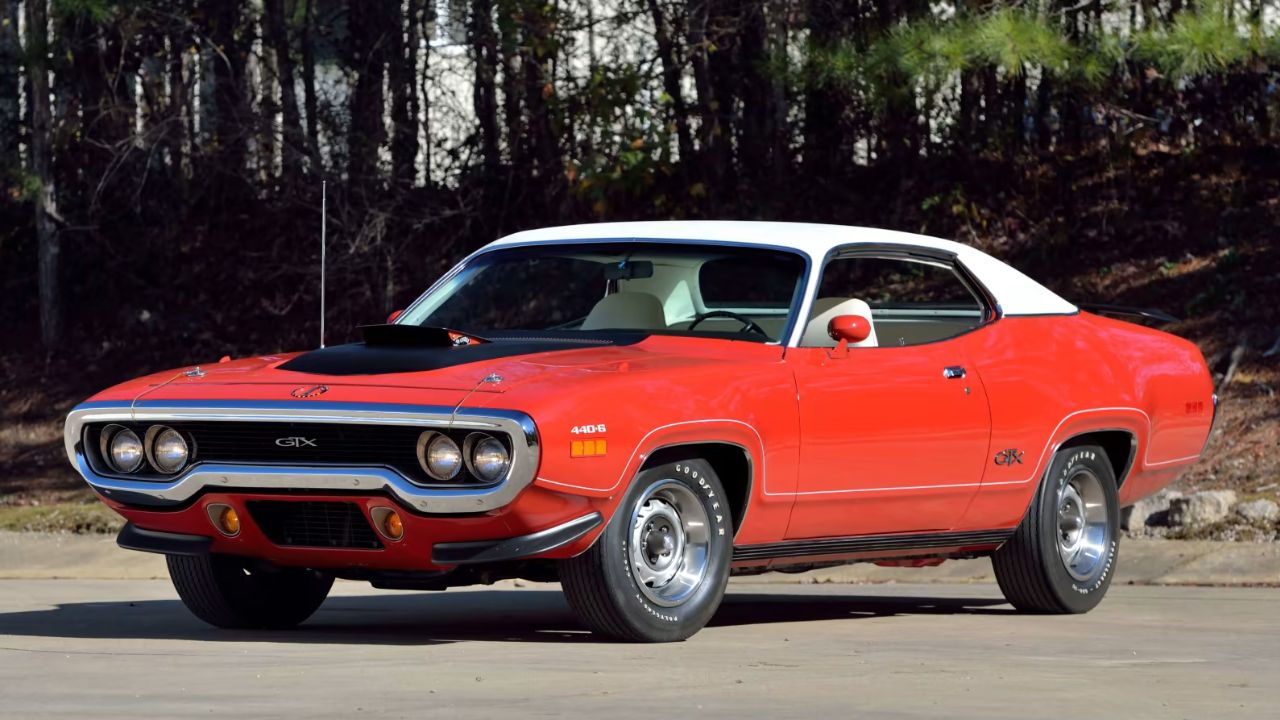
Compared to the wild graphics seen on some Road Runners and Chargers, the GTX kept things relatively clean. A body-side stripe and small “GTX” badging were often all you saw—unless it had the Air Grabber hood, which added more flair.
The minimal graphics actually help the car age better. Today, the GTX looks refined and powerful without needing oversized decals or flash to sell the idea.
It Was a Muscle Car with Real Street Cred
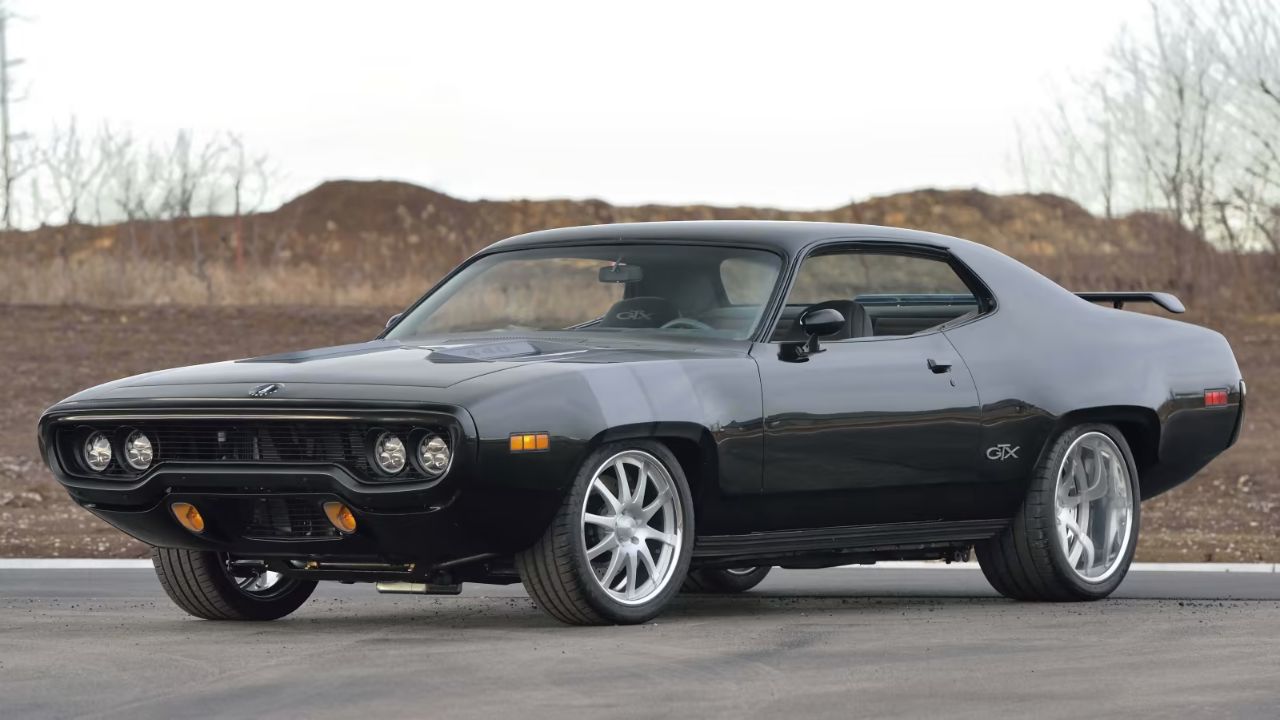
The 1971 GTX wasn’t just a spec sheet hero—it earned respect in street races and drag strips. The 440-powered cars could run low-14-second quarter miles right out of the box.
It wasn’t about hype. The GTX backed up its numbers in real-world use, which explains why so many original owners have held onto theirs. It was a performance machine that could take a beating.
Its Legacy Still Resonates
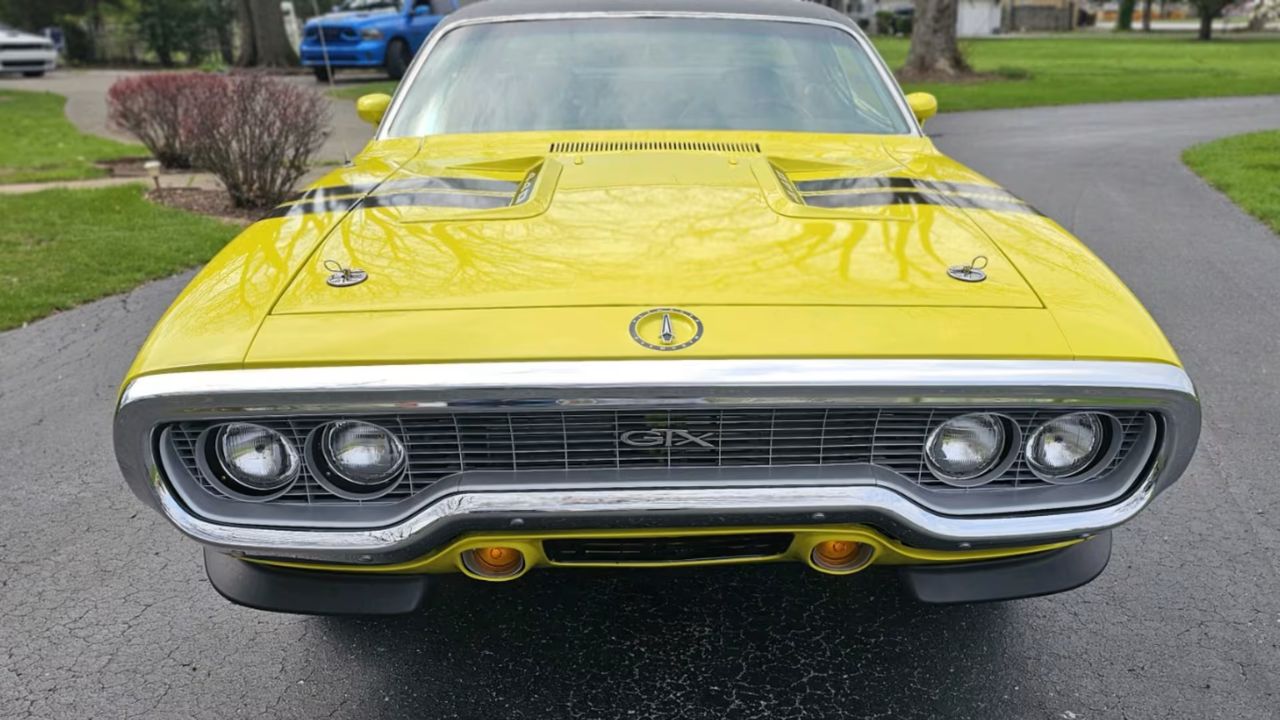
Even though the name disappeared after 1974, the 1971 GTX left a lasting impression. It was the last year you could get that much muscle in a fully loaded, stand-alone package before emissions and insurance gutted the segment.
Collectors have come around to the ‘71 as a turning point. It was the swan song of the high-power era—one final roar before muscle cars got quiet. And that’s why it still matters.
Like Fast Lane Only’s content? Be sure to follow us.
Here’s more from us:



Leave a Reply