
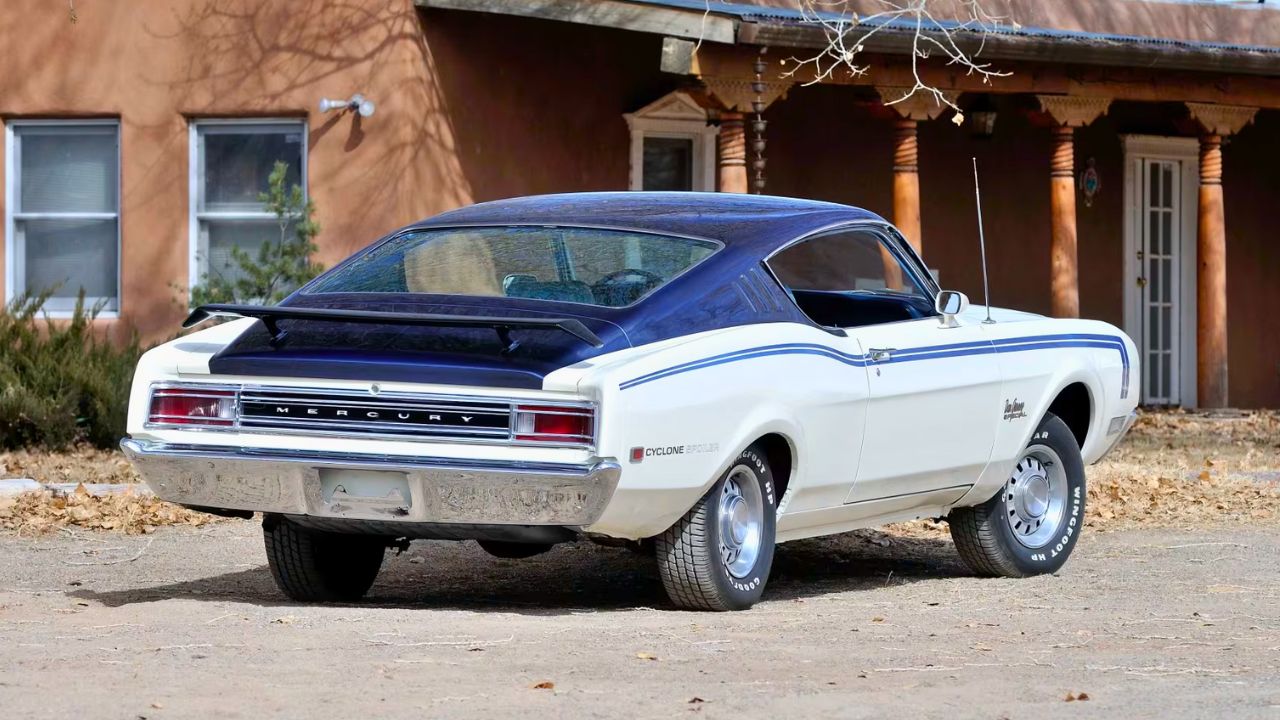
The Mercury Cyclone Spoiler II was one of the most purpose-built muscle cars of the aero wars. Born out of NASCAR homologation rules, it was designed for one thing only: speed on the super speedways. But its time in the spotlight was incredibly brief. Despite its sleek bodywork and real racing credentials, the Spoiler II disappeared almost as quickly as it arrived. Here’s a closer look at ten reasons this aerodynamic oddball faded from the scene just as quickly as it hit it.
It Was Built for NASCAR, Not the Street
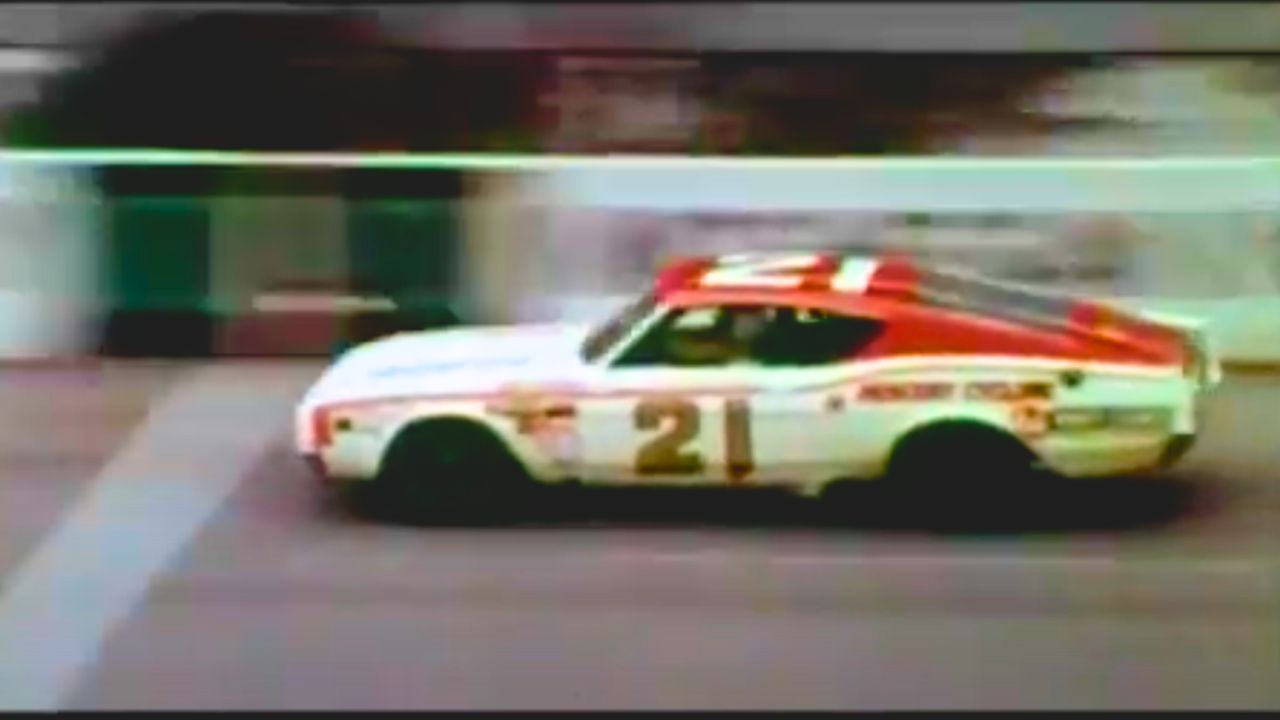
The Cyclone Spoiler II was created solely to meet NASCAR homologation rules. To compete, Mercury had to build 500 production cars for public sale. These weren’t made to be daily drivers. They were long-nosed, low-drag race machines adapted just enough to be street legal. That limited appeal meant few buyers lined up for something that felt more like a prototype than a showroom-ready muscle car.
Ford Pulled the Plug on the Aero Wars
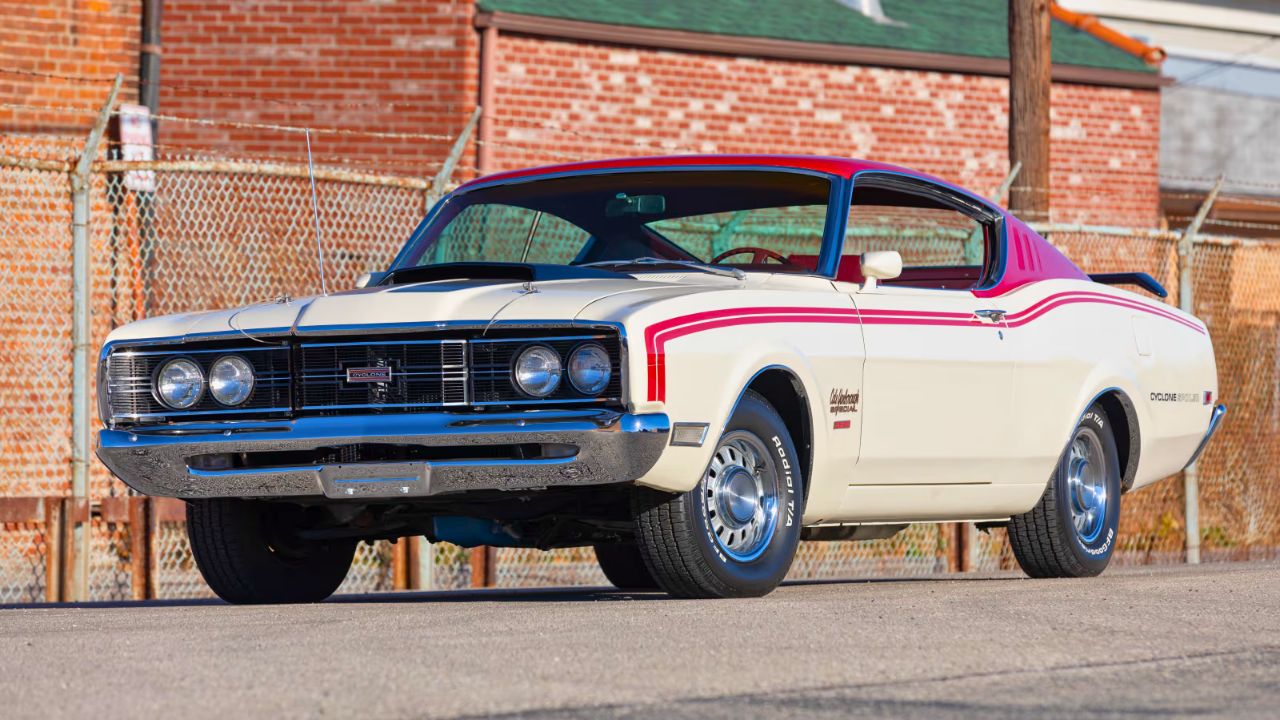
Mercury’s parent company, Ford, decided to end its factory support for NASCAR in 1970. That decision abruptly halted development of the Spoiler II, just as it was starting to show promise on the track. Without corporate backing, the car’s racing future was cut short, and so was its production. It wasn’t a failure in performance—it was a victim of strategy.
It Had a Very Short Production Run
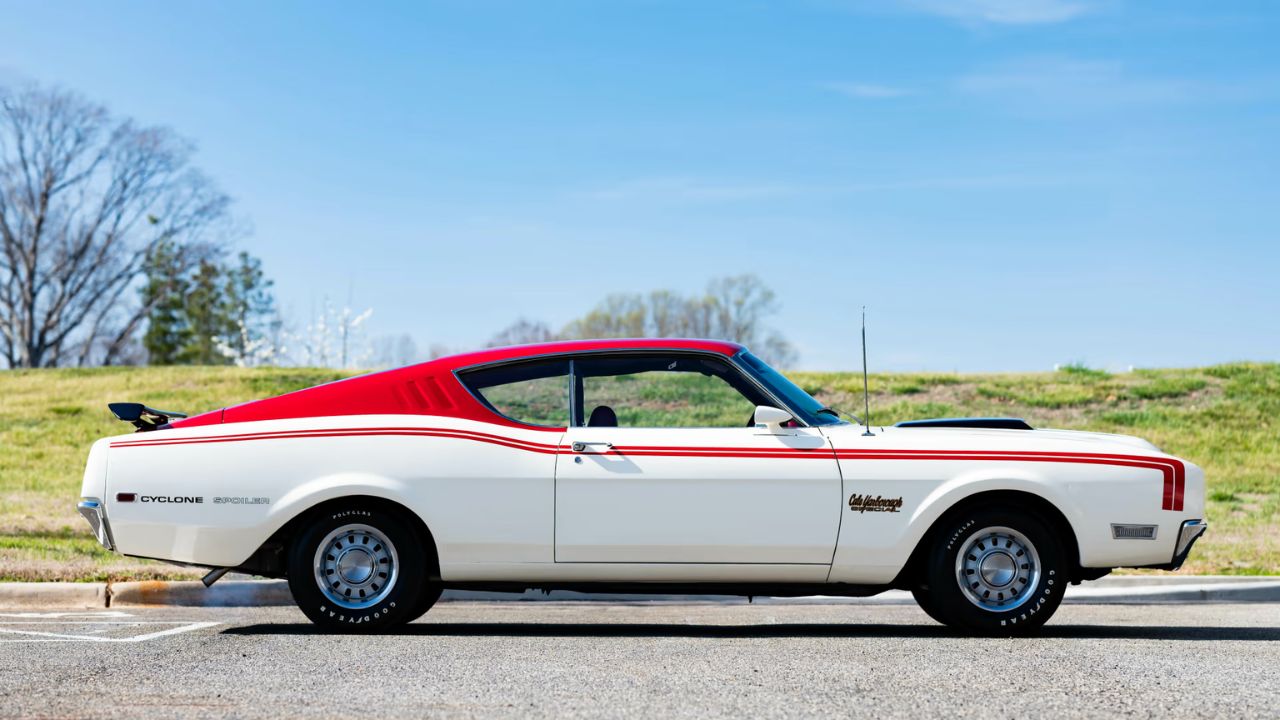
Mercury only built the Cyclone Spoiler II for the 1969 model year. Fewer than 520 units were made, making it one of the rarest factory muscle cars of the era. With such a short window, there wasn’t time to build momentum or consumer interest. Most people never even saw one in person, let alone had the chance to buy one.
The Aero Package Was Too Extreme
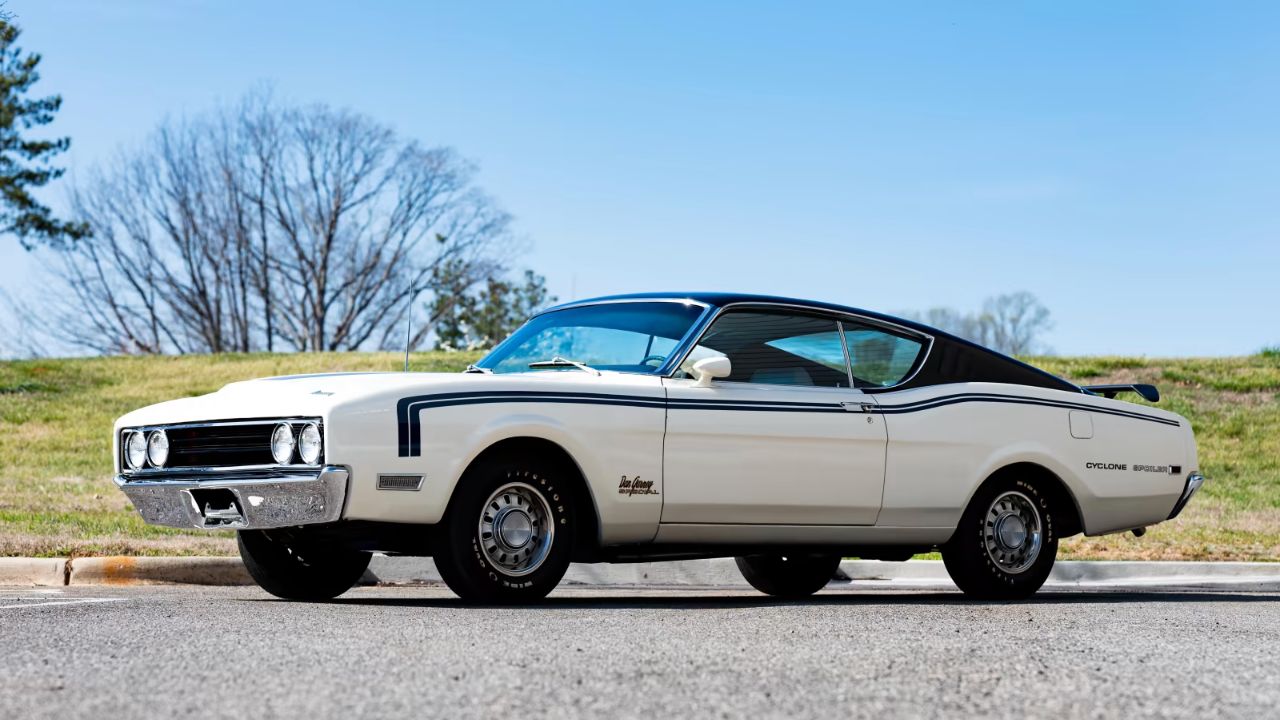
To reduce drag, the front end was stretched nearly six inches and dropped lower than the standard Cyclone. While effective on the track, this made the car impractical for regular roads and speed bumps. The bodywork was hand-fitted, and tolerances were race-car tight. It worked well at Daytona, but on a city street, it was easy to scrape or damage.
Only One Engine Option Was Available
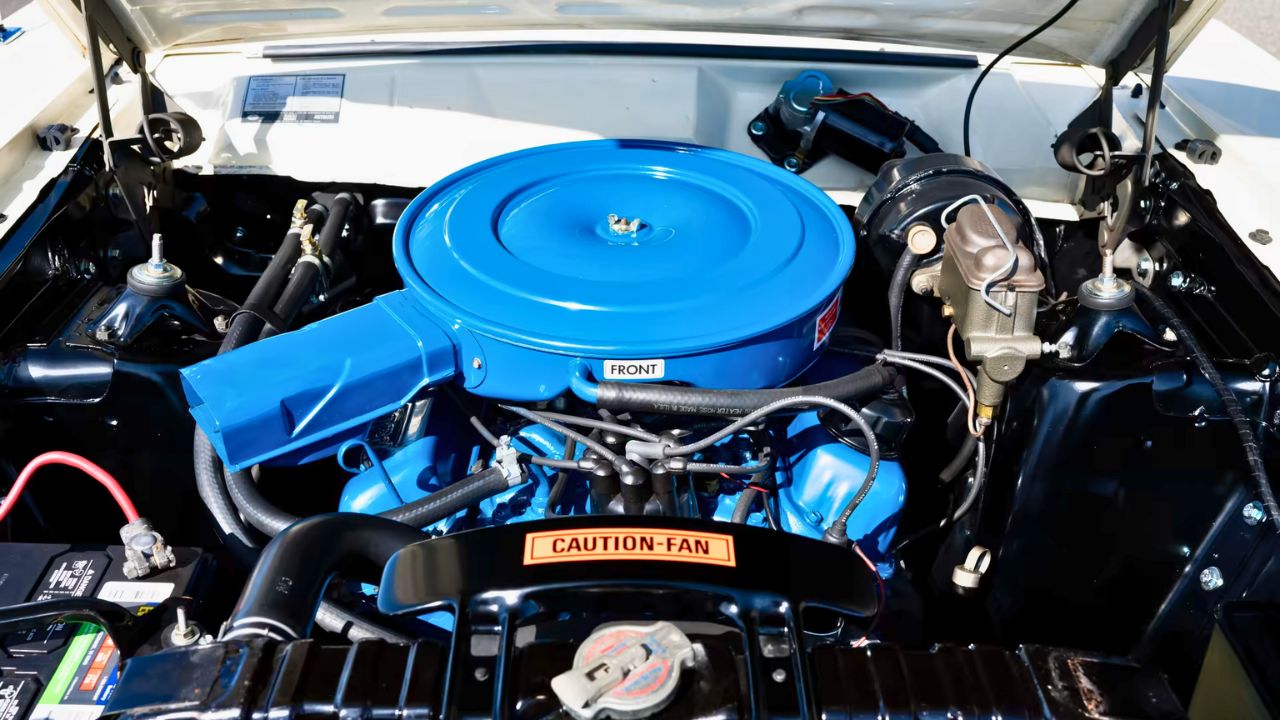
Unlike other muscle cars of the time that offered multiple engine choices, the Spoiler II only came with a 351-cubic-inch Windsor V8. It made 290 horsepower and was solid, but it lacked the mystique of big-block options. That limited its street appeal and placed it at a disadvantage against better-known nameplates with fire-breathing 428s and 440s.
It Had No Major Advertising Push
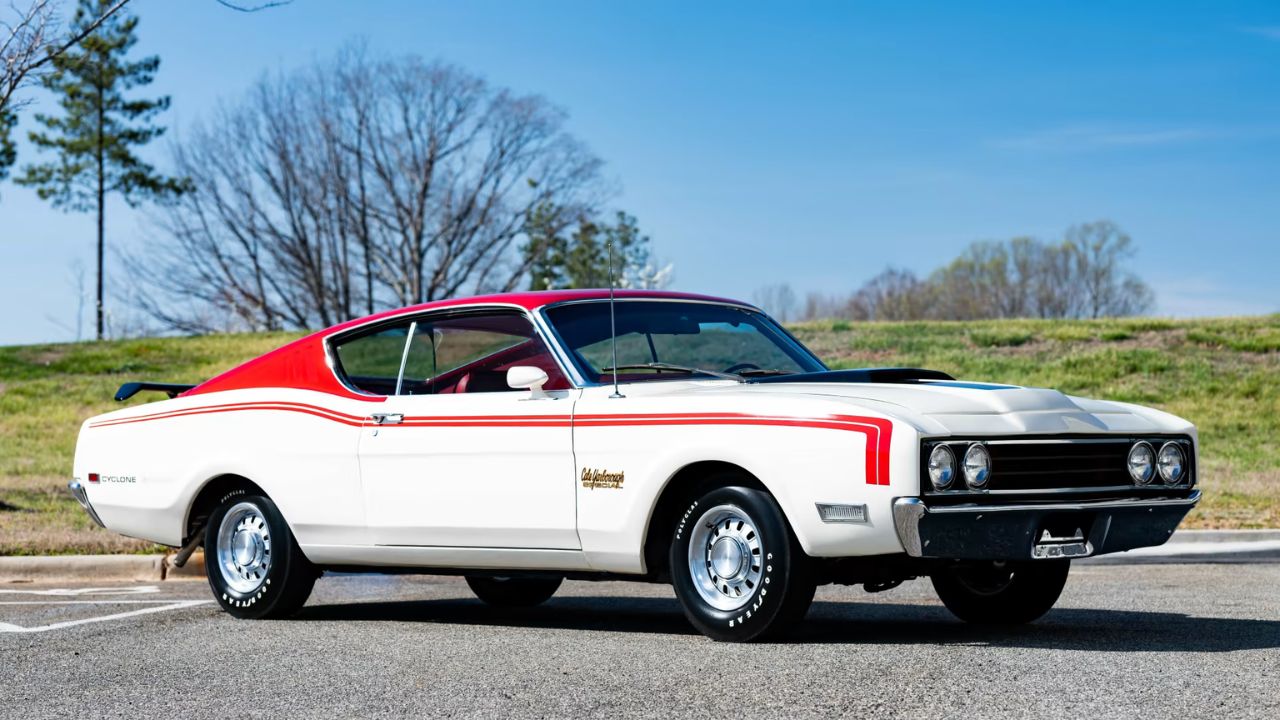
Mercury never gave the Spoiler II a serious marketing campaign. While Dodge and Plymouth leaned into their NASCAR-inspired Superbird and Daytona promotions, Mercury quietly slipped the Spoiler II into the lineup with little fanfare. Without hype or visibility, most buyers didn’t know it existed—or why they should care.
Emissions and Insurance Hit Hard
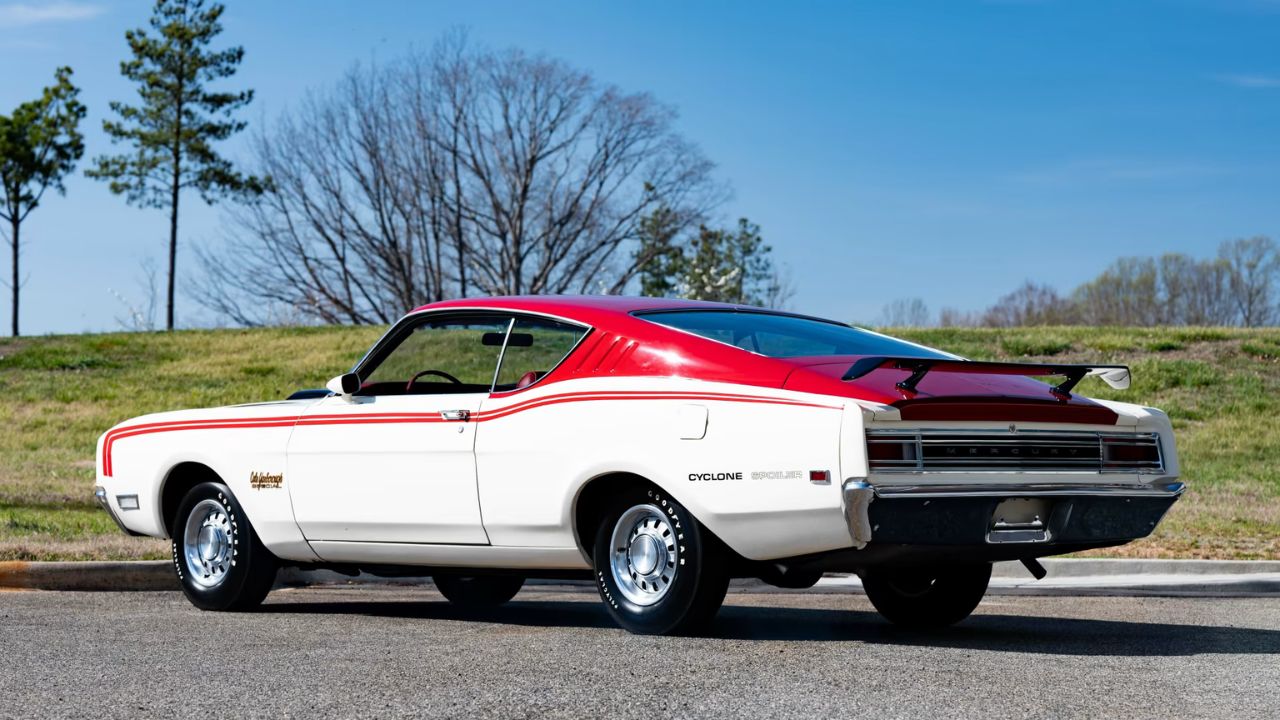
Just a year after the Spoiler II launched, the muscle car world started to change. Emissions regulations and rising insurance premiums made high-performance cars harder to own. By 1971, horsepower ratings were dropping and consumers were rethinking their priorities. The Spoiler II, with its racing-focused DNA, wasn’t built for this new era.
It Was Overshadowed by Ford’s Torino Talladega
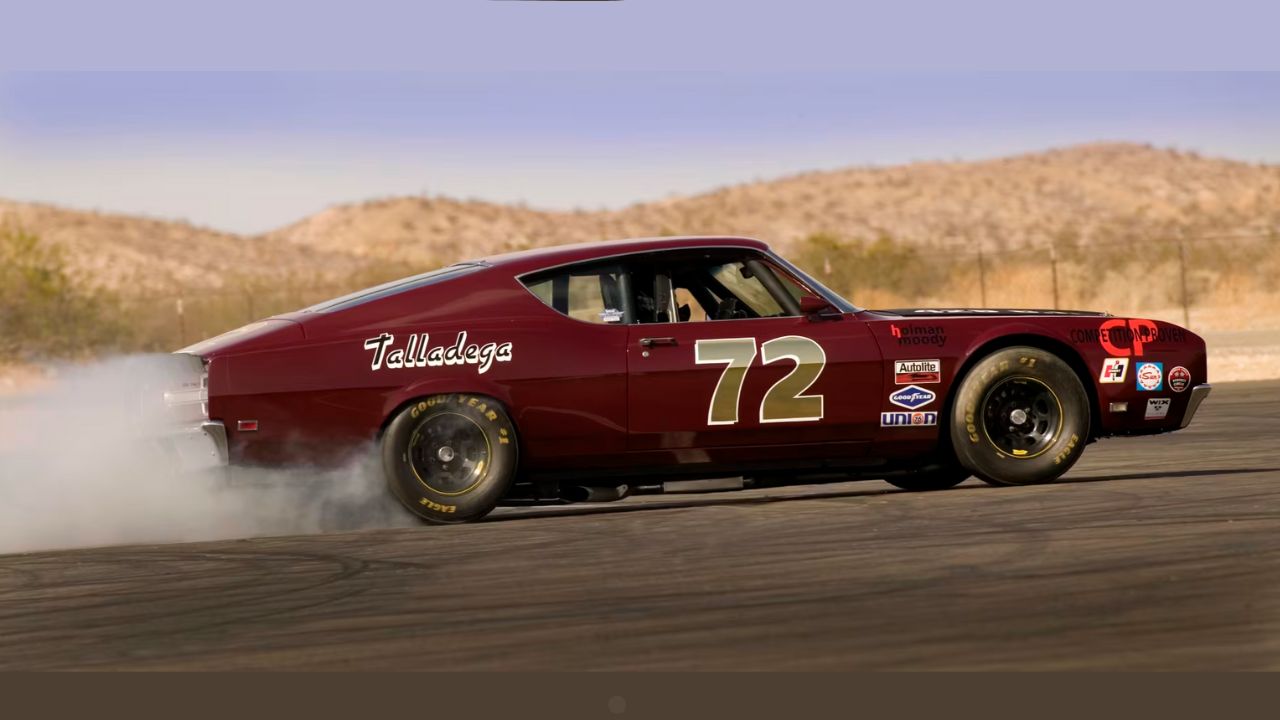
The Cyclone Spoiler II shared its aerodynamic strategy with the Ford Torino Talladega. But the Talladega got more attention, both on and off the track. Ford dealerships were better equipped to move performance cars, and Ford’s racing reputation helped push the Talladega into the spotlight. The Mercury was left in the shadows.
Collectors Overlooked It for Years
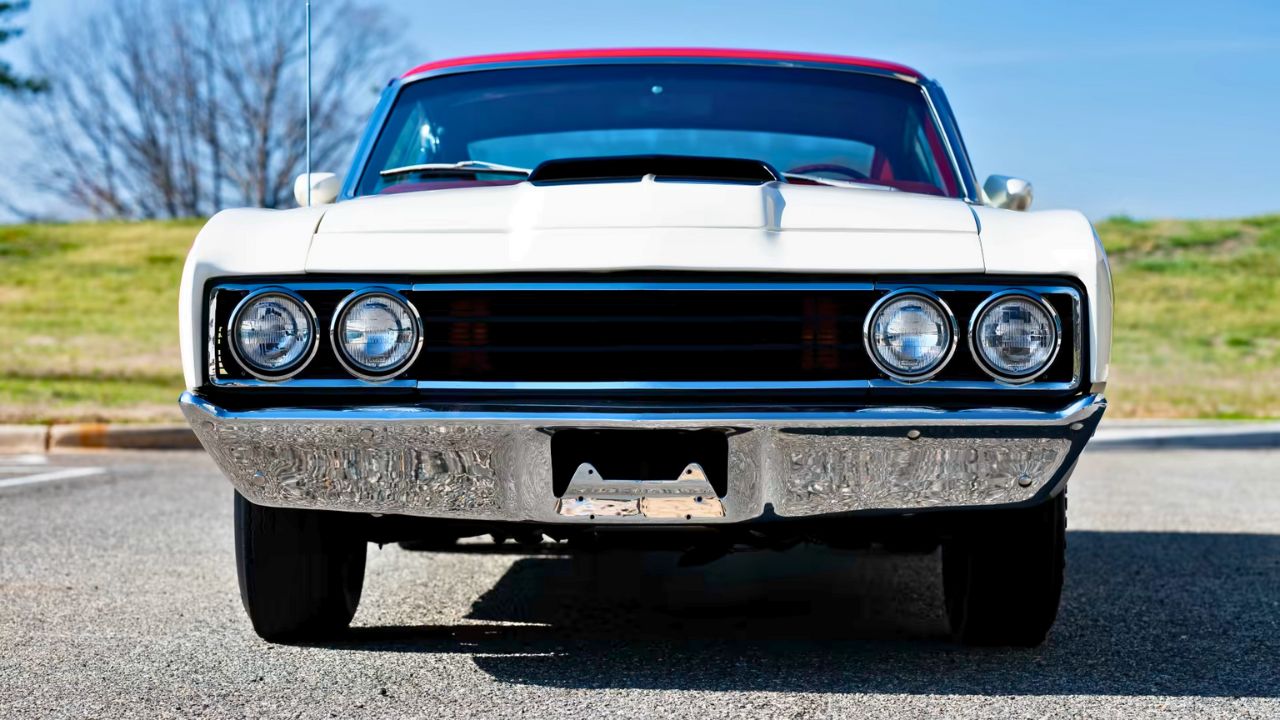
Because it wasn’t widely advertised or produced in large numbers, the Spoiler II never reached icon status like the Charger Daytona or Superbird. For decades, collectors focused on better-known aero warriors. Only recently have prices started creeping upward as buyers realize just how rare these cars actually are.
It Was Too Far Ahead of Its Time
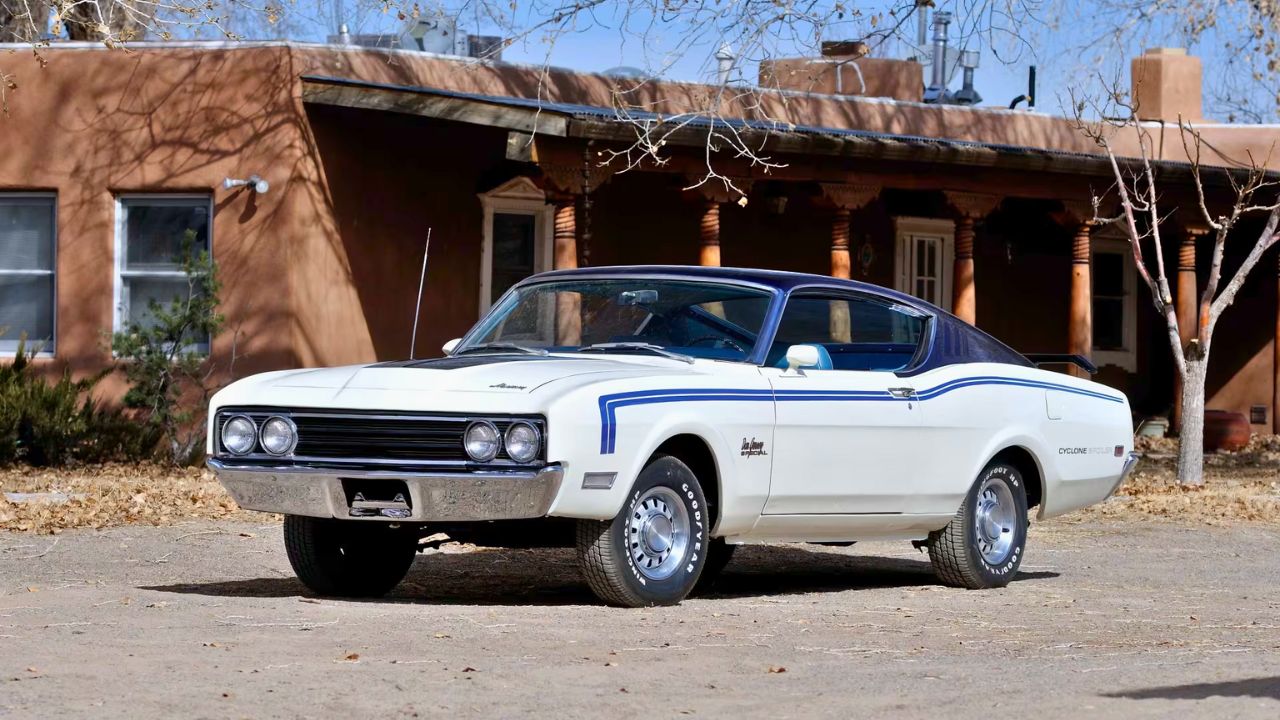
The Cyclone Spoiler II was built for speed and competition at a time when muscle cars were still supposed to be practical and stylish. Its purpose-driven design confused casual buyers. It wasn’t built to cruise—it was built to win. That made it fascinating in hindsight, but hard to sell in 1969.
Like Fast Lane Only’s content? Be sure to follow us.
Here’s more from us:




Leave a Reply