
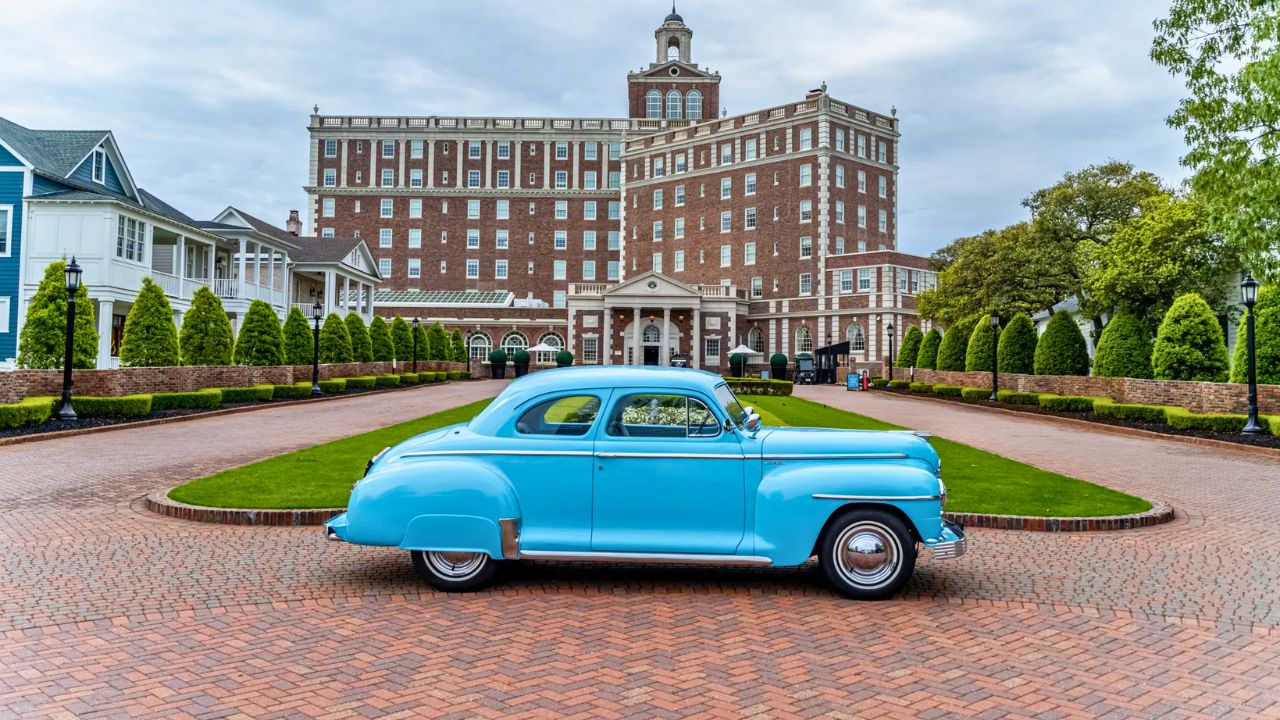
The 1948 Plymouth P15 Suburban was America’s first all-steel-bodied station wagon. Long before SUVs took over driveways, Plymouth gave families a wagon that blended utility with quiet confidence. It was practical, durable, and had just enough flair to stand out in traffic without trying too hard. In a world full of plastic cladding and overstyled crossovers, the P15 Suburban offers a reminder that character doesn’t need a touchscreen.
It was the first all-steel wagon in the U.S.
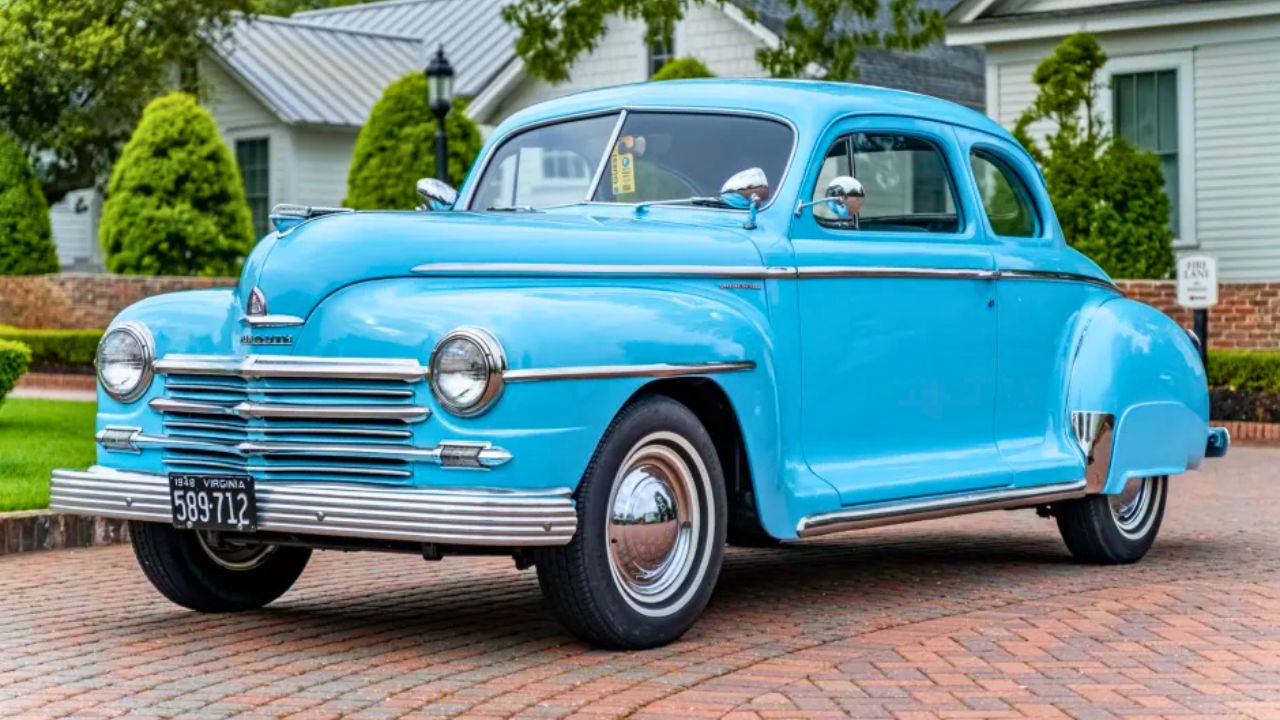
Plymouth introduced the P15 Suburban as the nation’s first mass-produced station wagon with an all-steel body. Until then, most wagons still relied on wood paneling. The steel construction made it cheaper to build, easier to maintain, and far more durable—exactly what postwar buyers were looking for in a family hauler.
The inline-six was simple and reliable
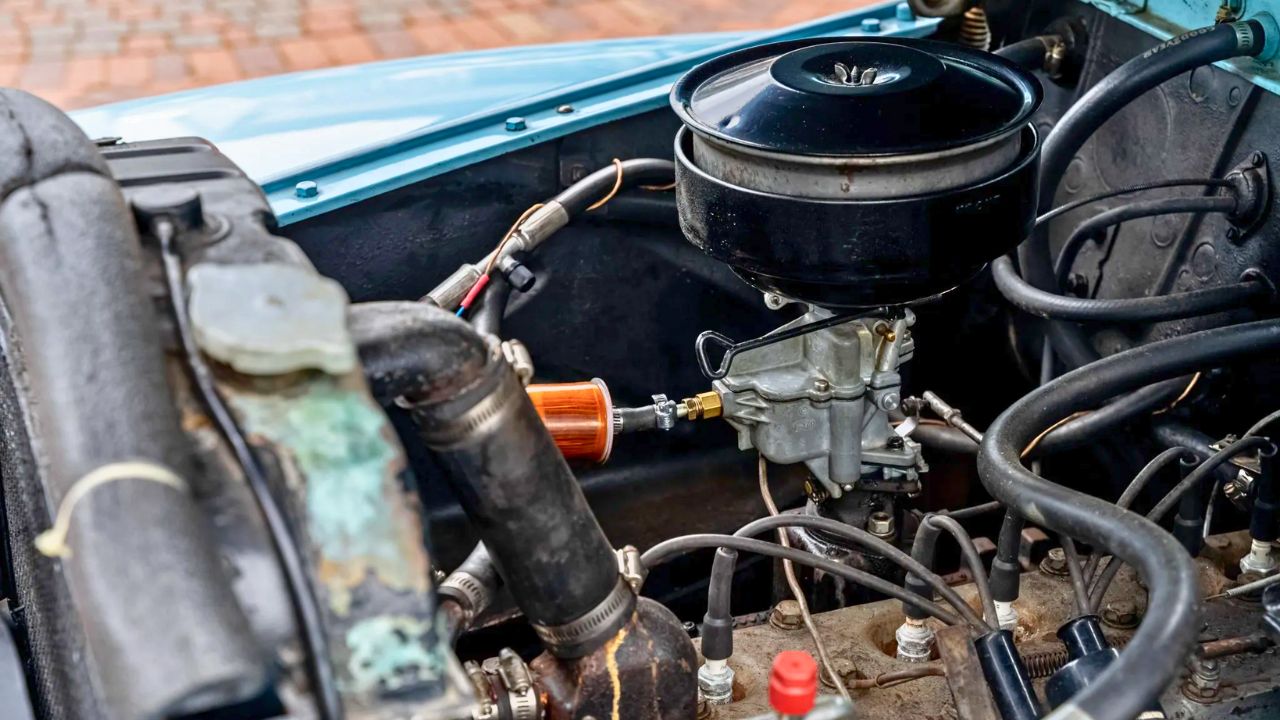
Under the hood was a 218-cubic-inch flathead inline-six, good for about 95 horsepower. That may not sound like much today, but it was enough to carry the wagon and a full load of passengers without complaint. The engine was designed for longevity, not excitement—something SUV engines today could learn from.
You could get it with a three-speed and overdrive
Buyers in 1948 had the option of a column-shifted three-speed manual with optional overdrive. That meant decent highway cruising capability without overstressing the engine. It wasn’t fast, but it was surprisingly smooth and economical at speed—a rare combo in the late ’40s wagon world.
It was priced for the working class
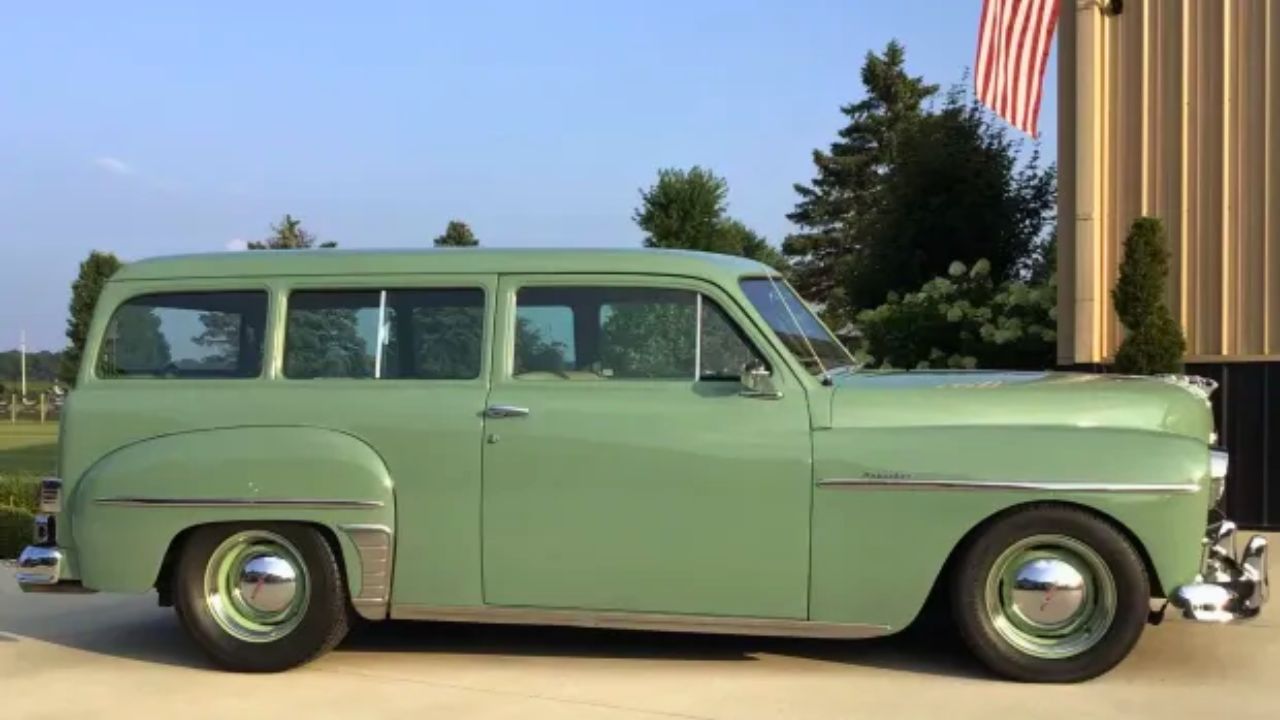
When new, the Suburban sold for just under $1,700. That put it well within reach of middle-class American families. Adjusted for inflation, it was a practical buy compared to the overcomplicated SUV market of today. You got steel, seating, and storage—no fake vents or seven drive modes.
Interior space was thoughtfully designed
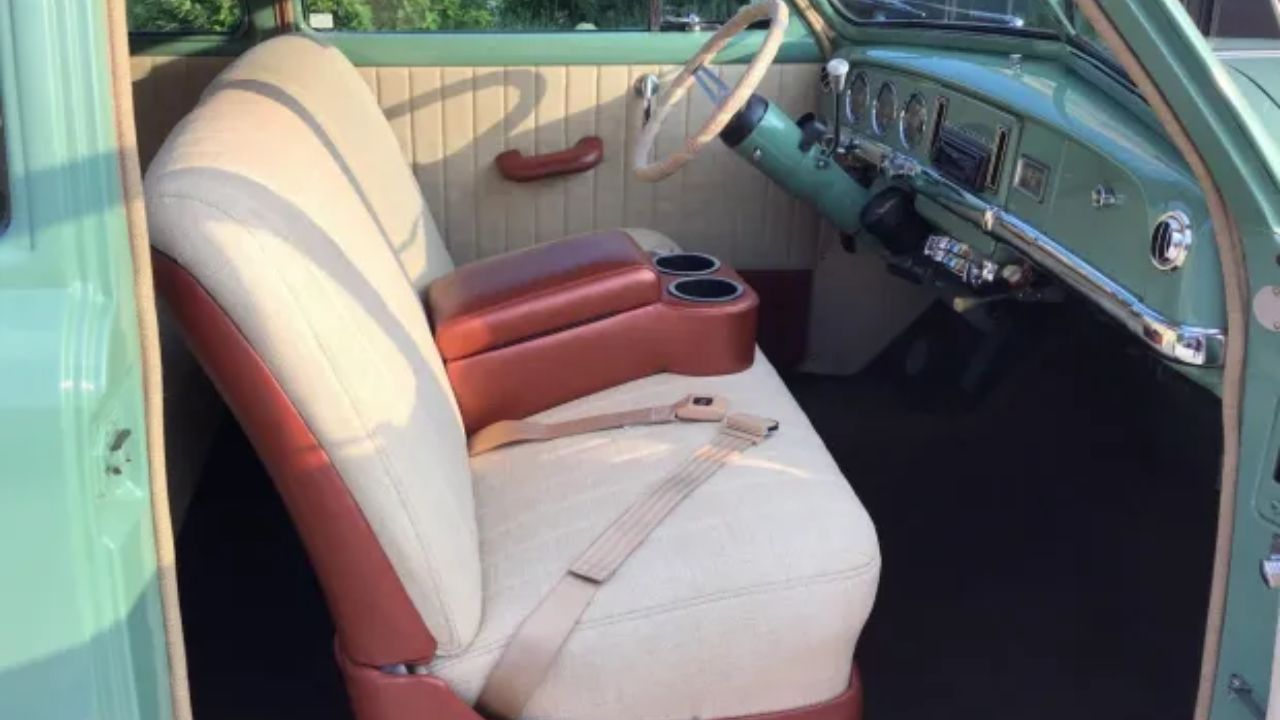
The Suburban could seat six comfortably, with a low load floor and rear bench that folded flat. The cargo area was spacious and square, with wide rear doors for easy loading. It didn’t need marketing terms to explain its utility—it just worked for real-world needs.
Its styling was clean without being bland

The 1948 Suburban didn’t shout for attention. It had a simple, curved front end, a wide grille, and subtle body lines that made it look well-proportioned from every angle. While SUVs today compete for who looks angriest, the P15 Suburban just looked honest.
It shared DNA with wartime production
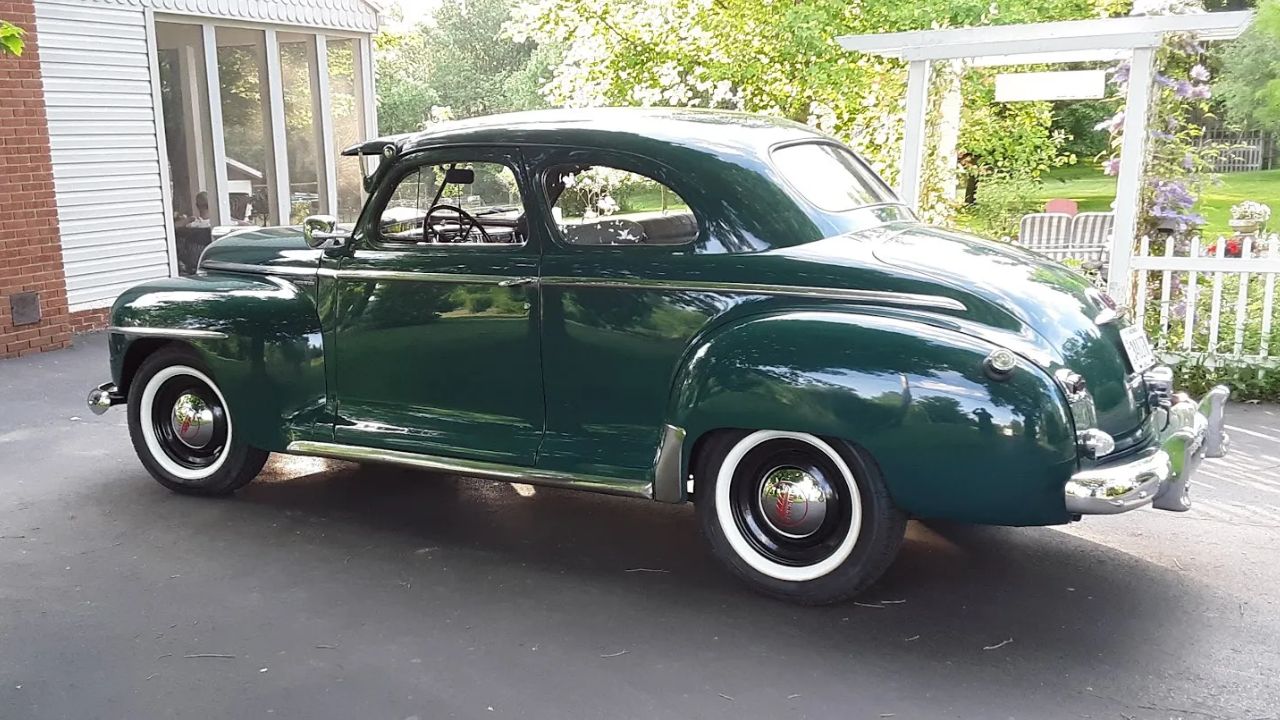
Plymouth’s wartime manufacturing experience carried over into the P15 platform. The Suburban was overbuilt by modern standards, with thicker gauge steel and proven mechanicals. You could feel that durability in how the doors shut and the frame handled heavy loads.
It offered real visibility and simple controls
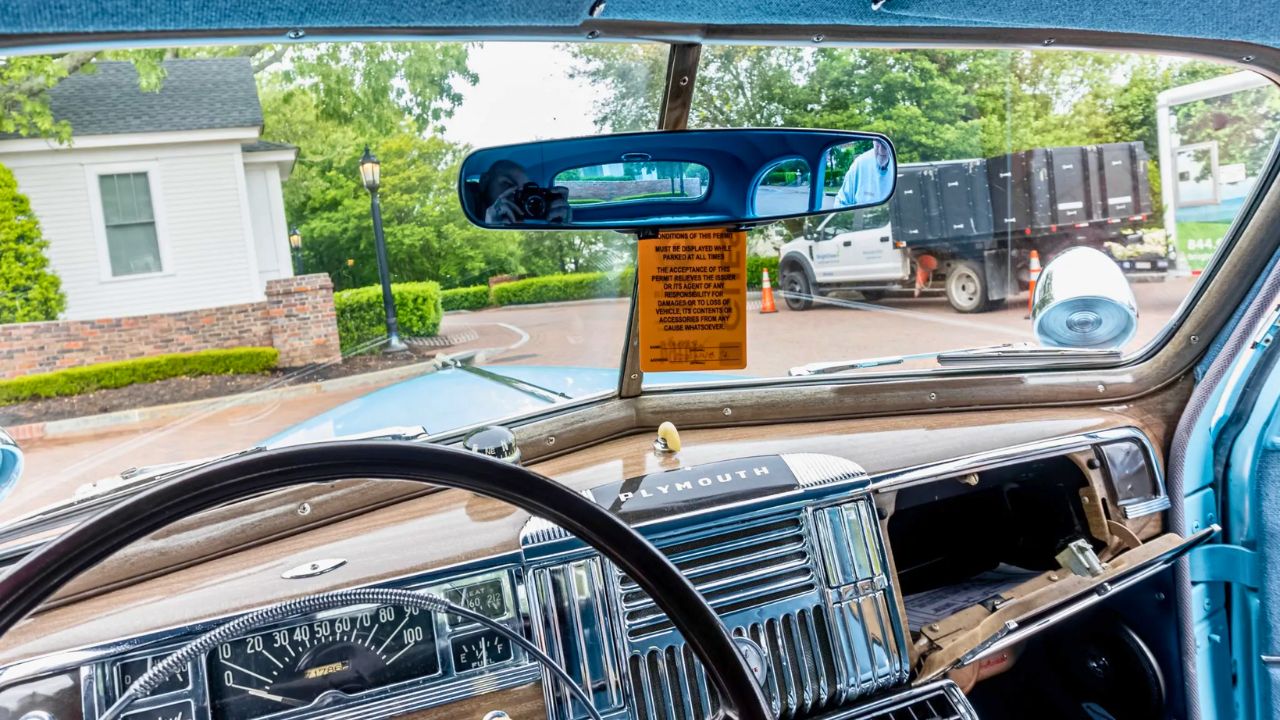
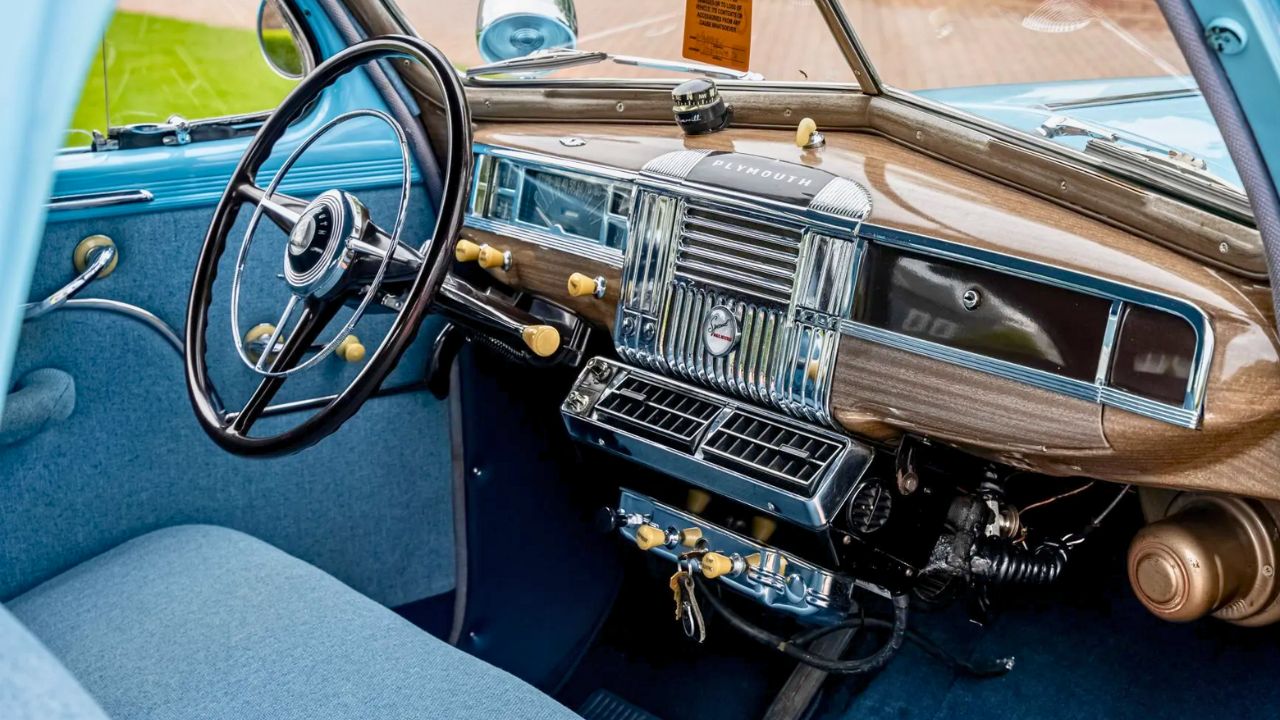
Thanks to its tall glass and thin pillars, the Suburban gave you excellent visibility from every seat. The dashboard was clean and intuitive, with big dials and minimal distractions. No screens, no software updates—just driving without the noise.
Maintenance was easy and cheap

With no electronics to worry about and a straightforward drivetrain, the Suburban was easy for owners or local mechanics to service. Parts were common, repairs were simple, and reliability came standard—something no subscription package could match.
Today’s SUVs could learn a thing or two
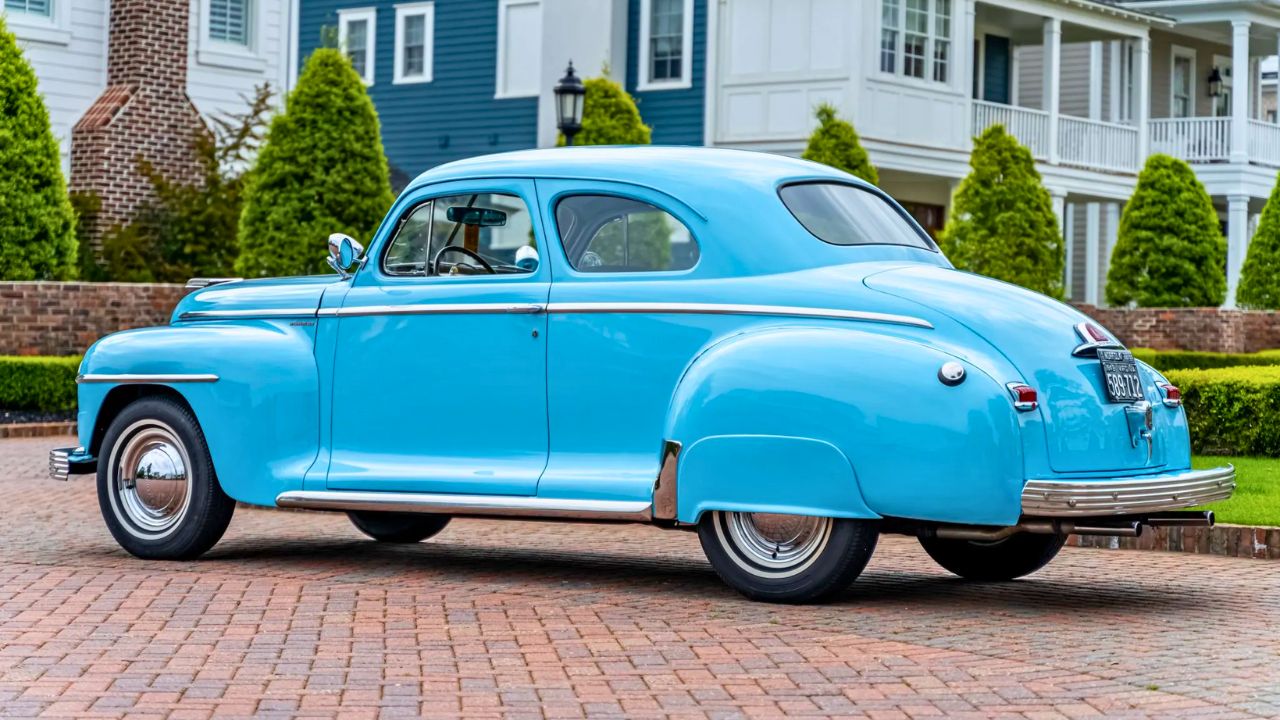
The P15 Suburban didn’t try to be everything to everyone—it just did its job well. It gave families room to grow, a drivetrain that worked, and a design that aged with dignity. If character means standing the test of time, this old Plymouth still wins.
Like Fast Lane Only’s content? Be sure to follow us.
Here’s more from us:
*Created with AI assistance and editor review.

Leave a Reply