
Classic cars are more than just vehicles; they are pieces of automotive history that deserve preservation. While the temptation to take these beauties for a spin is strong, some classics are best stored to maintain their value and legacy. Here are ten classic cars that should be cherished in storage rather than driven on the open road.
Ferrari 250 GTO

The Ferrari 250 GTO, produced between 1962 and 1964, is a masterpiece of engineering and design. With only 36 units ever made, its rarity makes it one of the most sought-after cars in the world. The 250 GTO boasts a V12 engine capable of reaching impressive speeds, but its real value lies in its exclusivity and history. For those lucky enough to own one, it’s wiser to store this iconic vehicle to preserve its worth, as indicated here.
Aston Martin DB5
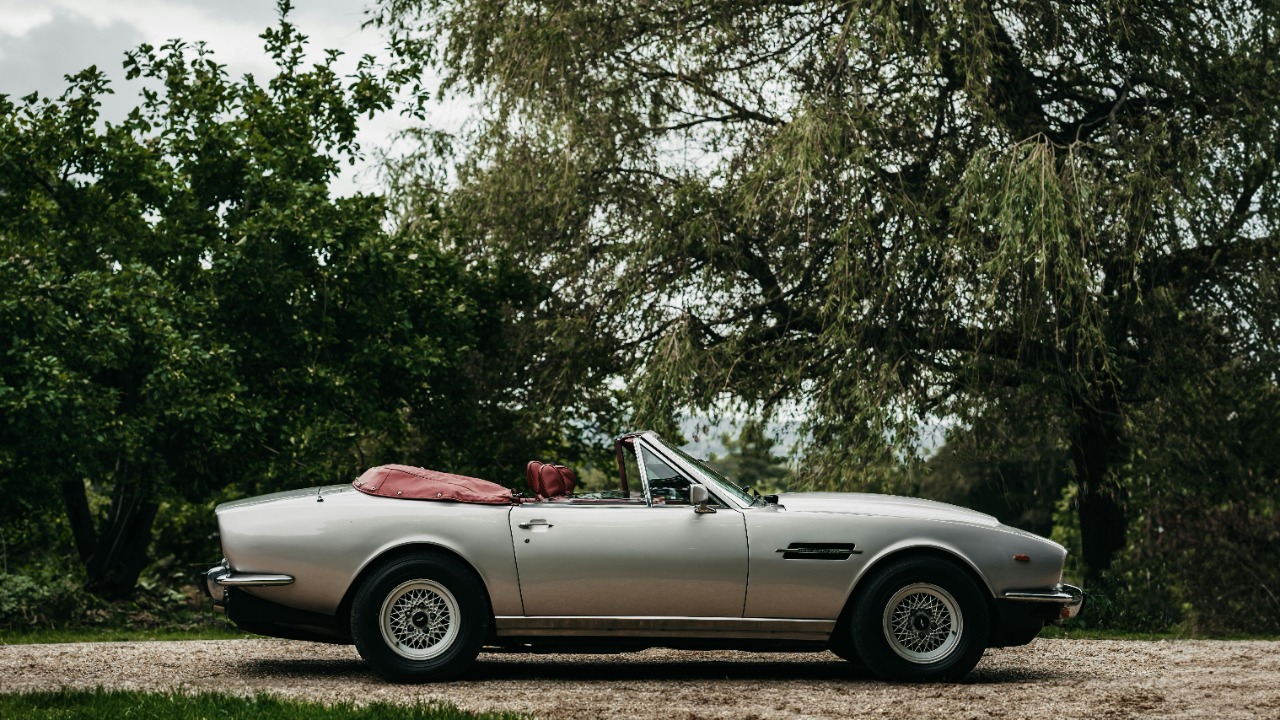
The Aston Martin DB5, produced from 1963 to 1965, is often associated with the suave sophistication of James Bond. Its sleek design and powerful engine make it a desirable collector’s item. While it can still turn heads today, driving it regularly can lead to wear and tear that diminishes its value. With its status as a cultural icon, storing the DB5 is a smart move for any classic car enthusiast.
Mercedes-Benz 300 SL Gullwing
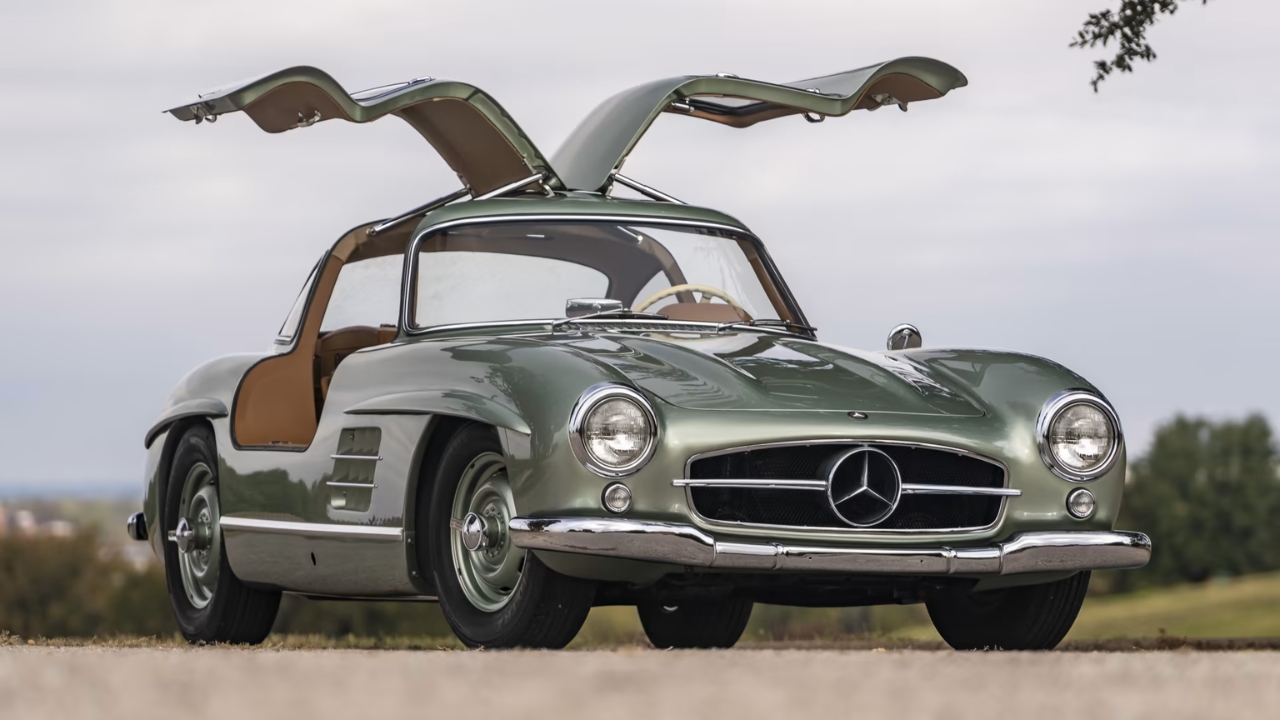
Produced between 1954 and 1963, the Mercedes-Benz 300 SL Gullwing is famous for its distinctive upward-opening doors. It was once the fastest production car of its time, blending style and speed. However, the 300 SL’s complex engineering requires careful maintenance, and driving it regularly can be costly. To protect this engineering marvel, it’s best kept in a secure storage facility.
Shelby Cobra 427
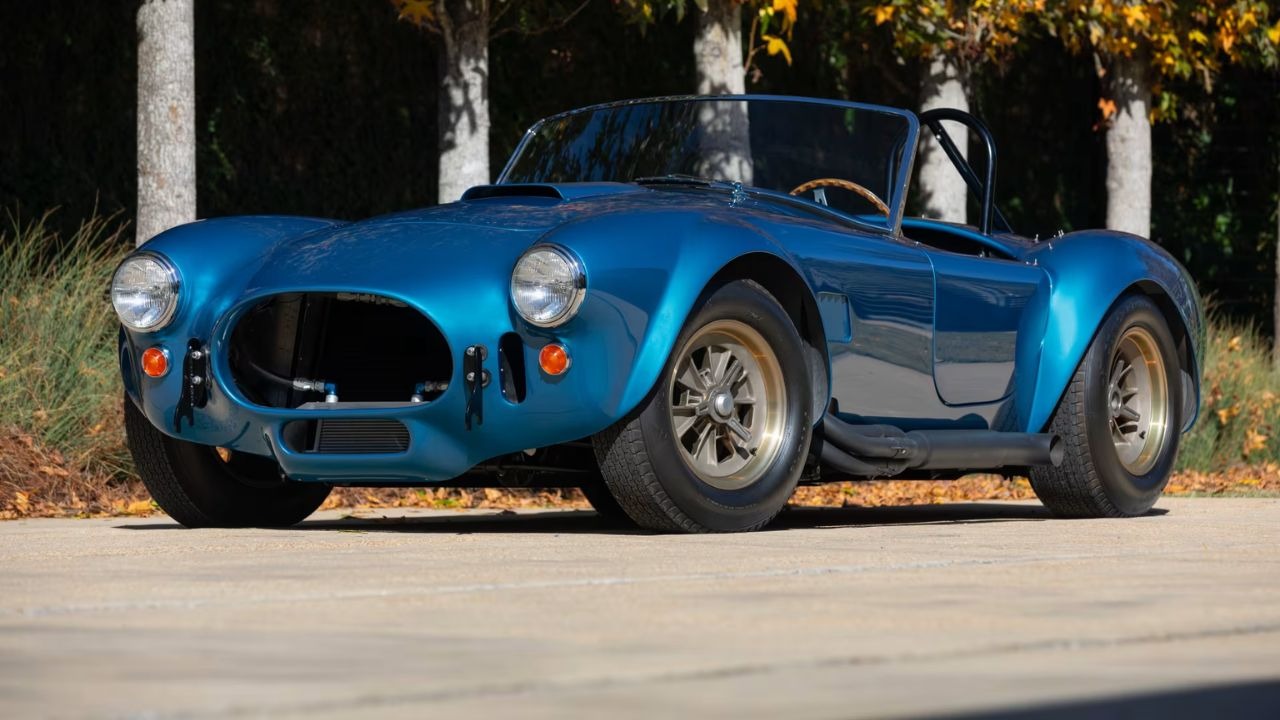
The Shelby Cobra 427, produced in the mid-1960s, is a legend in the world of muscle cars. Known for its massive V8 engine and lightweight body, the Cobra 427 offers thrilling performance. But its limited production numbers and racing pedigree make it a prime candidate for storage. By keeping it off the road, owners can maintain its value and avoid the risks associated with regular driving.
Jaguar E-Type Series 1
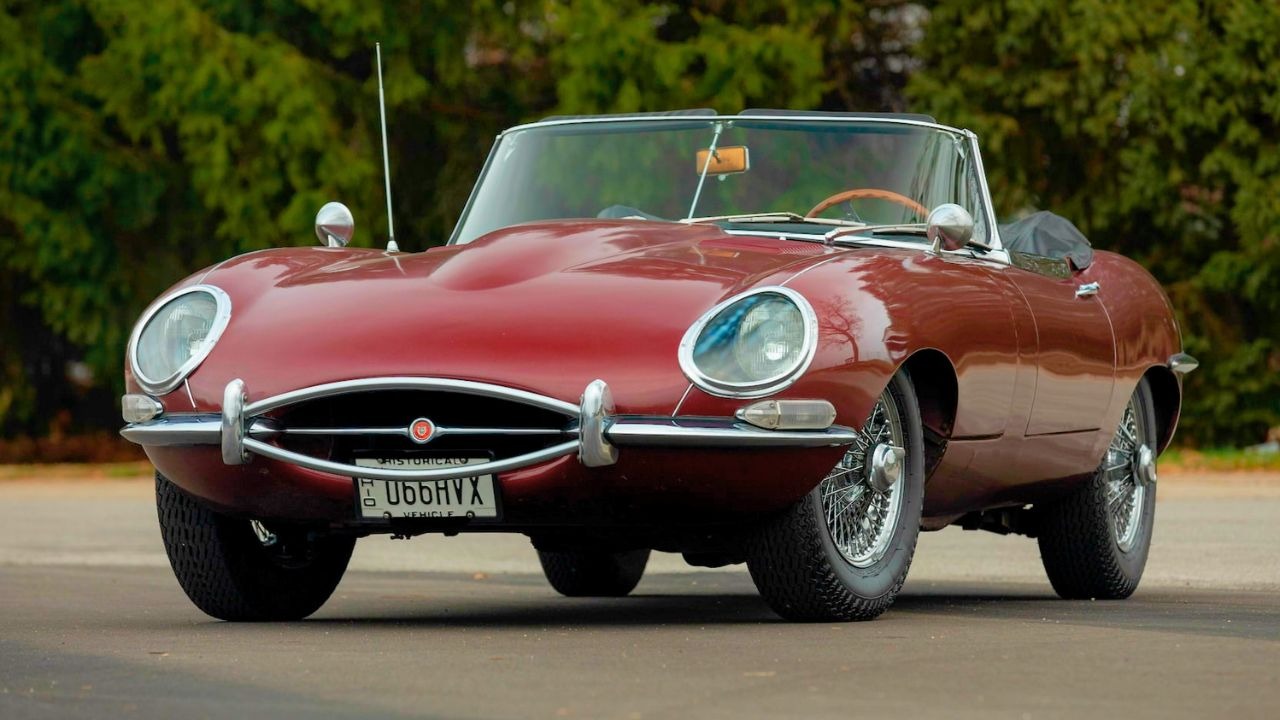
Launched in 1961, the Jaguar E-Type Series 1 is celebrated for its stunning design and exceptional performance. Its sleek lines and powerful engine have made it a favorite among car collectors. While it offers an exhilarating drive, the E-Type’s historical significance and potential for appreciating value suggest it should be stored rather than driven frequently, as noted in this article.
Porsche 356 Speedster
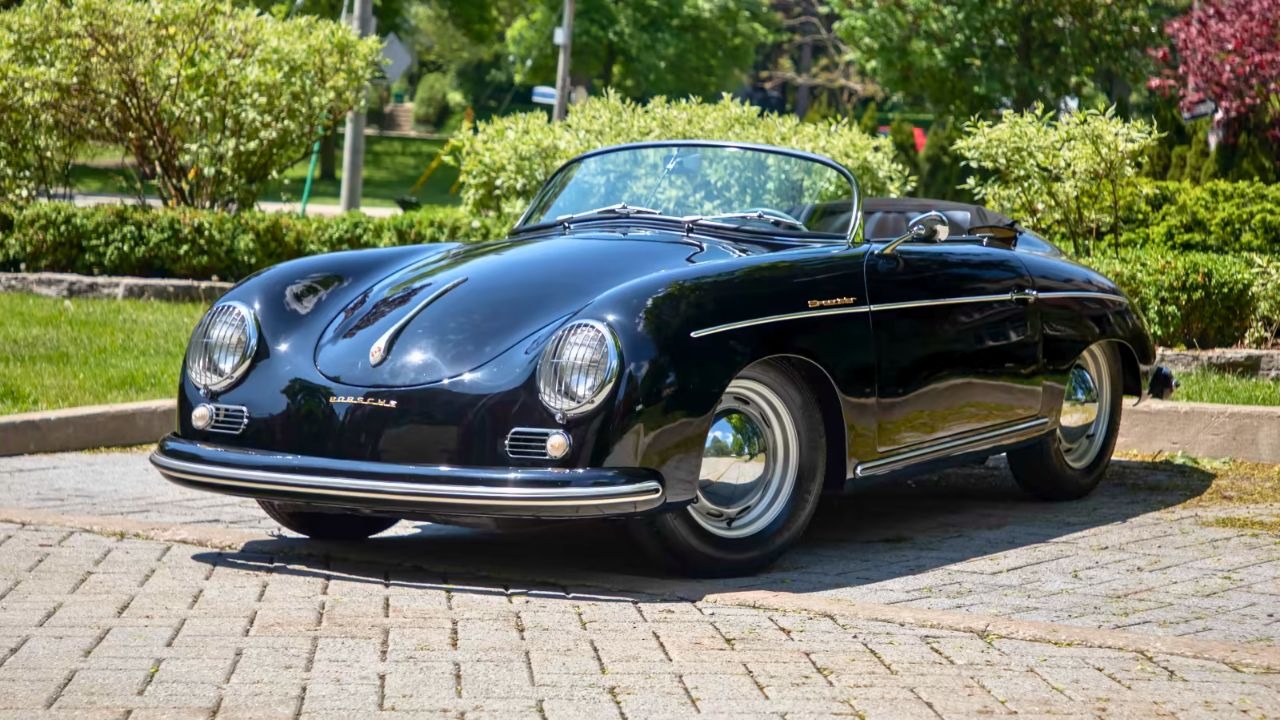
The Porsche 356 Speedster, produced from 1954 to 1958, is a symbol of elegance and simplicity. Its lightweight design and agile handling make it a joy to drive, but its increasing rarity and desirability among collectors mean it’s better preserved in storage. By keeping it safe, owners can ensure its legacy endures for future generations to appreciate.
Lamborghini Miura
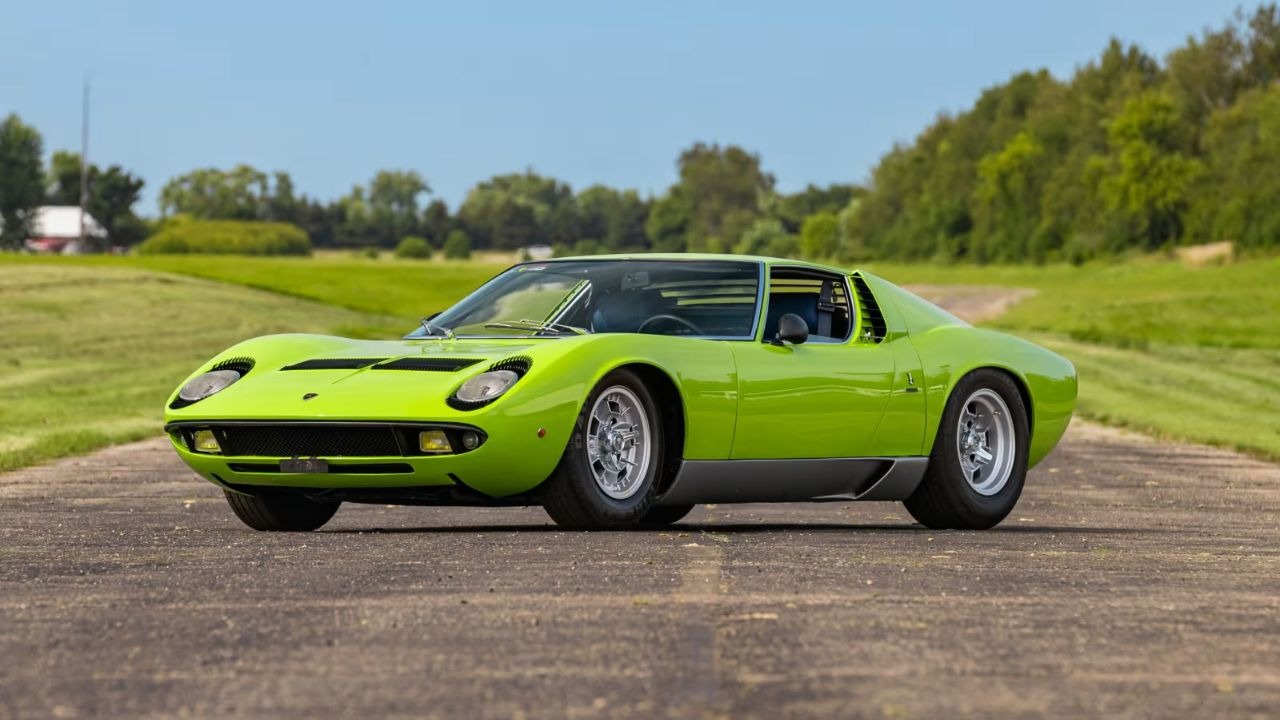
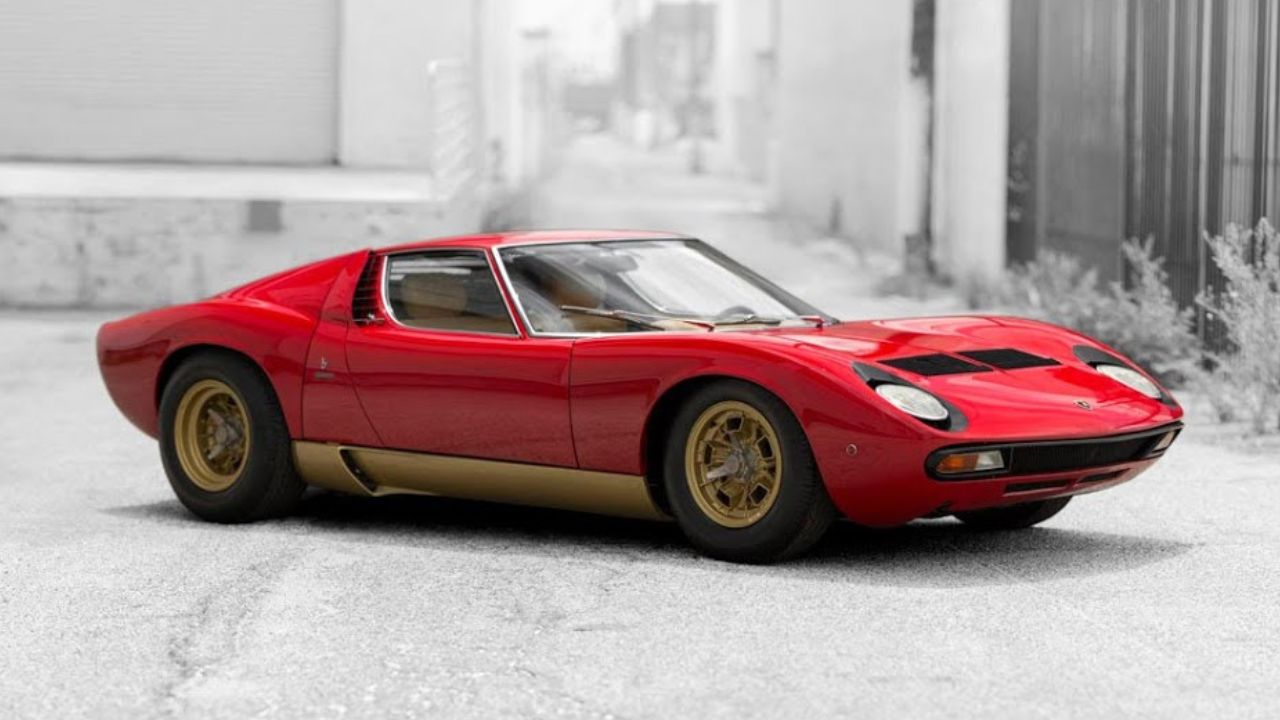
The Lamborghini Miura, produced between 1966 and 1973, is often credited with being the first supercar. Its groundbreaking design and powerful V12 engine make it a standout in automotive history. Given its significance and limited production, storing the Miura is a prudent decision for preserving its value and ensuring its continued admiration.
Chevrolet Corvette Sting Ray (C2)
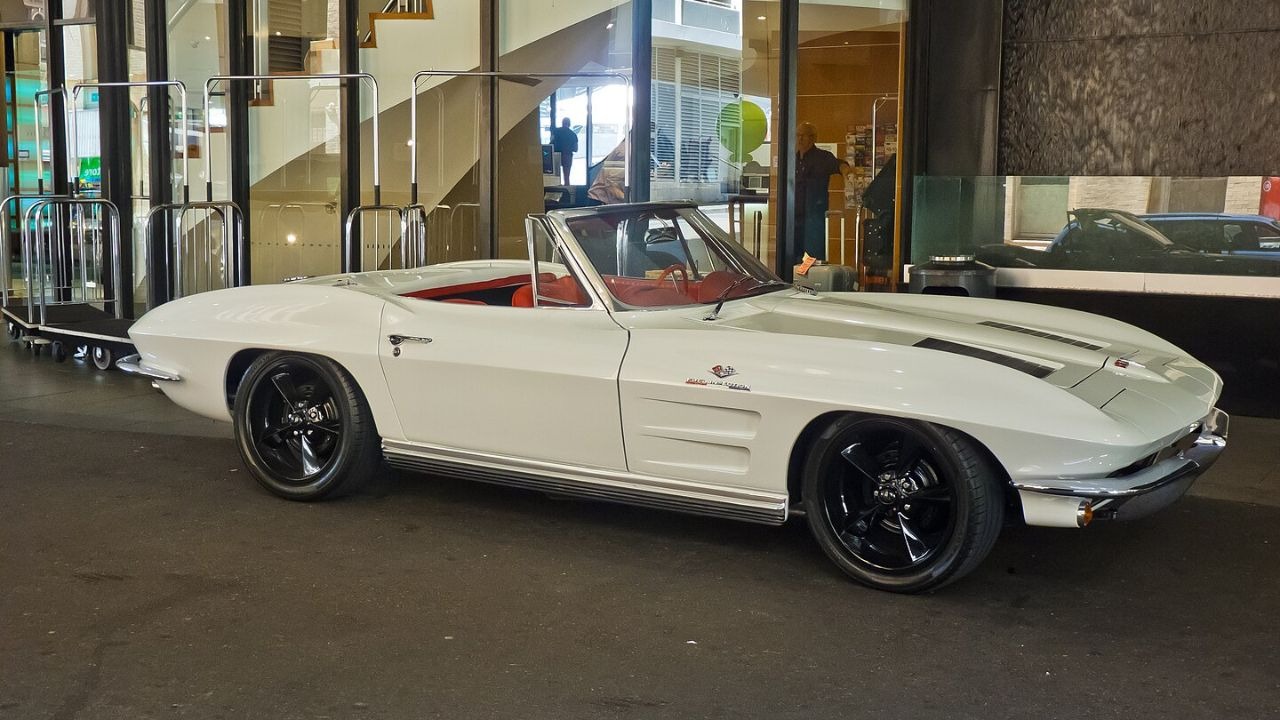
The Chevrolet Corvette Sting Ray, produced from 1963 to 1967, is a hallmark of American automotive design. With its distinctive split rear window and potent performance, the C2 Corvette is a classic that commands respect. Regular driving can lead to depreciation, making storage the best option for maintaining its status as a cherished classic.
Ford GT40
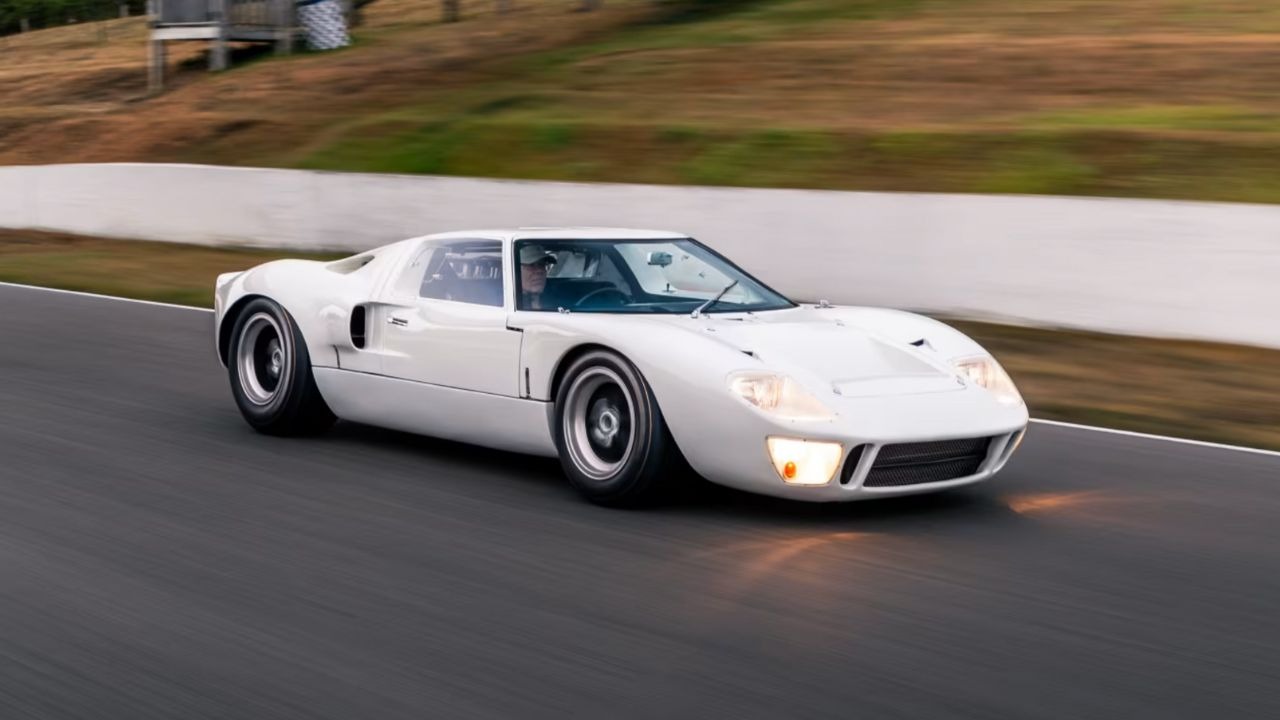
The Ford GT40, produced in the 1960s, is an icon of racing history, famously winning the 24 Hours of Le Mans four consecutive times. Its racing heritage and limited production make it one of the most valuable collector cars. To preserve its historical importance and monetary value, the GT40 should be stored rather than driven, as explained in this discussion.



Leave a Reply