

In 1949, Ford introduced a revolutionary vehicle that would set the standard for American car design for decades to come. This model, often referred to as the “Shoebox Ford,” marked a significant departure from previous automotive aesthetics and engineering practices. By embracing modern styling and innovative engineering, the 1949 Ford played a pivotal role in shaping the future of the automotive industry.
The Birth of the Shoebox Design
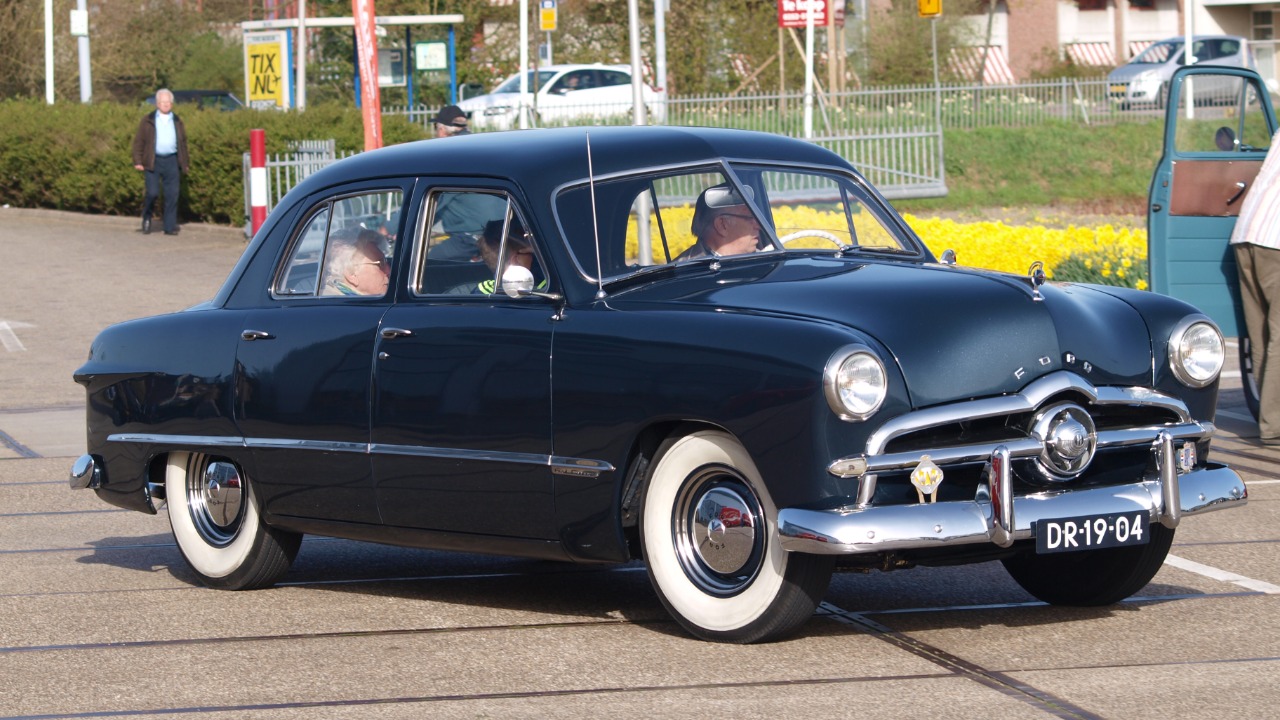
The 1949 Ford’s design was a notable shift from the traditional automotive styles that dominated before World War II. Pre-war vehicles often had more ornate and bulky exteriors, with separate fenders and running boards. In contrast, the 1949 Ford embraced a more streamlined body, characterized by its slab-sided styling. This minimalist approach influenced vehicle aesthetics by promoting a cleaner and more cohesive design, which ultimately set new consumer expectations for what a modern car should look like. The introduction of integrated fenders was another key innovation of the 1949 Ford. This design choice not only improved the car’s aerodynamics but also contributed to a sleeker silhouette. The move towards a more aerodynamic look wasn’t just about aesthetics; it was about enhancing performance and efficiency. As a result, the 1949 Ford played a crucial role in popularizing a style that would dominate the automotive industry for years to follow.
Engineering Innovations and Advancements
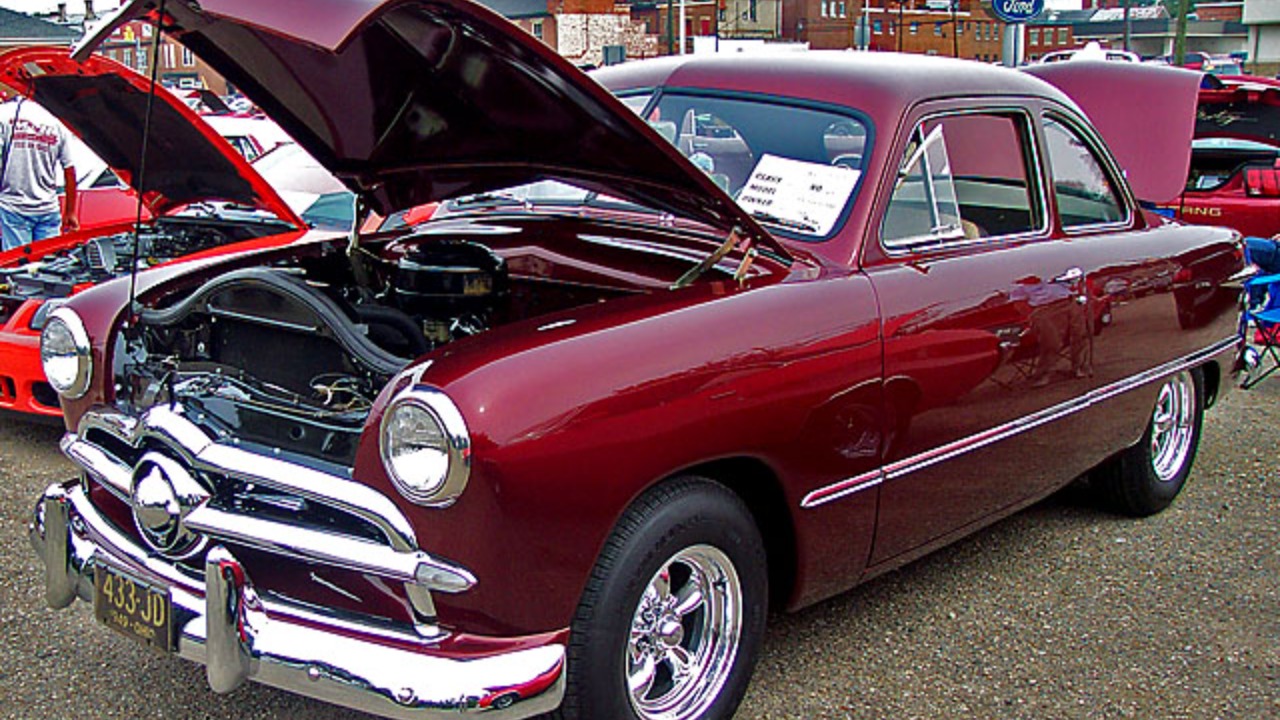
One of the engineering marvels introduced with the 1949 Ford was the “Lifeguard” body construction, which focused on improving safety—a relatively new concept at the time. This innovative construction enhanced passenger protection, laying the groundwork for future advancements in vehicle safety. Additionally, Ford introduced a new independent front suspension system that significantly improved ride quality, making driving a more comfortable experience. Another hallmark of the 1949 Ford was the famous flathead V8 engine, known for its reliability and performance. This engine not only provided a boost in power but also set a new standard for durability. These engineering advancements made the vehicle not just a design success but also a mechanical triumph, ensuring its place in the annals of automotive history. For more on these engineering feats, check out this detailed analysis.
Cultural and Economic Impacts

The post-war era was characterized by a sense of optimism across America, and the 1949 Ford was a direct reflection of this sentiment. Its design and marketing captured the spirit of the time, appealing to a nation eager to embrace modernity and prosperity. The 1949 Ford wasn’t just a car; it was a symbol of renewed hope and growth, playing an instrumental role in revitalizing the American auto industry during a booming post-war economy. A major factor in the 1949 Ford’s widespread appeal was its affordability. Priced to be accessible to the average American family, it significantly influenced car ownership trends by making automobiles more reachable to a broader demographic. This democratization of car ownership helped solidify the car’s place in American culture and set a precedent for future models. To delve deeper into the economic context, refer to this scholarly article.
Influence on Competitors and Industry Trends
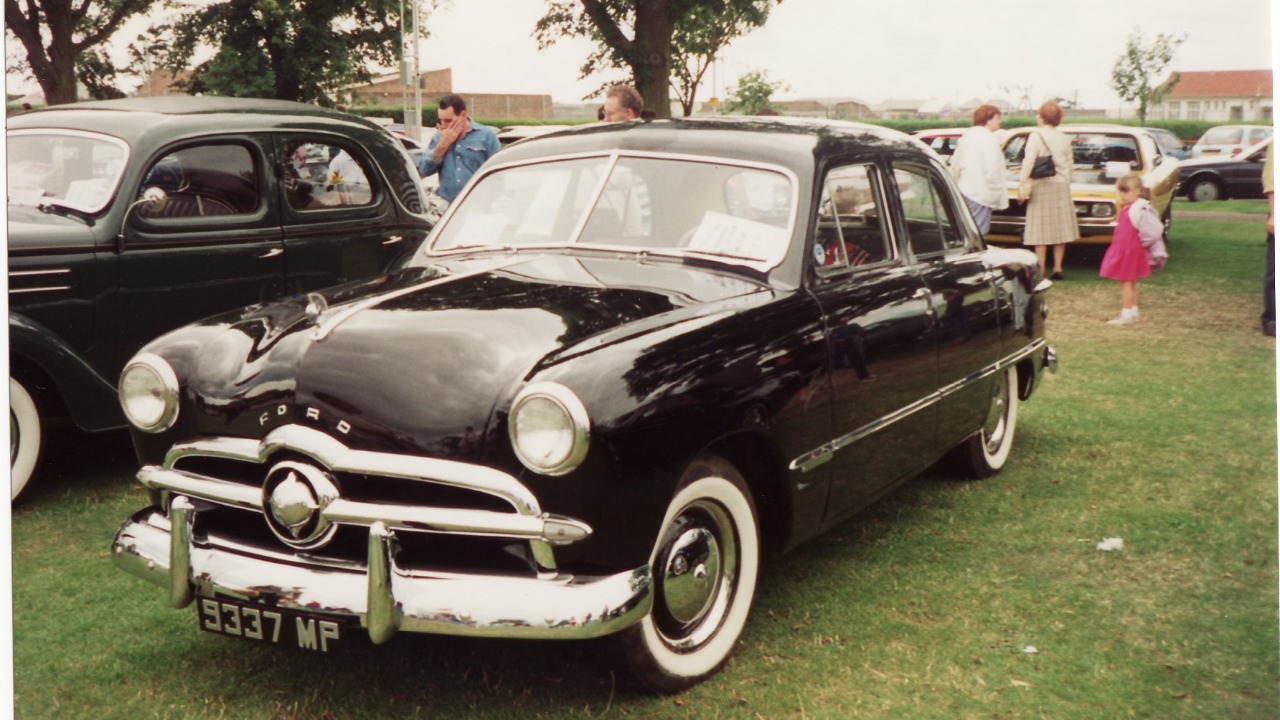
The success of the 1949 Ford did not go unnoticed by its competitors. Companies like General Motors and Chrysler were quick to react, taking cues from Ford’s design and engineering innovations. The streamlined aesthetic and engineering advancements of the 1949 Ford forced competitors to rethink their own strategies, leading to a wave of innovation across the industry. The design philosophy of the 1949 Ford not only inspired future models but also set trends for the 1950s and beyond. Its influence can be seen in subsequent vehicles that embraced similar design principles. The legacy of the 1949 Ford in shaping modern car design principles is undeniable, and its continued influence on automotive aesthetics is a testament to its pioneering impact. For an in-depth look at its impact on automotive trends, visit this MotorTrend article.
Legacy and Recognition
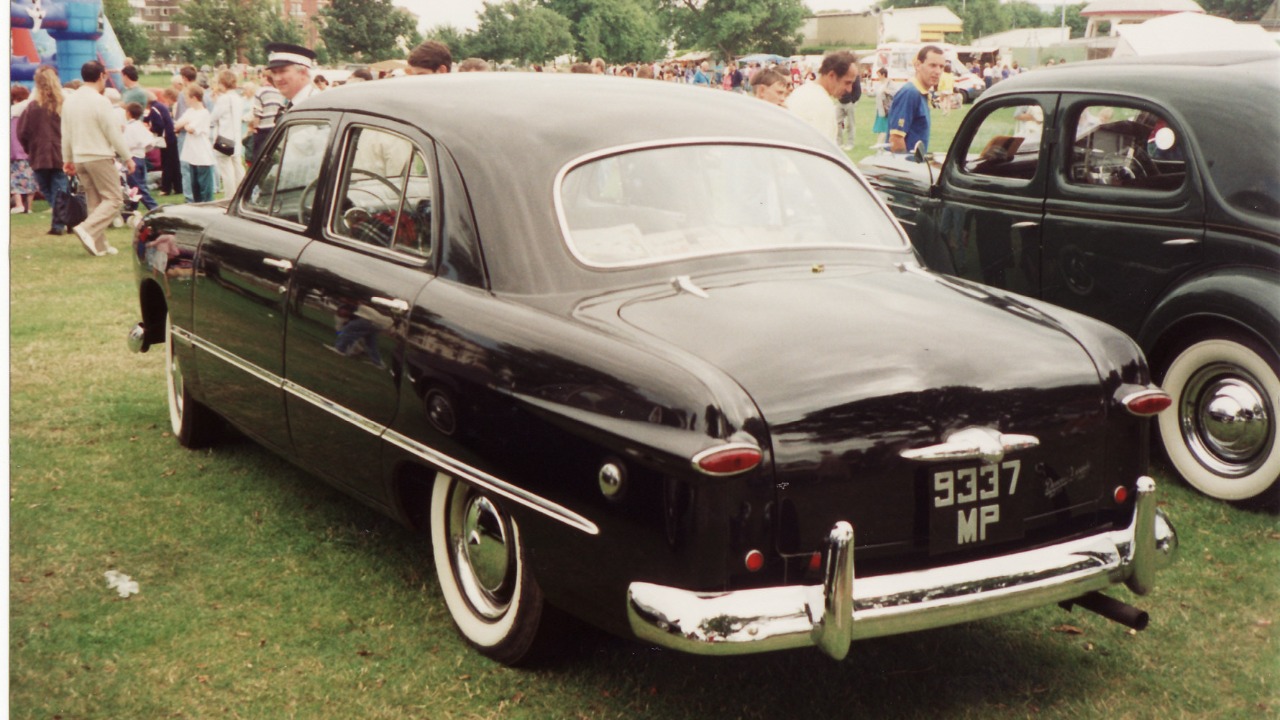
The 1949 Ford’s impact on the automotive world has been recognized in numerous ways, including its inclusion in MotorTrend’s “Top 10 Greatest American Cars of All Time”. This accolade is a testament to its enduring significance and the lasting impression it left on both the industry and the public. Preservation efforts by classic car enthusiasts further highlight the 1949 Ford’s enduring popularity. Its status as a cultural icon is cemented by its appearances in film, media, and automotive museums. The 1949 Ford remains a beloved piece of American automotive history, cherished by collectors and enthusiasts worldwide.





Leave a Reply