
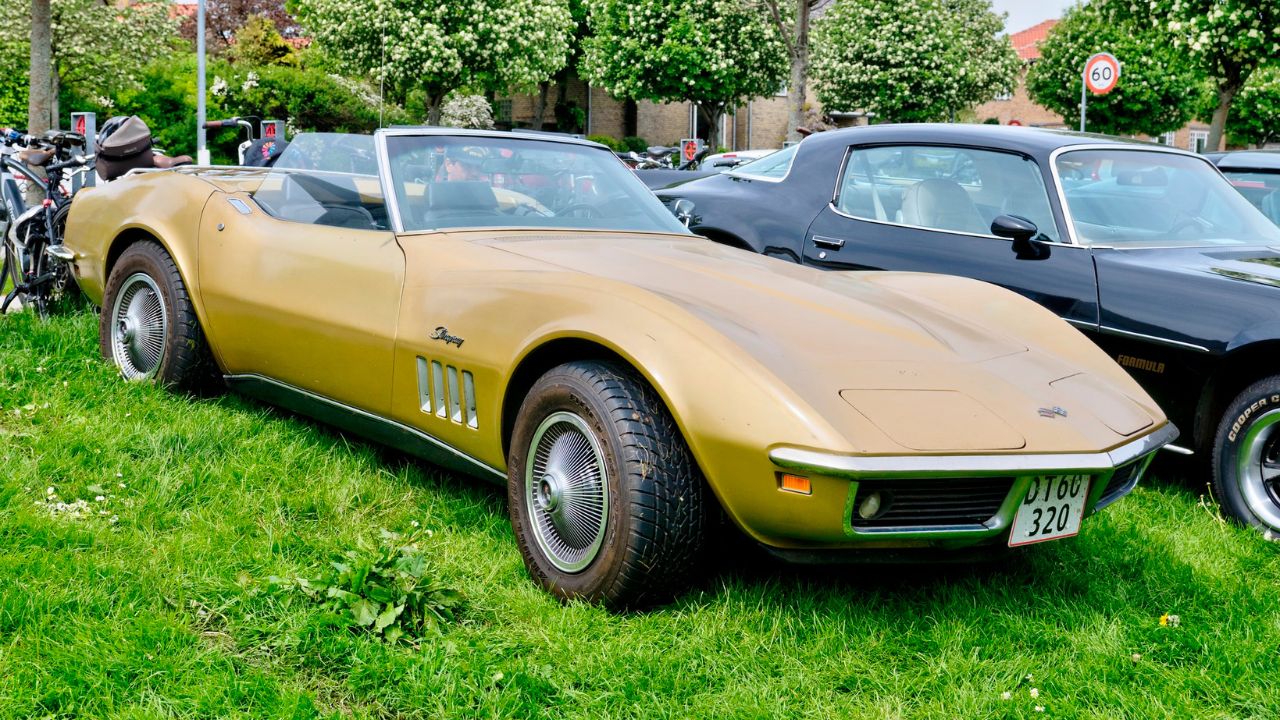
Most people know about the LS6 and the 454, but GM quietly built—or almost built—some serious big-block hardware that slipped past the spotlight. These weren’t always flashy or mass-produced, but they had the right parts and performance where it counted. Here are seven GM big blocks that stayed under the radar but packed real heat.
The L89: Aluminum Heads Few Noticed
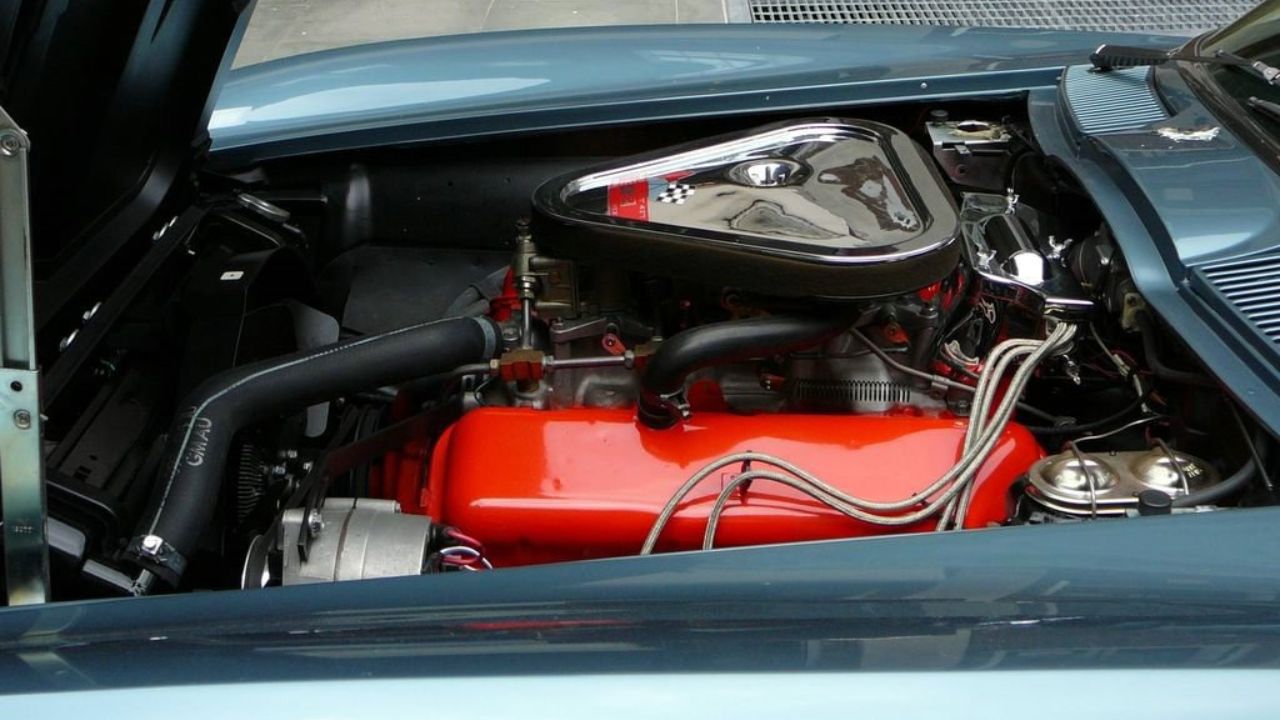
The L89 option didn’t change horsepower over the L78 396, but it swapped cast-iron heads for aluminum, shedding about 75 pounds off the front end. That weight savings made a real difference on the strip. Only around 4,300 cars were built with the L89, making it a rare spec even among serious big-block cars.
Despite being an option rather than a standalone engine code, L89-equipped Chevelles and Camaros were sleepers in the truest sense—identical in output to lesser builds but quicker where it mattered. GM didn’t market it loudly, but racers noticed.
Buick’s Stage 2 455: Built to Spook HEMIs
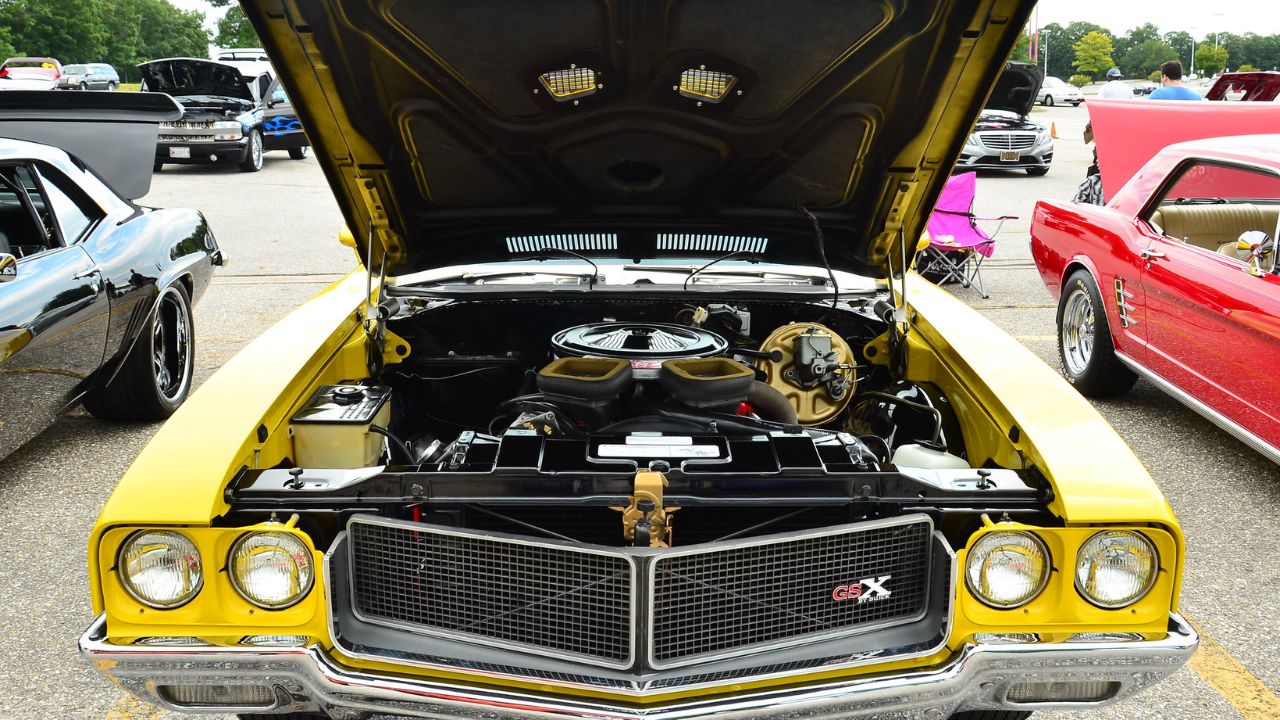
Buick quietly offered a Stage 2 dealer kit for the 455 in 1970, specifically designed for track use. The kit included special heads, a more aggressive cam, headers, and a revised carb. Output jumped well past 500 hp when tuned right—more than enough to rattle Chrysler loyalists.
It wasn’t a factory-assembled engine but rather a sanctioned upgrade path for serious drag racers. Only a handful of documented Stage 2 builds exist, making them a true GM insider’s secret. Buick didn’t want flash—they wanted results, and this setup delivered.
Oldsmobile’s W-45 455: The One Nobody Remembers
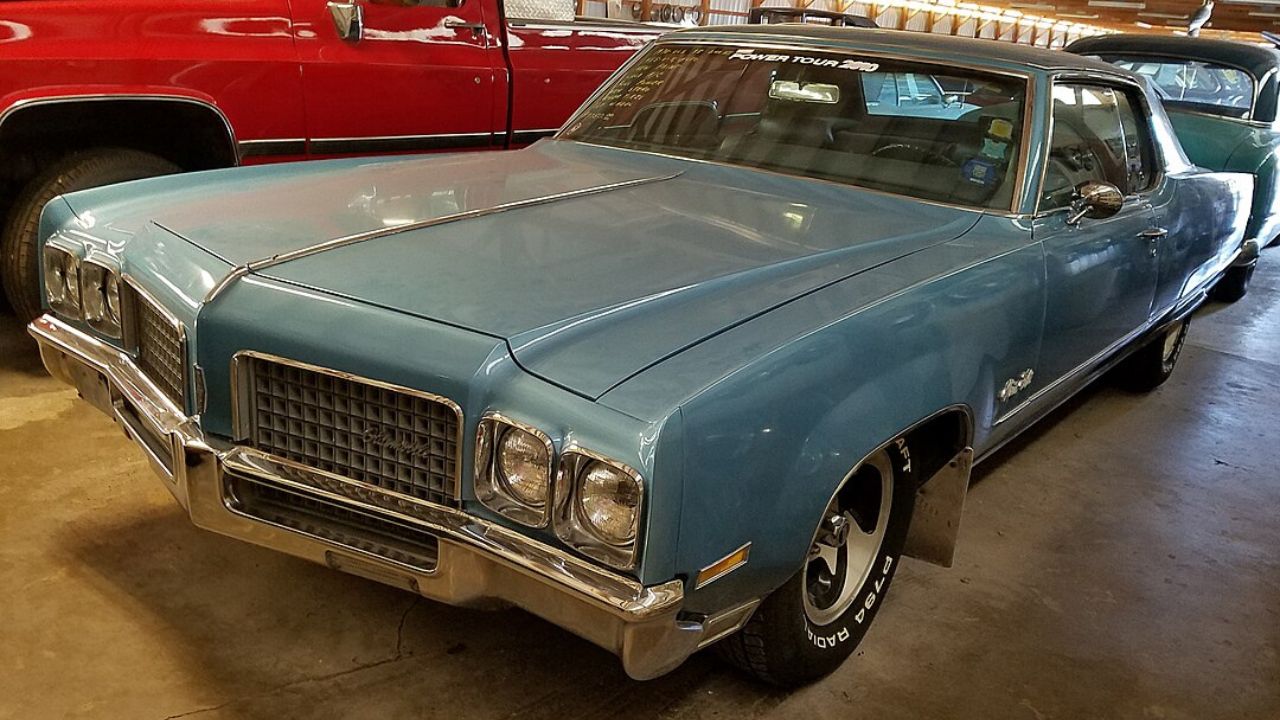
The W-30 gets all the attention, but the W-45 was a stripped-down, performance-oriented 455 offered in full-size models. It was designed for high-speed highway pulls, not quarter-mile sprints. Output was rated conservatively, but the torque curve was the real story—massive and flat.
It showed up in odd places, like the Delta 88 Royale. The W-45 didn’t come with flashy badges or scoops, but it brought serious muscle to Olds’ big-bodied sedans. For those who knew how to order it, the W-45 was quiet power cloaked in four doors and vinyl.
The ZL1 427 Wasn’t Just for Camaros
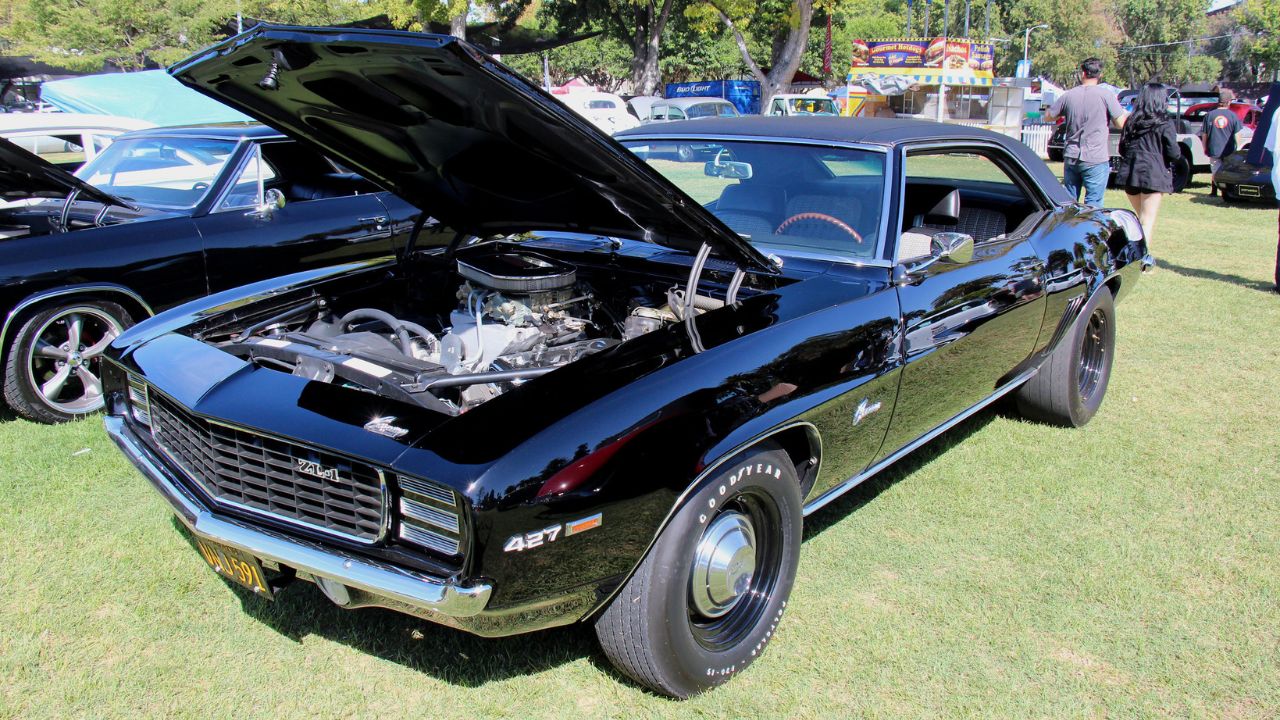
Most folks associate the ZL1 with the handful of ultra-light COPO Camaros from 1969, but GM built a few ZL1-powered Corvettes as well. The all-aluminum 427 made over 500 hp in race tune and cost nearly as much as the base Corvette itself.
ZL1 engines were hand-built, using forged internals and open-chamber heads. GM never intended mass production, and fewer than 70 cars were ever built with one. That made it an internal test bed for engineering more than a sales pitch. It’s one of the rarest big blocks GM ever let loose.
The L72 427 Was Hiding in Full-Size Sedans
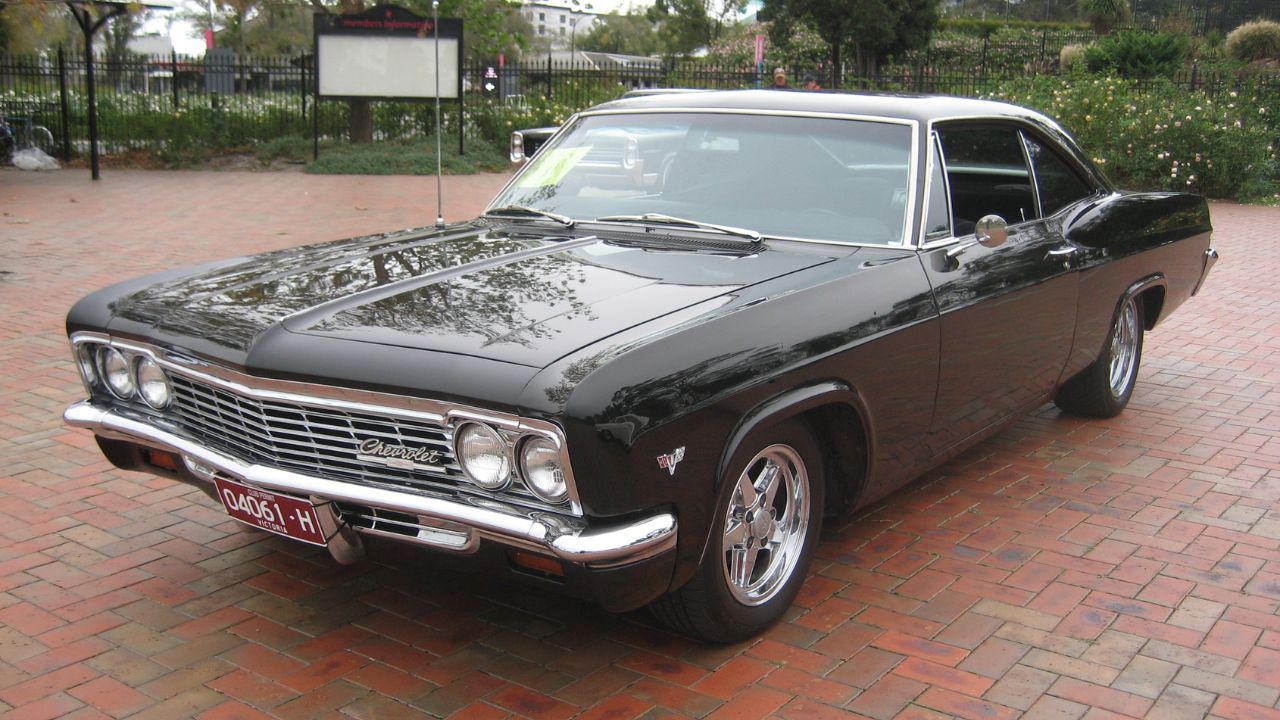
In 1966, if you ticked the right boxes, you could get the legendary 425-hp L72 427 in a Biscayne two-door post sedan. It was the bare-bones cop car look with top-tier power—Chevy’s sleeper formula at its finest. Few ordered it that way, but those who did had the keys to a muscle car killer.
The L72 used solid lifters, high-flow heads, and a big Holley carb. It wasn’t kind to casual drivers, but in the hands of someone who knew how to launch it, this was as quick as a street car got in the mid-’60s.
Pontiac’s Big Block That Wasn’t
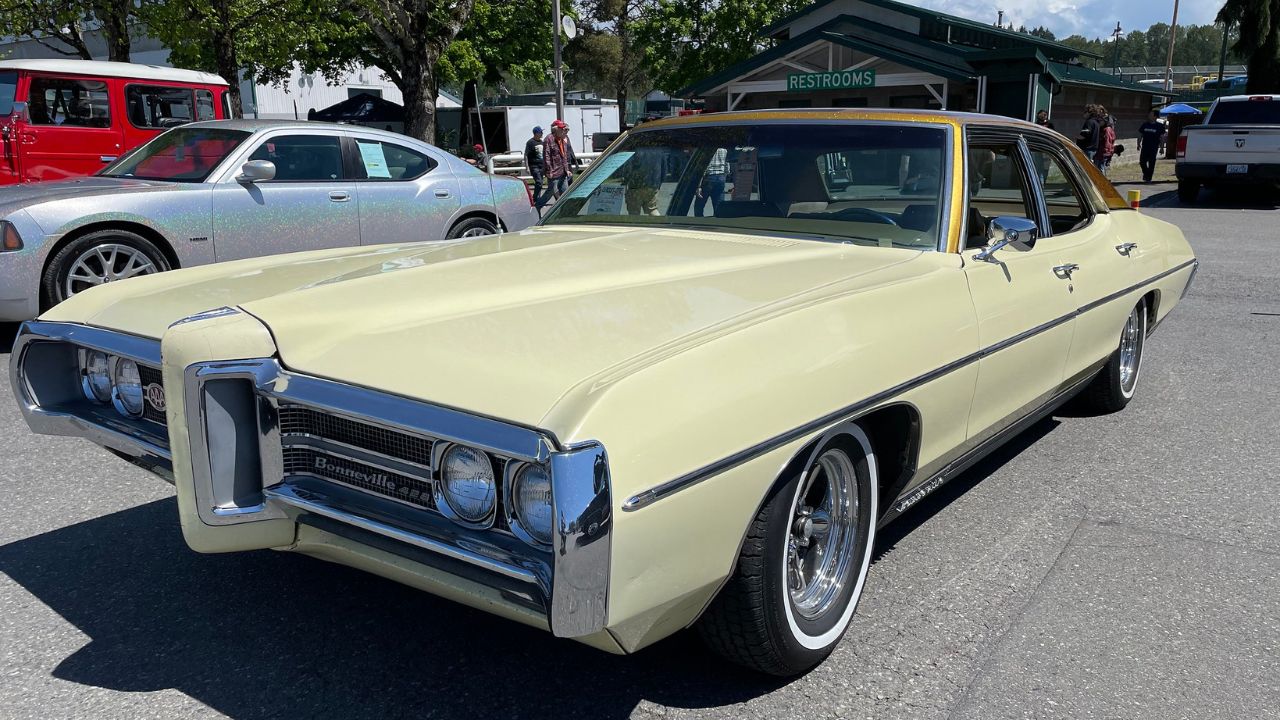
Pontiac never officially called anything a “big block,” but the 428 and 455 engines had dimensions on par with the rest of GM’s big iron. The 428, in particular, was a favorite among street racers. It offered 376–390 hp and up to 472 lb-ft of torque with little fuss.
What set Pontiac apart was how its engines fit across its model lines—from the Grand Prix to the Catalina—without much underhood drama. These weren’t exotic builds, but they were dangerously capable. Pontiac’s big-inch torque monsters earned respect without needing a “big block” badge.
The L88 Corvette Was Under-Rated on Purpose
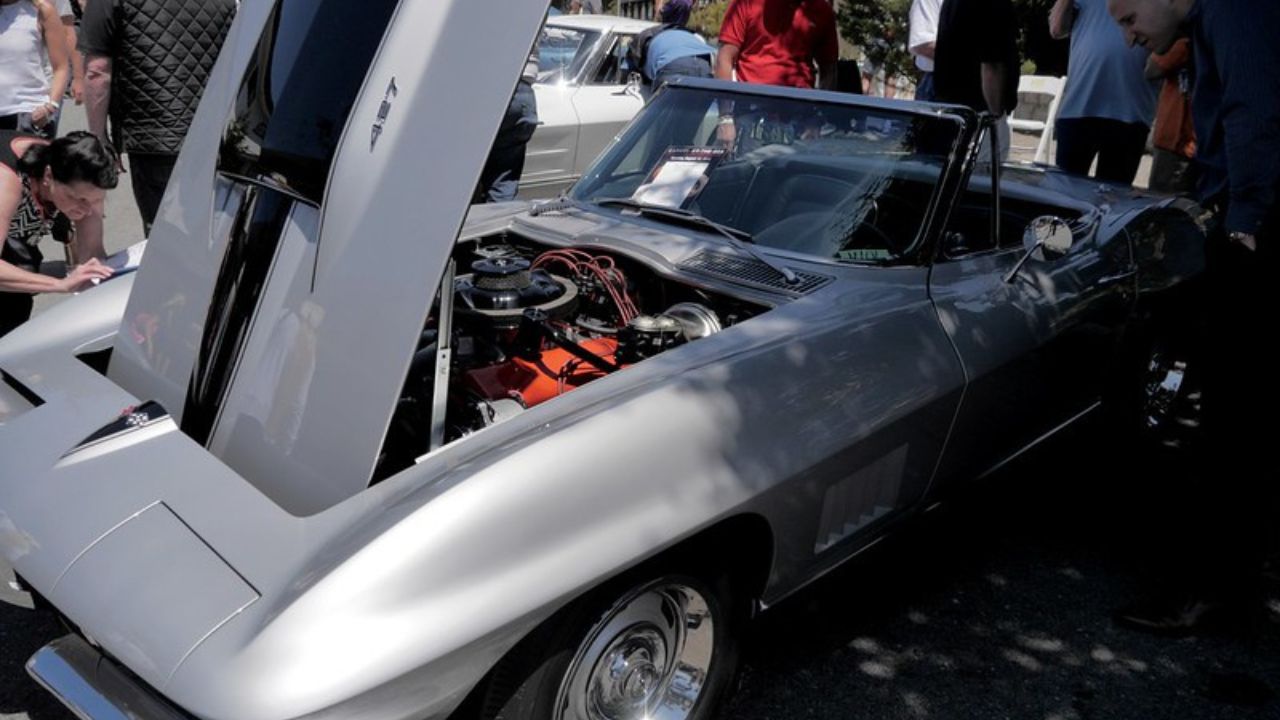
The 1967–69 L88 Corvette was GM’s street-legal racer—barely. GM rated it at 430 hp to steer buyers away, but real output was closer to 550. It had forged pistons, an aluminum intake, and a cowl-induction setup that gulped air like it meant it.
It came without a radio or heater, and premium fuel was non-negotiable. GM didn’t want regular buyers snapping them up and getting in over their heads. Only a few hundred were made, and they became legends for good reason—L88s were factory-built weapons masquerading as showroom cars.
Like Fast Lane Only’s content? Be sure to follow us.
Here’s more from us:
*Created with AI assistance and editor review.


Leave a Reply