

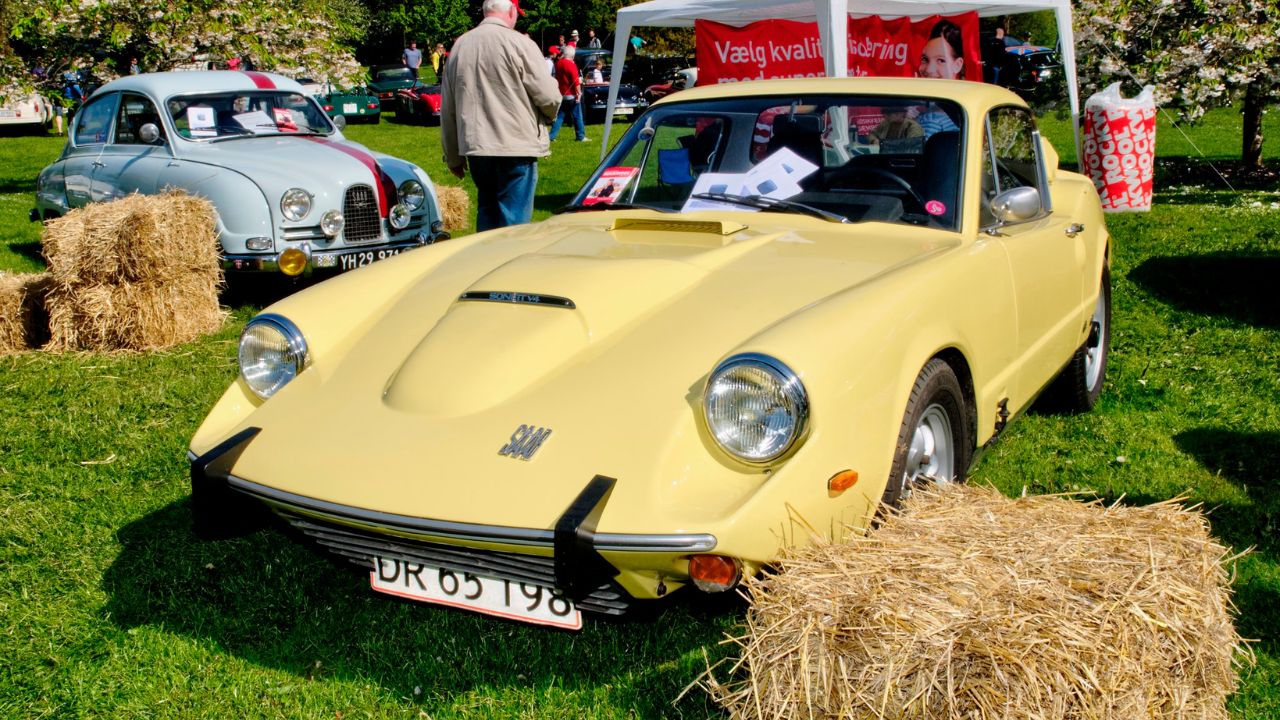
The Saab Sonett V4, produced from 1967 to 1969, stood apart from most sports cars of its day. With its fiberglass body, compact Ford-sourced V4 engine, and distinctive styling, it was Saab’s unconventional answer to the small sports coupe market. While it never achieved mainstream fame, its rarity, character, and engineering quirks have earned it a loyal following among enthusiasts.
A Distinctive Look and Build
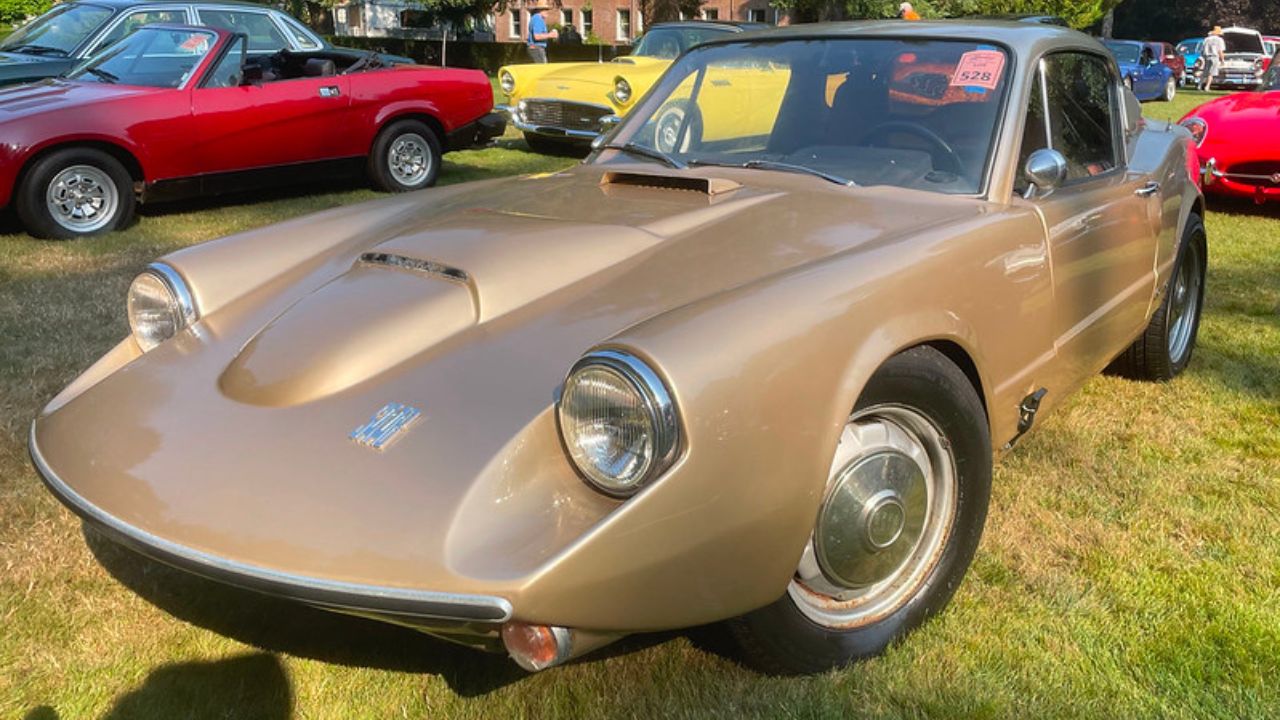
The Sonett V4 evolved from the earlier Sonett II, which launched with a two-stroke triple. By mid-1967, Saab replaced that engine with the 1.5-liter Ford Taunus V4, adding a noticeable hood bulge to fit the larger powerplant. Only 1,610 V4 models were produced before the Sonett III replaced it in 1970.
Its fiberglass body sat on a steel box-frame chassis with an integrated roll bar, keeping weight around 770 kg (1,700 lb). This made it light and nimble, even if raw power wasn’t its strong suit. The styling, with its low stance and clean curves, was unusual for a Swedish car, appealing to drivers who wanted something different from typical European or American designs.
Innovative Fiberglass Body: Lightweight and Durable
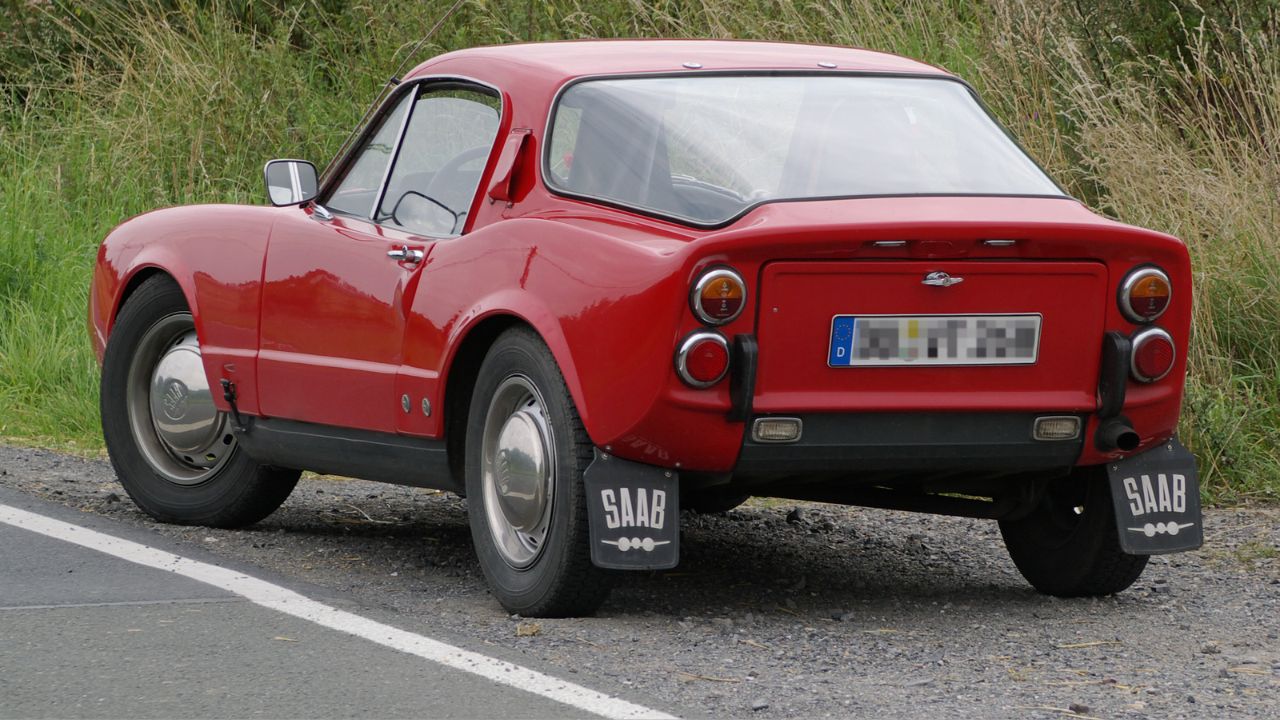
The use of fiberglass for the body of the Sonett V4 was an innovative choice that provided both lightweight construction and durability. Unlike traditional metal bodies, fiberglass offered resistance to rust and corrosion, a significant advantage that extended the car’s longevity.
This material choice also contributed to the performance of the Sonett V4, as the reduced weight improved fuel efficiency and handling. It was a forward-thinking move that highlighted Saab’s commitment to innovation and set a precedent for future sports cars.
Power from a Compact V4
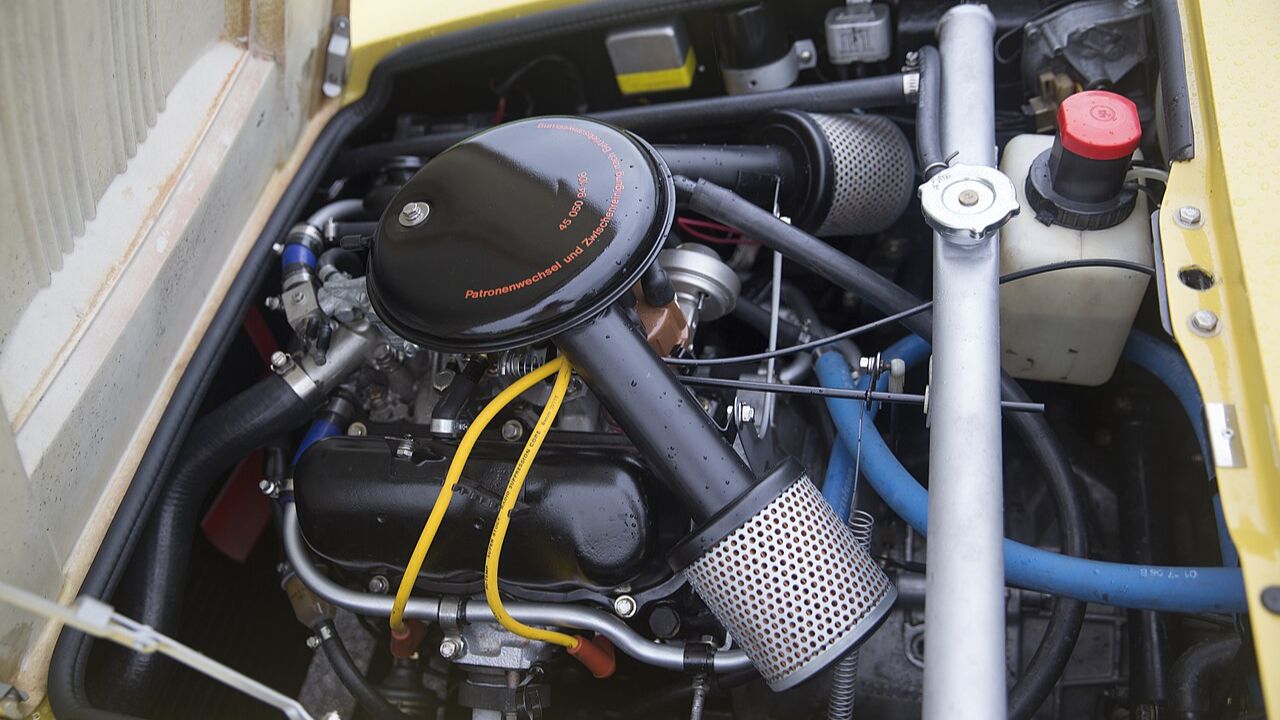
Under the hood, the Sonett V4’s Ford-sourced 1.5-liter engine produced 65 hp, enough for a 0–100 km/h (62 mph) time of about 12.5 seconds and a top speed near 160 km/h (99 mph). While modest by sports car standards, its low weight and short wheelbase kept it fun to drive on winding roads.
The V4 was chosen for its reliability and torque, replacing the less emissions-friendly two-stroke engine. Saab engineers tuned it for smooth delivery, making the Sonett V4 a capable and approachable car rather than an outright performance machine.
Aerodynamics Ahead of Its Time
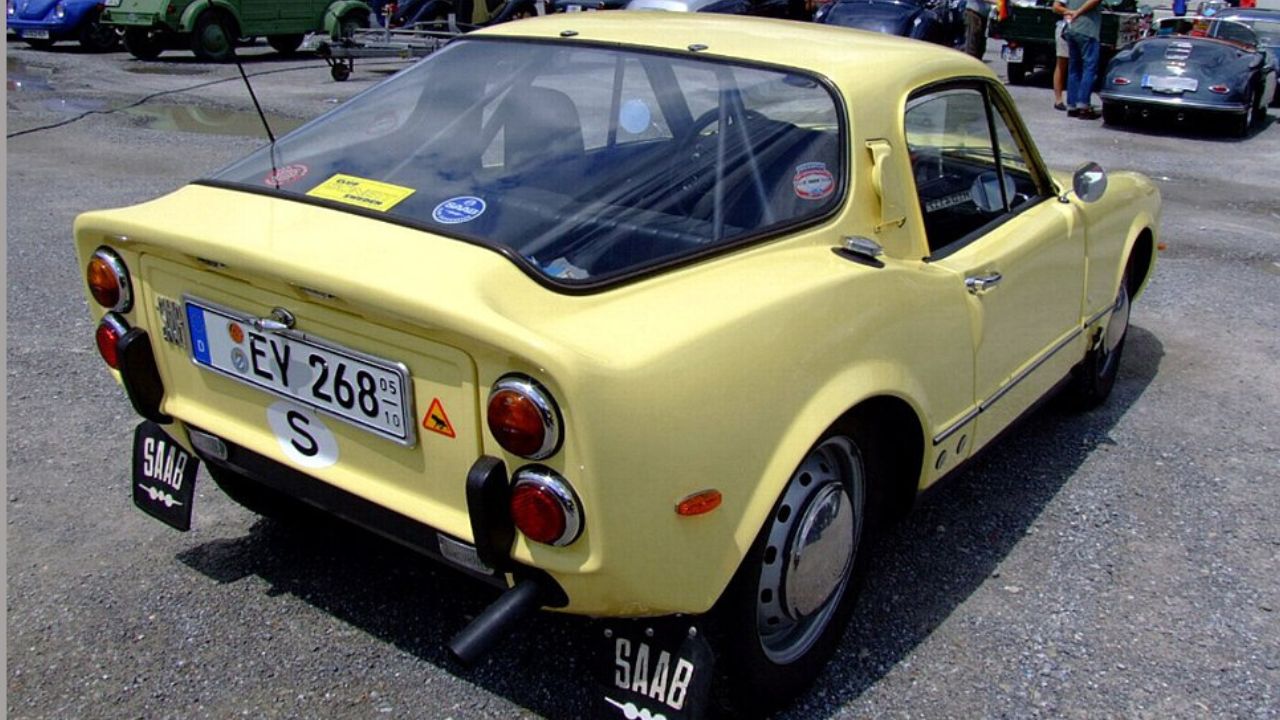
Although detailed drag figures aren’t available for the V4, its body was shaped with airflow in mind—a rarity for its class in the late 1960s. The combination of a low profile, light weight, and responsive steering gave it respectable agility.
Its suspension was simple but well-matched to the car’s size and purpose, with a front wishbone setup and rear trailing arms. The design leaned toward stability and predictability rather than aggressive cornering grip, aligning with Saab’s reputation for safe, secure handling.
Comfort in a Compact Package
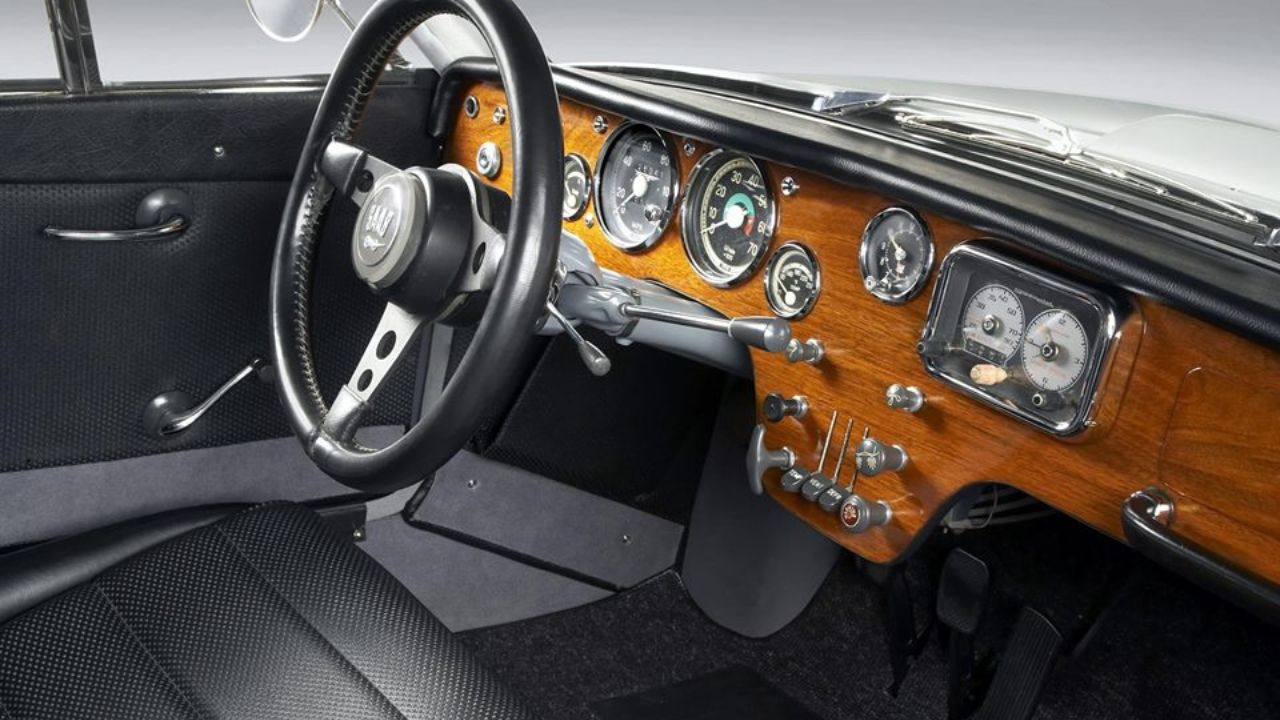
Inside, the Sonett V4 offered a driver-focused cockpit with well-placed gauges and controls. Saab incorporated its hallmark three-point seat belts, a safety feature ahead of many rivals. Seating was supportive enough for longer trips, and despite its small footprint, the cabin felt reasonably accommodating for two passengers.
The interior struck a balance between minimalism and usability—sporty enough to match the car’s image, but without sacrificing everyday comfort.
Limited Motorsport Footprint
While the Sonett name has been associated with Saab’s motorsport activities, the V4 variant itself had only limited competitive exposure. It was never a dominant rally or racing platform, but its lightness and simplicity did make it appealing to some privateer drivers. More significant motorsport success came later with the Sonett III and Saab’s other rally-oriented models.
A Collector’s Niche Today
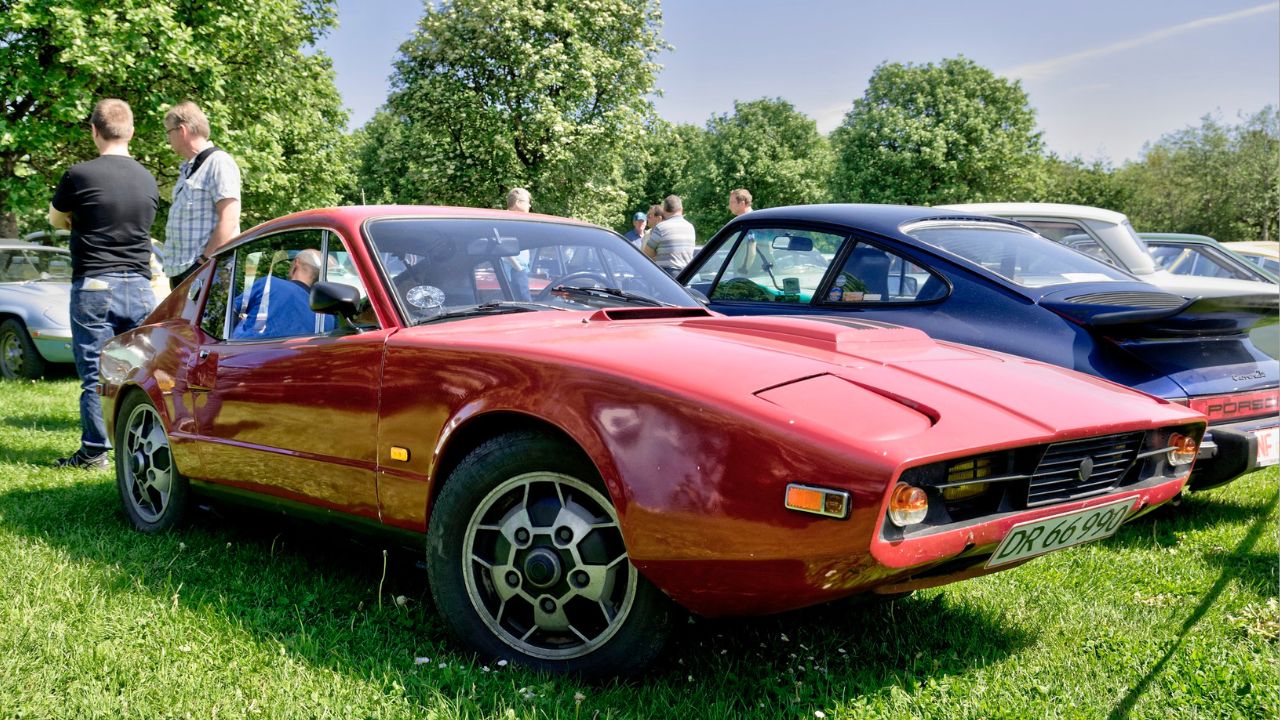
With fewer than 2,000 units built, the Sonett V4 remains a rare sight on the road. Its combination of quirky styling, fiberglass construction, and V4 engine make it a conversation starter at any car show. Saab’s blend of engineering eccentricity and safety-first thinking shines through in this small coupe.
Today, the Sonett V4 enjoys a cult following among Saab loyalists and collectors of unusual sports cars. Its appeal lies not in headline performance numbers, but in its distinct personality and scarcity—a small but memorable chapter in Saab’s history.
Like Fast Lane Only’s content? Be sure to follow us.
Here’s more from us:
*Created with AI assistance and editor review.


Leave a Reply