
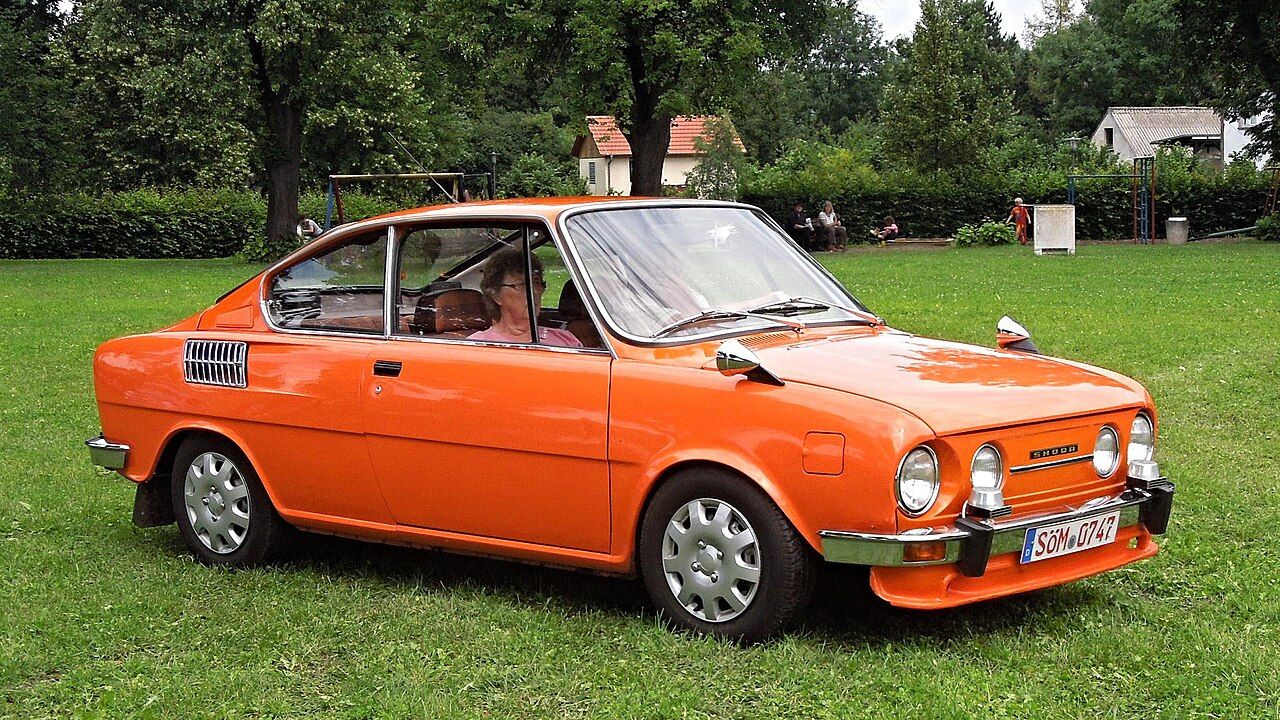
At first glance, the 1970 Škoda 110 R looked like a stylish but modest coupe from behind the Iron Curtain—more suited to a weekend cruise than a rally stage. But its sleek fastback profile, rear-engine layout, and balance made it the perfect foundation for what would become one of Škoda’s most successful competition cars: the 130 RS. While the 110 R itself wasn’t a major rally winner, it set the stage for a Czech motorsport legacy that still commands respect.
From Family Car Roots to Coupe Styling
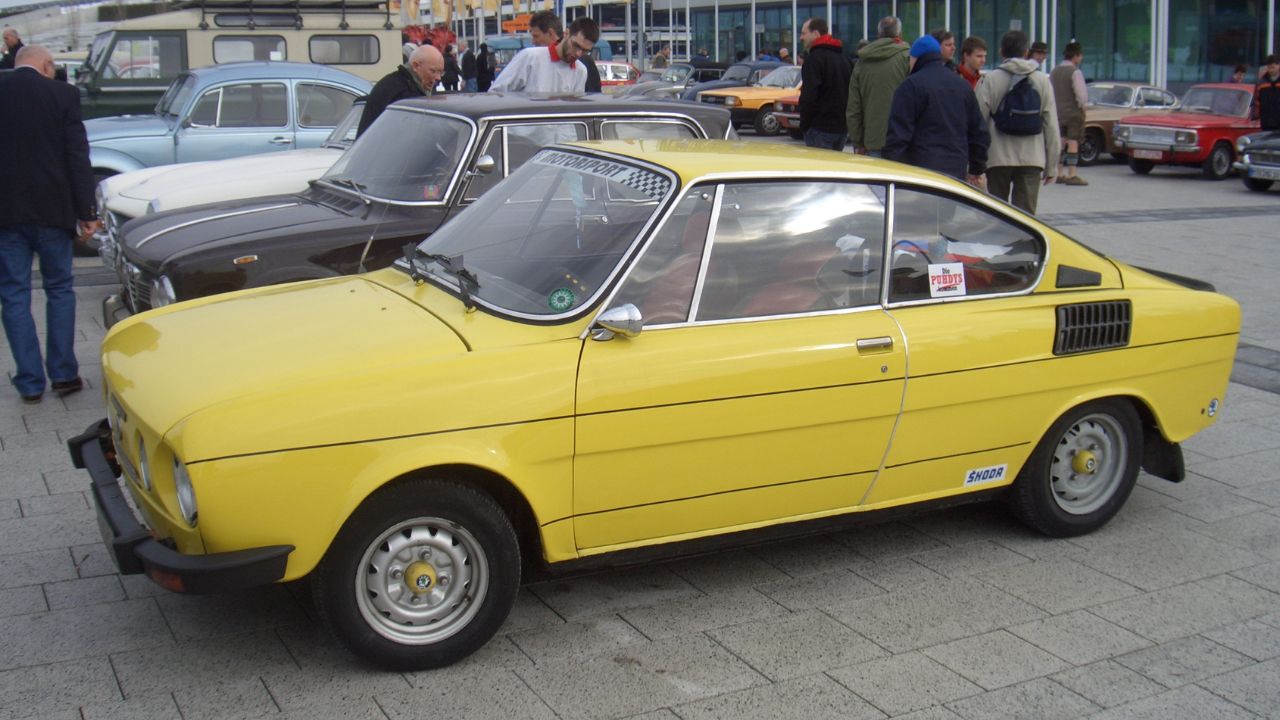
Launched in late 1970, the 110 R was Škoda’s image booster—a sportier alternative to its 100/110 sedans. Built in Kvasiny, it kept the rear-mounted, 1.1-liter OHV four-cylinder producing 52 bhp, paired with a 4-speed manual. The mechanicals were familiar, but the body was all new: a sleek two-door fastback with frameless doors, subtle curves, and a more aerodynamic profile. Though only modestly powered, it offered better handling balance and a more engaging drive than its sedan siblings.
Practical Yet Sporty Character
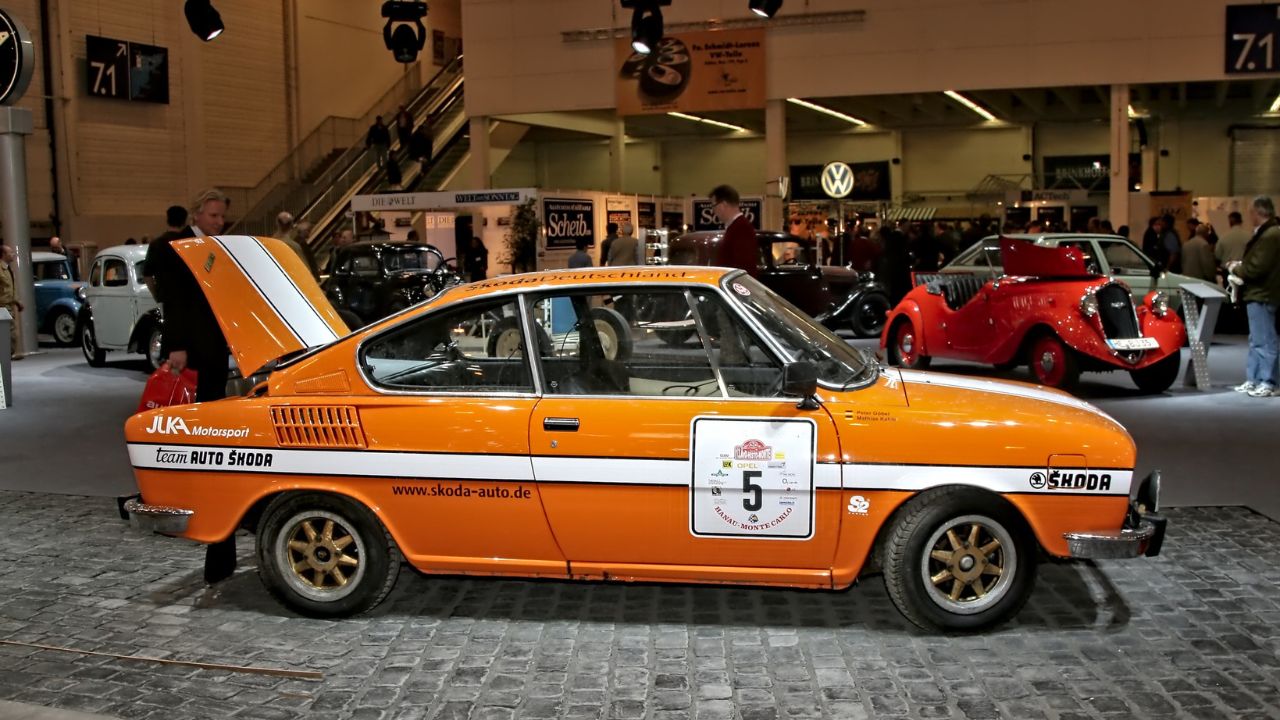
While small on the outside, the 110 R’s interior was surprisingly roomy for four passengers, with a functional dash layout and decent visibility. Standard equipment was basic, but the overall feel was more refined than its sedan counterparts. The combination of affordability, style, and light weight made it popular with younger buyers—especially those who valued nimble handling over outright speed.
Laying the Groundwork for Racing
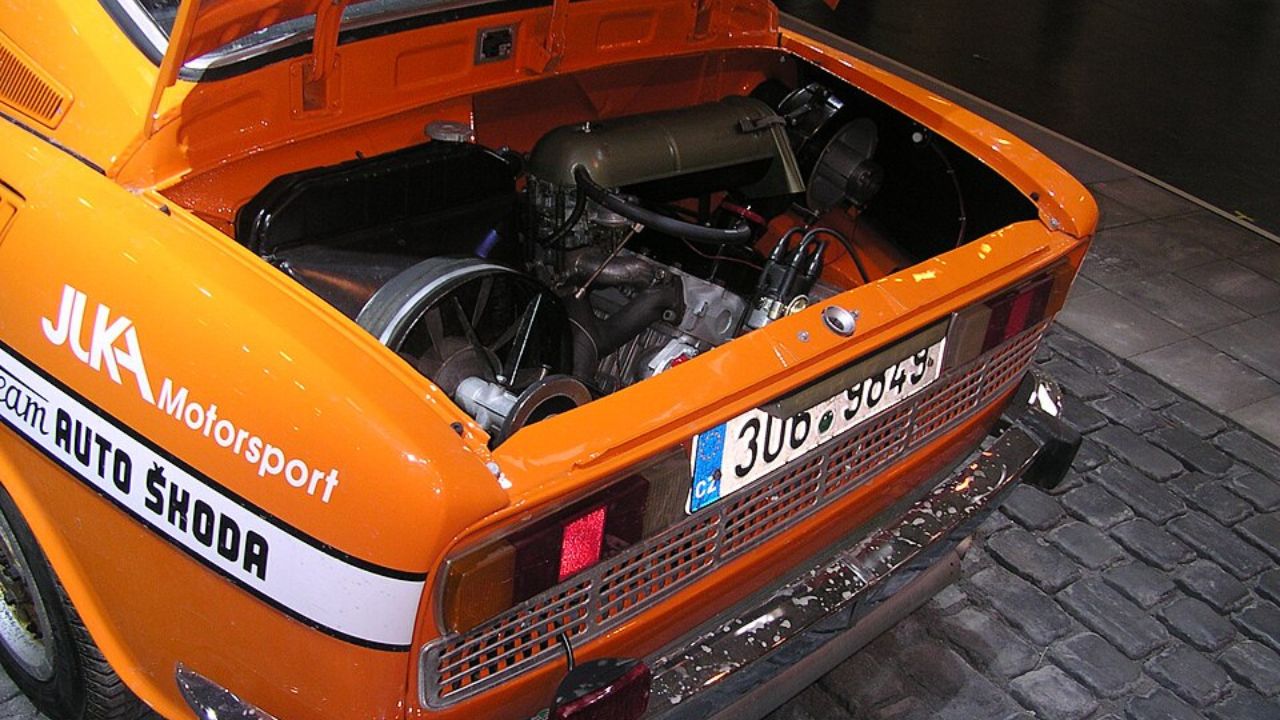
The 110 R’s chassis balance and low weight caught the attention of Škoda’s motorsport engineers. Though the road-going model wasn’t built for competition glory, it became the development base for the 130 RS. By widening the track, upgrading suspension, and fitting a tuned 1.3-liter engine, Škoda transformed the humble coupe into a legitimate rally contender.
The 130 RS: Real Rally Credentials
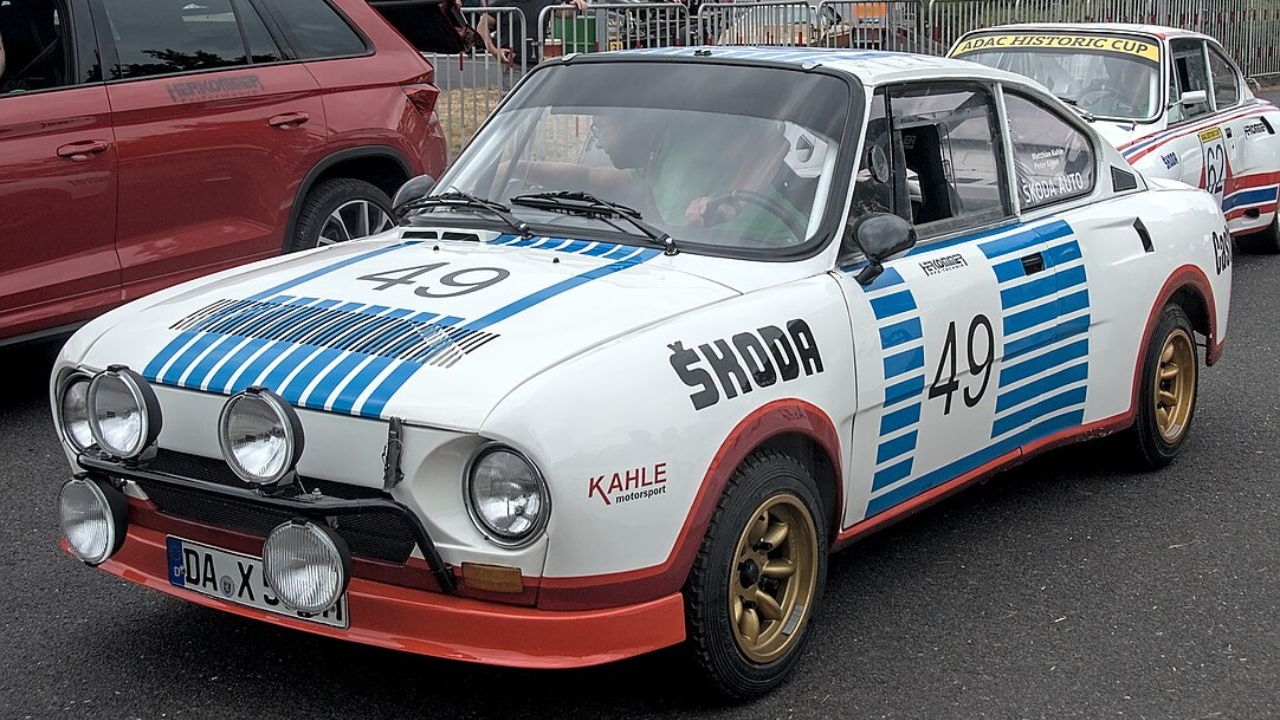
Debuting in 1975, the Škoda 130 RS earned the nickname “the Porsche of the East.” It scored a 1–2 class finish at the 1977 Rallye Monte-Carlo and later won the 1981 European Touring Car Championship. These achievements put Škoda on the international motorsport map—and all of it traced back to the 110 R’s compact, balanced design.
Cult Following and Collector Appeal
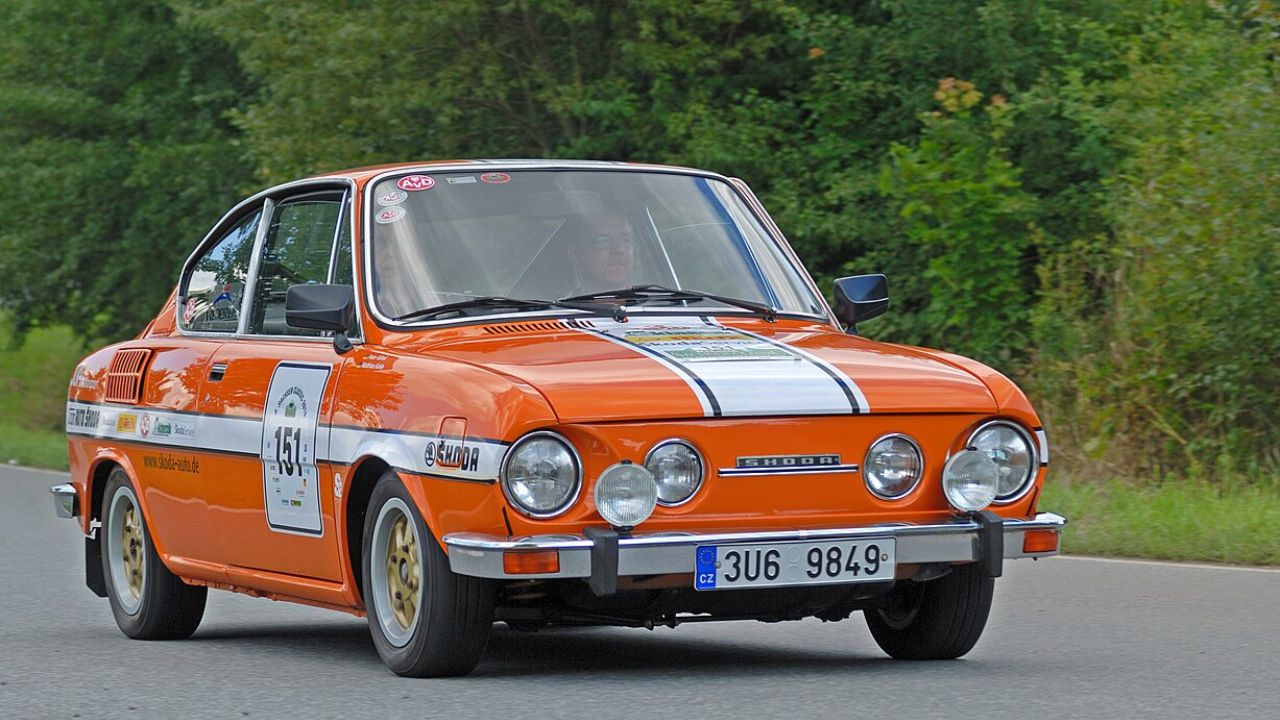
Although the 110 R never matched the 130 RS’s trophy haul, its role as the starting point for Škoda’s golden era of rallying has made it a cult classic. Today, surviving examples—especially well-kept early models—are sought after for their connection to one of the most successful Eastern Bloc rally cars ever built. Owners often celebrate them at enthusiast meets and vintage motorsport events.
Legacy and Influence on Modern Rally Cars
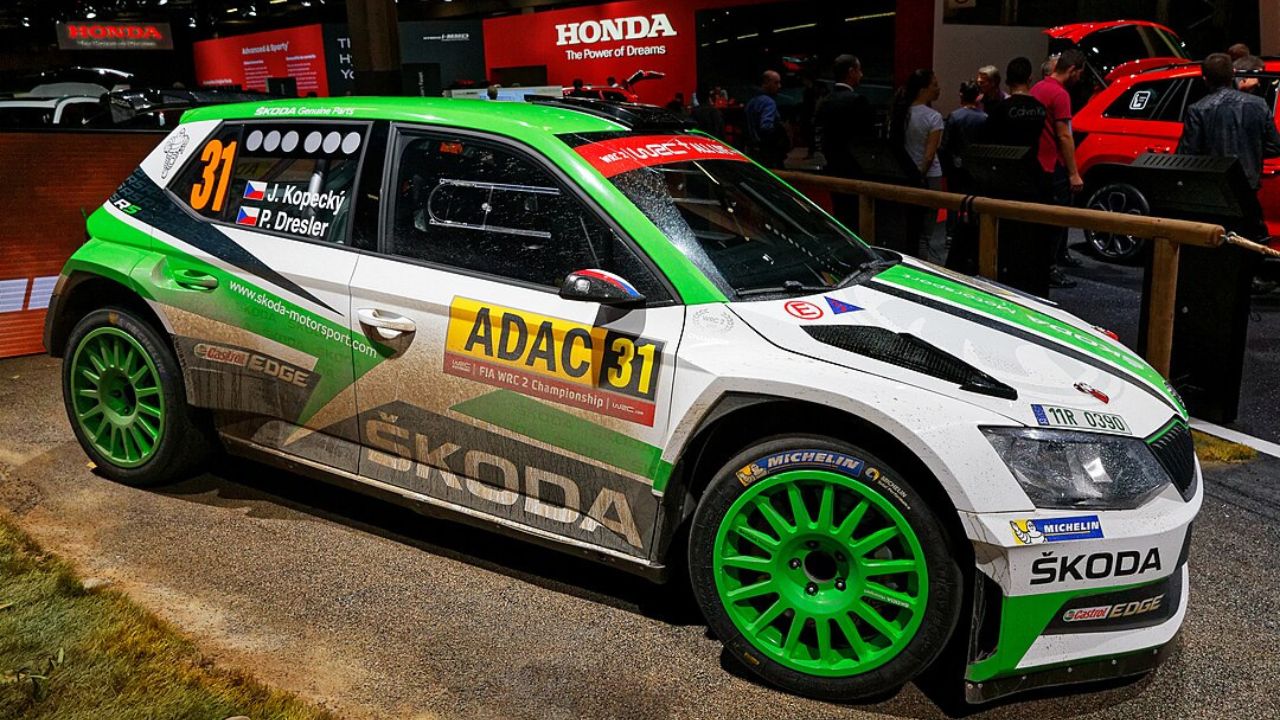
The legacy of the Skoda 110 R extends beyond its rally victories. It influenced the design and engineering of modern rally cars, emphasizing the importance of agility and durability over sheer power. Its success story inspired other manufacturers to consider similar approaches, leading to innovations in rally car design.
Today’s rally cars owe a debt of gratitude to the Skoda 110 R for proving that with the right combination of design and engineering, any vehicle can become a competitive force on the track. This legacy continues to inspire engineers and racers around the world.
Lasting Legacy
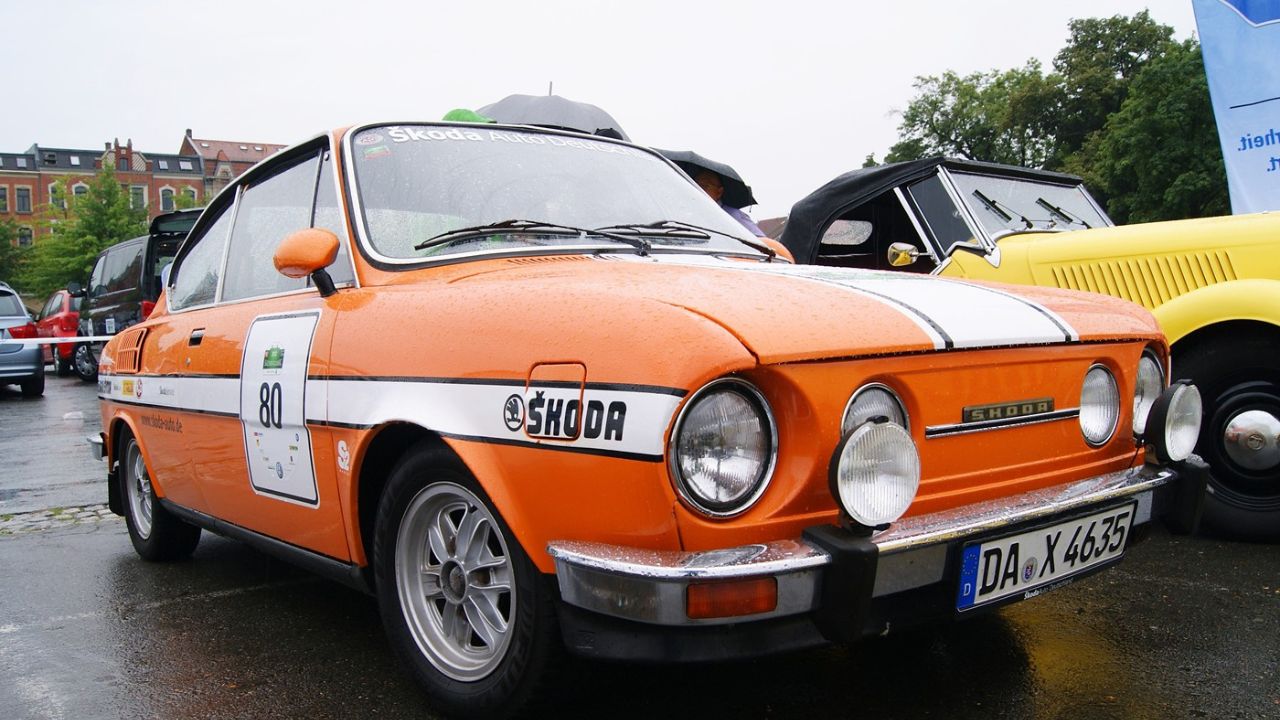
The Škoda 110 R’s story is less about personal victories and more about the doors it opened. Without it, the 130 RS might never have existed—and Škoda might never have become a respected name in international rallying. It’s a reminder that sometimes, a car’s true greatness lies not in what it achieved alone, but in what it made possible.
Like Fast Lane Only’s content? Be sure to follow us.
Here’s more from us:
*Created with AI assistance and editor review.

Leave a Reply