
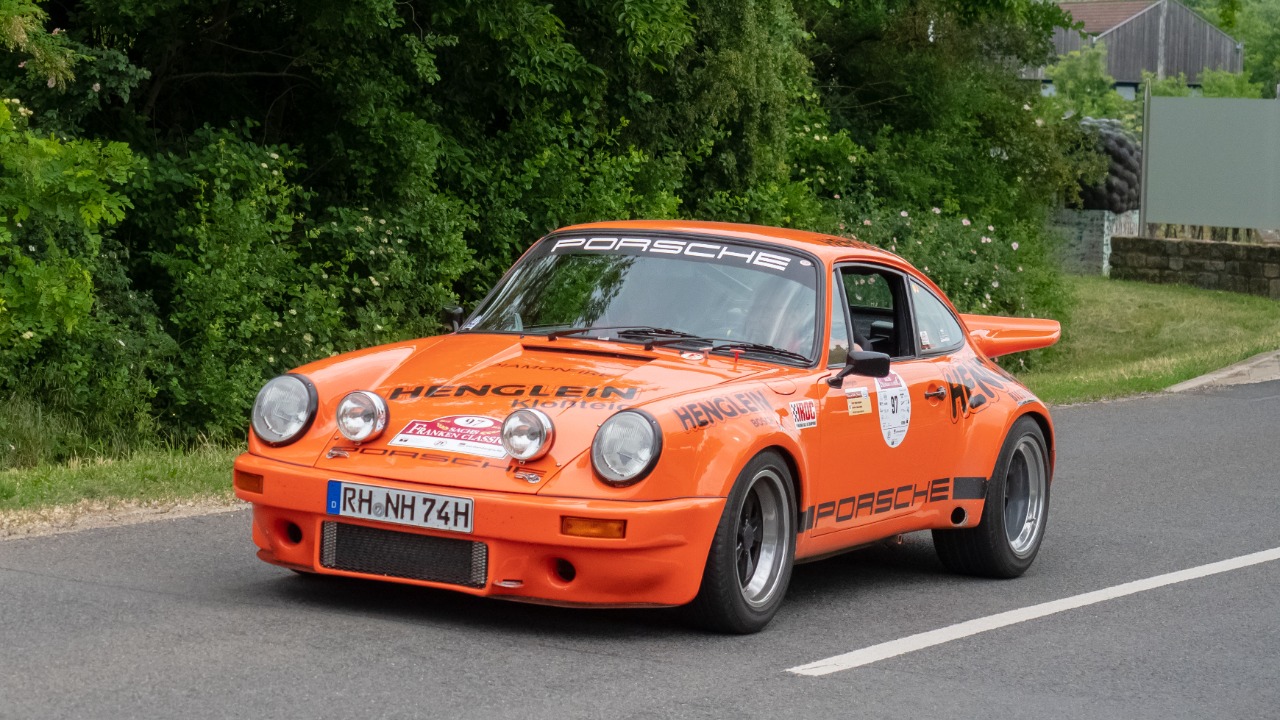
The Porsche 911 has been a symbol of automotive excellence and innovation since its introduction in 1964. As it celebrates over 60 years of production, the 911 continues to be a benchmark in the sports car world. Strategies and innovations have allowed Porsche to maintain the 911’s competitive edge throughout the decades, making it a lasting icon in the automotive industry.
Heritage and Evolution
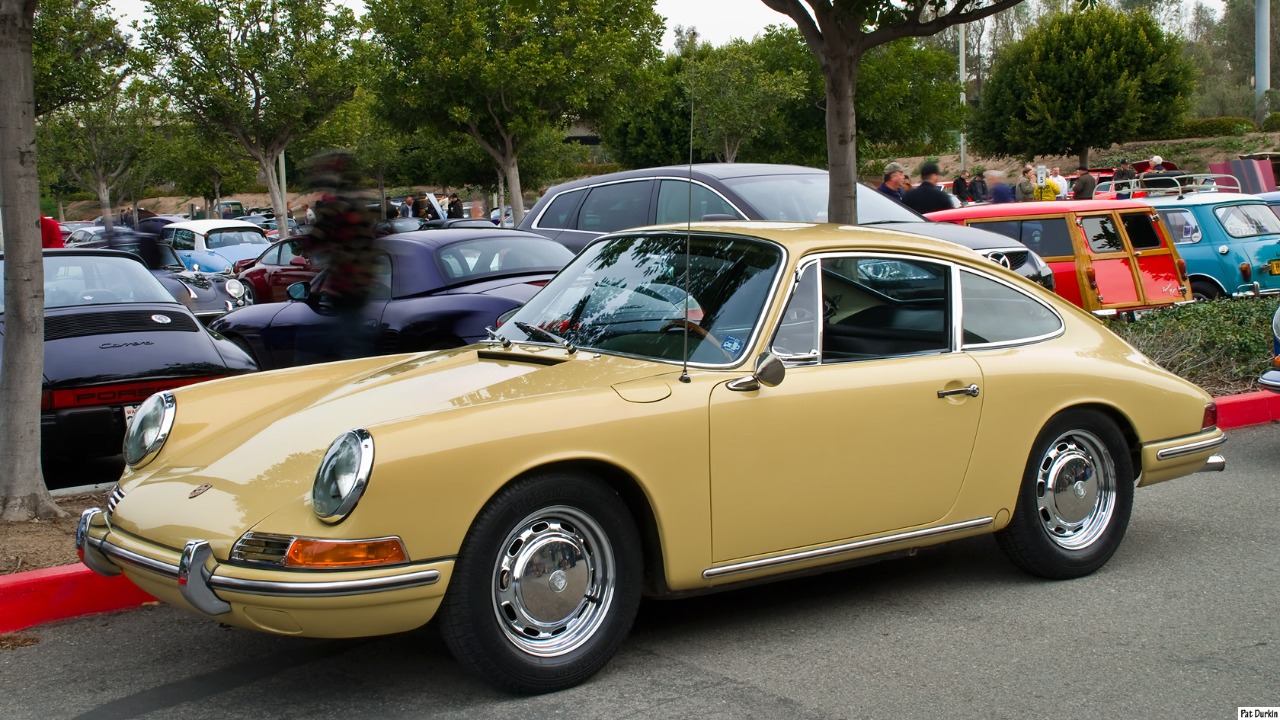
The Porsche 911’s silhouette is a hallmark of automotive design, instantly recognizable and inherently linked to its brand’s identity. Its timeless appeal lies in its perfect blend of form and function, which has evolved over time without losing its distinctive character. From its inception, the 911 has managed to preserve the essence of its design, with each new model featuring subtle yet impactful updates that respect its heritage while meeting contemporary aesthetic demands. Engineering advancements have played a crucial role in the 911’s evolution. Porsche has consistently integrated cutting-edge technology with traditional craftsmanship, ensuring that each iteration of the 911 not only meets but exceeds expectations.
The introduction of features like the PDK dual-clutch transmission and advanced aerodynamics showcases Porsche’s commitment to innovation. These technologies enhance performance and driveability, keeping the 911 at the forefront of the sports car segment. Porsche’s ability to adapt to stringent emissions standards and safety regulations without compromising the 911’s performance is a testament to its engineering prowess. By incorporating lightweight materials and efficient yet powerful engines, Porsche has been able to reduce emissions while maintaining the 911’s legendary driving dynamics. This balance of compliance and performance ensures the 911 remains competitive in a rapidly changing automotive landscape.
Motorsport Influence
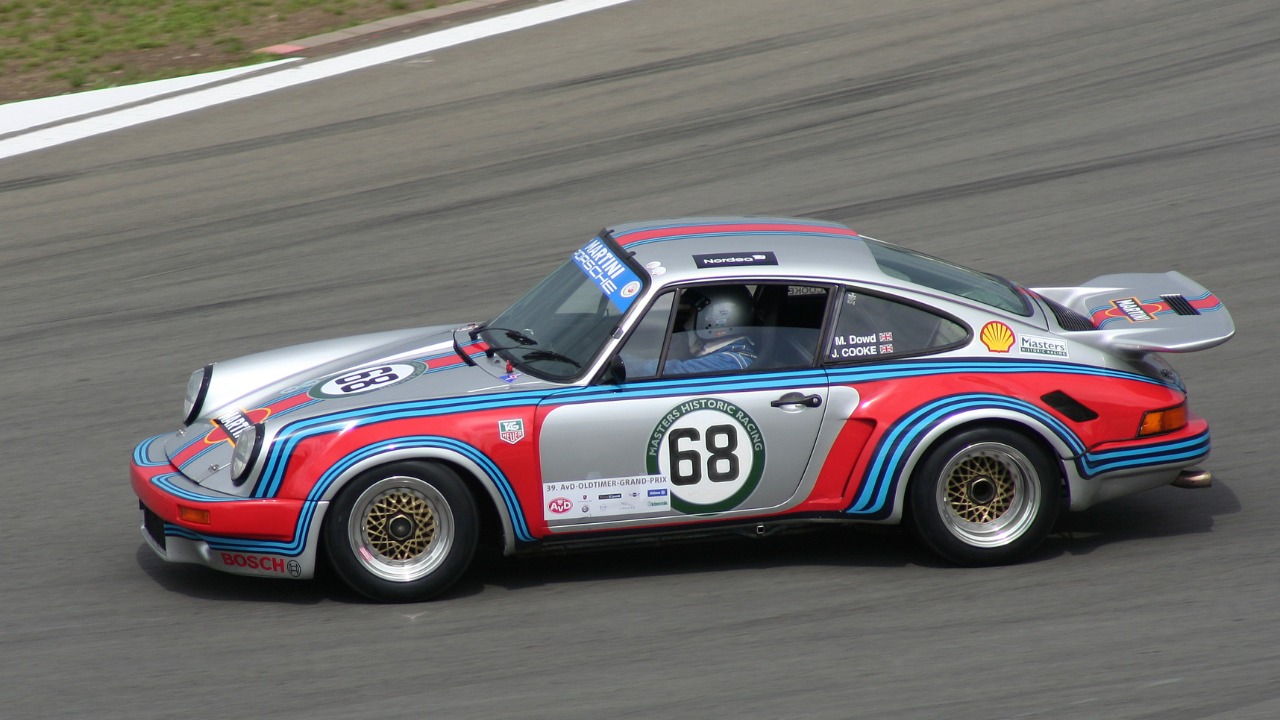
The 911’s success in motorsport is not just a feather in Porsche’s cap; it’s a driving force behind its continuous development. The racing pedigree of the 911 is integral to its reputation, with the model achieving numerous victories across various racing disciplines. These successes are more than just accolades; they provide real-world testing grounds for innovations that eventually make their way into the consumer versions of the 911. One of the key aspects of the 911’s development is the transfer of technology from the racetrack to the road.
Features such as advanced suspension systems and high-performance braking technologies were honed in the competitive arena of motorsport before being adapted for consumer use. This trickle-down effect ensures that every 911 benefits from the cutting-edge developments seen in Porsche’s racing endeavors. Iconic victories, such as those at the Monte Carlo Rally and Le Mans, have cemented the 911’s status in the sports car world. These wins not only boost the car’s reputation but also reinforce the engineering and design philosophies that underpin its development. The lessons learned on the track translate into improved performance and reliability for the consumer models, allowing the 911 to remain a top choice for driving enthusiasts.
Innovation and Technology
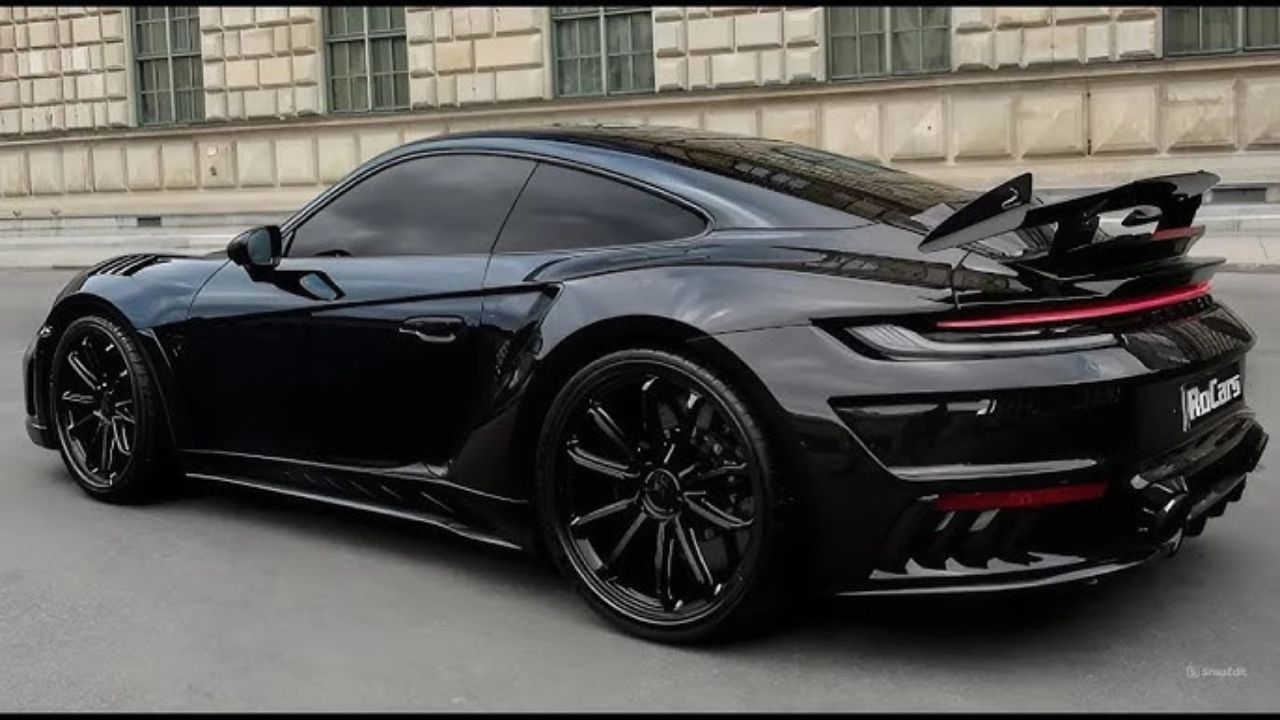
Porsche’s approach to electrification is evident in the hybrid and electric integration within the 911 lineup. The introduction of models like the 911 Turbo S E-Hybrid showcases Porsche’s commitment to combining high performance with environmental responsibility. As the automotive industry shifts towards sustainability, Porsche is keen on ensuring the 911 remains a part of this future without losing its core identity. The use of advanced materials and engineering techniques has been pivotal in enhancing the 911’s performance and efficiency. Lightweight materials such as carbon fiber and aluminum are utilized to reduce weight while increasing strength, resulting in better handling and fuel efficiency.
The 2024 Porsche 911 Lightweight Special Edition is a testament to these advancements, showcasing how strategic material use can lead to significant performance gains. Incorporating modern infotainment and connectivity features has been a challenge for Porsche, given the 911’s driver-focused ethos. However, Porsche has successfully integrated these technologies without detracting from the driving experience. Features such as the Porsche Communication Management (PCM) system ensure that drivers have access to navigation and entertainment without compromising the car’s sporting nature. This digital evolution keeps the 911 relevant in an increasingly connected world.
Cultural Impact
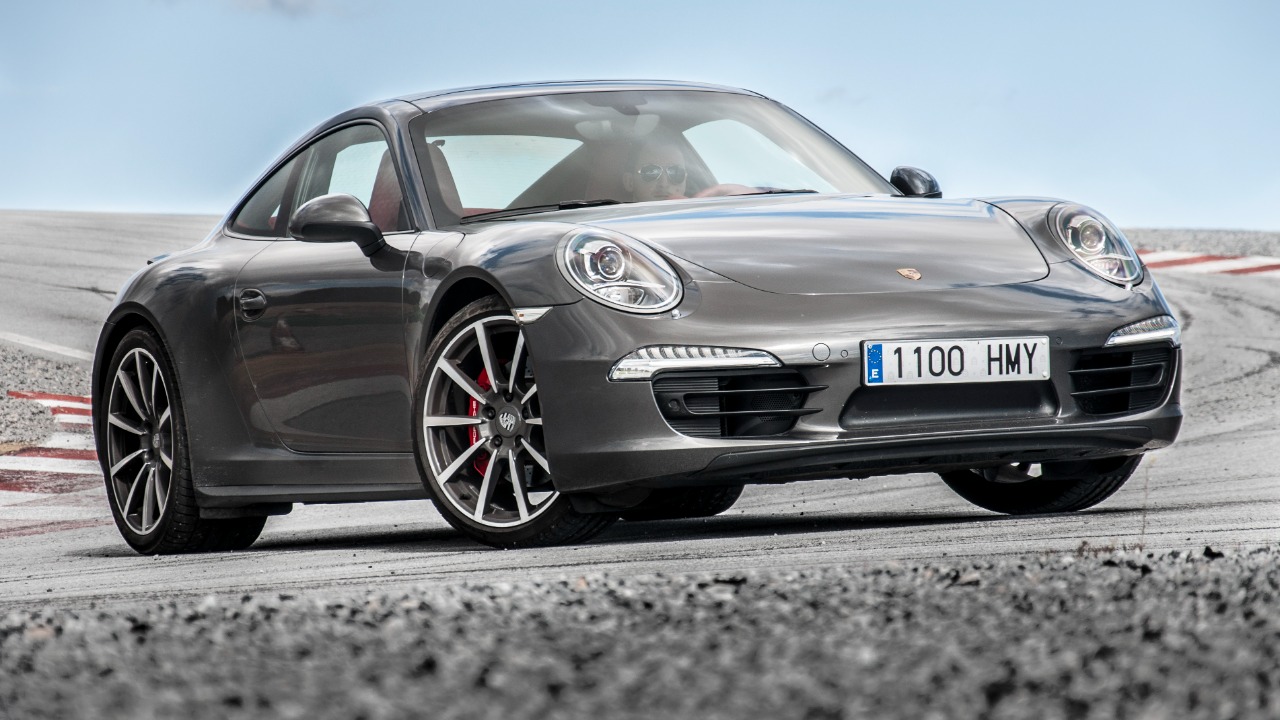
The Porsche 911’s presence in popular culture is undeniable. From starring roles in films to being featured in video games and music, the 911 is more than just a car; it’s a cultural icon. Its sleek design and performance capabilities have made it a status symbol, coveted by car enthusiasts and collectors alike. The 911’s appearances in films such as “Bad Boys” and “Gone in 60 Seconds” have only heightened its allure, cementing its place in the cultural zeitgeist. The 911 boasts a dedicated following, with a passionate community that organizes events and gatherings to celebrate their love for this iconic sports car.
Porsche supports these communities through initiatives such as the Porsche Club of America, fostering a sense of camaraderie and brand loyalty among enthusiasts. This community-driven approach helps keep the 911 relevant and ensures that it remains a dream car for many. For car enthusiasts and collectors, the 911 represents the epitome of sports car engineering. Its combination of performance, heritage, and exclusivity makes it a highly coveted model. Collectors often seek out rare and limited-edition models, seeing them as both an investment and a testament to the enduring appeal of the 911. This desirability ensures that the 911 remains a staple in the world of high-performance automobiles.
Future of the 911
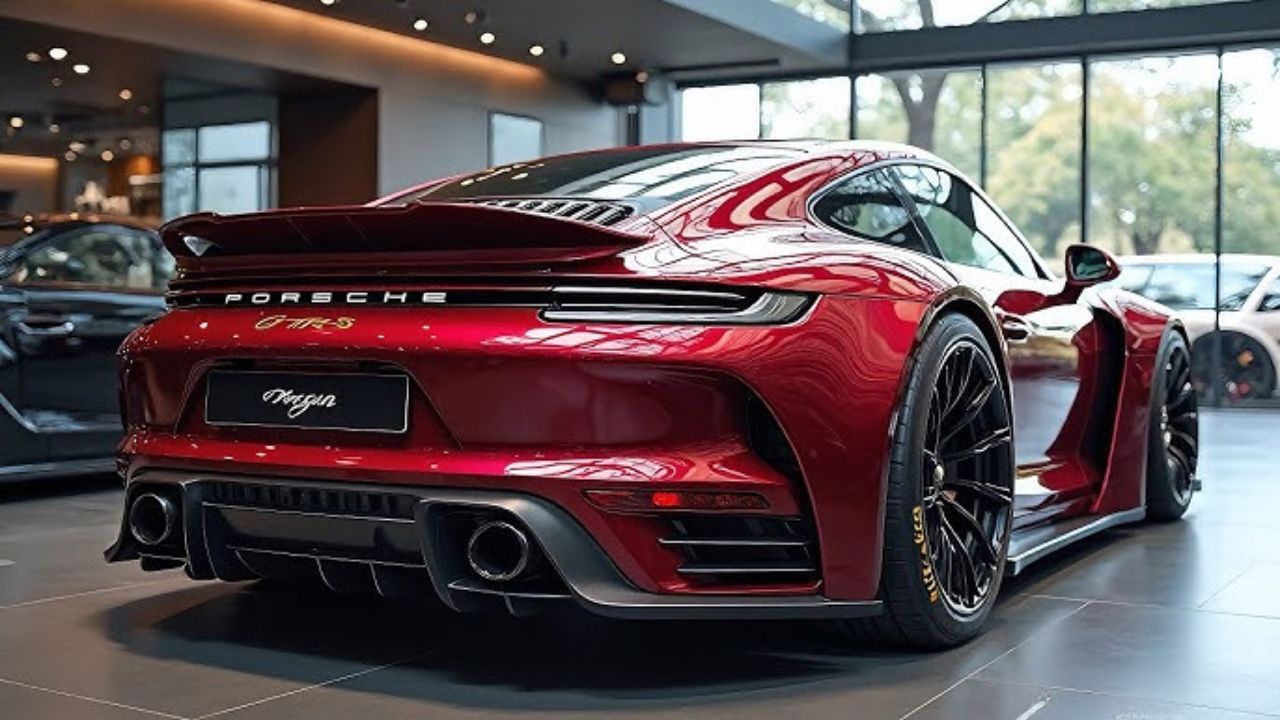
As the automotive industry faces increasing pressure to address environmental concerns, Porsche is committed to ensuring the 911 remains sustainable without sacrificing its performance credentials. This involves exploring alternative powertrains, such as hybrid and fully electric options, as part of Porsche’s broader strategy to reduce its carbon footprint. By embracing new technologies, Porsche ensures the 911 will continue to thrill future generations of drivers. The next generation of the 911 promises to blend tradition with innovation, incorporating cutting-edge engineering and design advancements.
Speculations suggest that future models will feature advanced driver-assistance systems and electrified powertrains, while confirmed plans hint at more lightweight materials and aerodynamic improvements. These developments will allow the 911 to maintain its competitive edge while meeting the demands of an evolving automotive market. Balancing tradition with innovation is a challenge Porsche has expertly navigated over the years. The 911’s enduring appeal lies in its ability to evolve while maintaining its core identity. As Porsche continues to push the boundaries of what’s possible, the 911 remains a symbol of excellence, proving that its legacy is not just about its past achievements but also its future potential.
Like Fast Lane Only’s content? Be sure to follow us.
Here’s more from us:
*Created with AI assistance and editor review.

Leave a Reply