

Car colors are more than just aesthetic choices; they can significantly impact the price of a vehicle. While some hues come at no extra cost, others can add a substantial amount to the final price tag. Understanding the reasons behind the varying costs of car colors involves delving into the complexities of pigment technology, consumer psychology, and market dynamics, all of which play crucial roles in determining the final price of a car.
The Science and Psychology of Car Colors
Color Pigment Complexity
Choosing a car color often comes down to personal preference, but what many don’t realize is that some colors are more expensive because they require more complex pigments. These pigments can be rare, necessitating intricate manufacturing processes that increase production costs. For instance, multi-layer paints that create special effects like metallic or pearlescent finishes can be particularly pricey. These finishes not only require additional layers of paint but also involve advanced technology to apply uniformly.
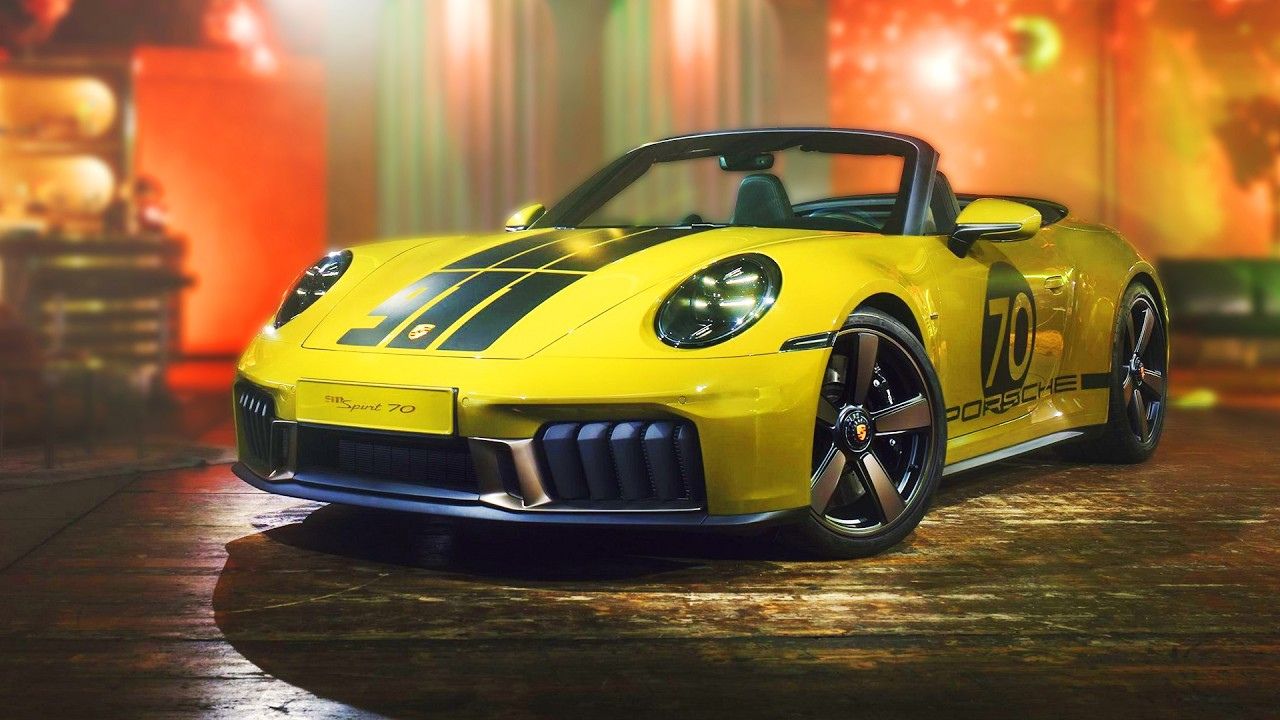
Special effects like these can dramatically alter a car’s appearance, making them highly desirable but also more expensive. The Porsche 911 Spirit 70, for example, features a unique color that significantly increases its price compared to the base model. This added cost is largely due to the advanced materials and techniques required to achieve such a distinctive look.
Consumer Perception and Demand
Beyond the technical aspects, the color of a car can have a profound psychological impact on buyers. Certain colors are often associated with luxury, power, or exclusivity, which can make them more appealing and allow manufacturers to charge a premium. The perception of value tied to specific colors can vary, but colors like black, silver, and white often hold a universal appeal due to their association with elegance and sophistication.
Color trends also play a pivotal role in shaping consumer demand and, consequently, pricing. As trends shift, so do the popularity and cost of certain colors. Studies, such as those discussed by Stephen Westland, highlight how colors in vogue can command higher prices simply due to increased demand. This cyclical nature of color popularity means that what is expensive today might be less so in a few years, as trends evolve.
Manufacturing and Production Factors
Material and Production Costs
The cost of producing unique car colors isn’t solely dependent on the pigments themselves. The entire manufacturing process can be more expensive for certain colors, especially those requiring rare materials or complex application methods. The automotive industry often relies on economies of scale to keep costs down, but this is harder to achieve with low-demand colors. When manufacturers can’t produce these colors in large quantities, the unit price increases, making them more expensive for consumers.
For example, colors with high metallic or pearlescent content often require additional processing steps, such as multiple layers and longer drying times, which increase labor and material costs. These factors make them less economically viable for mass production, but they offer a unique appeal that can justify the higher price tag for some buyers.
Supply Chain and Logistics
The logistics of producing and delivering specialized car colors further add to their cost. Sourcing rare pigments can be challenging, with supply chain disruptions potentially causing delays and price hikes. Transportation and storage also play a role; specialized colors may require different handling than standard options, adding another layer of cost.
When pigments are sourced globally, geopolitical factors and fluctuating exchange rates can also affect pricing. For instance, a pigment that needs to be imported from overseas might face tariffs or shipping delays, directly impacting the final cost to the consumer. These logistical challenges make it more difficult for manufacturers to offer specialized colors at competitive prices.
Market Trends and Brand Strategies
Luxury and Brand Exclusivity
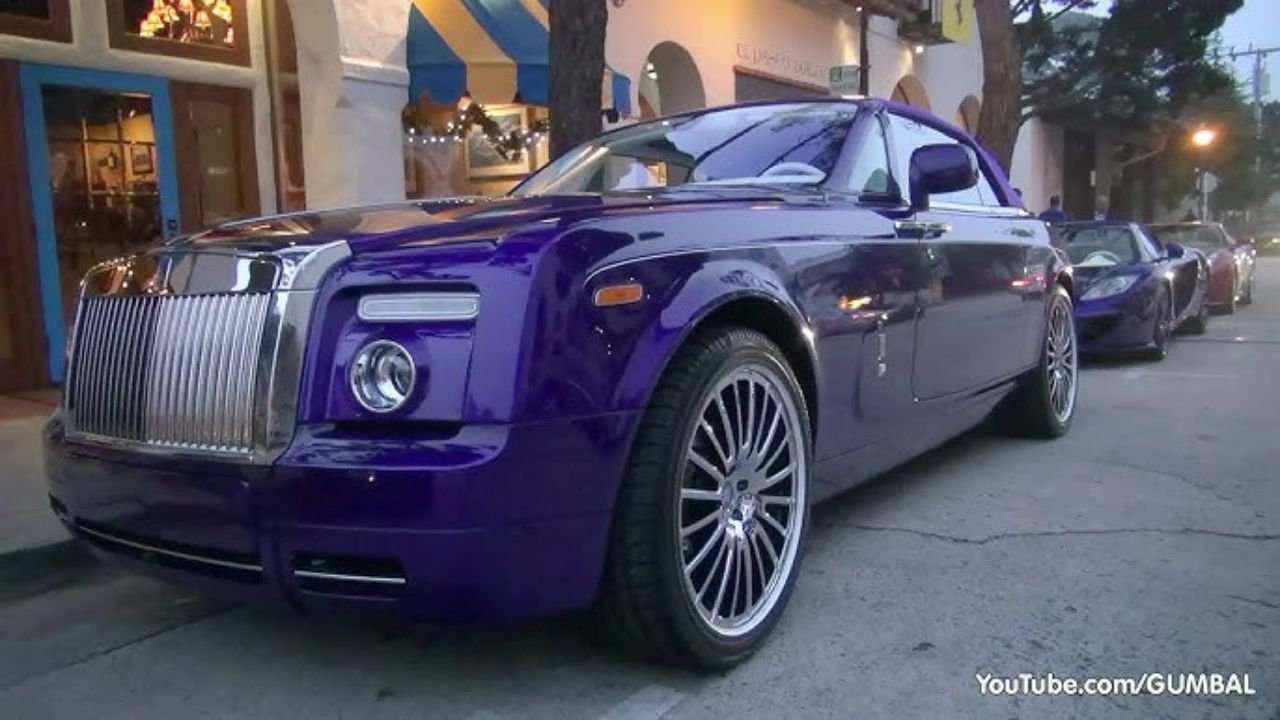
Luxury car brands often use color to reinforce their market positioning and brand image. Exclusive colors can serve as a powerful marketing tool, allowing brands to differentiate themselves and justify higher prices. By offering unique hues that aren’t available from competitors, luxury brands can enhance their aura of exclusivity and attract affluent buyers willing to pay a premium for distinction.
For example, brands like Rolls-Royce and Bentley are renowned for their bespoke color offerings, which allow customers to tailor their vehicles to specific tastes. This level of customization not only elevates the brand’s prestige but also enables it to charge significantly more for these personalized options.
Customization and Personalization
The growing trend of personalized vehicle colors reflects a broader shift towards customization in the automotive industry. Consumers are increasingly willing to pay extra for unique, tailor-made options that reflect their personality and style. This trend has led manufacturers to expand their color palettes and offer more personalized choices, capitalizing on the opportunity to boost revenue.
Manufacturers like BMW and Mercedes-Benz have embraced this trend by offering expansive color options through personalization programs. These programs allow buyers to choose from a wide array of colors and finishes, often at a premium. The demand for personalization is not just limited to luxury brands; even mainstream manufacturers are beginning to offer more customizable options, recognizing the value consumers place on individuality.
Economic and Cultural Influences
Regional Preferences
Geographic and cultural preferences can have a significant impact on car color costs. In some regions, certain colors might be more popular due to cultural associations or environmental factors, influencing both demand and pricing. For example, in hot climates, lighter colors like white and silver are often favored for their ability to reflect sunlight and keep the vehicle cooler.
Different regions might also have distinct cultural associations with specific colors, affecting their desirability and cost. In Asia, for instance, red is often considered a lucky color, which might lead to higher demand and pricing in that market. Understanding these regional preferences is crucial for manufacturers aiming to optimize their color offerings and pricing strategies.
Economic Factors
The broader economic landscape can also influence car color pricing. During economic downturns, consumers might gravitate towards more conservative color choices, such as black or gray, which are perceived as safer investments. Conversely, in times of economic prosperity, buyers might be more willing to splurge on bolder, more unique colors.
Global economic shifts can also impact the availability and cost of pigments. For instance, a recession might lead to lower production of certain pigments, driving up prices due to scarcity. In contrast, a booming economy might increase demand for luxury vehicles and their accompanying exclusive colors, further affecting pricing dynamics.
Ultimately, the cost of car colors is influenced by a complex interplay of factors, from the science of pigments to consumer psychology and market trends. As the industry continues to evolve, so too will the strategies manufacturers use to meet consumer demand and navigate the challenges of producing a diverse array of car colors.
Like Fast Lane Only’s content? Be sure to follow us.
Here’s more from us:
*Created with AI assistance and editor review.

Leave a Reply