
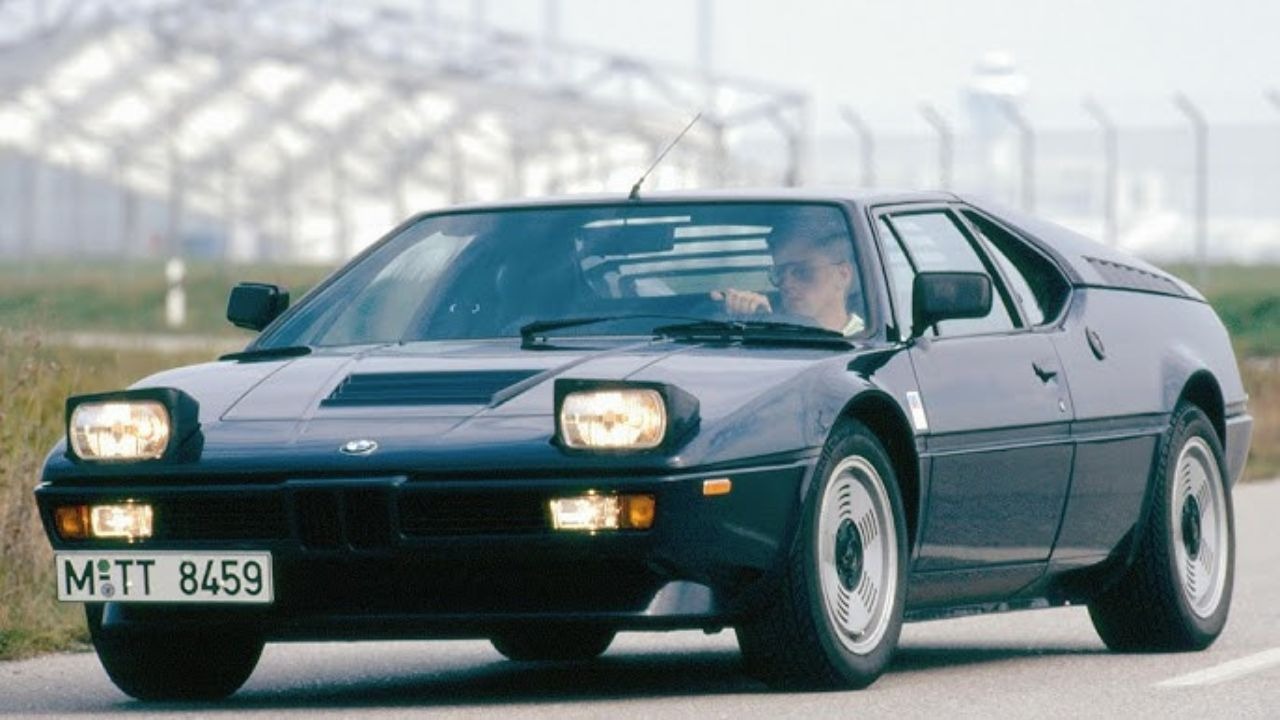
Some cars transcend their era, leaving a lasting impression with designs that appear perpetually ahead of their time. These retro car designs remain captivating for their futuristic appeal, blending timeless elegance with innovative aesthetics. Here, I explore nine such vehicles that continue to inspire and intrigue enthusiasts and designers alike.
DeLorean DMC-12
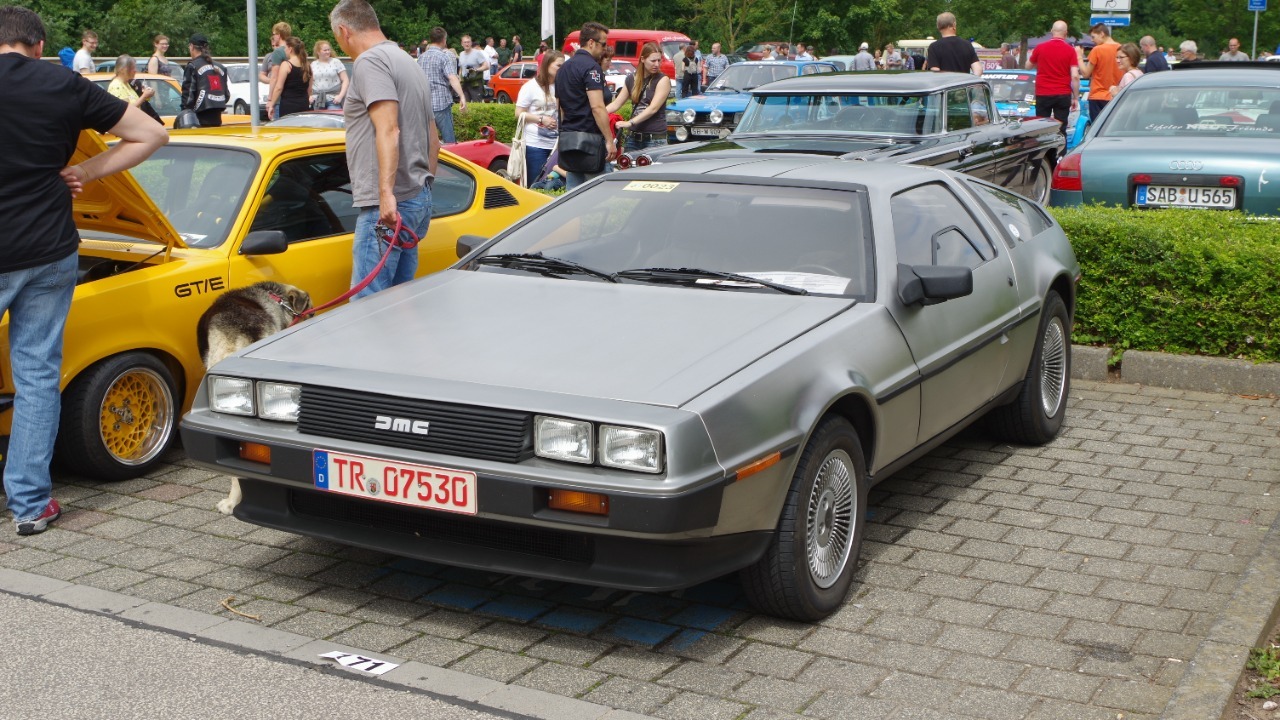
The DeLorean DMC-12 is an icon of futuristic design, thanks largely to its role in the “Back to the Future” film franchise. Introduced in 1981, its stainless steel body and gull-wing doors made it an instant classic. John DeLorean’s vision combined sleek aerodynamics with a bold aesthetic that still feels avant-garde today. Despite its short production run, the DeLorean’s legacy endures. Its design continues to influence modern vehicles and remains a popular subject of retro-futuristic revivals. The DMC-12’s unique look and cultural impact ensure it remains a staple in the automotive world.
Citroën DS
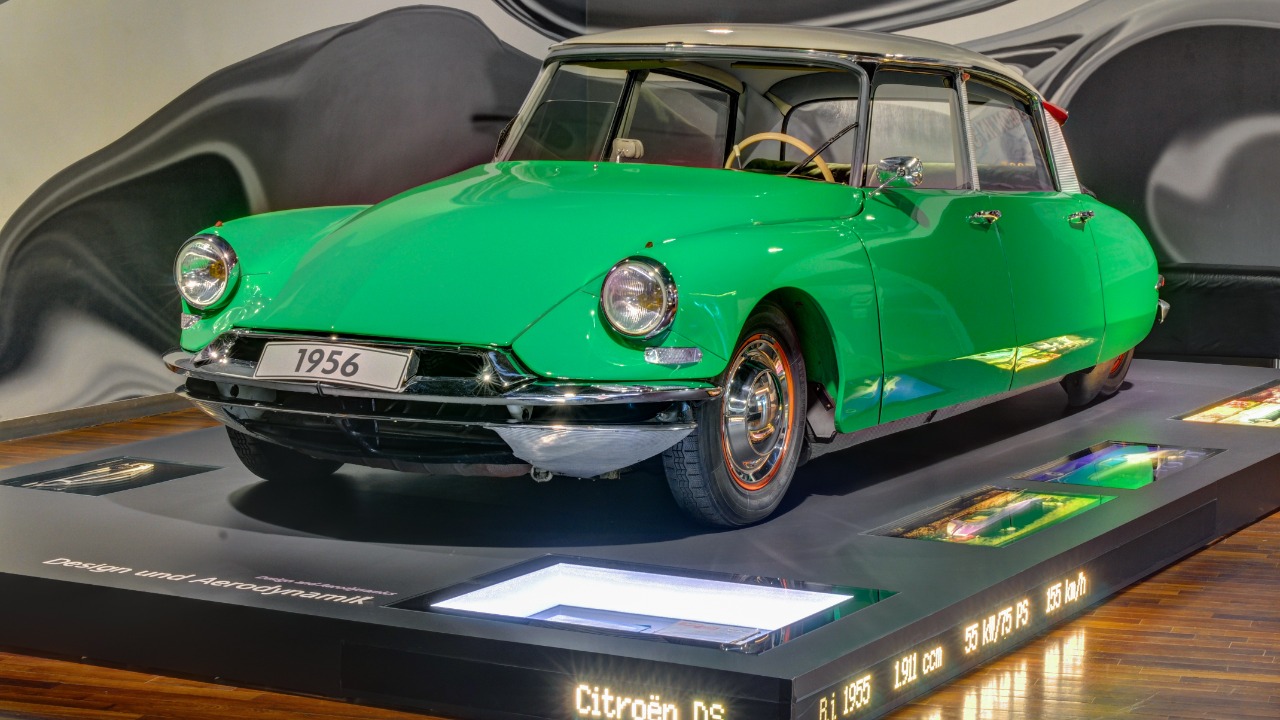
Launched in 1955, the Citroën DS was revolutionary with its aerodynamic shape and advanced technology. Its hydropneumatic suspension system and innovative design made it feel like a vehicle from the future. The DS’s sleek lines and futuristic interior set new standards for automotive design. The Citroën DS’s influence extends beyond its era, inspiring modern car designs with its forward-thinking aesthetic. It remains a symbol of innovation, blending elegance with groundbreaking engineering.
Lamborghini Countach
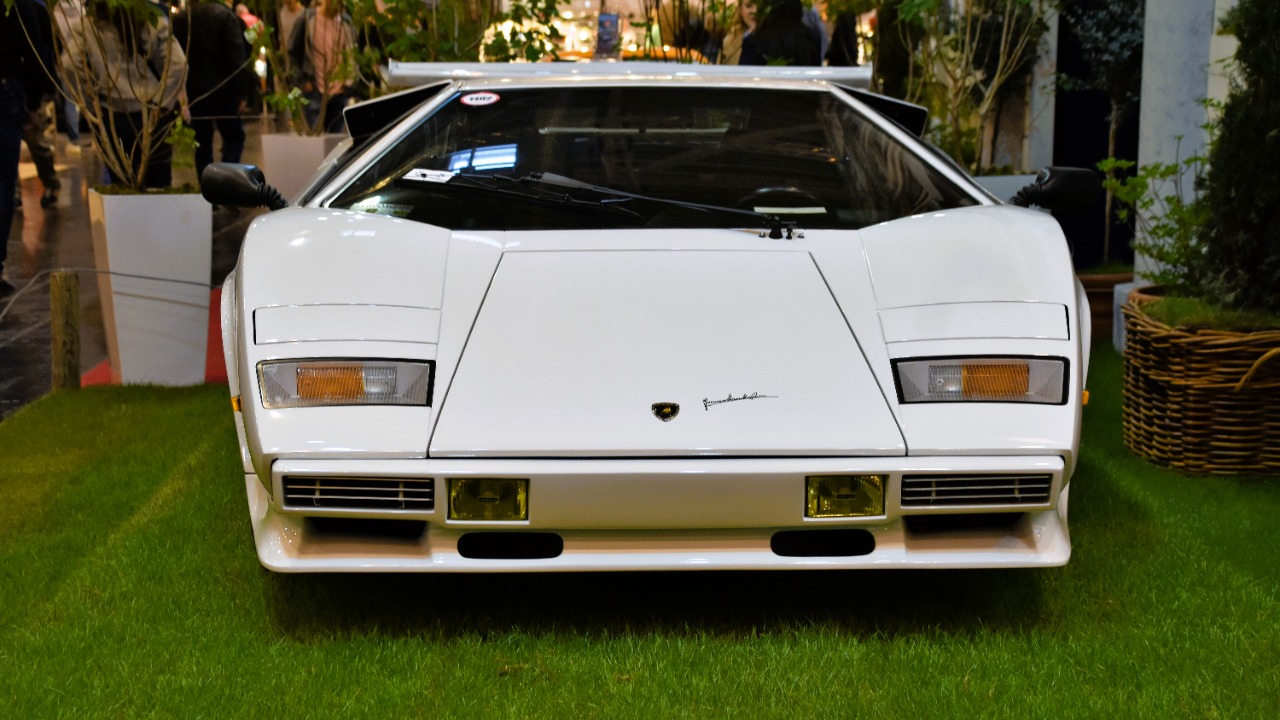
The Lamborghini Countach, introduced in 1974, was a paradigm of cutting-edge design. Its sharp, angular lines and wedge-shaped body captured imaginations and set a new standard for sports cars. The scissor doors, now synonymous with the Lamborghini brand, added to its futuristic allure. Decades later, the Countach’s influence is evident in modern supercars. Its bold design choices continue to inspire automotive designers, proving that the Countach was not just a product of its time, but a visionary glimpse into the future of luxury sports cars.
BMW M1
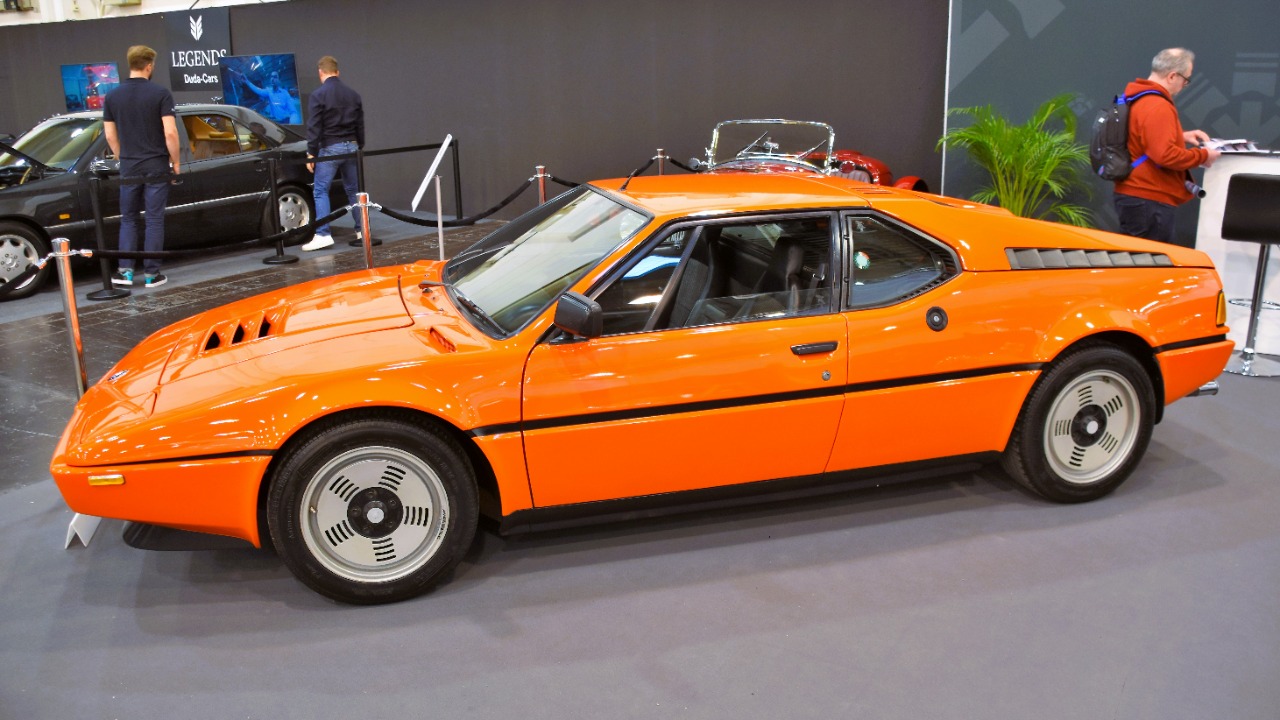
The BMW M1, produced between 1978 and 1981, showcases a blend of Italian design and German engineering. Styled by Giorgetto Giugiaro, its low-slung, aerodynamic form was a departure from BMW’s traditional designs. The M1’s sleek profile and mid-engine layout were groundbreaking at the time. Even today, the M1’s design remains influential, often cited as a source of inspiration for modern concept cars. Its timeless aesthetic continues to captivate car enthusiasts, solidifying its place in automotive history.
Aston Martin Lagonda
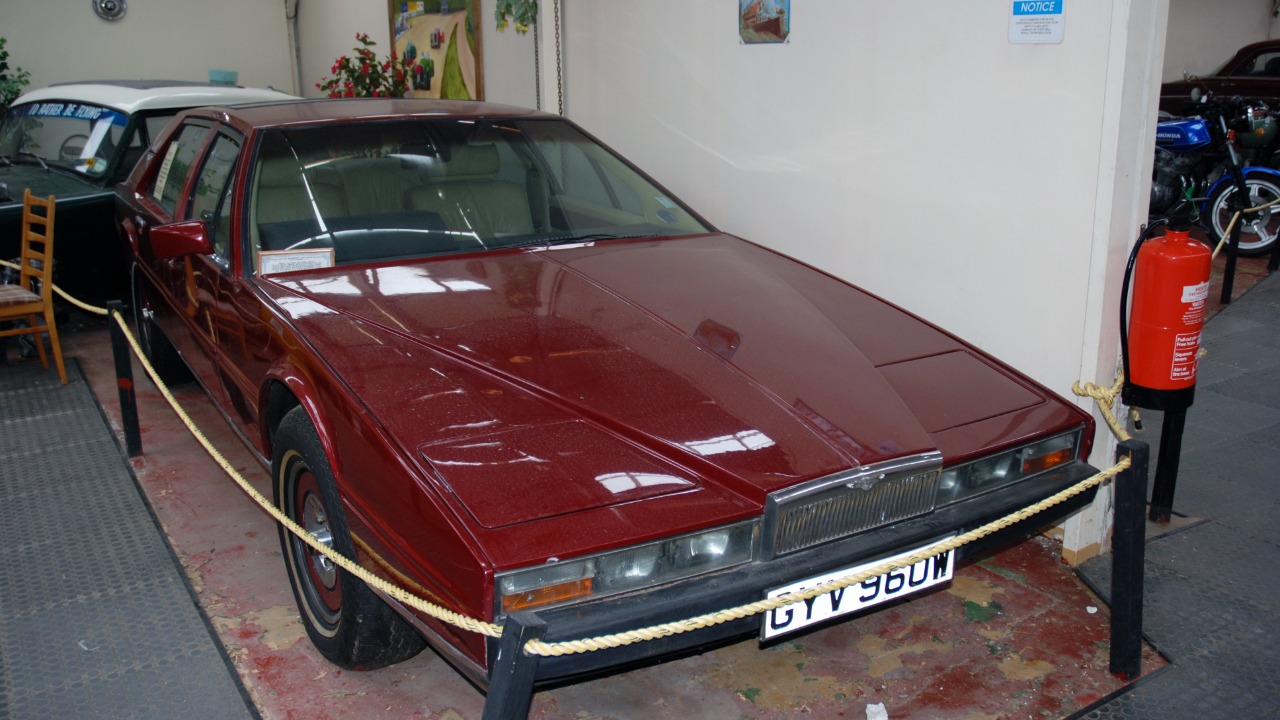
The Aston Martin Lagonda, launched in 1976, was a futuristic marvel with its angular design and digital dashboard. Known for its long, low silhouette and luxurious interior, the Lagonda was a bold statement in the luxury sedan market. Its advanced technology, including a digital instrument cluster, was ahead of its time. The Lagonda’s striking appearance and innovative features continue to influence luxury car designs, making it a symbol of forward-thinking elegance.
Saab 900 Turbo
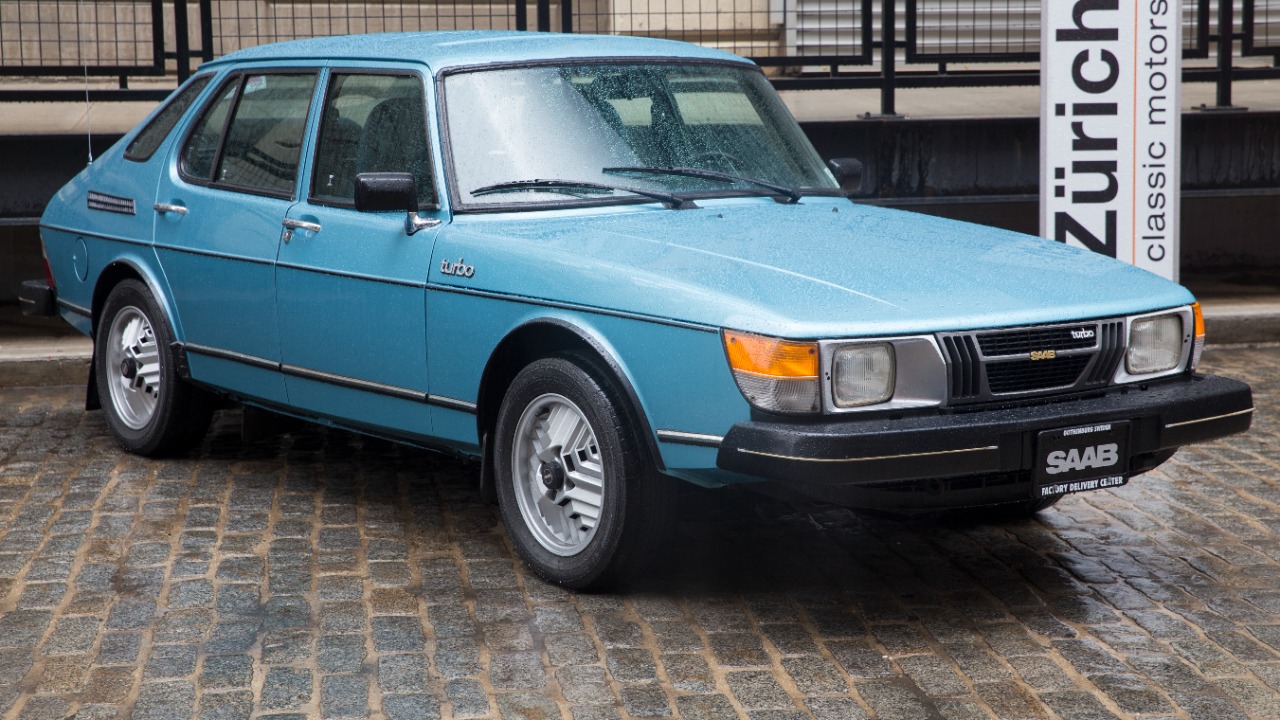
The Saab 900 Turbo, introduced in 1978, was a trailblazer with its distinctive design and turbocharged performance. Its wraparound windshield and sleek lines gave it a futuristic look, while its safety innovations set new industry standards. Renowned for its unique design and engineering, the Saab 900 Turbo remains a beloved classic. Its influence is still seen in today’s automotive world, especially in vehicles that prioritize both style and safety.
Alfa Romeo Carabo
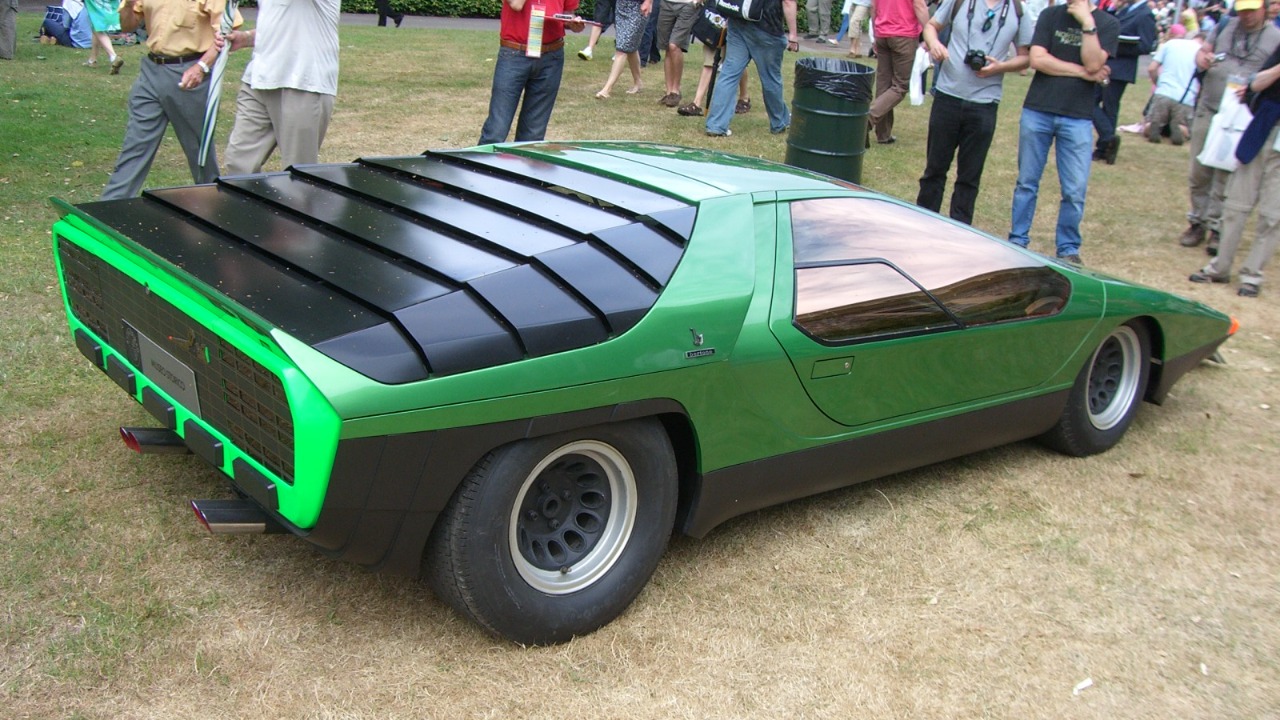
The Alfa Romeo Carabo, unveiled in 1968, was a concept car that redefined automotive aesthetics. Designed by Marcello Gandini, its wedge shape and scissor doors were revolutionary. The Carabo’s vivid green and orange color scheme further emphasized its futuristic appeal. While it never went into production, the Carabo’s design influenced many supercars that followed. Its daring style and innovative features continue to inspire modern car designers, underscoring its lasting impact on the industry.
Lotus Esprit
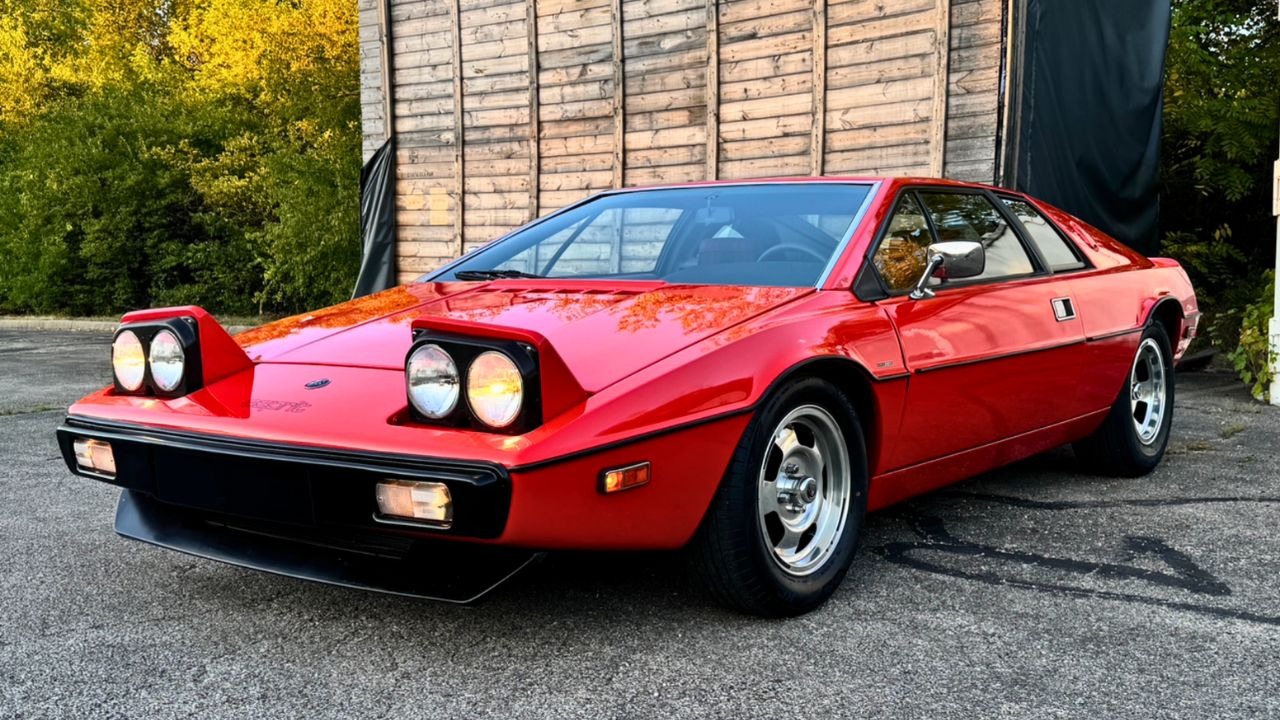
The Lotus Esprit, first introduced in 1976, is renowned for its sleek, angular design crafted by Giorgetto Giugiaro. Its low profile and sharp lines made it a staple of futuristic design, famously featured in James Bond films. The Esprit’s design has aged gracefully, continuing to influence sports car aesthetics. Its combination of style and performance ensures that it remains a significant part of automotive history, admired by enthusiasts and designers alike.
Vector W8
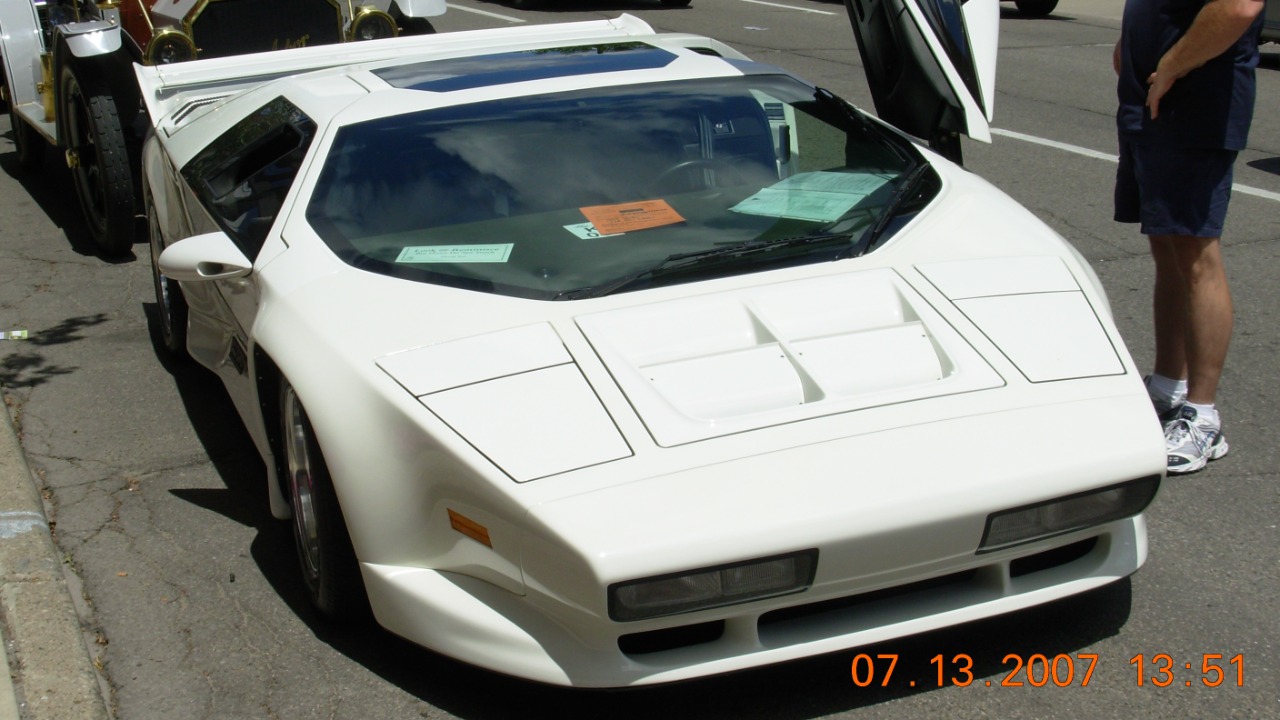
The Vector W8, produced from 1989 to 1993, was a supercar like no other. Its aggressive, angular design and aerospace-inspired technology set it apart from its contemporaries. The W8’s advanced features and striking appearance made it a symbol of futuristic ambition.
Although only a handful were produced, the Vector W8’s influence on automotive design is undeniable. Its bold vision and innovative approach continue to inspire designers today, much like the restoration of classic models with modern twists.
Like Fast Lane Only’s content? Be sure to follow us.Here’s more from us:
*Created with AI assistance and editor review.

Leave a Reply