
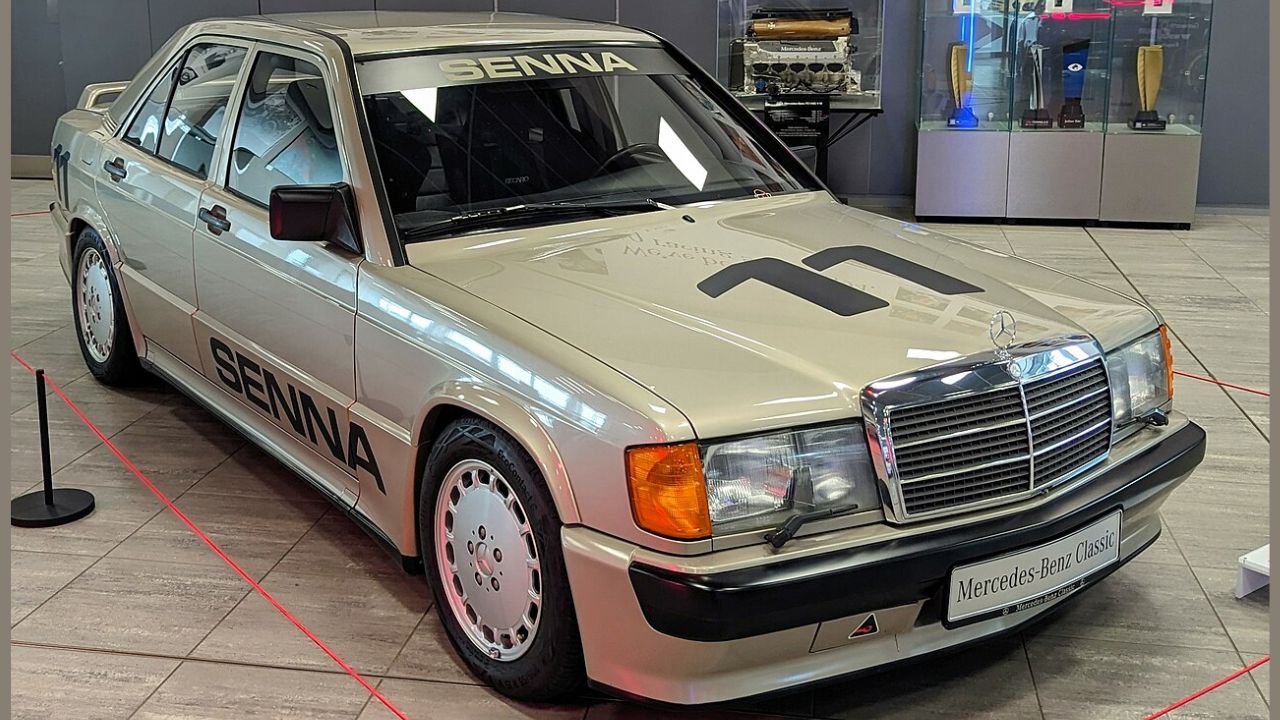
Mercedes-Benz has spent decades setting—and resetting—the definition of a luxury sedan. From high-speed cruisers that could outrun sports cars to models that redefined safety and comfort, the brand has consistently treated its four-door flagships as showcases of engineering ambition. Some brought groundbreaking technology, others shifted the market by blending performance with refinement, and a few simply outlasted everything else on the road. These eight sedans show how Mercedes didn’t just follow luxury trends—it often created them.
Mercedes-Benz 300SEL 6.3 – 1968
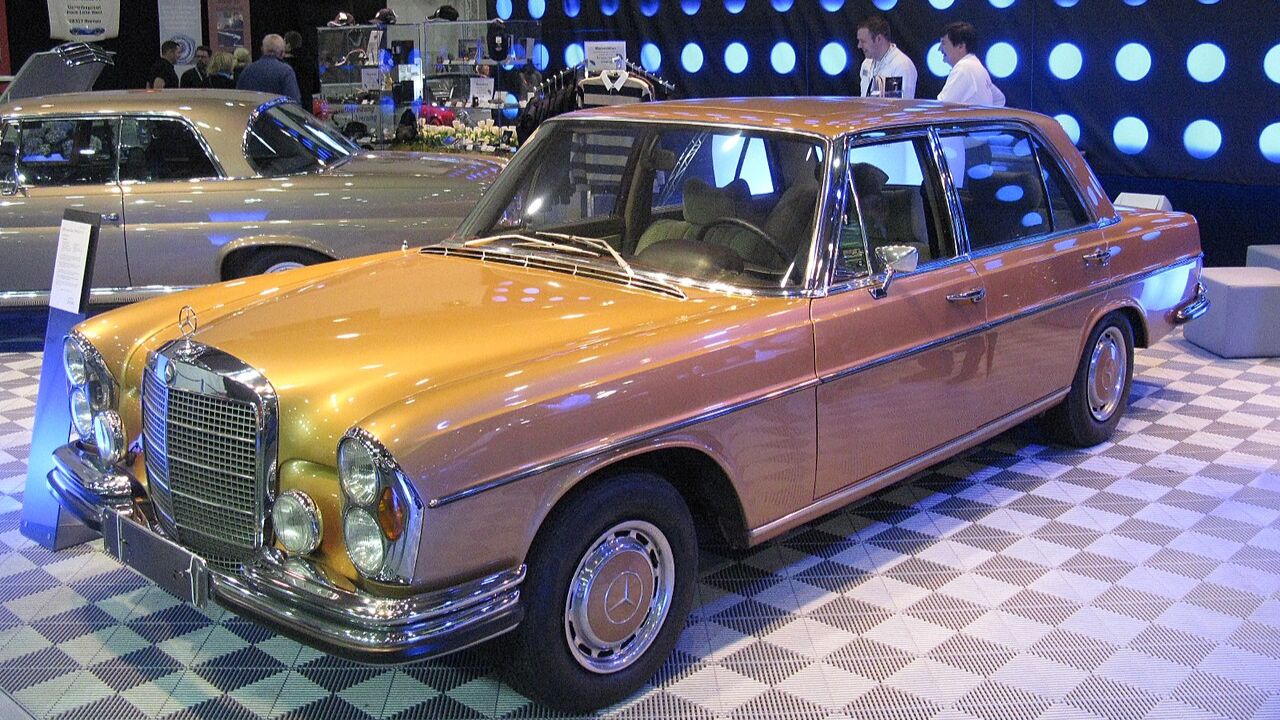
The 300SEL 6.3 was a sleeper in every sense. Mercedes dropped its 6.3-liter M100 V8 from the 600 limousine into the W109 sedan, giving it 247 hp and 369 lb-ft of torque. Paired with air suspension and a four-speed automatic, it could cruise at 130 mph while seating five in full comfort. Inside, the cabin featured rich wood trim, leather seating, and precise switchgear. It wasn’t marketed as a sports sedan, but its performance numbers embarrassed many sports cars of the era. The 6.3 proved Mercedes could mix limousine luxury with autobahn pace.
Mercedes-Benz W116 S-Class – 1972
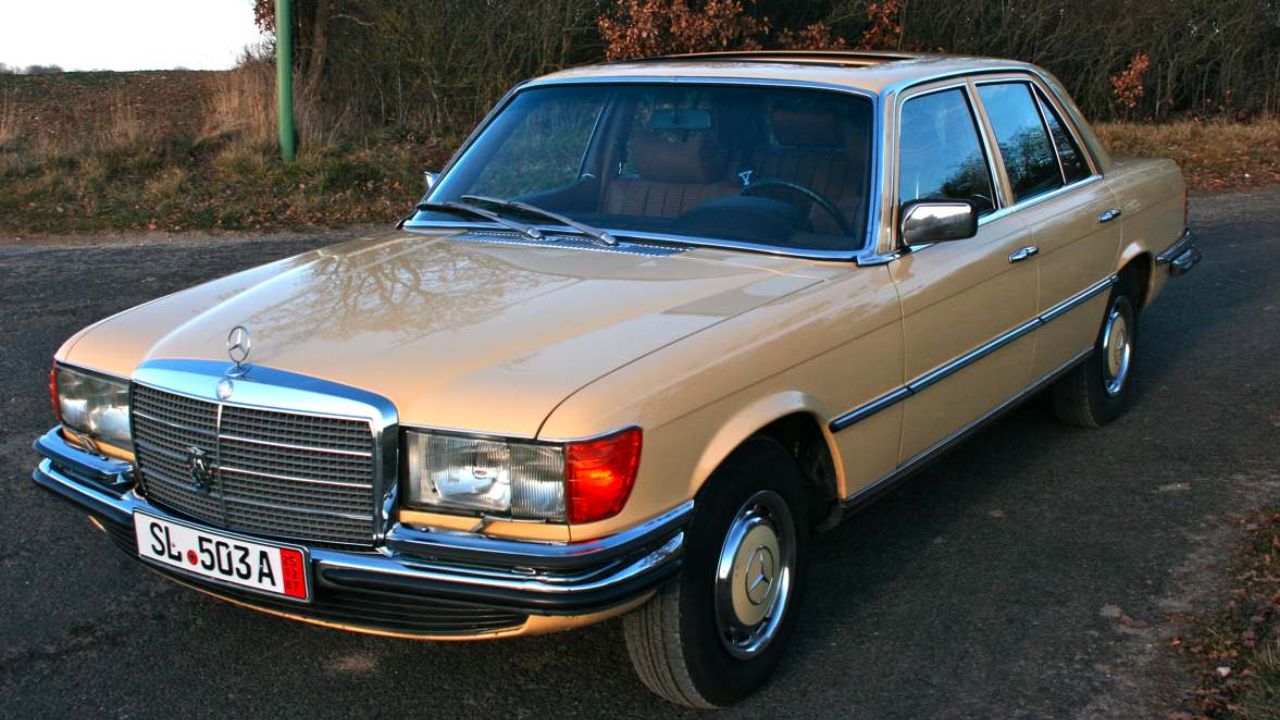
The W116 was the first to officially wear the S-Class badge, and it redefined safety and refinement in the luxury segment. Engines ranged from the 2.8-liter inline-six to the 6.9-liter V8 with 286 hp. Mercedes introduced features like anti-lock brakes (in 1978) and a reinforced passenger cell. Inside, ergonomics were carefully considered, with supportive seats and clear instrumentation. The W116’s combination of advanced safety tech, smooth ride, and understated authority set the tone for every S-Class that followed, influencing the entire luxury sedan market for decades.
Mercedes-Benz 450SEL 6.9 – 1975
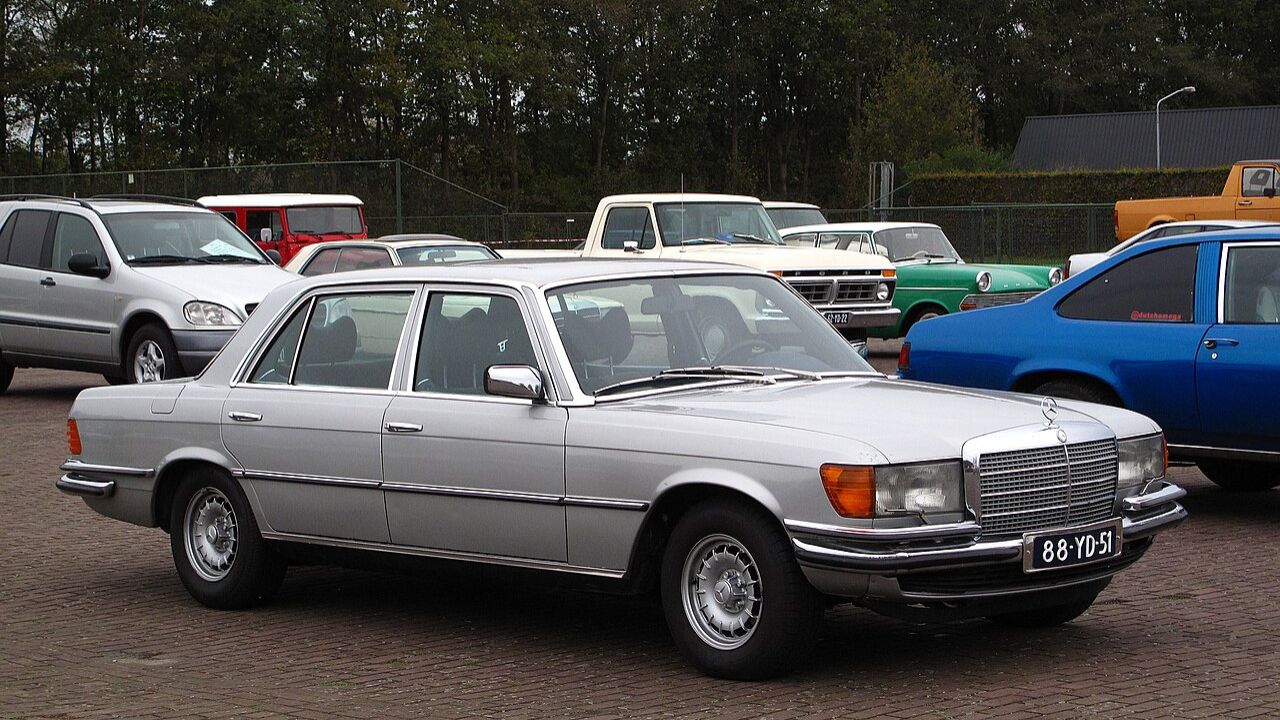
The 450SEL 6.9 took the W116 to its performance limit. Its 6.9-liter V8 delivered 250 hp and an immense 405 lb-ft of torque, paired with a hydropneumatic suspension for exceptional ride control. It could sprint to 60 mph in around 7 seconds—quick for a full-size sedan in the ’70s. Inside, it was businesslike but opulent, with leather seating, deep carpeting, and climate control. The 6.9 was about effortless power rather than flash, showing that Mercedes could build a true flagship that performed as impressively as it coddled.
Mercedes-Benz W123 – 1976
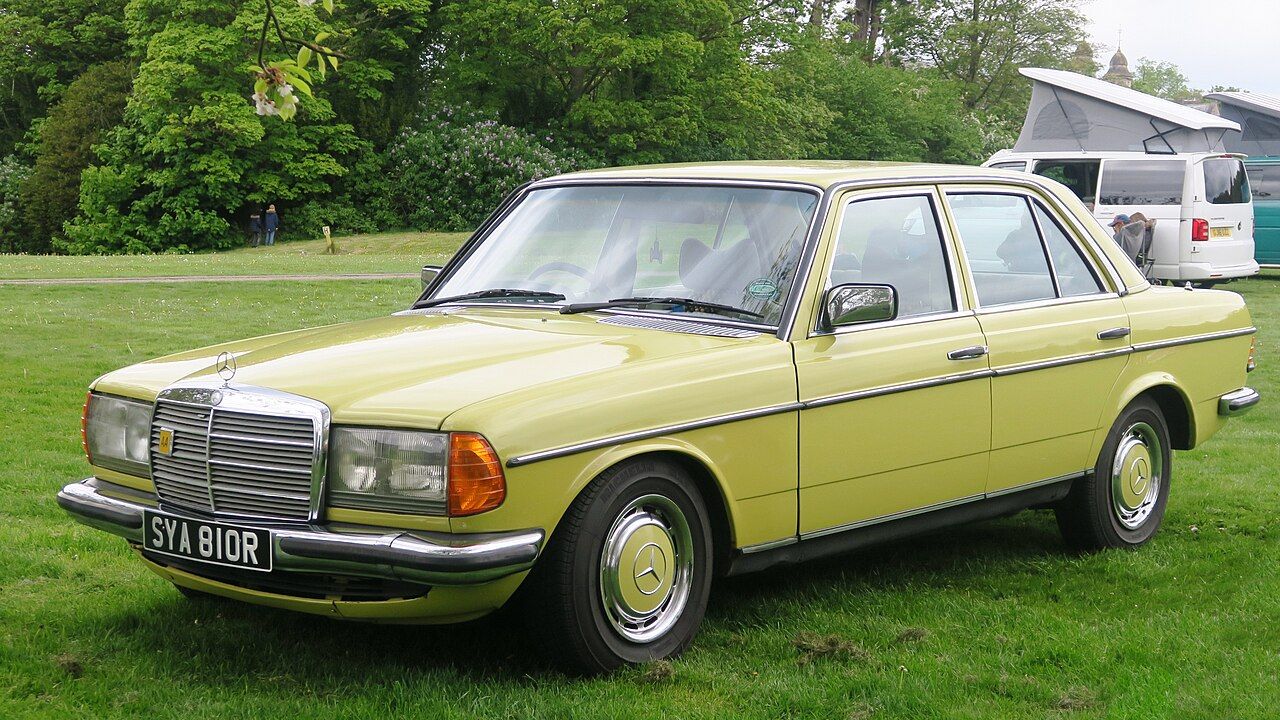
The W123 wasn’t the most expensive Mercedes sedan, but it may have been the most influential. Offered with everything from frugal diesels to smooth six-cylinder gas engines, it was known for unmatched durability. The design was clean, with large glass areas for visibility, and interiors were functional yet comfortable, using high-quality materials that aged well. It became a global icon, prized for reliability and ease of maintenance. The W123 showed that luxury could also mean longevity and value, qualities that built trust in the Mercedes name worldwide.
Mercedes-Benz W140 S-Class – 1991
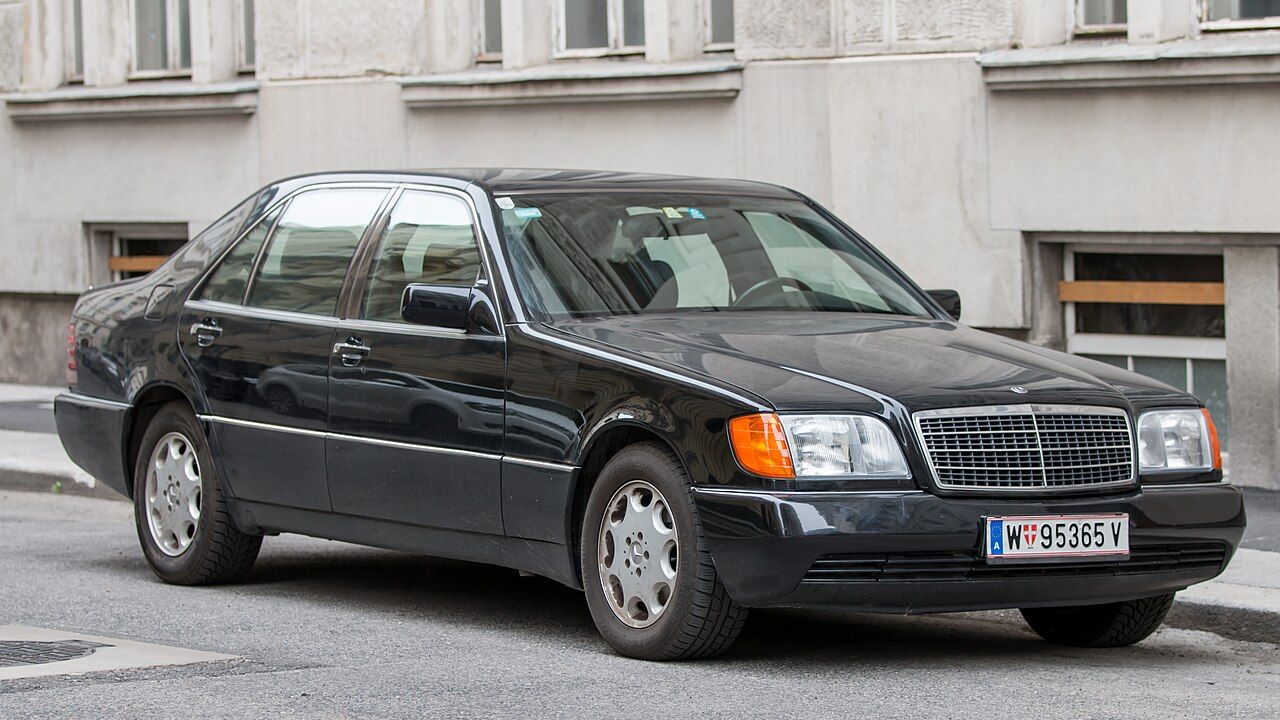
The W140 was over-engineered to a degree rarely seen in production cars. Available with V8s and a 6.0-liter V12 making 389 hp, it was as powerful as it was refined. Double-pane glass reduced cabin noise, and soft-close doors added a touch of effortless operation. The interior was spacious, with advanced climate control and optional heated rear seats. The W140 pushed Mercedes into a new tier of comfort and technology, even if its size and cost drew criticism. It remains a symbol of Mercedes’ willingness to prioritize engineering over budget constraints.
Mercedes-Benz W201 190E 2.3-16 – 1984
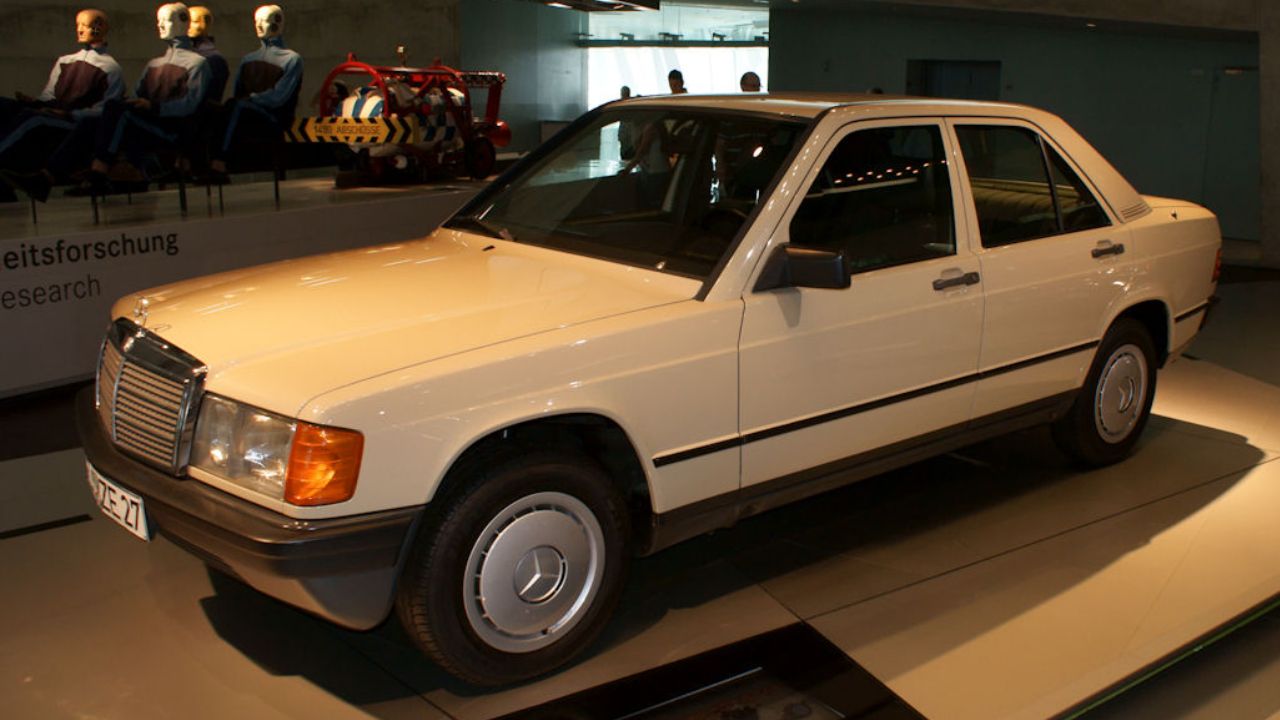
The W201 “Baby Benz” introduced a smaller, more affordable Mercedes sedan without sacrificing quality. The 2.3-16 model, developed with Cosworth, featured a 167-hp four-cylinder, sport-tuned suspension, and aerodynamic body tweaks. Inside, it still felt like a Mercedes—firm yet supportive seats, clear gauges, and solid switchgear. While designed to compete in motorsport, it also broadened the brand’s appeal to younger buyers. The 190E proved that luxury didn’t have to mean full-size, and that a compact Mercedes could still deliver refinement and engineering excellence.
Mercedes-Benz W211 E-Class – 2002
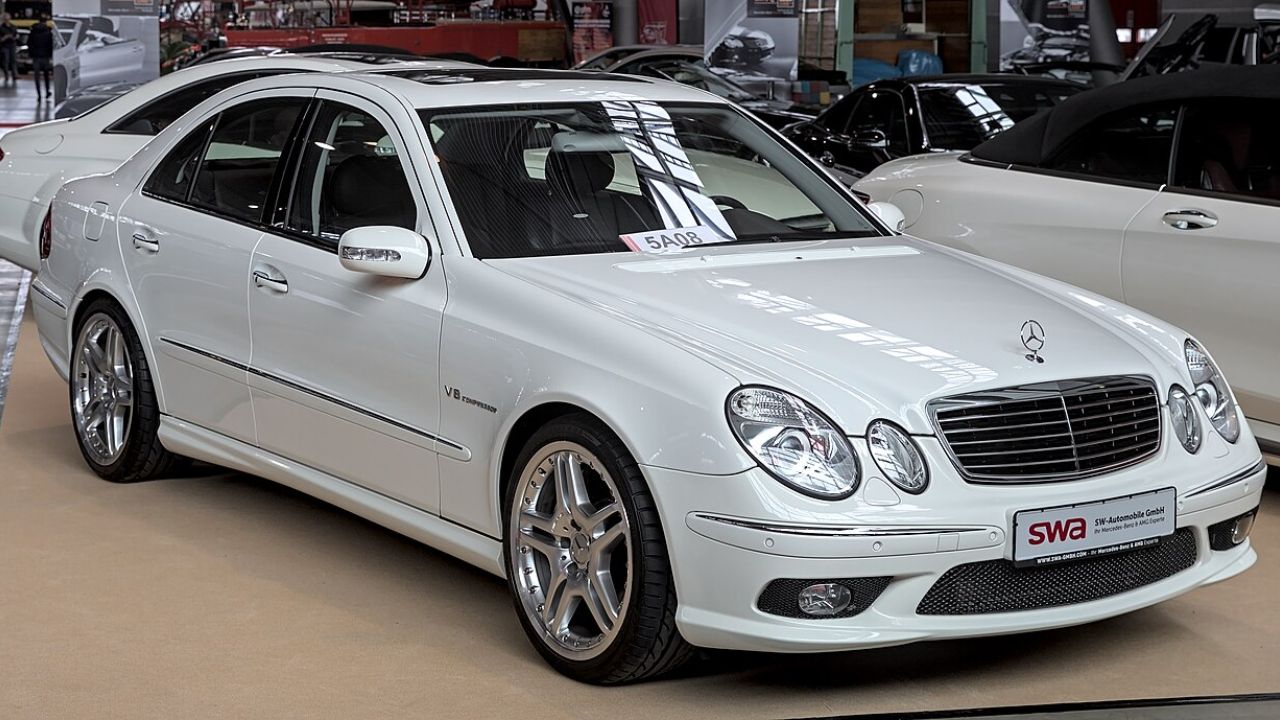
The W211 brought fresh styling and advanced tech to the midsize segment. Engine options ranged from a 2.6-liter V6 to the AMG-tuned 5.4-liter supercharged V8 producing 469 hp in the E55. Air suspension, adaptive lighting, and advanced infotainment made it a technological leap. The interior balanced comfort with driver focus, offering high-quality materials and precise controls. The W211 reinforced the E-Class’s reputation as the benchmark midsize luxury sedan, combining performance, safety, and long-distance comfort in a way few competitors could match.
Mercedes-Benz EQS – 2021

The EQS marked Mercedes’ full entry into the electric luxury sedan arena. With up to 516 hp in the EQS 580 and a range exceeding 340 miles, it delivered performance alongside zero-emissions driving. The cabin was dominated by the MBUX Hyperscreen, integrating multiple displays under one glass panel, while materials ranged from fine leathers to sustainable textiles. The EQS reimagined what a flagship could be in the EV age, taking Mercedes’ tradition of comfort and tech into a fully electric future—an important risk in a rapidly changing market.
Like Fast Lane Only’s content? Be sure to follow us.
Here’s more from us:
*Created with AI assistance and editor review.

Leave a Reply