
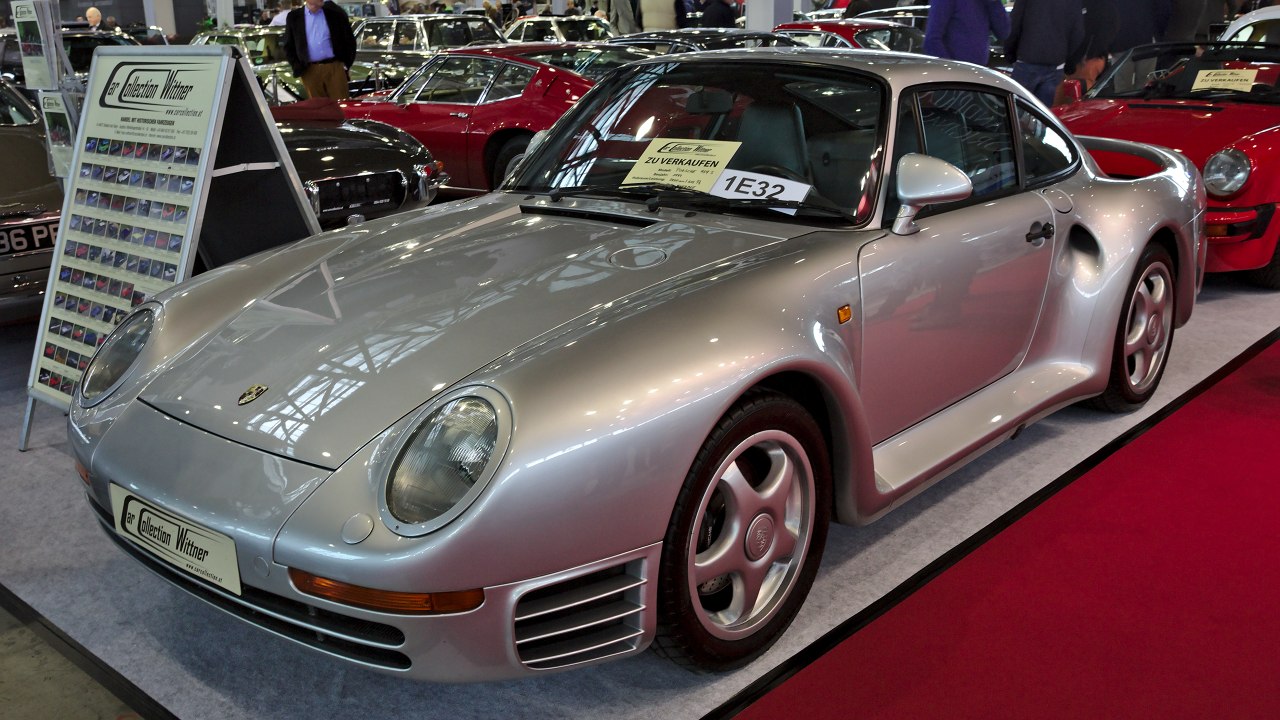
Throughout automotive history, some vehicles have been created with one goal in mind: to outperform and outshine their competition. These cars often emerge as iconic symbols of innovation, engineering prowess, and competitiveness. Below is a list of nine remarkable vehicles that were built specifically to leave their rivals in the dust.
Ford GT40
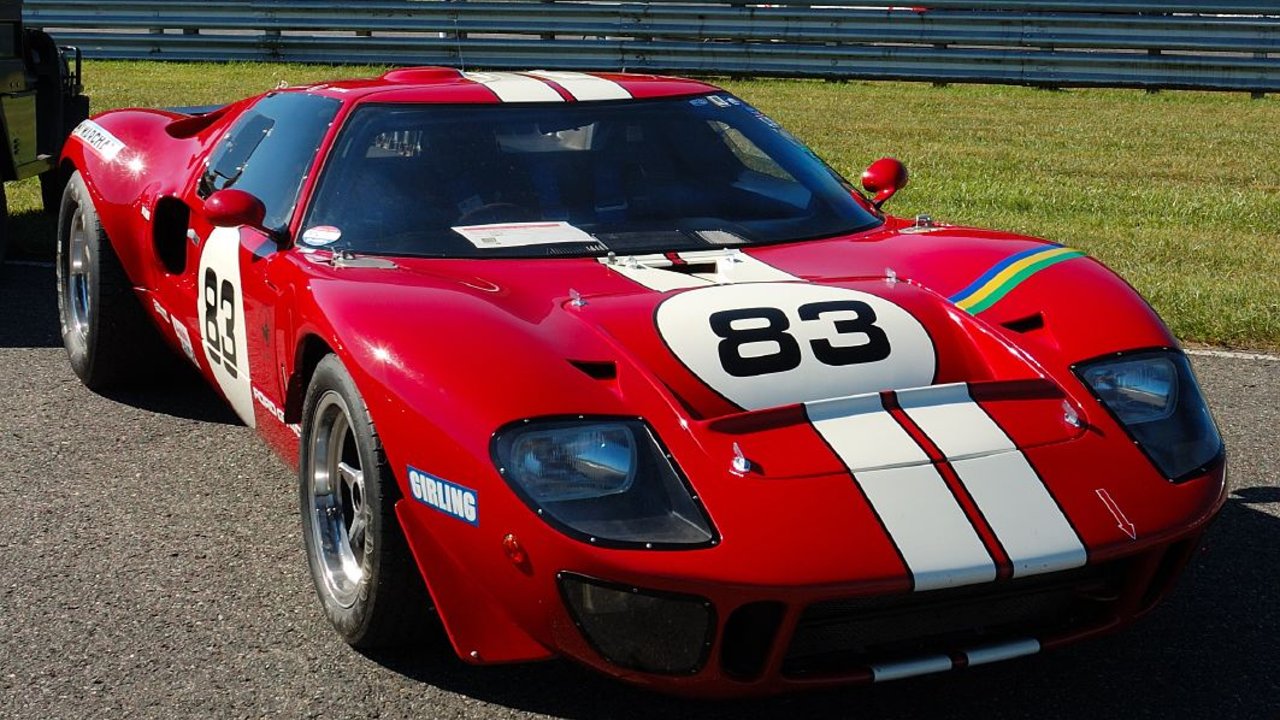
The Ford GT40 was developed in the 1960s with a clear mission: to beat Ferrari at the 24 Hours of Le Mans. After several years of effort and development, Ford achieved this goal, winning the prestigious race four consecutive times from 1966 to 1969. The GT40’s success was a testament to Ford’s engineering dedication and competitive spirit.
This car was powered by a potent V8 engine, and its design focused on aerodynamic efficiency and durability. The GT40 remains a celebrated piece of automotive history and a symbol of American ingenuity on the racetrack.
Porsche 959
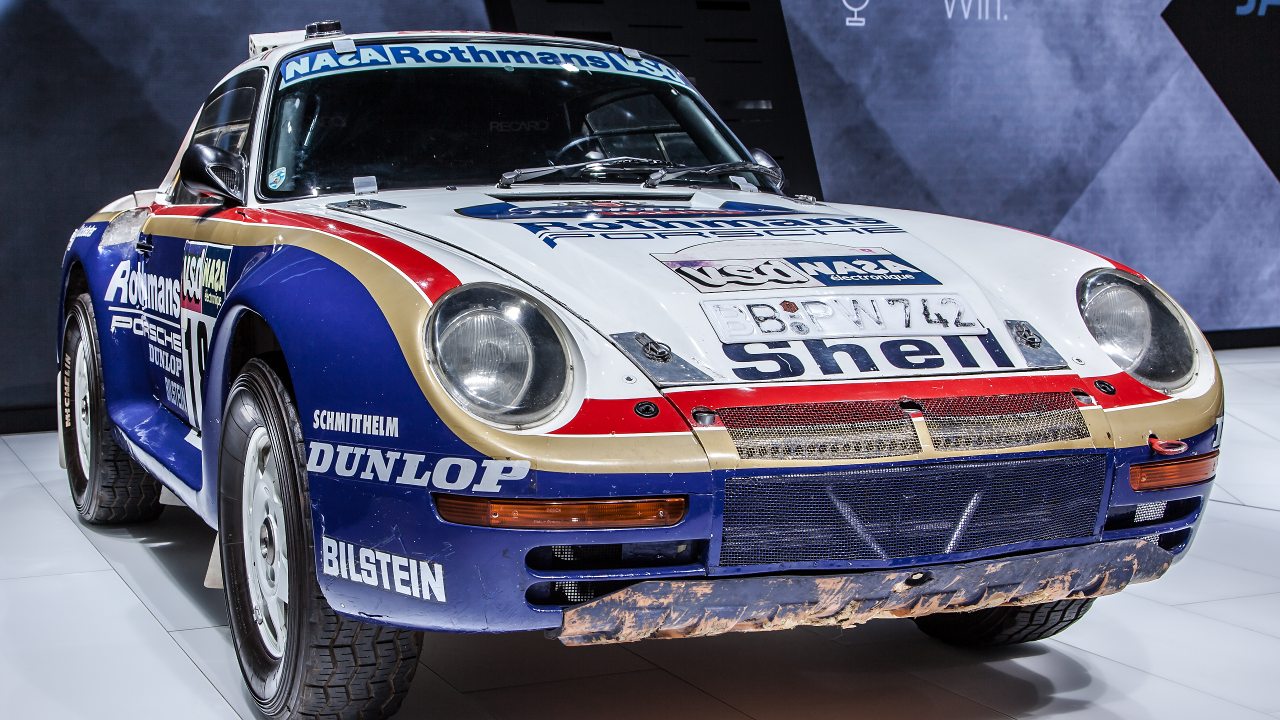
The Porsche 959 was developed in the 1980s to dominate Group B rally racing. This technological marvel featured a twin-turbocharged engine, advanced all-wheel-drive system, and cutting-edge electronic controls, setting a new standard for performance vehicles.
Despite Group B’s untimely demise, the 959 proved itself in other venues, including the Paris-Dakar Rally, where it claimed victory. Its influence is still evident in modern Porsche models, and it is often regarded as the predecessor to today’s high-performance sports cars.
Ferrari F40
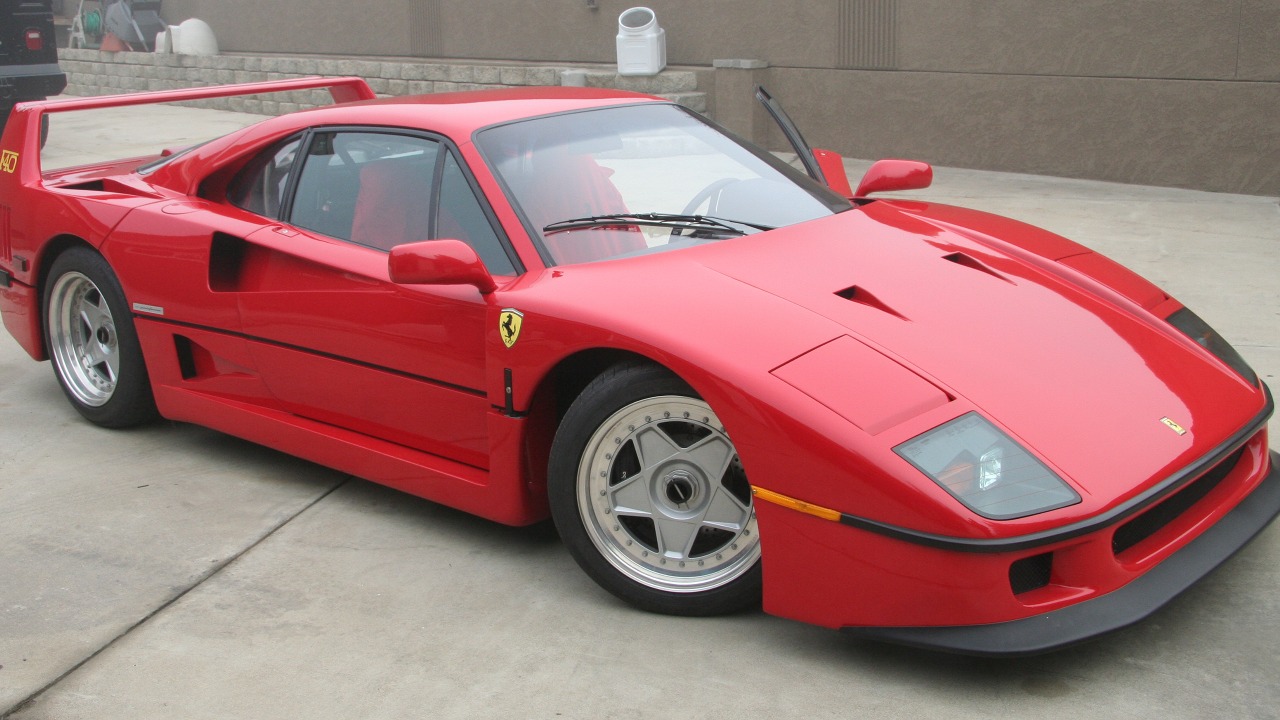
Unveiled in 1987 to celebrate Ferrari’s 40th anniversary, the F40 was designed to be the fastest, most powerful street-legal car of its time. With a top speed exceeding 200 mph, it was a direct response to rival supercars of the era, showcasing Ferrari’s engineering expertise.
The F40 was equipped with a lightweight body and a twin-turbocharged V8 engine, delivering exhilarating performance. Its raw, unfiltered driving experience and iconic design have made it a timeless classic among automotive enthusiasts.
Nissan GT-R R32
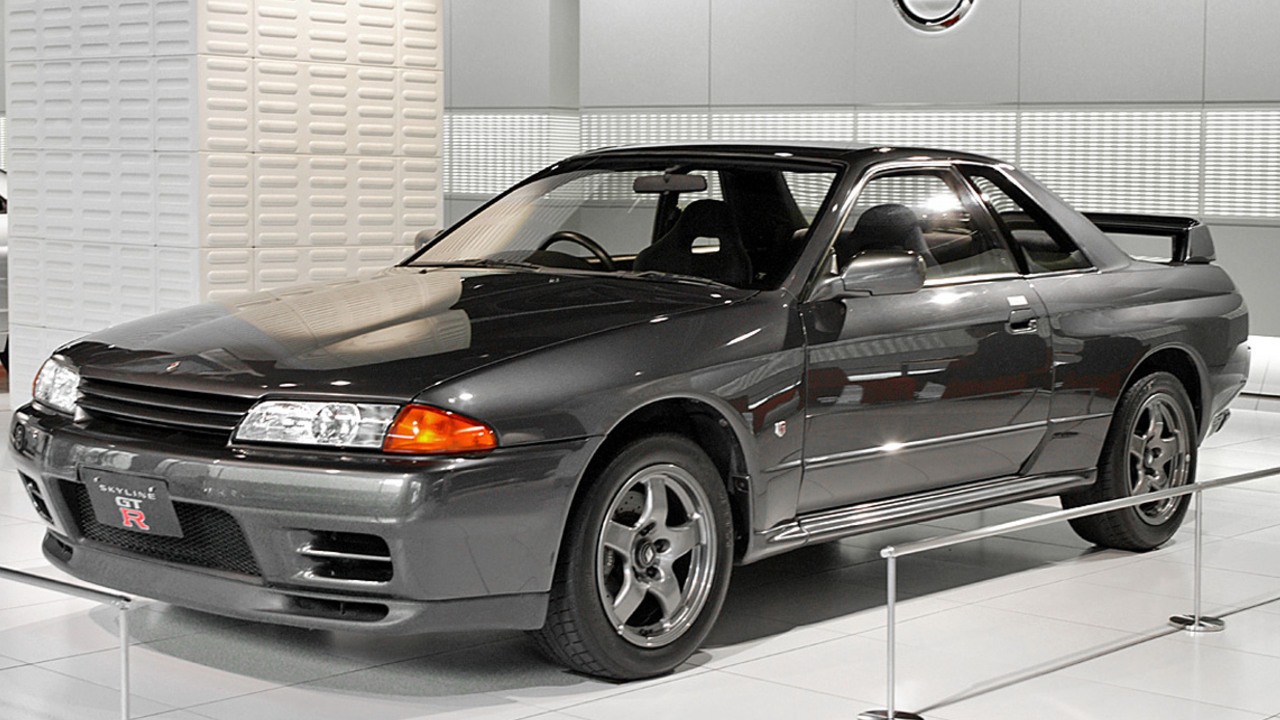
The Nissan GT-R R32, often referred to as the “Godzilla,” was introduced in 1989 to dominate touring car racing. Its advanced all-wheel-drive system and twin-turbocharged inline-six engine set new benchmarks for performance and handling.
The R32’s racing pedigree was solidified with numerous victories in the Japanese Touring Car Championship and international races. Its legacy lives on in the later GT-R models, which continue to push the boundaries of high-performance engineering.
Dodge Hellcat
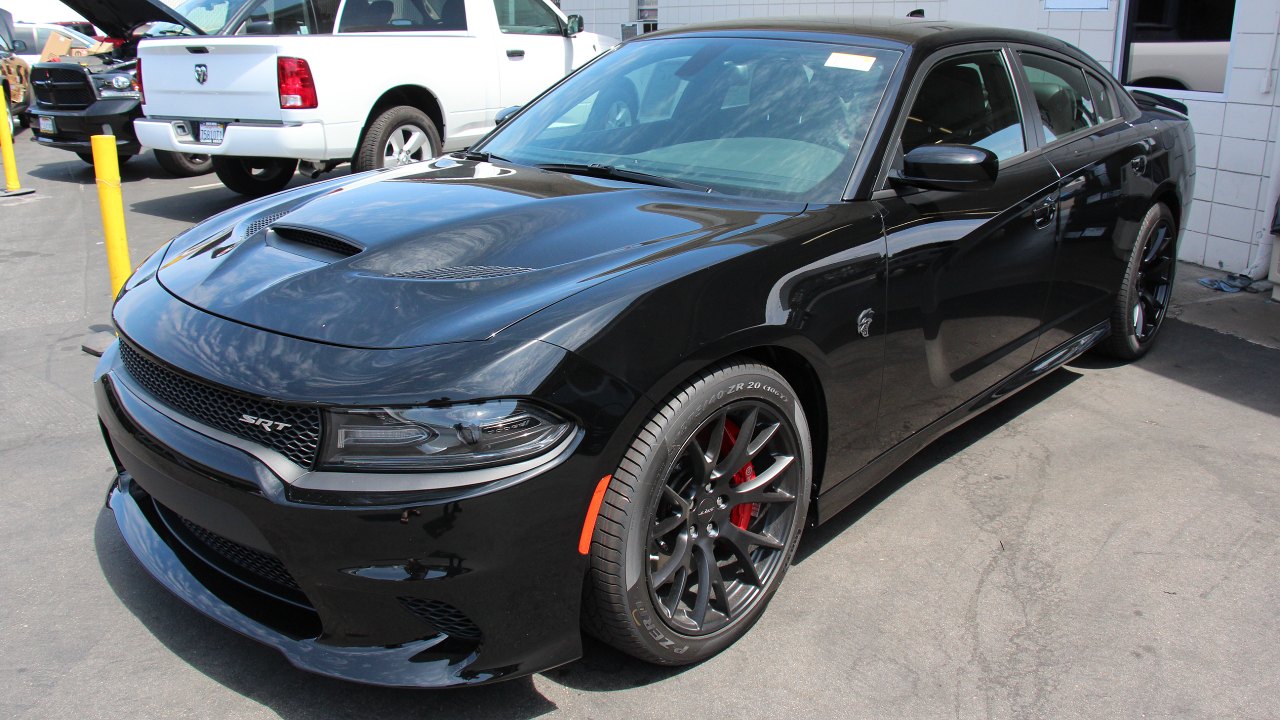
The Dodge Hellcat lineup, including the Charger and Challenger models, was created to redefine American muscle cars with unprecedented power. Launched in 2015, the Hellcat models boast a supercharged HEMI V8 engine producing over 700 horsepower, setting them apart from competitors.
The Hellcat’s raw power, combined with its retro-inspired design, has captured the hearts of enthusiasts and brought the American muscle car back into the spotlight, challenging European and Japanese sports cars alike.
McLaren F1
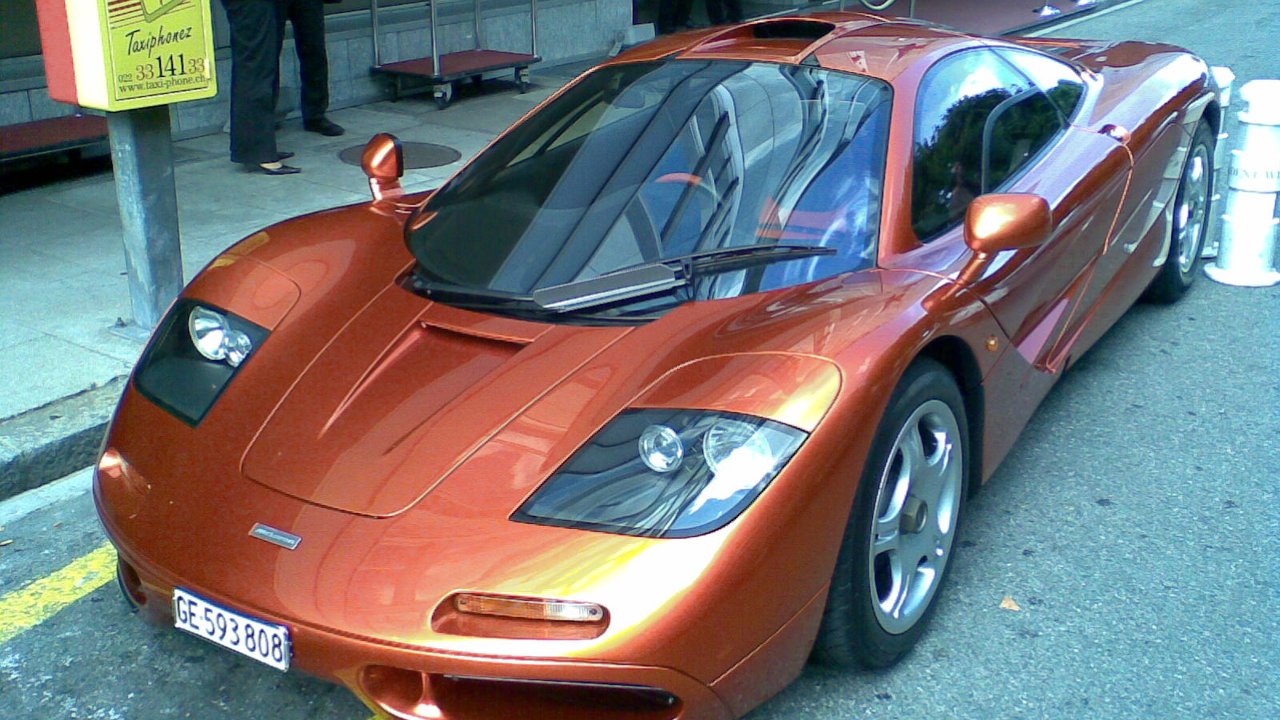
Launched in 1992, the McLaren F1 was designed to be the ultimate road car, with technology derived from Formula 1 racing. Its naturally aspirated V12 engine and lightweight construction made it the fastest production car of its time, reaching speeds over 240 mph.
The F1’s innovative design, including a central driving position and advanced materials, has influenced countless supercars. Its legacy continues to inspire McLaren’s modern lineup, making it a benchmark in supercar history.
Shelby Cobra
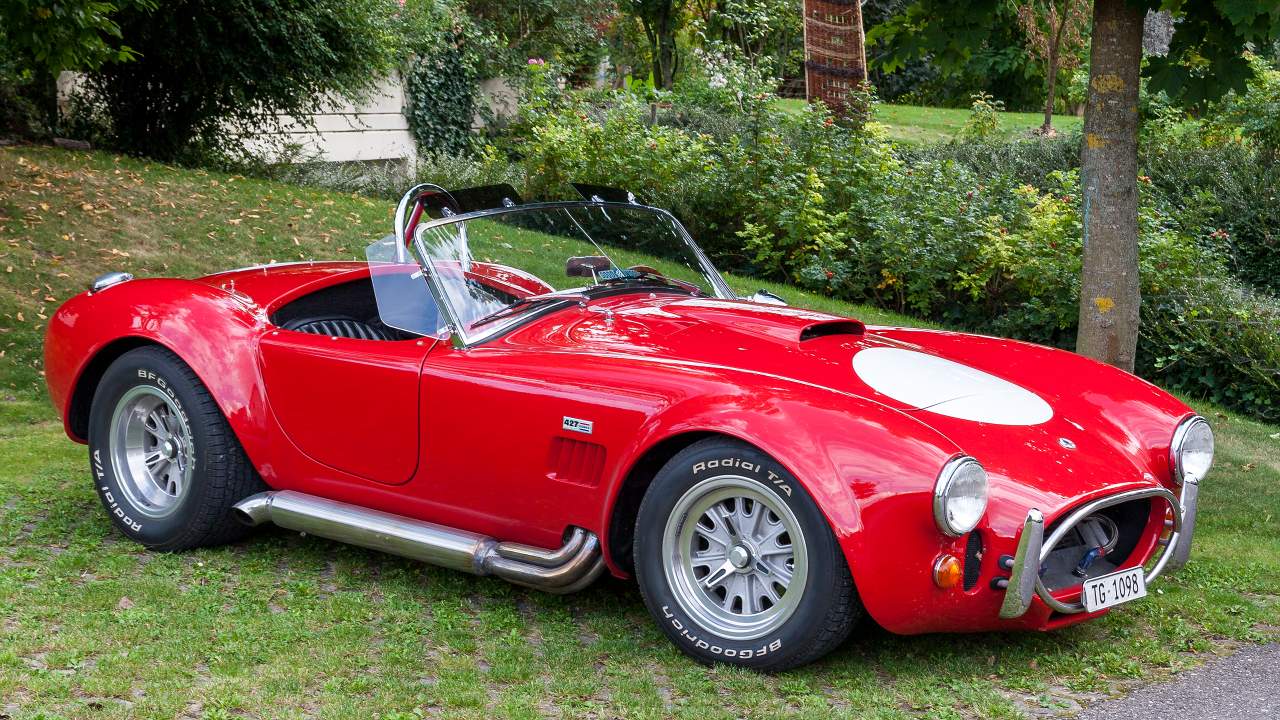
The Shelby Cobra was born from a collaboration between American car designer Carroll Shelby and British manufacturer AC Cars in the 1960s. With its powerful Ford V8 engine and lightweight British chassis, the Cobra was built to compete against European sports cars.
The Cobra’s racing success and timeless design have made it an enduring icon in automotive history. Its influence is evident in modern performance cars, and it remains a symbol of Anglo-American engineering collaboration.
Toyota Supra Mk4
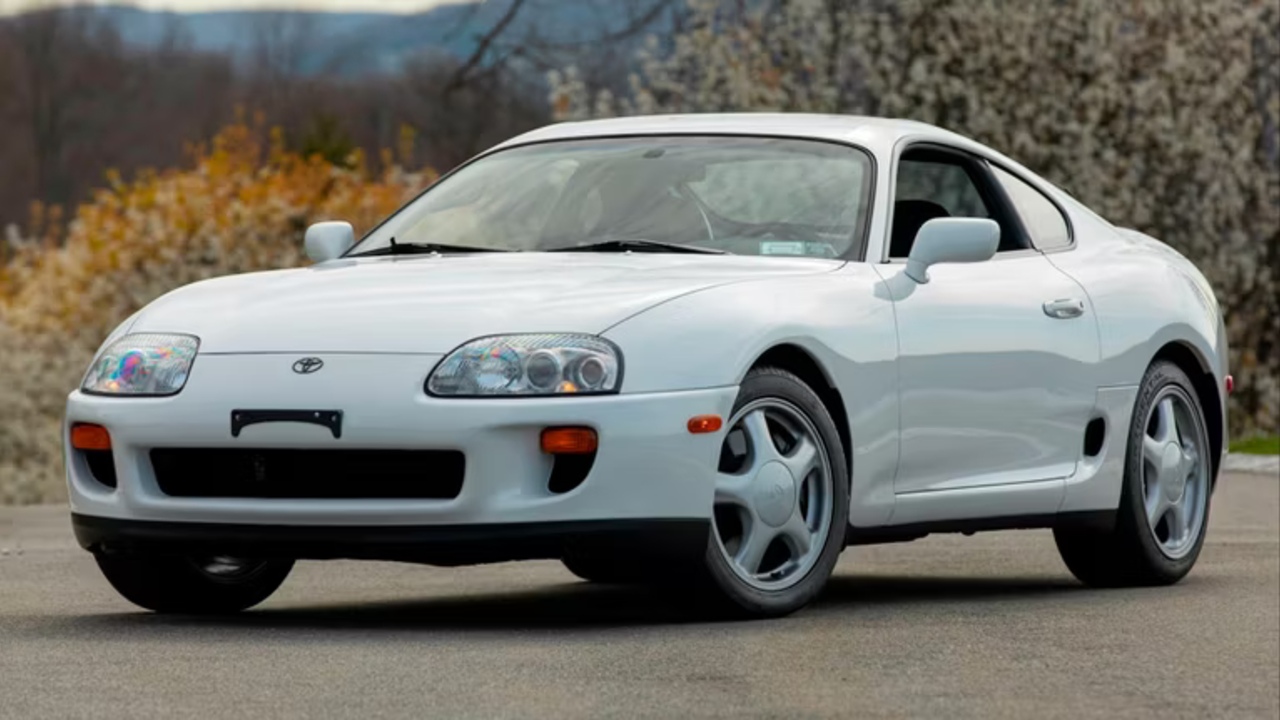
The Toyota Supra Mk4, produced from 1993 to 2002, was developed to compete with high-performance sports cars worldwide. Its 2JZ-GTE inline-six engine, known for its robustness and tuning potential, made it a favorite among car enthusiasts.
The Supra’s role in motorsports and its prominent appearance in popular culture have cemented its status as a legendary vehicle. Its legacy continues with the modern Supra, which pays homage to the Mk4’s heritage while incorporating advanced technology.
Audi Quattro
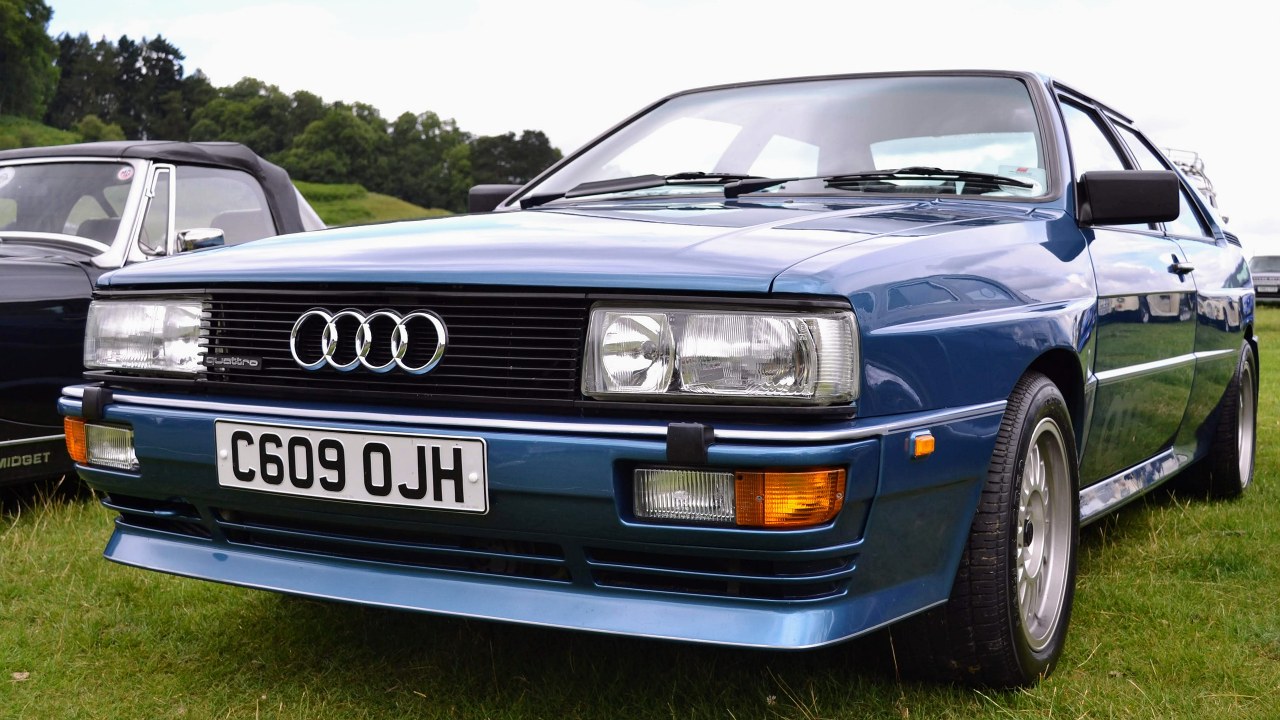
The Audi Quattro was introduced in 1980 as a revolutionary rally car, featuring a groundbreaking all-wheel-drive system. This innovation gave it a significant advantage over competitors, leading to numerous rally victories and changing the landscape of motorsport.
The Quattro’s influence extends beyond racing, as it paved the way for the widespread adoption of all-wheel-drive technology in passenger cars. Its impact on automotive engineering and design is still felt today in Audi’s lineup and the industry at large.
Like Fast Lane Only’s content? Be sure to follow us.
Here’s more from us:
*Created with AI assistance and editor review.


Leave a Reply