
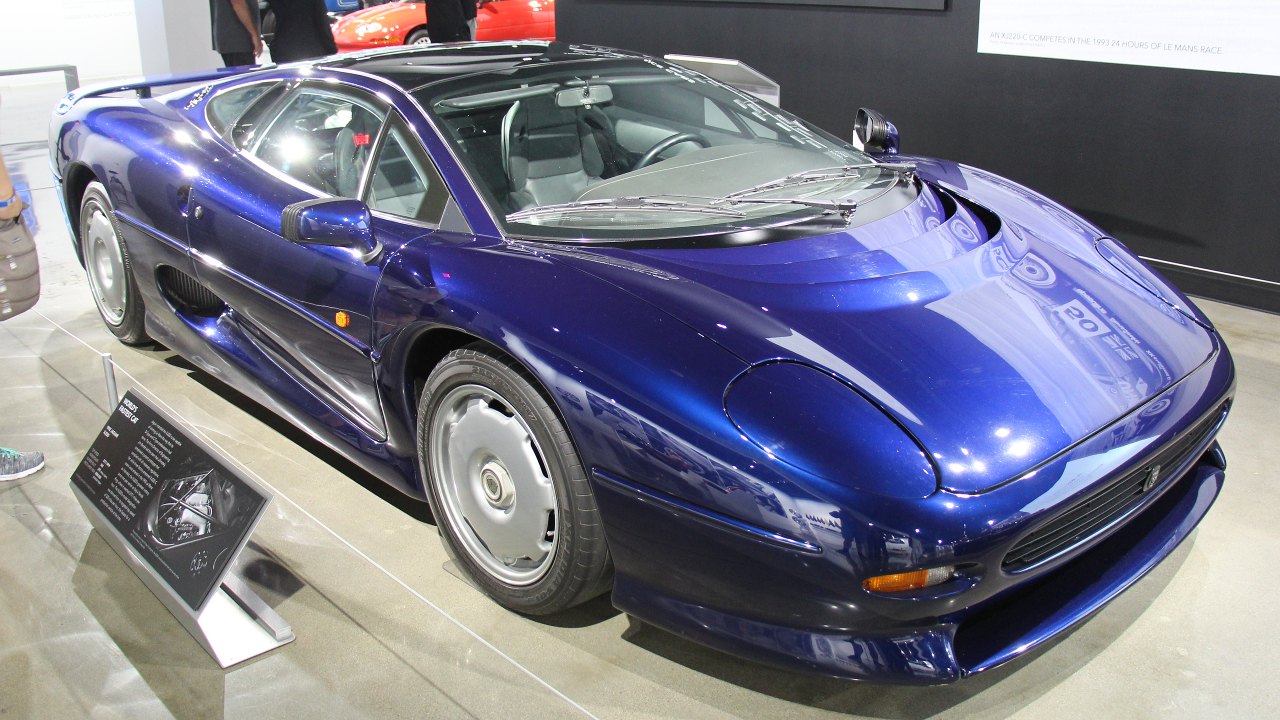
Throughout automotive history, certain cars have stood out for their remarkable power, often surpassing the expectations and norms of their respective eras. These vehicles were not just about going fast; they represented technological marvels and engineering feats that left a lasting impression. Here, I take you on a journey through ten cars that, for their time, offered extraordinary power.
Dodge Charger Daytona 1969
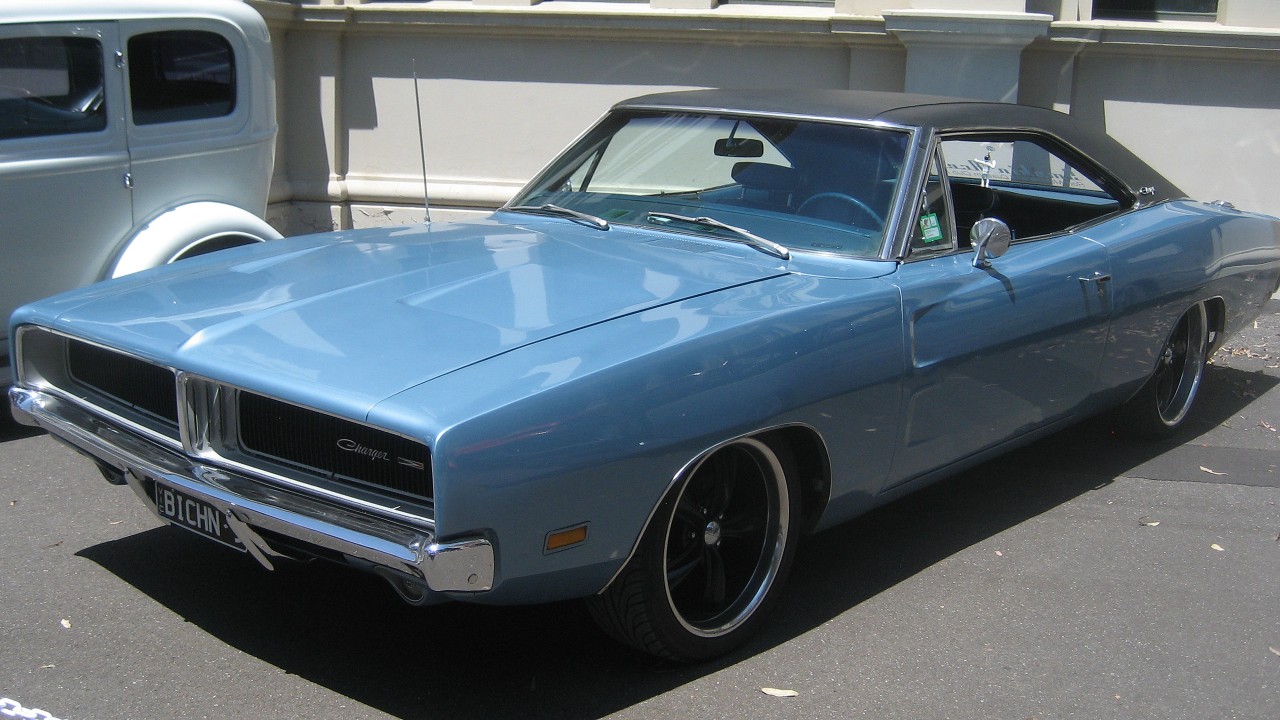
The 1969 Dodge Charger Daytona was a pioneer in the muscle car era, designed for NASCAR dominance. With its distinctive nose cone and enormous rear wing, this car was far from subtle. At its heart was a 7.2-liter Hemi V8 engine, capable of producing 425 horsepower. This power allowed it to reach speeds that were groundbreaking at the time, especially for a vehicle designed to run on public roads.
What made the Daytona truly remarkable was its focus on aerodynamics, a concept not commonly prioritized by car manufacturers at the time. The Daytona’s power and design made it a force to be reckoned with on and off the track, cementing its legendary status.
Chevrolet Corvette ZR1 1990
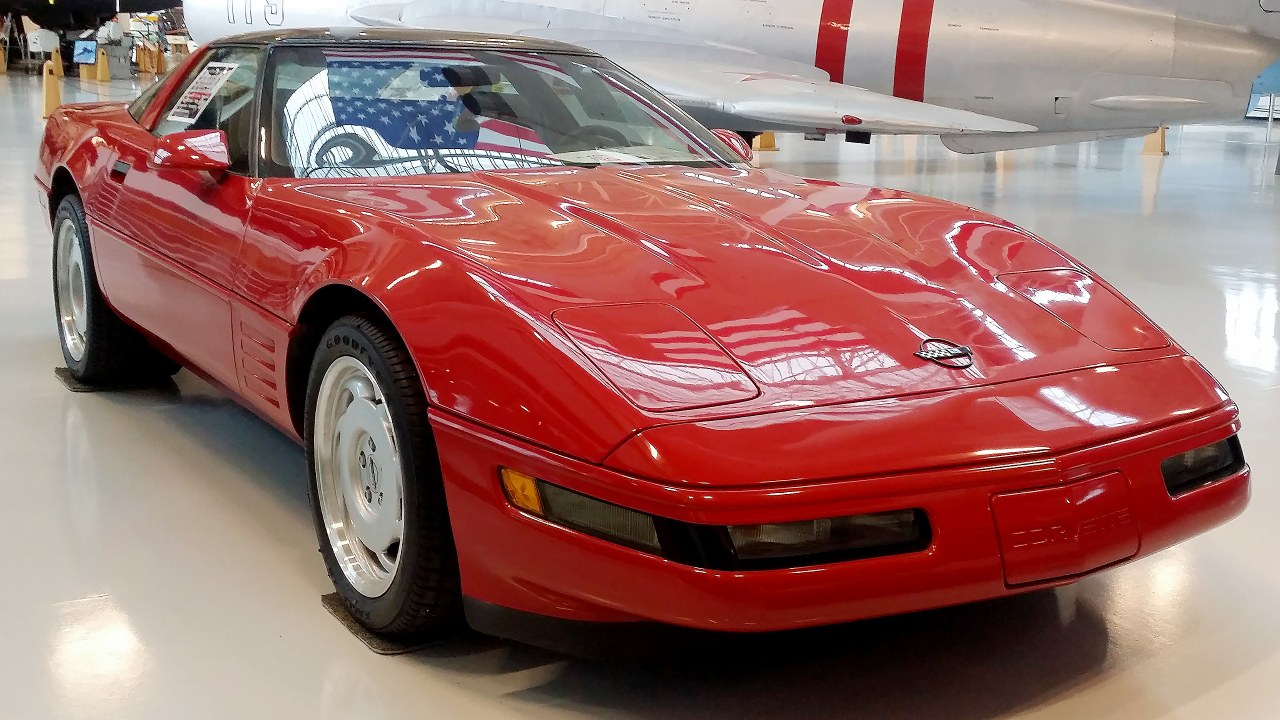
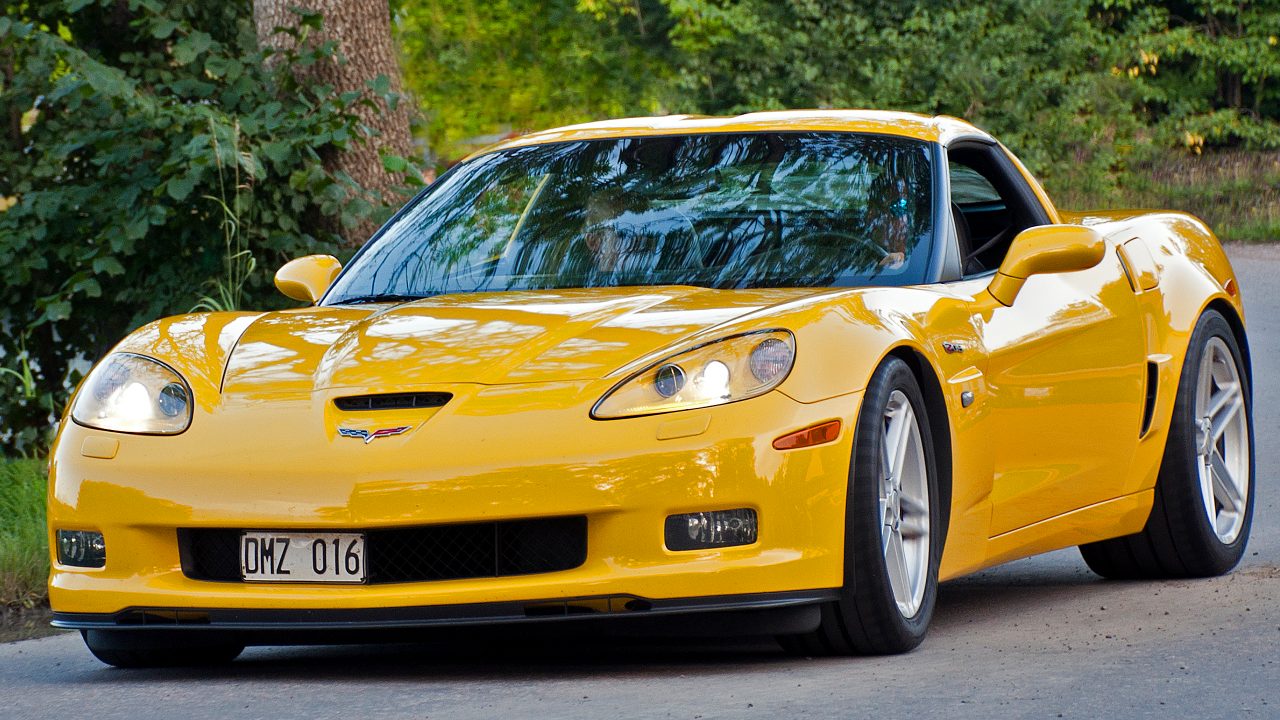
The 1990 Chevrolet Corvette ZR1 was a game-changer, often referred to as the “King of the Hill.” Under its hood lay a 5.7-liter LT5 V8 engine, producing a staggering 375 horsepower. This was a time when most cars were still grappling with the limitations imposed by emissions regulations, making the ZR1’s power all the more impressive.
Its performance capabilities were complemented by advanced features like the FX3 adjustable suspension system, which allowed drivers to tailor the car’s handling to their liking. The ZR1’s combination of power and technology set a new benchmark for American sports cars.
Lamborghini Countach LP5000 QV 1985
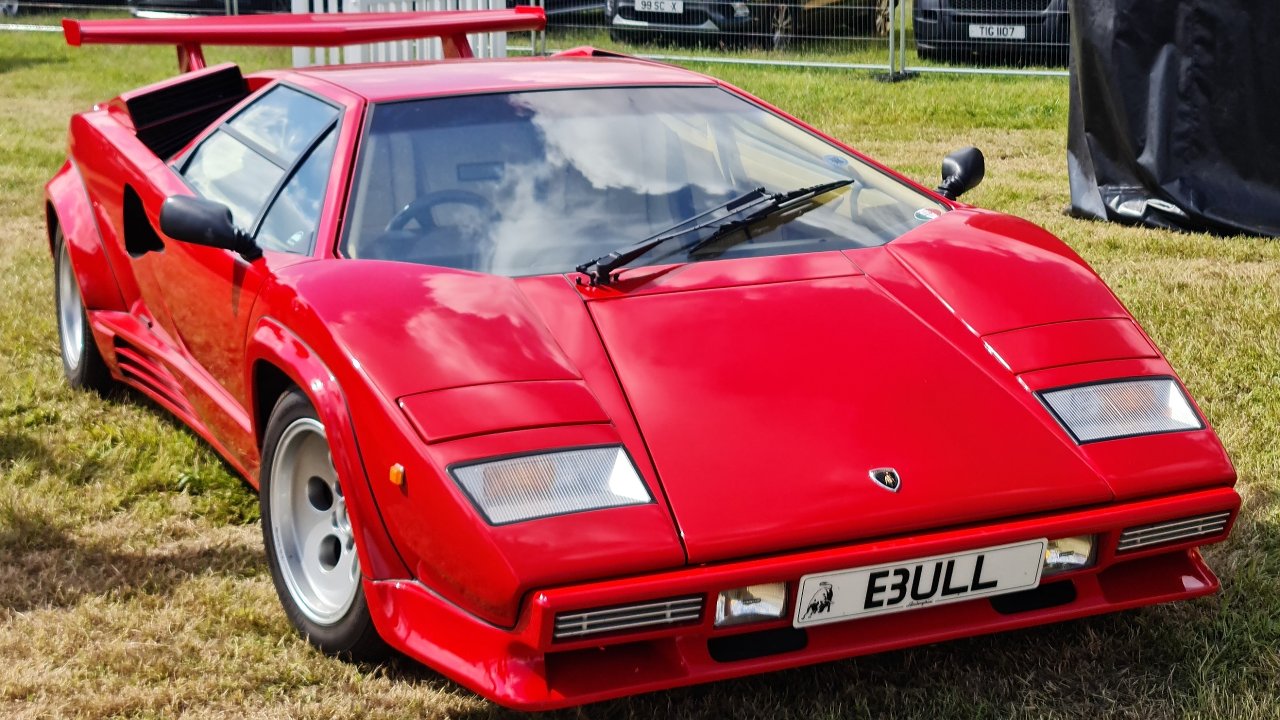
The Lamborghini Countach LP5000 QV (Quattrovalvole) of 1985 took the supercar concept to a new level. Equipped with a 5.2-liter V12 engine, it produced 455 horsepower, making it one of the most powerful cars of its time. The Countach’s angular design and scissor doors made it an icon, with performance to match its looks.
Despite being challenging to drive, the Countach’s raw power and aggressive styling captured the imagination of car enthusiasts. It was a car that seemed to defy the laws of physics, setting the stage for future supercars.
Porsche 930 Turbo 1975
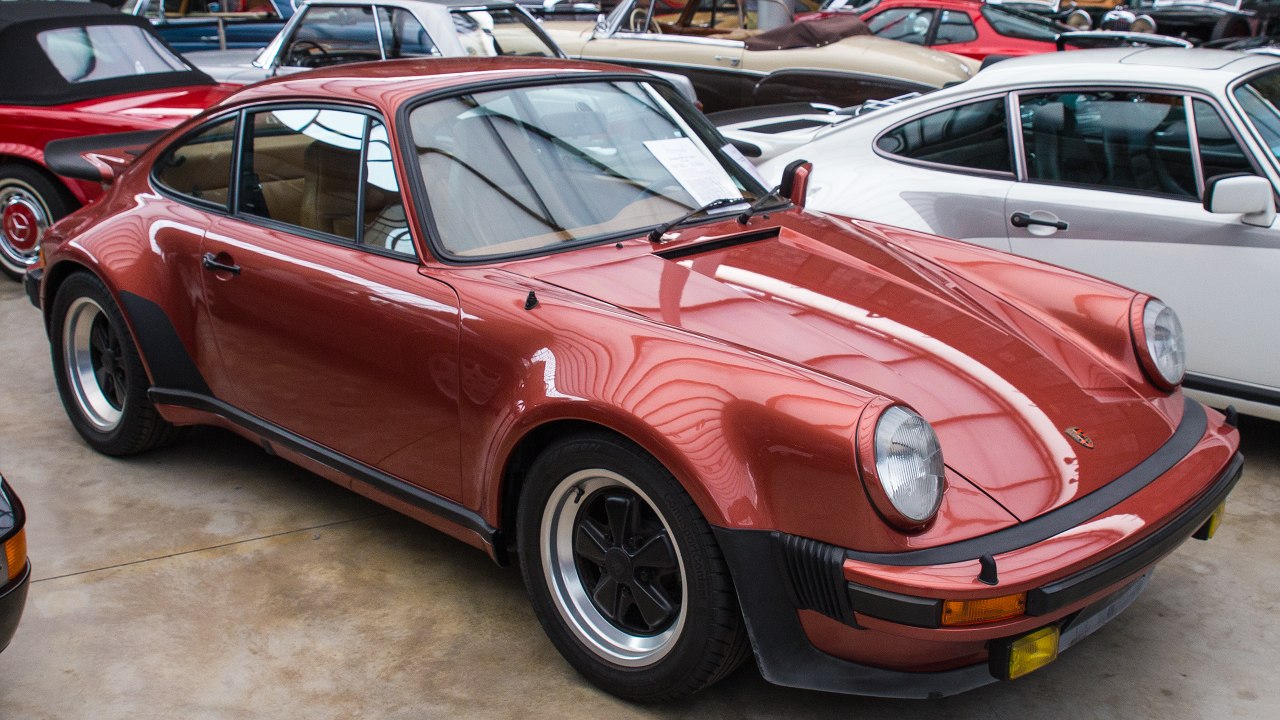
The Porsche 930 Turbo, introduced in 1975, was one of the first production cars to feature a turbocharged engine. Its 3.0-liter flat-six engine generated 260 horsepower, an impressive figure for the mid-’70s. The 930 Turbo offered exhilarating performance but was also notorious for its challenging handling, earning it the nickname “Widowmaker.”
Despite its reputation, the 930 Turbo was a significant step forward in automotive technology, demonstrating the potential of turbocharging. It laid the groundwork for Porsche’s future endeavors in high-performance engineering and remains a beloved classic.
Ford Mustang Boss 429 1969
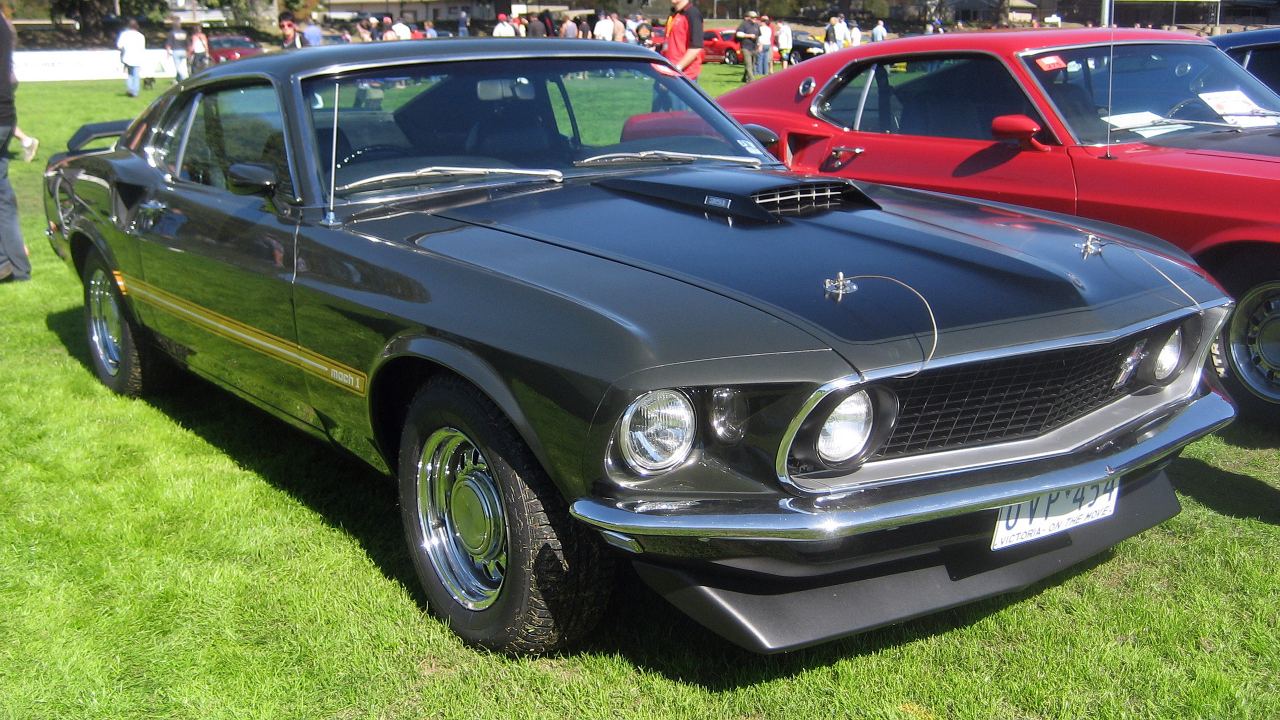
The 1969 Ford Mustang Boss 429 was a muscle car that pushed the boundaries of power and performance. Its 7.0-liter V8 engine, known as the “Semi-Hemi,” delivered 375 horsepower. The Boss 429 was designed for NASCAR homologation, meaning its primary aim was to make Ford’s engines eligible for racing.
The Boss 429 was more than just a powerhouse; it was also a rarity, with only 1,359 units produced. Its immense power and limited production run have made it a highly sought-after collector’s item today.
Ferrari F40 1987
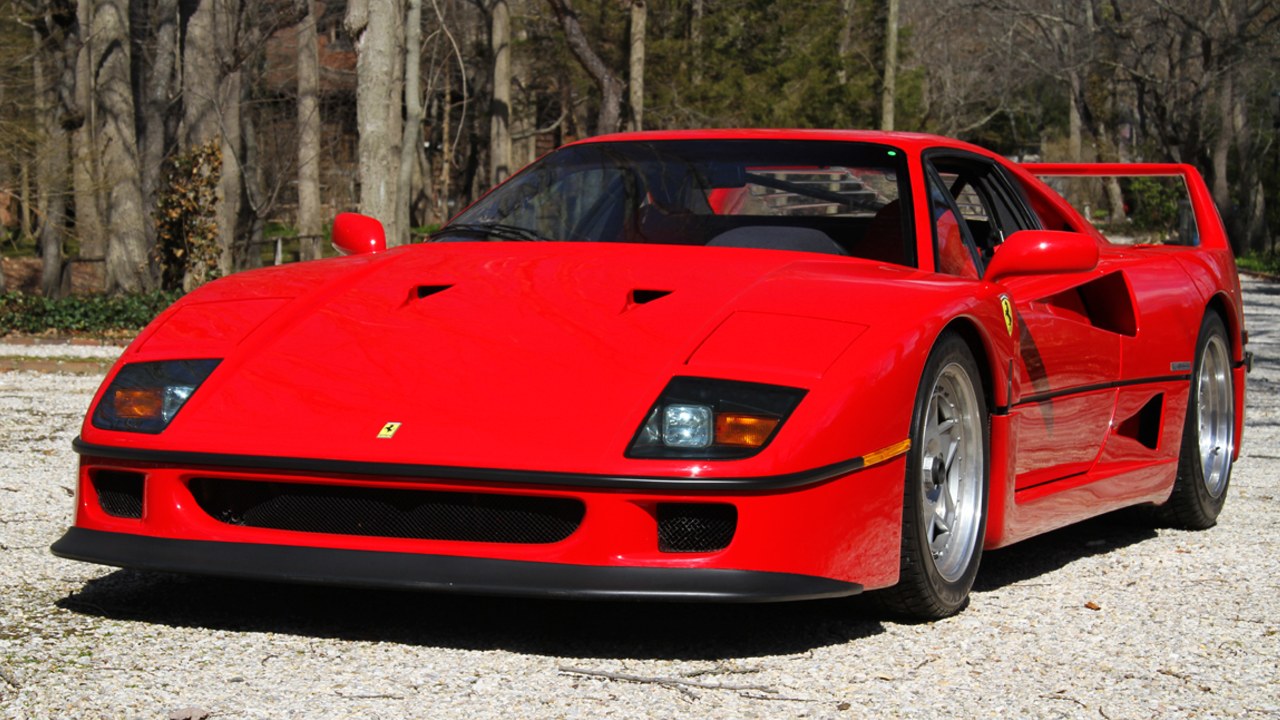
The Ferrari F40, introduced in 1987, was a masterpiece of engineering and design. It featured a 2.9-liter twin-turbocharged V8 engine, producing 471 horsepower. The F40 was built to celebrate Ferrari’s 40th anniversary and was the last model personally approved by Enzo Ferrari.
Lightweight construction and a focus on performance meant the F40 could reach speeds of up to 201 mph, making it the fastest car of its time. Its combination of raw power, advanced aerodynamics, and minimalist design made it an instant legend.
Buick GNX 1987
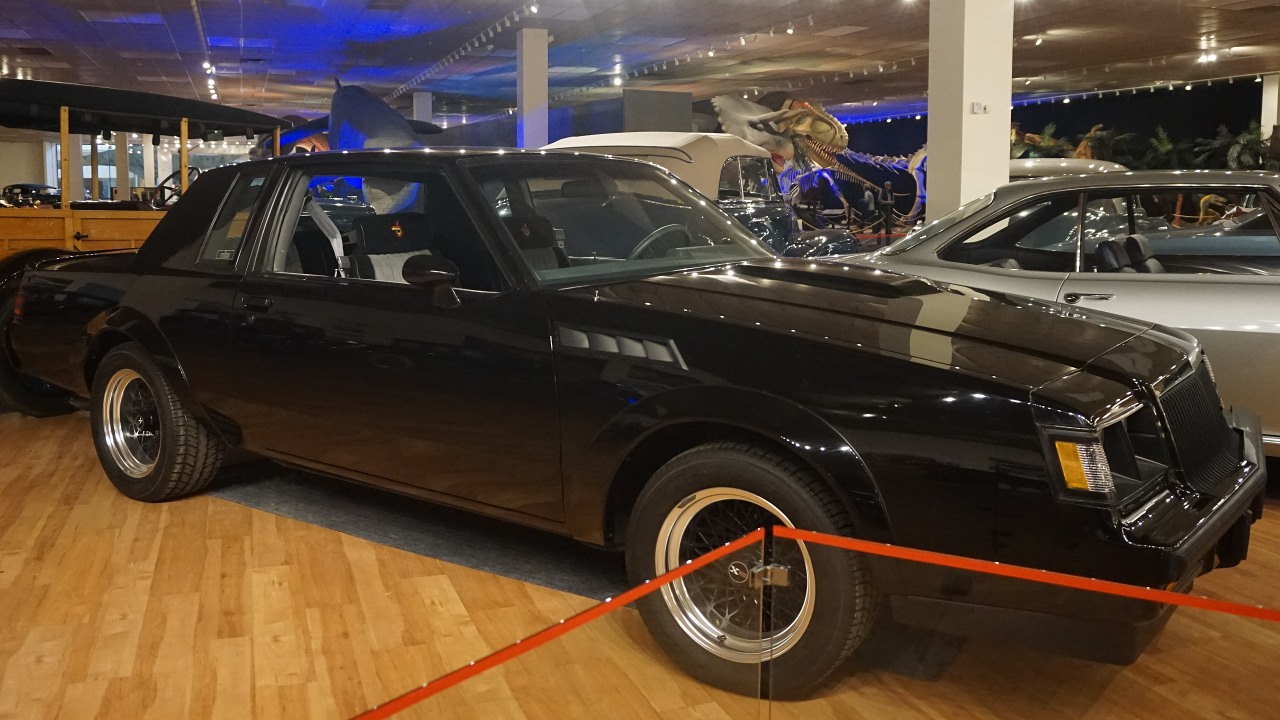
The 1987 Buick GNX was a performance marvel, often described as a “wolf in sheep’s clothing.” Its turbocharged 3.8-liter V6 engine produced 276 horsepower, enabling it to outperform many contemporary sports cars. The GNX was a limited edition, with only 547 units produced.
Its unassuming appearance belied its capabilities, and it remains a cult classic among car enthusiasts. The GNX demonstrated that with the right engineering, even a luxury sedan could deliver thrilling performance.
Shelby Cobra 427 1965
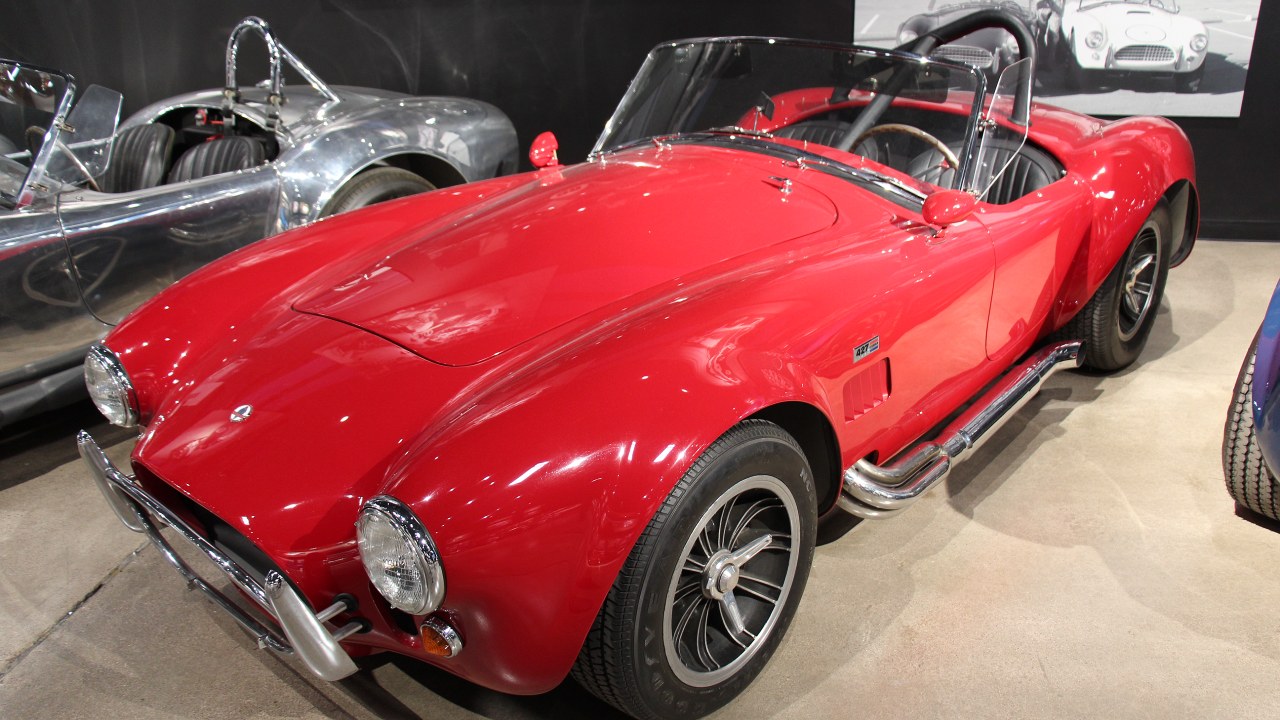
The 1965 Shelby Cobra 427 was a beastly roadster that combined American muscle with British chassis engineering. Its 7.0-liter V8 engine produced over 425 horsepower, propelling the lightweight Cobra to incredible speeds.
The Cobra’s combination of power and agility made it a formidable competitor on both the road and the track. Its raw, unfiltered driving experience continues to captivate enthusiasts, and it remains a symbol of the golden age of sports cars.
Jaguar XJ220 1992

The Jaguar XJ220, launched in 1992, was a supercar that pushed the limits of speed and engineering. Its 3.5-liter twin-turbocharged V6 engine produced 542 horsepower, allowing it to reach a top speed of 217 mph, making it the fastest production car of its time.
Despite its impressive performance, the XJ220 faced criticism for its high price and changes in specifications from the original concept. Nevertheless, it remains a testament to Jaguar’s ambition and innovation in the realm of high-performance vehicles.
McLaren F1 1992
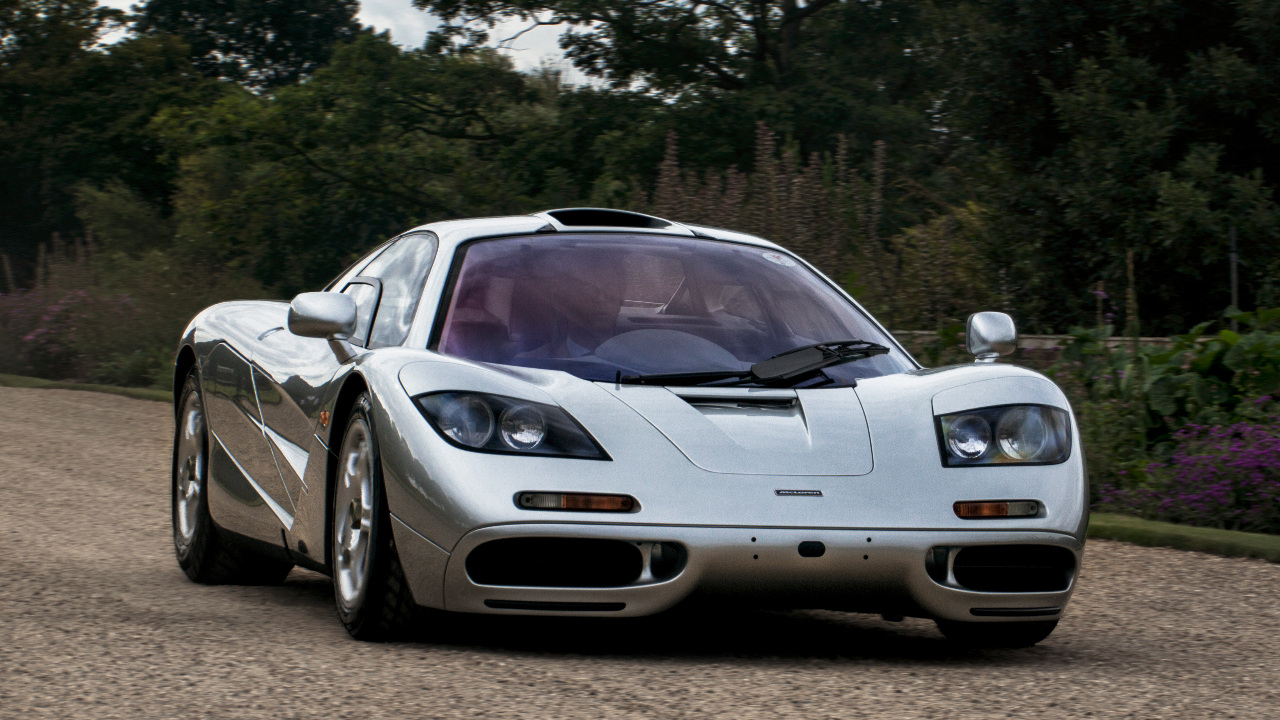
The McLaren F1, introduced in 1992, was a revolutionary supercar that set new standards for performance and engineering. Its naturally aspirated 6.1-liter V12 engine produced 618 horsepower, allowing it to achieve a top speed of 240 mph, making it the fastest production car for over a decade.
The F1 was renowned for its advanced materials, such as a carbon-fiber monocoque chassis, and its unique three-seat layout with the driver in the center. Its combination of cutting-edge technology and raw power has earned it a place among the greatest cars ever built.
Like Fast Lane Only’s content? Be sure to follow us.
Here’s more from us:
*Created with AI assistance and editor review.

Leave a Reply