
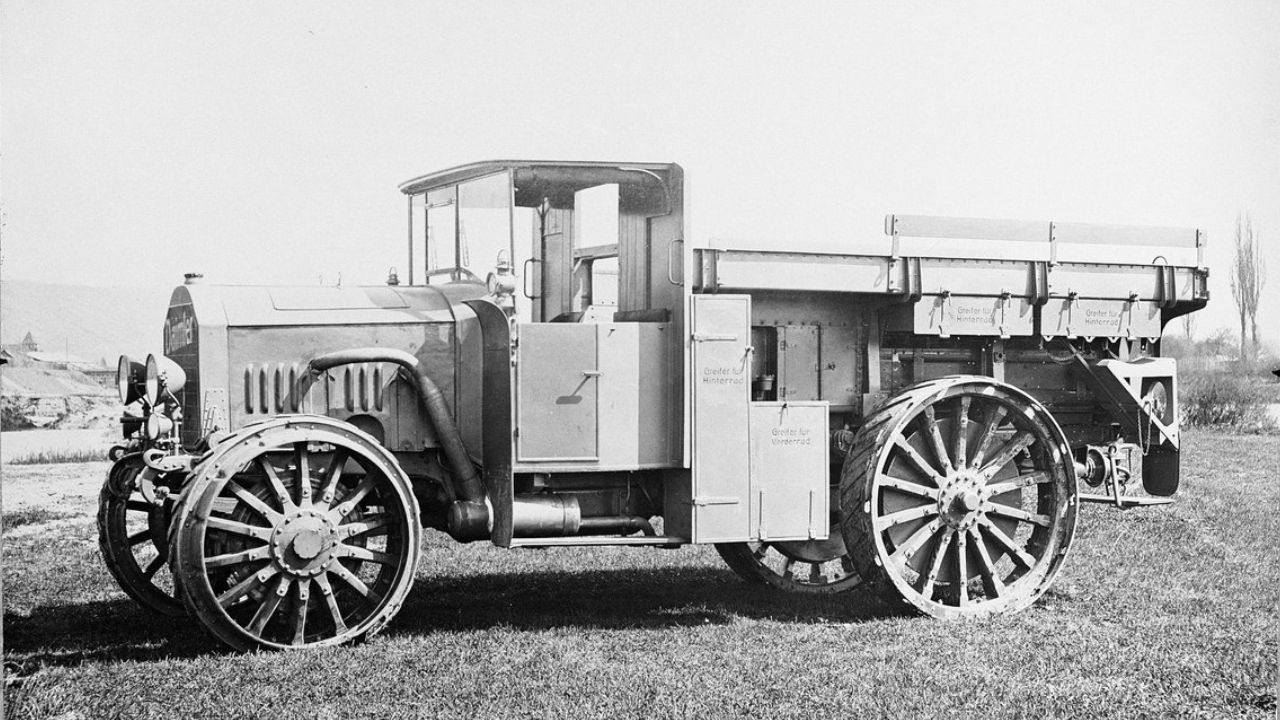
The birth of the diesel truck marked a significant milestone in automotive engineering, revolutionizing the way heavy-duty vehicles were powered. The fascinating tale of the first diesel truck is a story of innovation and determination, as engineers and visionaries worked together to transform theoretical concepts into practical and groundbreaking technology. This journey not only changed the landscape of the automotive industry but also paved the way for the modern transportation of goods and people.
The Birth of Diesel Technology
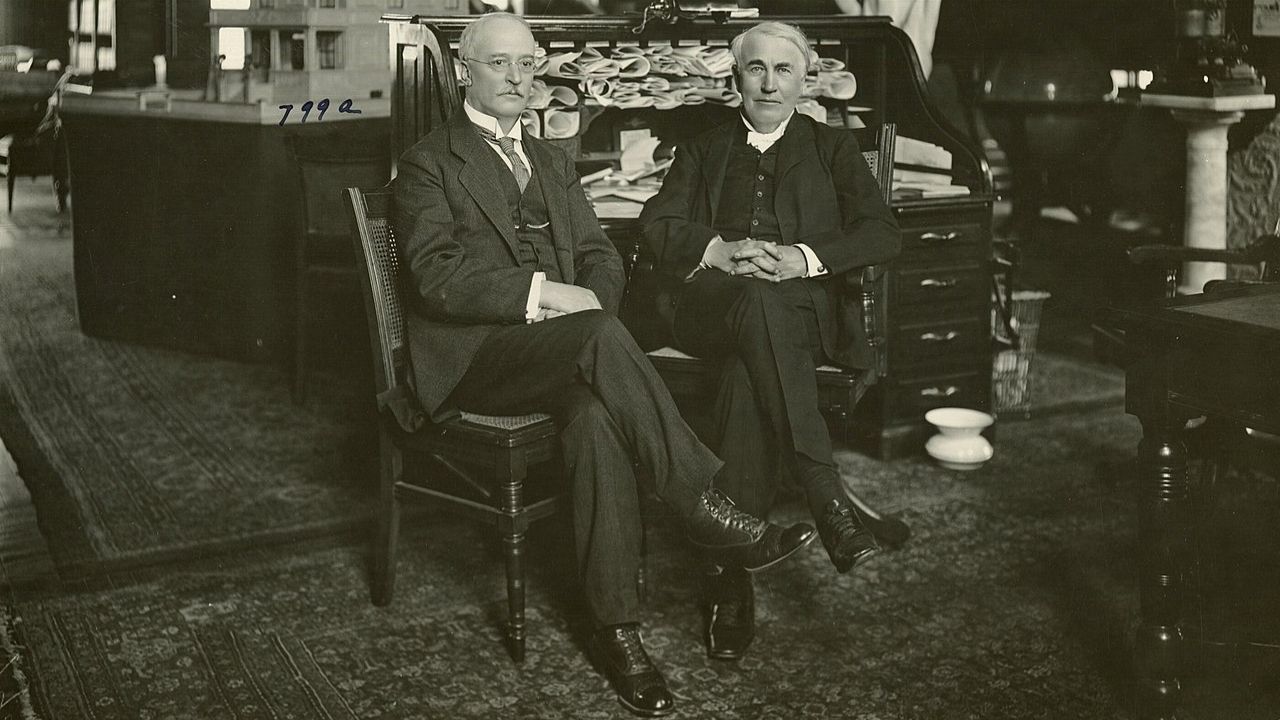
The invention of the diesel engine can be credited to the pioneering work of Rudolf Diesel in the late 19th century. Faced with the inefficiencies of the steam engine, Diesel was driven by the idea of creating a more efficient and reliable power source. His vision materialized in 1892 when he patented the compression-ignition engine, which later became known as the diesel engine. This invention was based on the principle of igniting fuel through the heat of compressed air, a method that significantly improved fuel efficiency and power output compared to steam and gasoline engines.
Despite the groundbreaking nature of Diesel’s invention, the initial development faced numerous technical challenges. Early prototypes were plagued by issues such as high compression ratios, which created significant stress on engine components. However, through persistence and innovation, Diesel and his team overcame these hurdles, culminating in the successful demonstration of a working diesel engine in 1897. This achievement laid the groundwork for the eventual adaptation of diesel engines for various applications, including trucks.
The transition from theory to application was not a straightforward path. While the advantages of diesel engines were evident, adapting them for practical use required significant engineering ingenuity. The early 20th century saw a gradual shift as engineers began experimenting with diesel technology in larger vehicles, recognizing the potential for diesel engines to power heavy-duty transport. This set the stage for the integration of diesel engines into the trucking industry, which would soon revolutionize commercial transportation.
The Pioneers Behind the First Diesel Truck
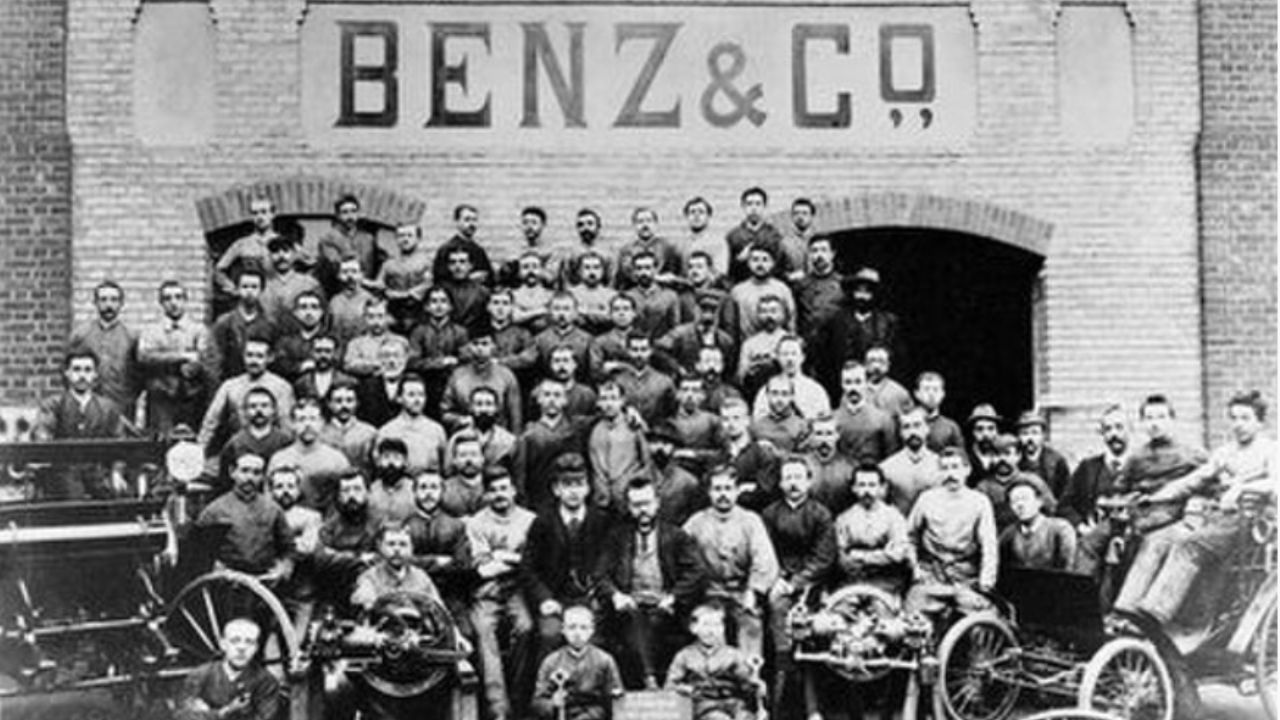
The development of the first diesel truck was a collaborative effort that involved several key figures and companies. Among these, Benz & Cie played a pivotal role. Under the leadership of engineers like Fritz Nallinger and Hans Nibel, Benz & Cie embarked on the ambitious project of adapting diesel technology for trucks. These visionaries recognized the potential of diesel engines to provide the power and efficiency needed for heavy-duty vehicles.
The efforts of Benz & Cie were instrumental in the creation of the first diesel truck, which debuted in 1923. This trailblazing achievement was the result of tireless experimentation and collaboration. The company’s engineers worked closely with innovators in metallurgy and fuel technology to address the unique challenges posed by diesel engines, such as high-pressure fuel injection and lubrication requirements. Their success was a testament to the power of collaboration and innovation in overcoming technical obstacles.
In addition to internal efforts, partnerships with other companies and research institutions were crucial in advancing diesel truck technology. This spirit of collaboration enabled the sharing of knowledge and resources, accelerating the development process. Through these combined efforts, the first diesel truck prototype emerged, showcasing the potential of diesel technology to transform the trucking industry.
The Unveiling of the First Diesel Truck
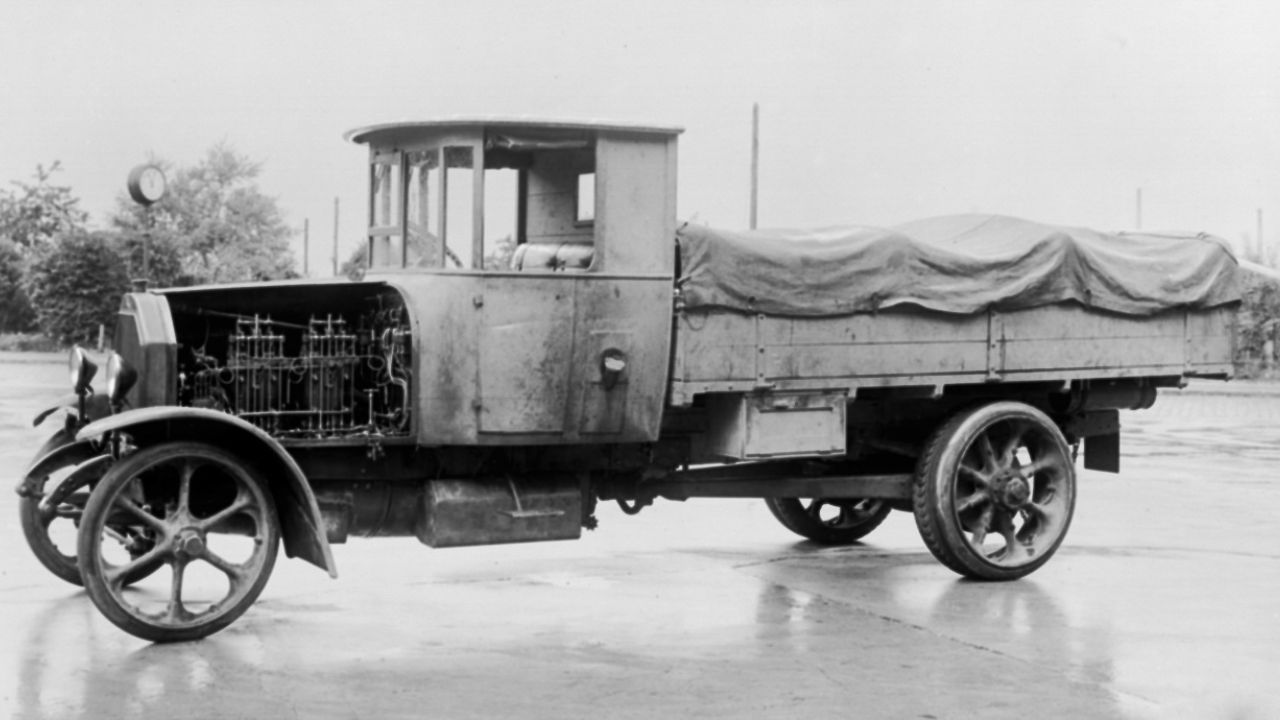
The historic debut of the first diesel truck in 1923 marked a turning point in automotive history. The unveiling event, held by Benz & Cie, was met with considerable interest and curiosity. Attendees were eager to witness this new technology, which promised to deliver superior performance and efficiency compared to traditional gasoline-powered trucks. The initial public impressions were overwhelmingly positive, as the diesel truck demonstrated its capabilities in terms of power and fuel economy.
The technical specifications of the first diesel truck were impressive for its time. It featured a four-cylinder engine with a power output of around 45 horsepower, capable of carrying substantial loads over long distances. The design incorporated innovative elements such as direct fuel injection and robust construction to withstand the pressures associated with diesel combustion. These features set it apart from existing vehicles and highlighted the potential for diesel trucks to revolutionize commercial transport.
The market and industrial impact of the first diesel truck was immediate and profound. Businesses quickly recognized the advantages of diesel technology, particularly in terms of cost savings and operational efficiency. The ability to transport goods more economically and reliably opened new possibilities for industries reliant on logistics and distribution. This ushered in a new era of commercial vehicle manufacturing, with diesel trucks becoming a staple in the global transportation network.
Challenges and Triumphs in Early Diesel Truck Adoption
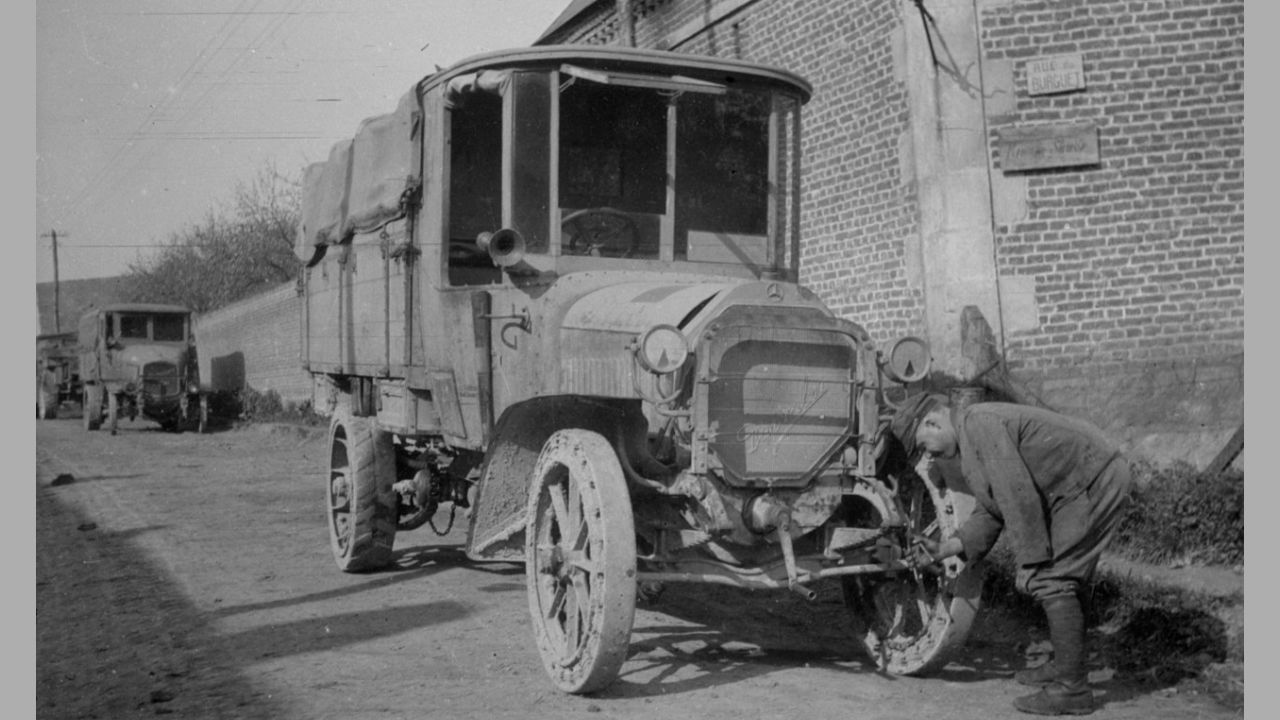
The adoption of diesel trucks was not without its challenges. Initial skepticism and resistance were common, as many were unfamiliar with diesel technology and hesitant to invest in unproven innovations. However, advocates of diesel engines worked tirelessly to address these concerns, highlighting the long-term benefits of diesel trucks over gasoline alternatives. Through education and demonstration, they gradually overcame reluctance and built confidence in diesel technology.
Rigorous performance and reliability testing played a crucial role in establishing the credibility of diesel trucks. Early models underwent extensive trials to ensure they could withstand the demands of heavy-duty use. These tests demonstrated the durability and efficiency of diesel engines, reinforcing their suitability for commercial applications. As more data became available, the reputation of diesel trucks as reliable workhorses solidified, leading to increased adoption across various industries.
Early commercial success stories further bolstered the case for diesel trucks. Companies that embraced diesel technology reported significant benefits, such as reduced fuel costs and increased payload capacity. These success stories were instrumental in persuading more businesses to transition to diesel-powered fleets. The growing popularity of diesel trucks sparked a wave of innovation, as manufacturers sought to enhance engine performance and expand their market presence.
The Legacy of the First Diesel Truck

The legacy of the first diesel truck is evident in the continued evolution of diesel technology. From its humble beginnings, diesel engines have undergone significant advancements, becoming more efficient, powerful, and environmentally friendly. Modern diesel trucks incorporate cutting-edge technologies such as turbocharging and electronic fuel injection, offering unparalleled performance and reliability.
The environmental and economic impacts of diesel trucks have been profound. Diesel engines have traditionally offered superior fuel efficiency, reducing operational costs for businesses and contributing to economic growth. However, environmental concerns have prompted ongoing efforts to minimize emissions and improve sustainability. Innovations such as cleaner-burning fuels and advanced exhaust treatment systems are helping to address these challenges, ensuring diesel engines remain viable in an increasingly eco-conscious world.
The future prospects for diesel technology remain promising. As industries continue to seek efficient and sustainable transportation solutions, diesel engines are poised to play a key role. Ongoing research and development efforts are focused on enhancing engine efficiency and reducing emissions, aligning diesel technology with evolving environmental standards. The enduring legacy of the first diesel truck is a testament to the transformative power of innovation, collaboration, and the relentless pursuit of progress in the automotive industry.
Like Fast Lane Only’s content? Be sure to follow us.
Here’s more from us:
*Created with AI assistance and editor review.





Leave a Reply