
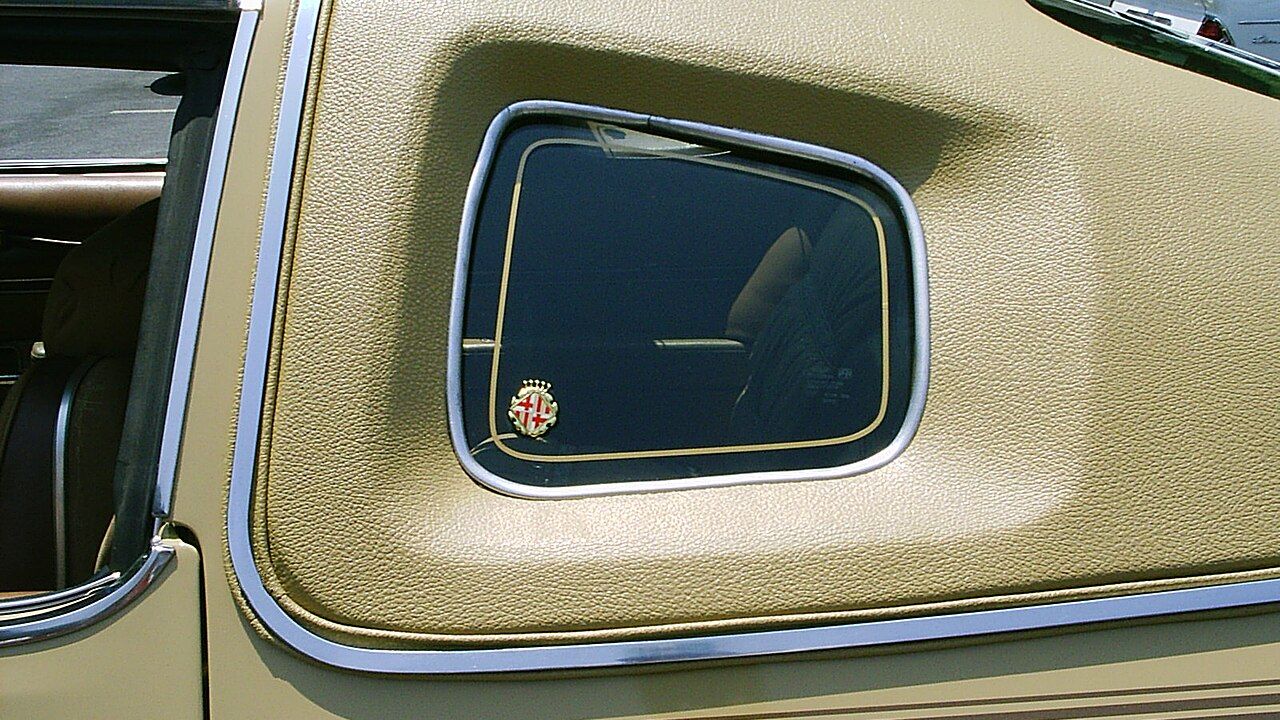
Opera windows were a notable feature in American car design during the 1970s and early 1980s, adding a touch of elegance and distinction to personal luxury vehicles. Their small, often oval or rectangular windows were positioned on the rear roof pillars, offering a glimpse into a world of opulence. The story of opera windows is one of innovation and changing tastes, reflecting broader trends in automotive design and consumer preferences.
The Birth of Opera Windows
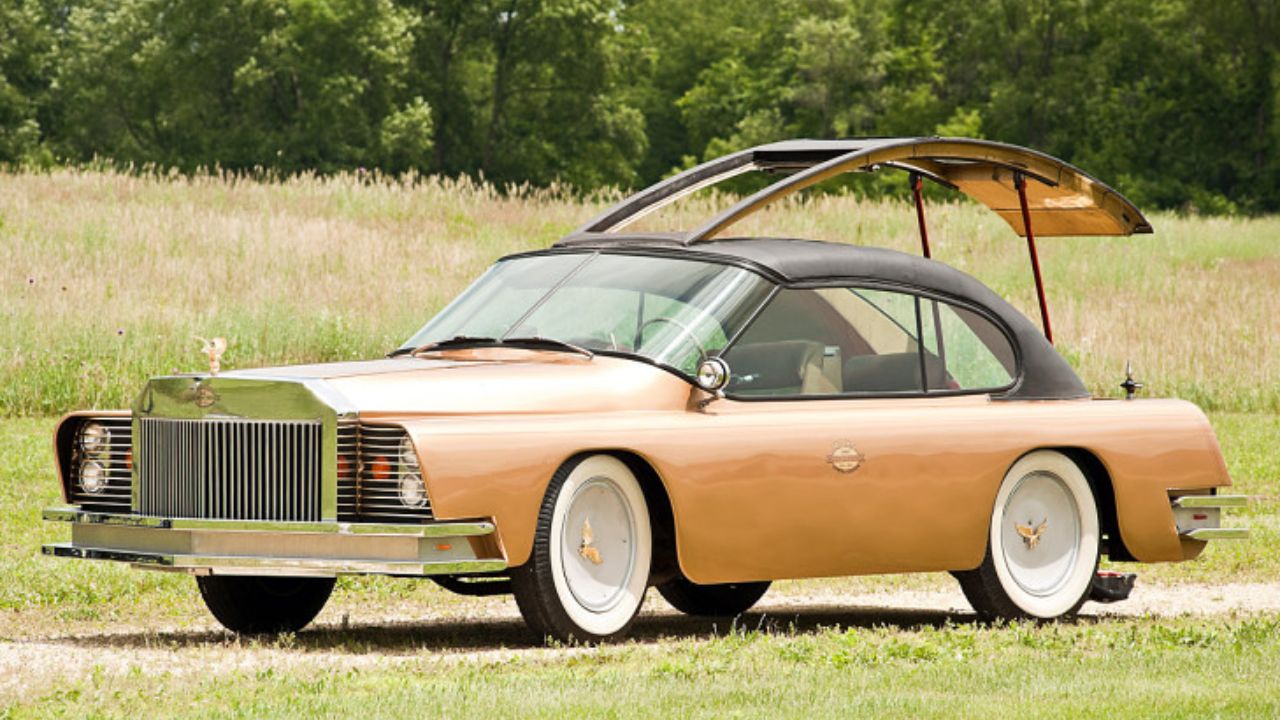
In the 1960s, the American automotive landscape was undergoing a transformation. The rise of the personal luxury car marked a new era where style and comfort became as important as performance. Manufacturers sought to differentiate their offerings with unique design elements, and opera windows emerged as a standout feature. The trend was largely driven by the desire to create a sense of exclusivity and sophistication, appealing to buyers who wanted more than just a mode of transportation.
Design trends of the time leaned heavily towards elegance and refinement. Opera windows became a symbol of this shift, their presence suggesting a connection to high culture and sophistication. Ford and Lincoln were among the key pioneers in popularizing these windows. The 1972 Lincoln Continental Mark IV, for instance, featured opera windows that became synonymous with luxury and class.
Design and Aesthetic Appeal
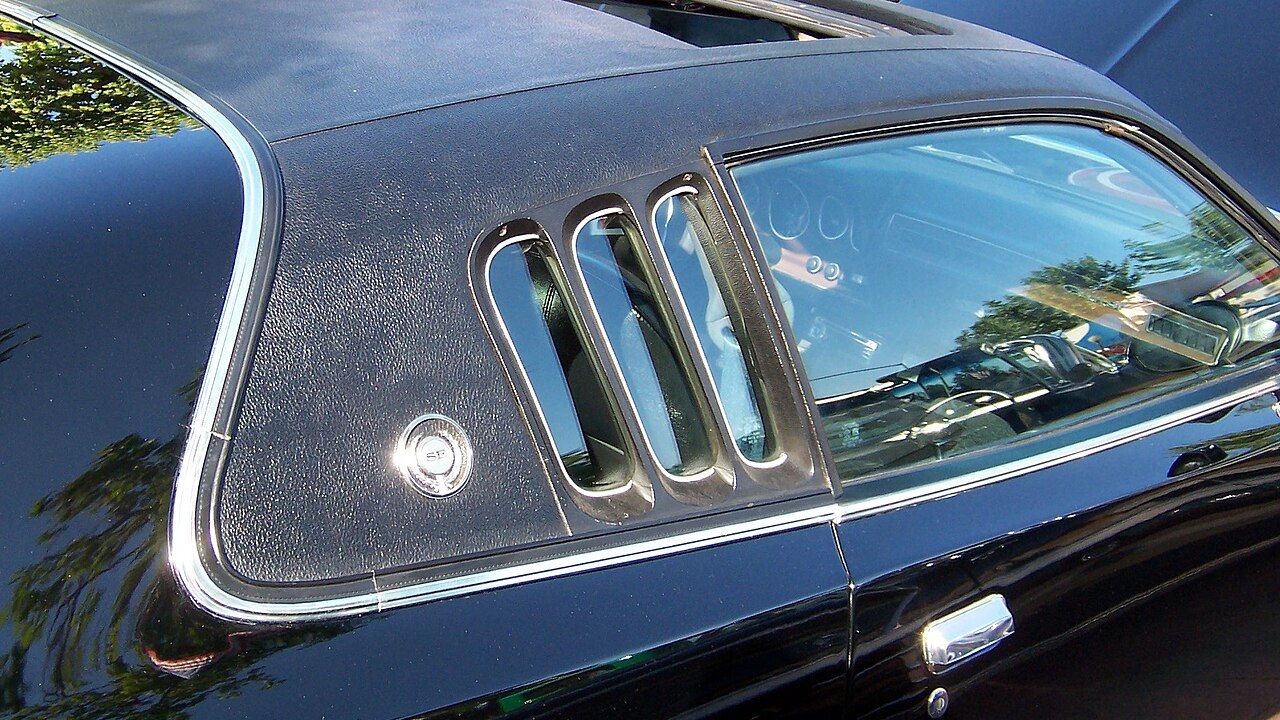
Opera windows were more than just decorative elements; they contributed significantly to a car’s overall silhouette. Their distinctive shapes, often oval or circular, added a unique flair that set these vehicles apart from more utilitarian designs. This aesthetic appeal was further enhanced by the use of quality materials such as chrome or vinyl, which framed the windows and elevated the vehicle’s luxurious feel.
Craftsmanship played a crucial role in the appeal of opera windows. Manufacturers often used premium materials to ensure that these windows not only looked good but also conveyed a sense of durability and quality. The marketing strategies of the time capitalized on this, positioning opera windows as a feature for affluent buyers seeking exclusivity. These windows were often highlighted in advertisements as a mark of prestige, further cementing their status as a luxury item.
Cultural and Social Implications

During their heyday, opera windows became a status symbol, representing wealth and success. Owning a car with such features was akin to possessing a piece of art. The connection to opera and high culture was not accidental; the term “opera” itself evoked images of grandeur and sophistication. Automakers leveraged this association to market their vehicles as the epitome of luxury.
Celebrity endorsements further amplified the allure of opera windows. Well-known personalities of the time were often seen driving cars equipped with these stylish features, influencing public perception and driving demand. This association with high-profile individuals underscored the windows’ status as a marker of success and affluence. For instance, cars with opera windows were often seen in films and on television, adding to their cultural cachet and making them highly desirable among consumers.
The Decline of Opera Windows
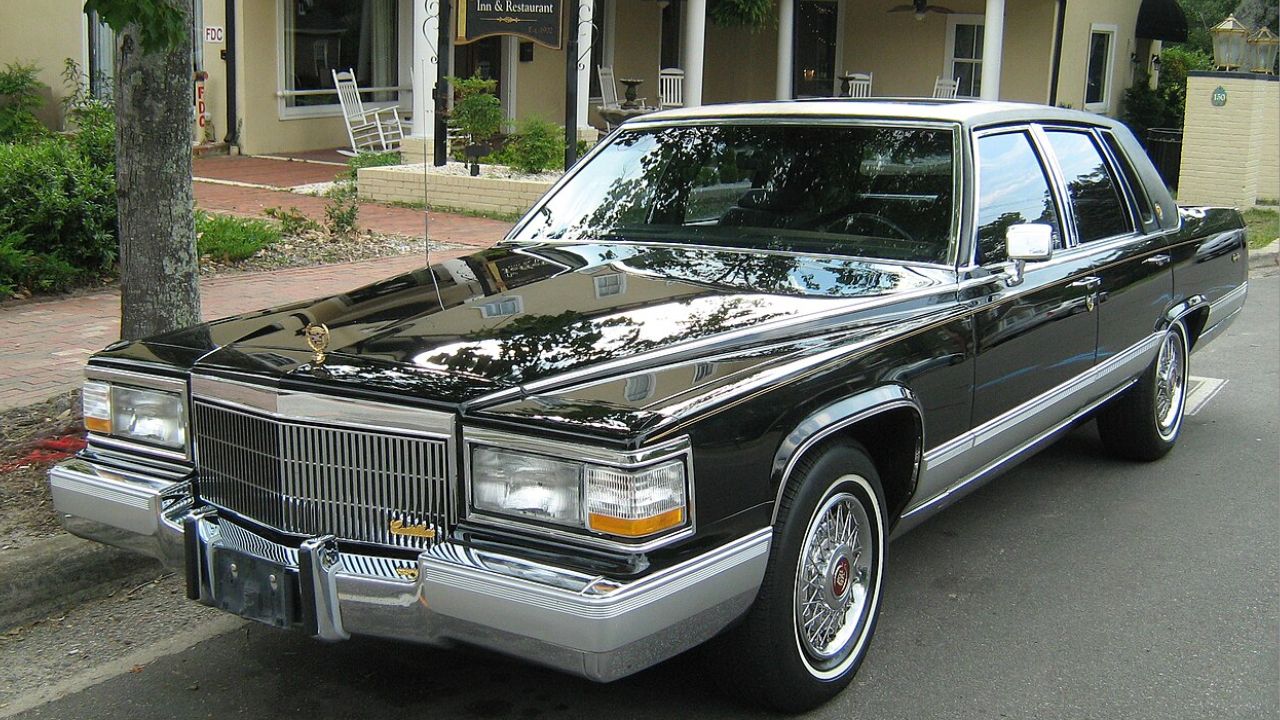
By the 1980s, consumer tastes began to shift toward more minimalist and functional car designs. The once-coveted opera windows started to seem outdated in a world that was embracing sleek lines and modern aesthetics. This change was driven by a variety of factors, including economic considerations and evolving design philosophies that favored simplicity and efficiency.
The economic landscape of the 1980s also played a significant role in the decline of opera windows. The oil crisis and economic downturn led to a reduction in demand for luxury vehicles, prompting automakers to rethink their design strategies. The emphasis shifted towards fuel efficiency and cost-effectiveness, leaving little room for features that were seen as purely ornamental. Additionally, technological advancements in automotive manufacturing provided new ways to enhance car design without relying on such features.
Legacy and Nostalgia

Despite their decline, opera windows have left a lasting legacy in the automotive world. Vintage cars featuring these windows are highly sought after by collectors and enthusiasts who appreciate their historical significance and unique design. The nostalgia for this era is evident in the ongoing fascination with 1970s luxury cars, which continue to captivate the imagination of car lovers worldwide.
Modern car designs occasionally pay homage to the opera window aesthetic, although such nods are often subtle. The influence of these windows can be seen in certain design elements that echo their elegance and sophistication. This continued interest reflects a broader cultural nostalgia for a time when cars were as much about making a statement as they were about getting from point A to point B.
In popular culture, the allure of cars from this period persists. Movies, television shows, and even advertising campaigns frequently draw on the style and elegance of 1970s luxury cars, reinforcing the lasting impact of opera windows. This cultural nostalgia speaks to the enduring appeal of a design trend that, despite its decline, continues to resonate with those who appreciate the artistry and craftsmanship of a bygone era.
Like Fast Lane Only’s content? Be sure to follow us.
Here’s more from us:
*Created with AI assistance and editor review.



Leave a Reply