
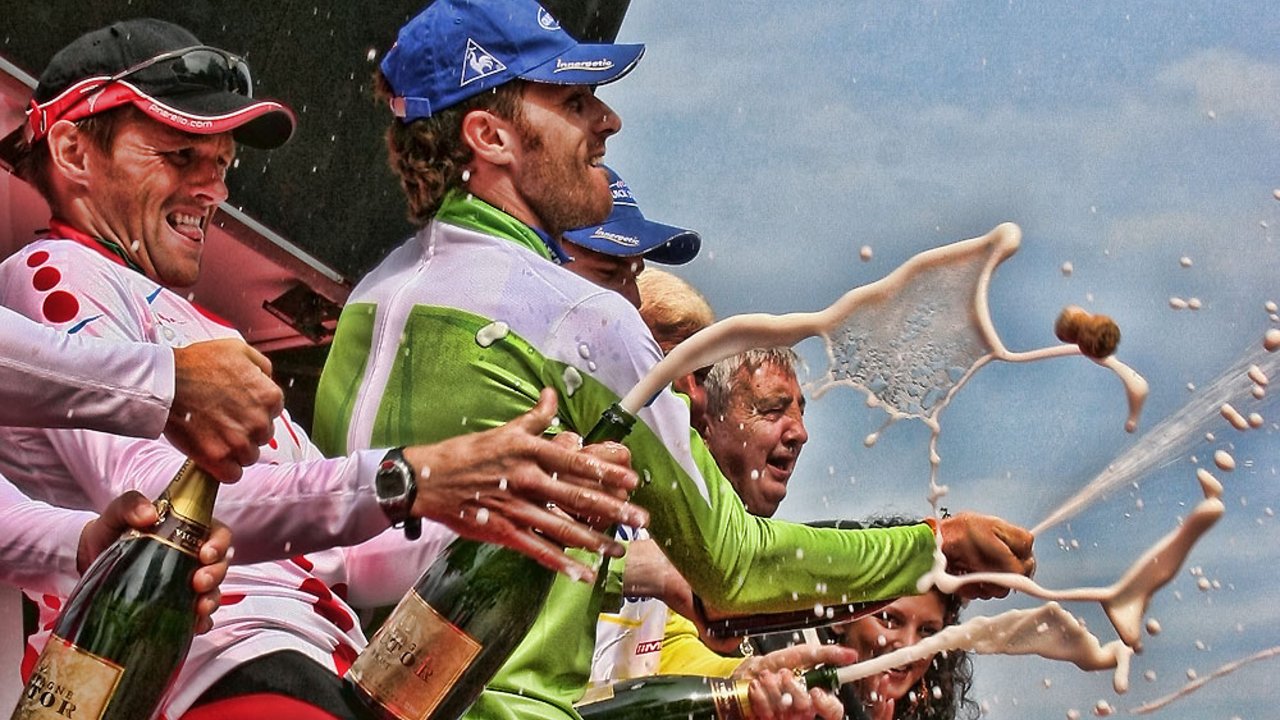
The exuberant act of spraying champagne on the podium has become synonymous with victory in motorsports. This celebratory gesture is not just a display of joy but has deep-rooted historical significance and cultural impact. We delve into the origins, traditions, and symbolism behind this iconic practice.
The Historical Roots of Champagne Spraying
The First Champagne Shower
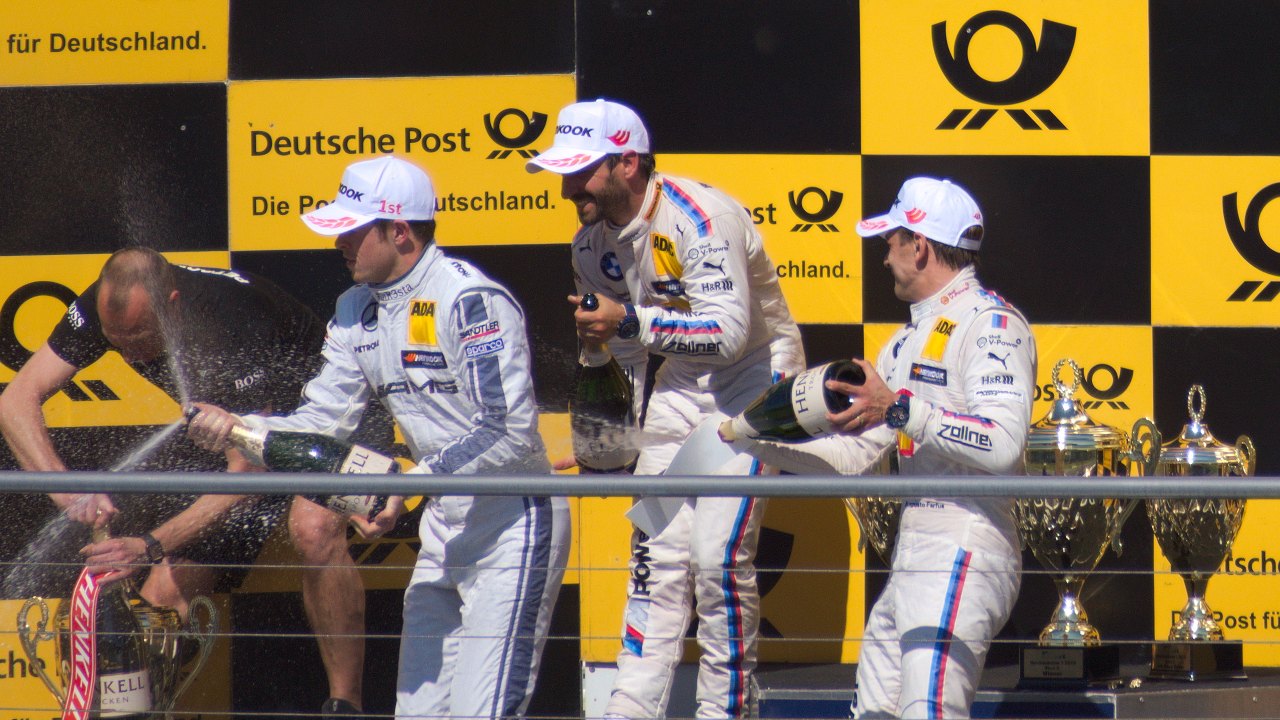
The tradition of spraying champagne on the podium is believed to have started at the 1966 Le Mans race. Jo Siffert, a Swiss driver, found himself with a bottle of champagne that had warmed up in the sun, causing the cork to pop off and the champagne to spray over the crowd. This spontaneous act of celebration was met with delight and quickly became a memorable moment in racing history. The spectacle of champagne showering the audience captured the essence of victory in a manner that words simply could not.
Evolution of a Tradition
What began as an accident evolved into a cherished tradition in motorsports, particularly in Formula 1. Over the years, the act of spraying champagne has been embraced by drivers and teams alike, becoming an expected part of the post-race celebration. It symbolizes not only the end of a grueling competition but also the camaraderie and teamwork that are central to racing. The ritual has grown to embody the essence of motorsport, blending the thrill of victory with the joy of shared success.
Symbolism and Significance in Motorsport
Celebration of Victory
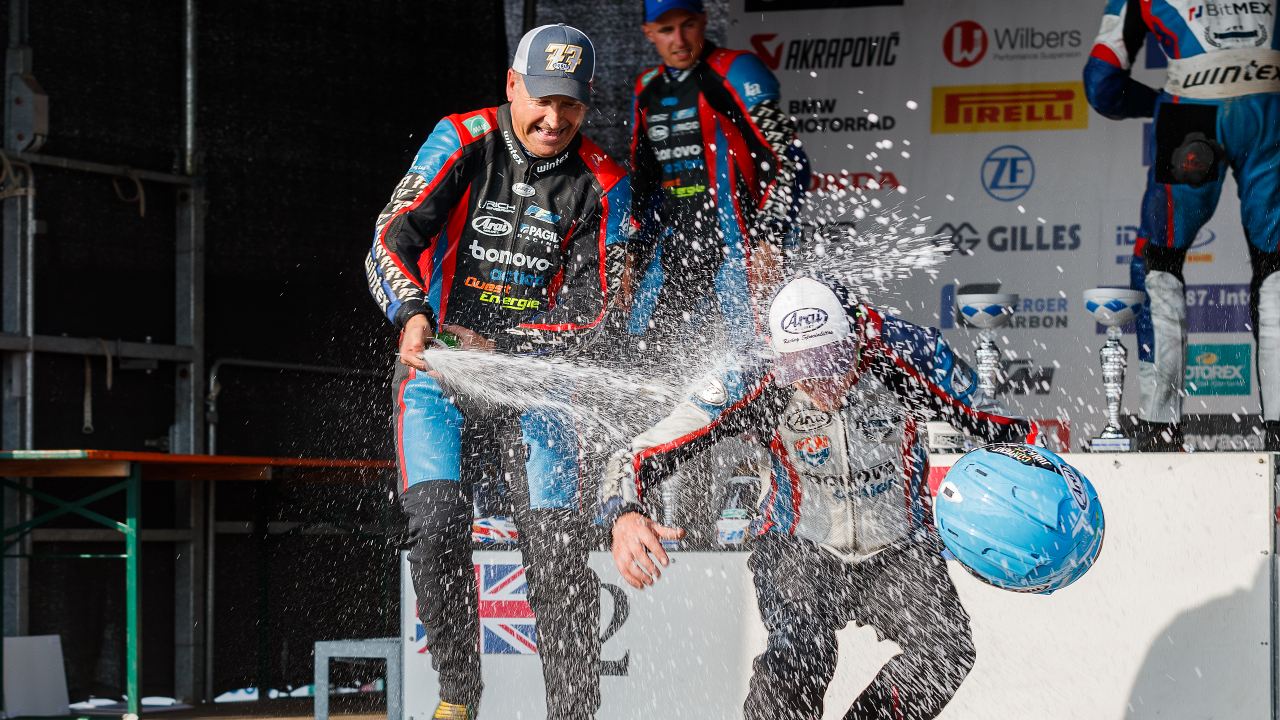
Spraying champagne after a race win is more than just a jubilant gesture; it is a powerful symbol of triumph. The act is a visual representation of the hard work, dedication, and perseverance that defines motorsport. For drivers, it is a moment to savor the fruits of their labor and to share that triumph with their team and supporters. The cascading champagne serves as a metaphor for the release of tension and the joy of achievement that comes with a hard-fought victory.
A Mark of Prestige
Beyond the celebration, champagne spraying elevates the status of motorsport winners, aligning them with luxury and success. The association with champagne, a symbol of opulence, reinforces the notion that winning in motorsport is not just about speed and skill but also about reaching the pinnacle of success. This prestigious image is further enhanced by the tradition’s origins in elite racing events, where the finest drivers compete for glory.
Cultural Impact and Global Recognition
A Worldwide Phenomenon
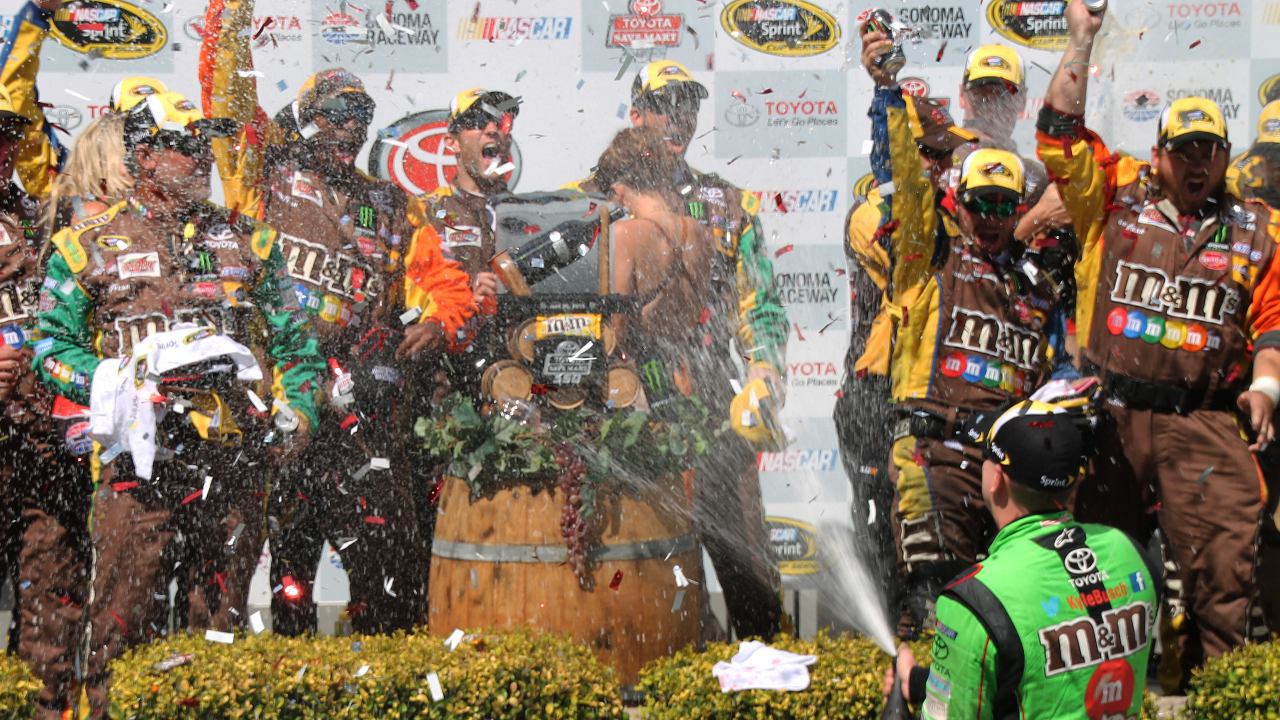
The tradition of spraying champagne has transcended Formula 1, becoming a fixture in other racing events such as NASCAR and the Indianapolis 500. The ritual has been embraced by racing cultures worldwide, becoming synonymous with the universal language of victory. From the roar of the engines to the cheers of the crowd, the sight of champagne showers adds an exclamation point to the celebration, captivating audiences across the globe.
Media and Public Perception
Champagne spraying has become an integral part of the spectacle of racing, enhancing the entertainment value of events. The dramatic visual of drivers dousing themselves and others in champagne is a moment that captures the imagination of fans and media alike. It is a highlight of post-race coverage, offering a glimpse into the personalities of the drivers and the exuberance of victory. The tradition’s enduring appeal lies in its ability to convey the thrill and emotion of racing, making it a powerful tool for engaging audiences.
Champagne and Sponsorships
Brand Associations and Marketing
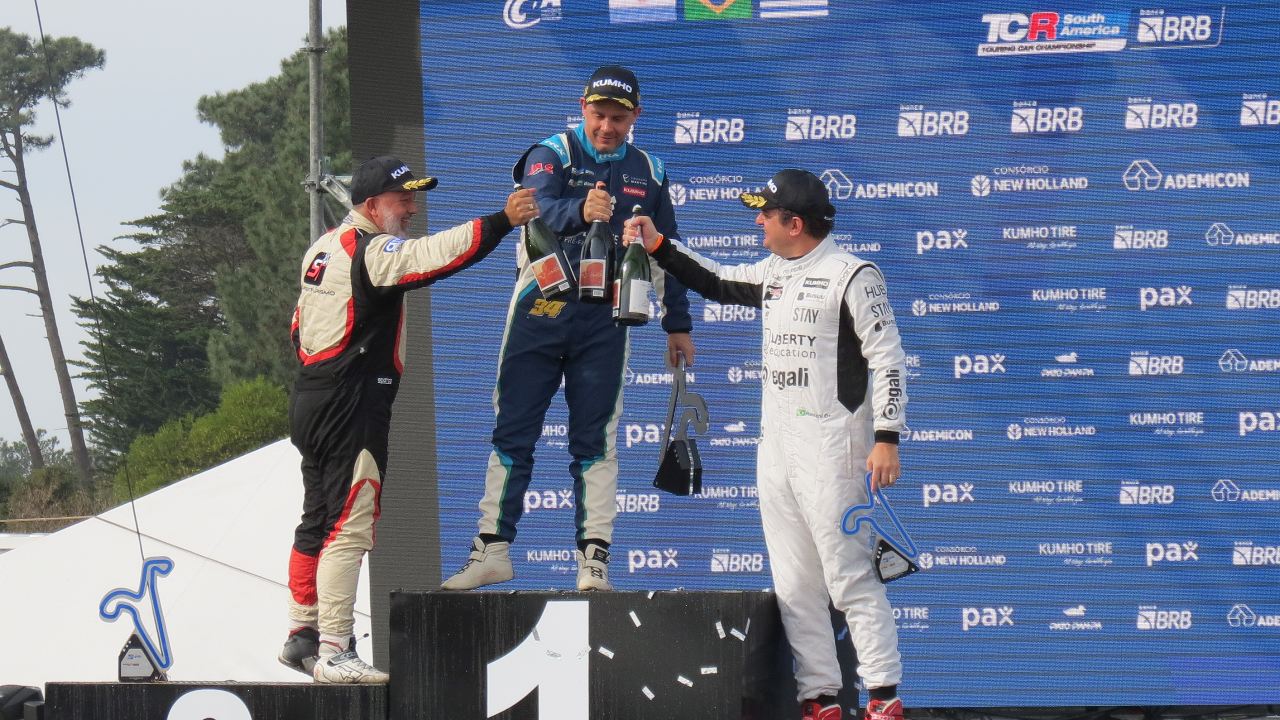
Champagne brands have astutely leveraged this tradition for marketing purposes, creating a symbiotic relationship with motorsport. By associating with the glamour and prestige of racing, champagne producers have positioned themselves as the celebratory drink of choice for champions. This strategic alignment has proven beneficial for both parties, with racing events gaining a touch of luxury and exclusivity, while champagne brands enjoy heightened visibility and association with success.
Economic Impact on Racing Events
Sponsorship deals with champagne producers have significant financial implications for racing events and teams. These partnerships provide much-needed revenue, supporting the costs of organizing races and maintaining teams. The presence of prominent champagne brands on podiums and promotional materials further solidifies the connection between motorsport and luxury, enhancing the overall image of the sport and its appeal to sponsors.
Controversies and Modern Adaptations
Environmental and Ethical Concerns
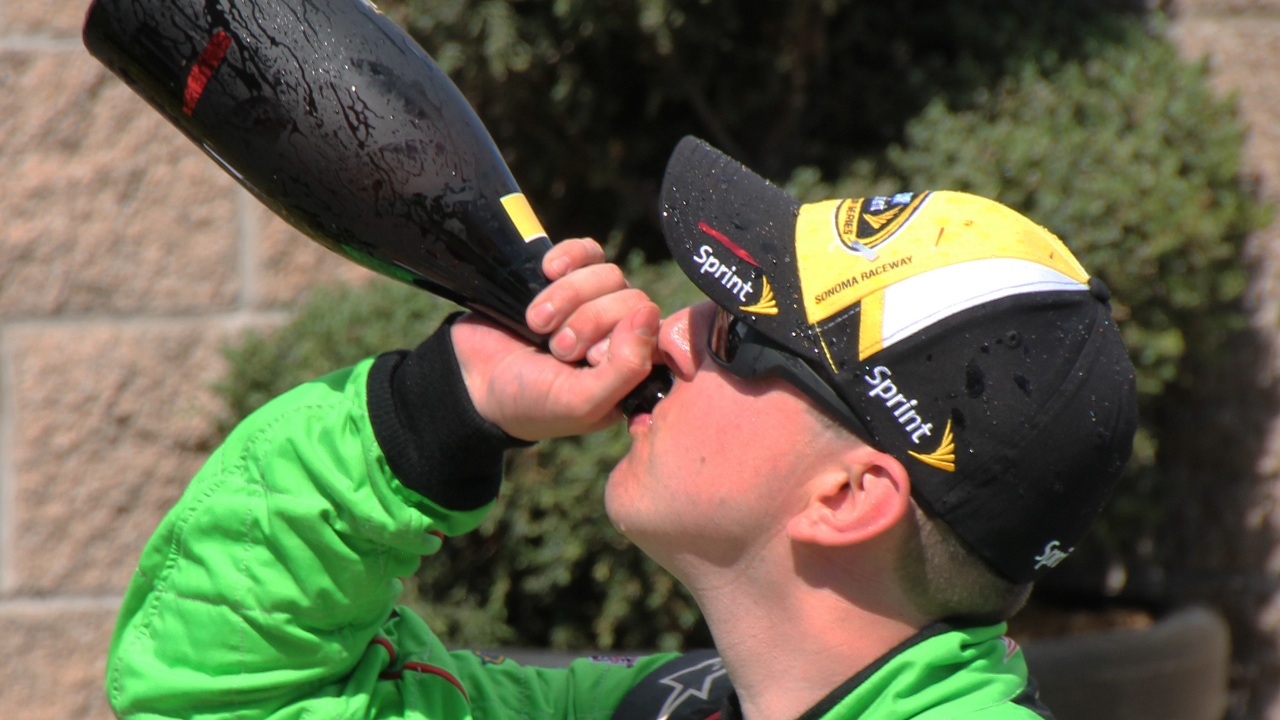
Despite its popularity, the tradition of champagne spraying has faced criticism for its perceived wastefulness and environmental impact. As awareness of sustainability issues grows, there have been calls for more eco-friendly alternatives. Some events have considered using non-alcoholic beverages or reducing the amount of champagne used to mitigate concerns about waste and environmental harm.
Cultural Sensitivity and Change
In recent years, there has been a shift towards more culturally sensitive celebrations at racing events. Recognizing that not all cultures celebrate with alcohol, some organizers have adapted the tradition to include non-alcoholic options. The move reflects a growing awareness of cultural diversity and a desire to ensure that the joy of victory can be shared by all, without excluding those who do not consume alcohol.
The tradition of spraying champagne after a win is a captivating blend of history, symbolism, and celebration. It embodies the spirit of motorsport, bringing together drivers, teams, and fans in a shared moment of triumph. As the tradition continues to evolve, it remains a powerful symbol of victory, prestige, and global recognition.


Leave a Reply