
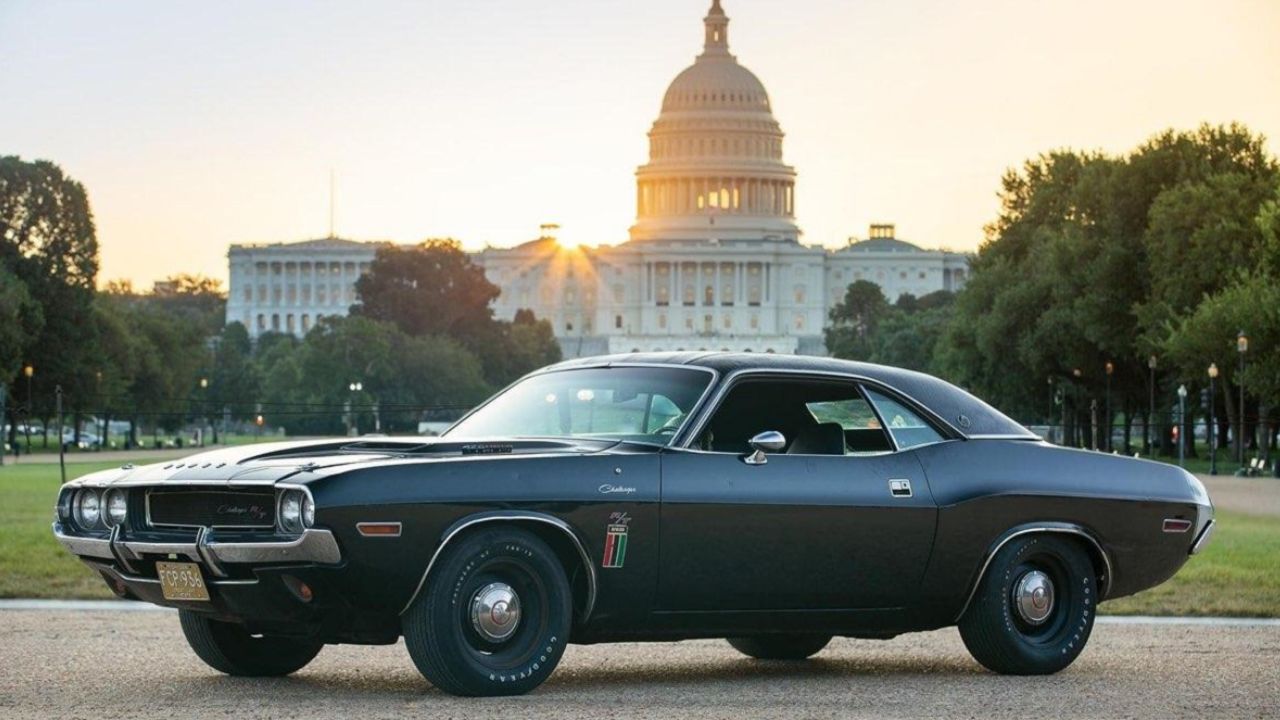
The streets of Detroit once echoed with the roar of a legendary muscle car that became as much a myth as it was a reality—the Black Ghost Dodge Challenger. Known for its sporadic appearances and mysterious driver, this car has captivated automotive enthusiasts, leaving behind a legacy shrouded in secrecy and intrigue. What made this vehicle so extraordinary was not just its performance but the aura of mystery surrounding its owner, who seemed to race for the thrill rather than the fame.
The Legend of the Black Ghost
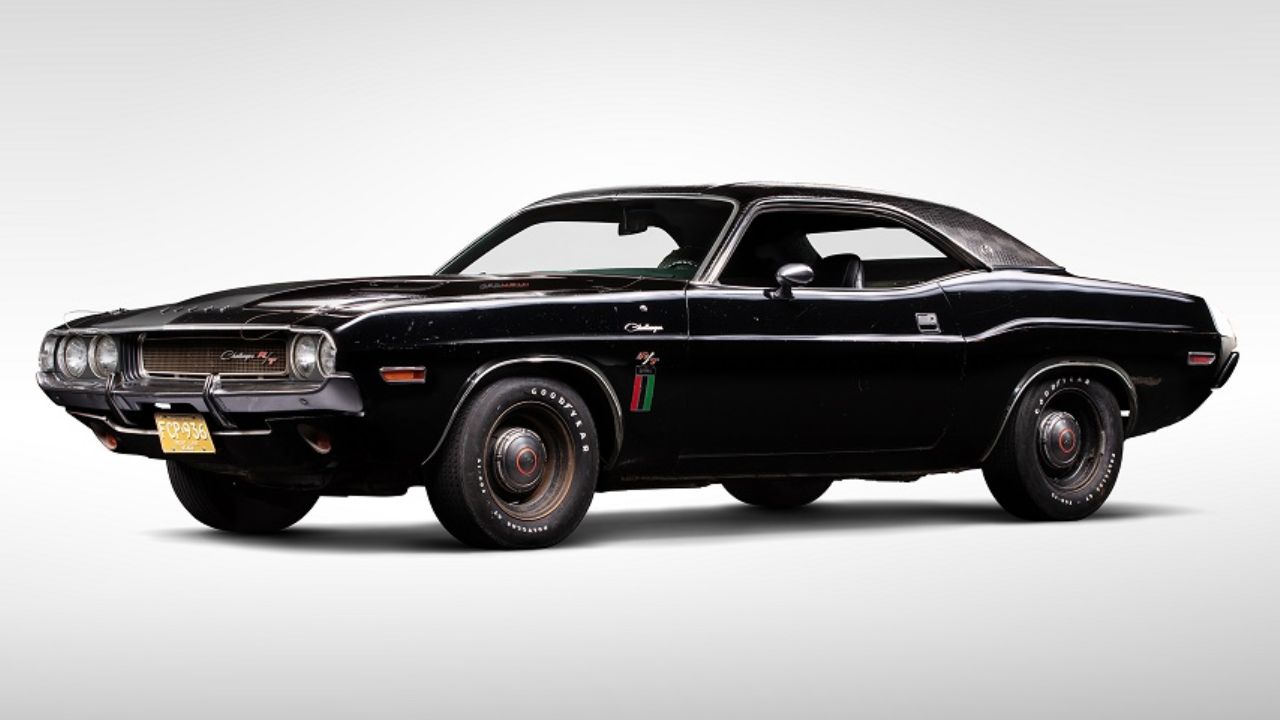
The Black Ghost Dodge Challenger emerged in the early 1970s, a time when Detroit was the epicenter of the American automotive industry. This car was no ordinary Challenger R/T SE; it was a 1970 model with a powerful 426 Hemi engine. Its sporadic appearances on the streets of Detroit left many in awe. Competitors would line up for a chance to race against it, only to watch it disappear as quickly as it had arrived. This elusive nature only added to the mystique of the Black Ghost, turning it into a legend within the city’s vibrant car culture.
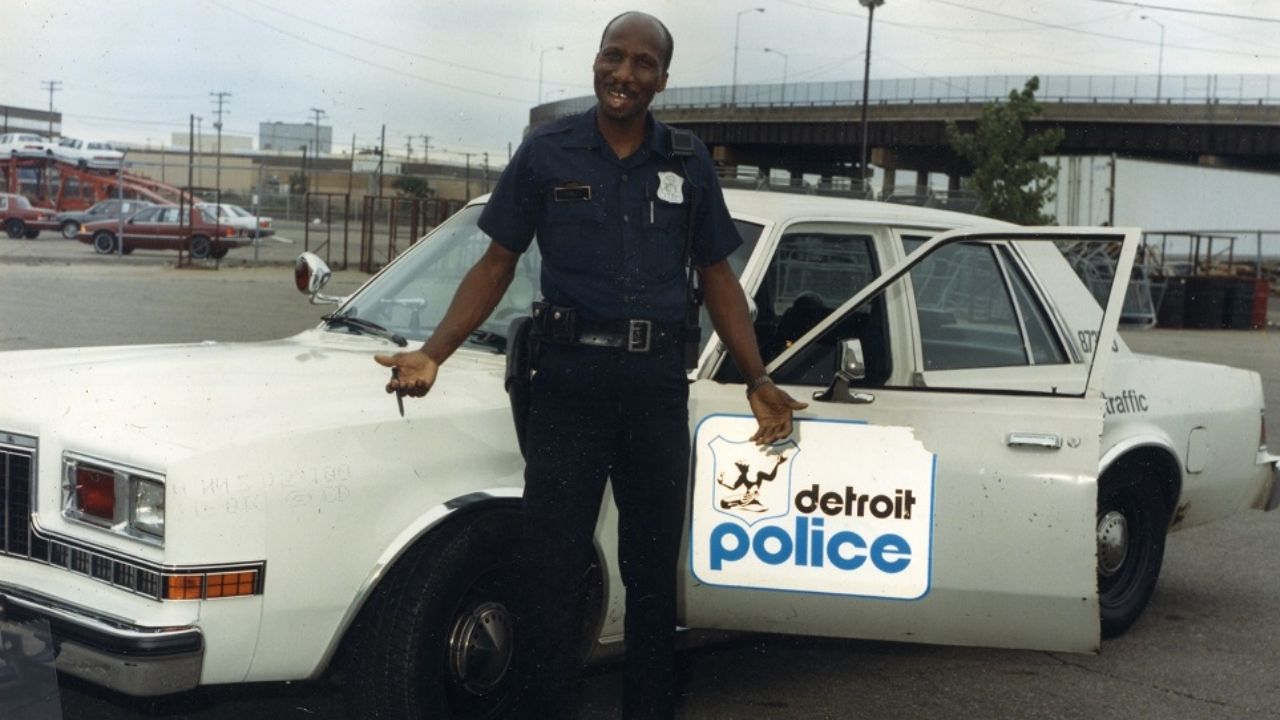
Behind this mysterious machine was Godfrey Qualls, a man whose identity was as enigmatic as the car he drove. Qualls, a Detroit police officer, had an intriguing duality to his character. By day, he upheld the law, but by night, he was the phantom racer who dominated the streets. His role as a police officer added layers to the car’s mystique, making many wonder if the stories about the Black Ghost were real or an elaborate urban legend.
Detroit’s Automotive Culture in the 1970s
During the 1970s, Detroit was more than just the Motor City; it was the heart of the muscle car movement. The city was home to the Big Three automakers—Ford, General Motors, and Chrysler—and was synonymous with power and performance. Street racing became a popular pastime, with muscle cars like the Pontiac GTO, Chevrolet Camaro, and, of course, the Dodge Challenger gracing the streets. These cars were more than just transportation—they were symbols of freedom and rebellion.
The underground racing scene was a subculture all its own, characterized by late-night races and the thrill of speed. Enthusiasts gathered in secret locations, ready to push their machines to the limit. It was in this environment that the Black Ghost became a legend. The car wasn’t just a participant; it was a revered competitor, embodying the spirit of the era.
The Black Ghost’s Impact and Legacy
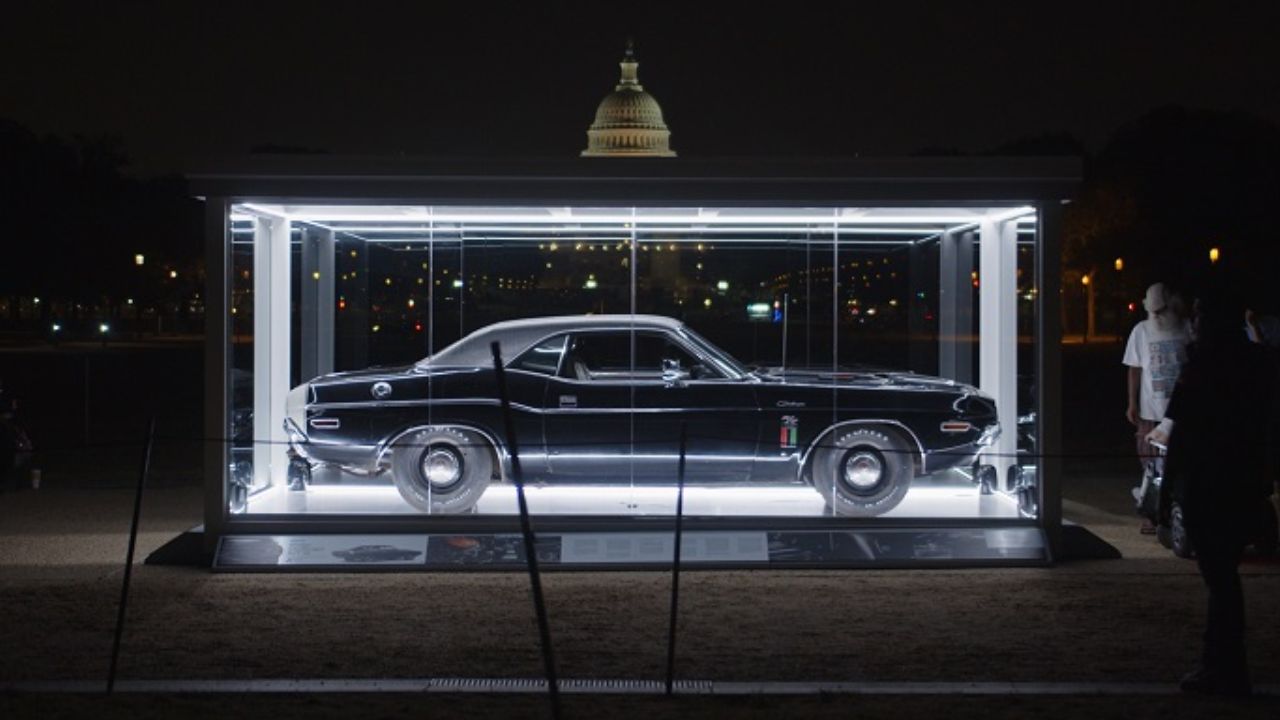
The Black Ghost Dodge Challenger is not just a car; it is a cultural icon. Its influence extends far beyond the streets of Detroit, symbolizing the rebellious spirit of its era. The car’s legacy continues to inspire car enthusiasts and has become a subject of fascination for automotive historians. The Black Ghost represents a time when cars were more than just machines; they were part of a lifestyle, a statement of individuality and defiance.
Over the years, the Black Ghost transitioned from being an urban legend to a recognized piece of automotive history. Its story, once known only to a select few, is now celebrated in car shows and museums. The car was eventually restored, preserving its original charm and power. It stands as a testament to the rich history of American muscle cars and the stories they tell.
The Hidden Stories of Detroit’s Streets
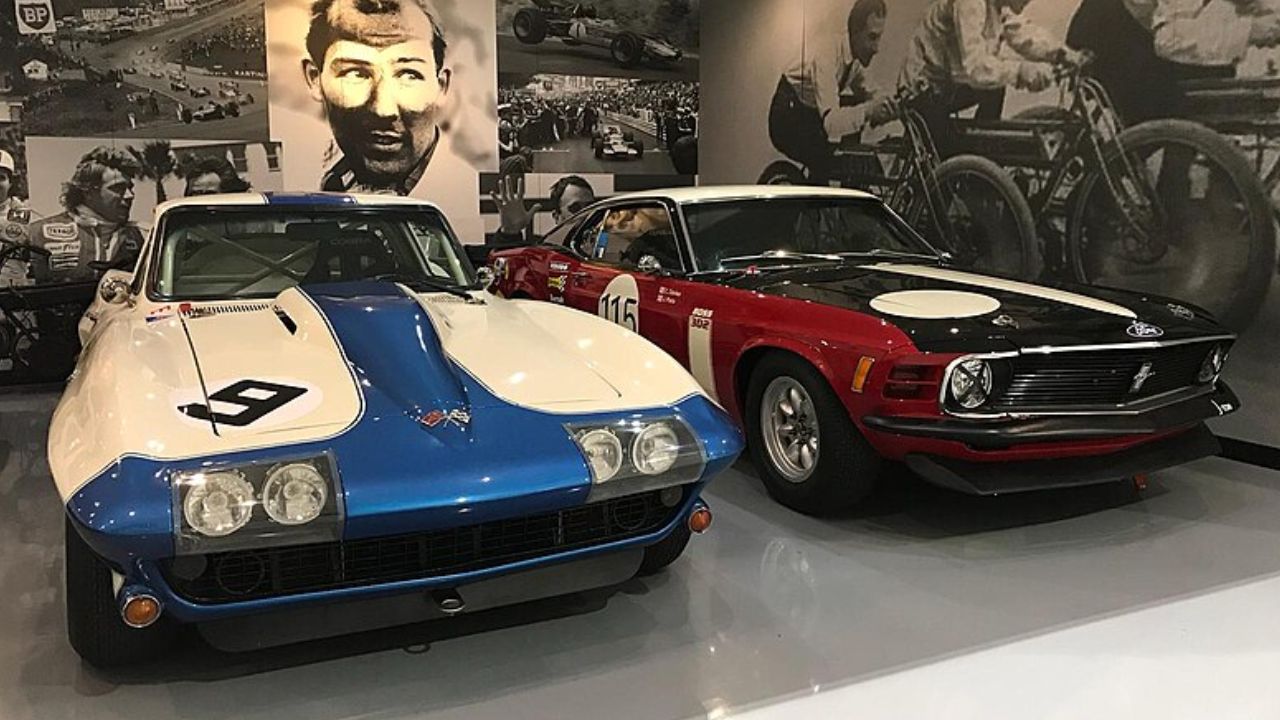
Detroit’s streets have been the stage for many legendary vehicles, each with its own story to tell. While the Black Ghost is perhaps the most famous, other cars have left their mark on the city’s automotive history. Vehicles like the Chevrolet Corvette and the Ford Mustang also played significant roles in Detroit’s racing scene. Their stories, though overshadowed by the Black Ghost, are equally fascinating and contribute to the city’s rich automotive heritage.
In Detroit, the line between urban legend and reality often blurs. The city’s automotive culture is steeped in tales of daring races and legendary cars. These stories, passed down through generations, capture the essence of a time when street racing was at its peak. The vibrant car culture of Detroit remains a testament to the city’s enduring love for automobiles and the stories they inspire.
The Modern Day Resurrection
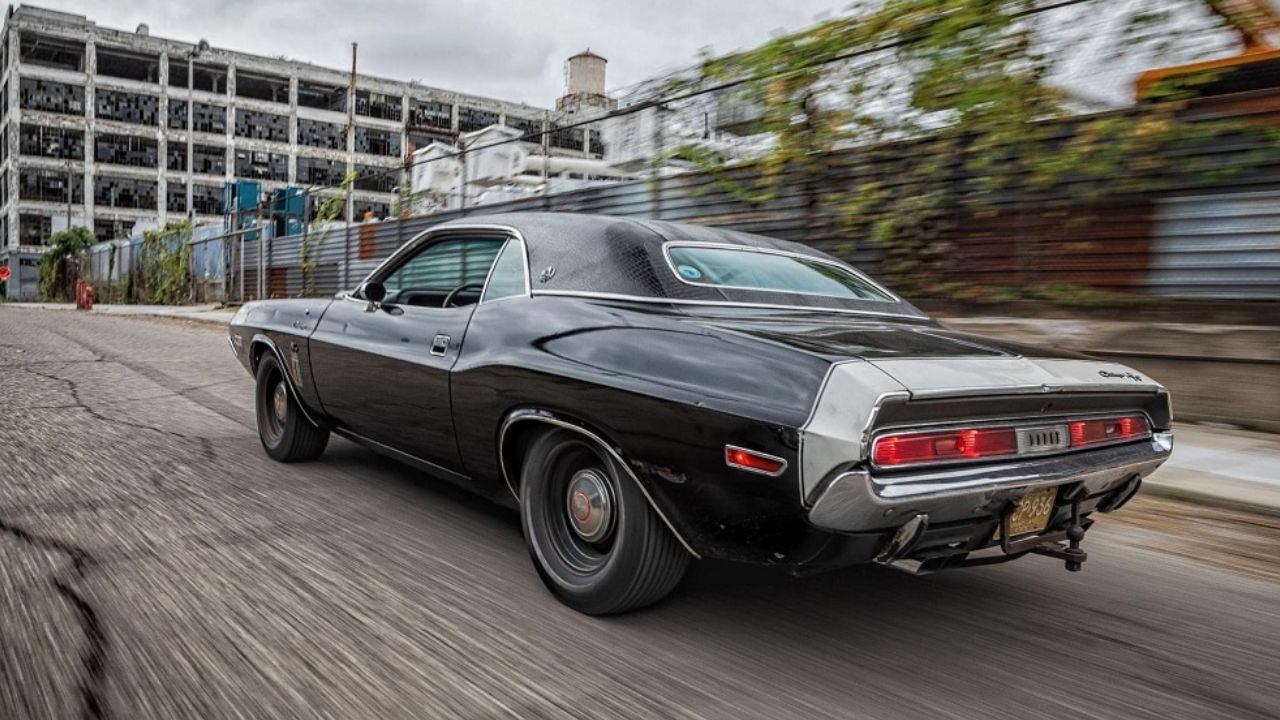
The Black Ghost’s reemergence as a highly coveted collector’s item is a testament to its enduring appeal. When it finally reached the auction block, it created a frenzy among collectors eager to own a piece of automotive history. The car’s rarity, combined with its storied past, made it a prized possession for any enthusiast. Its sale marked a new chapter in the Black Ghost’s legacy, further cementing its status as an icon of American muscle cars.
Today, the story of the Black Ghost continues to resonate with car enthusiasts around the world. Its influence can be seen in the design and spirit of modern muscle cars, which pay homage to the legends of the past. The Black Ghost has transcended its origins to become a symbol of resilience and passion in the automotive world.


Leave a Reply