
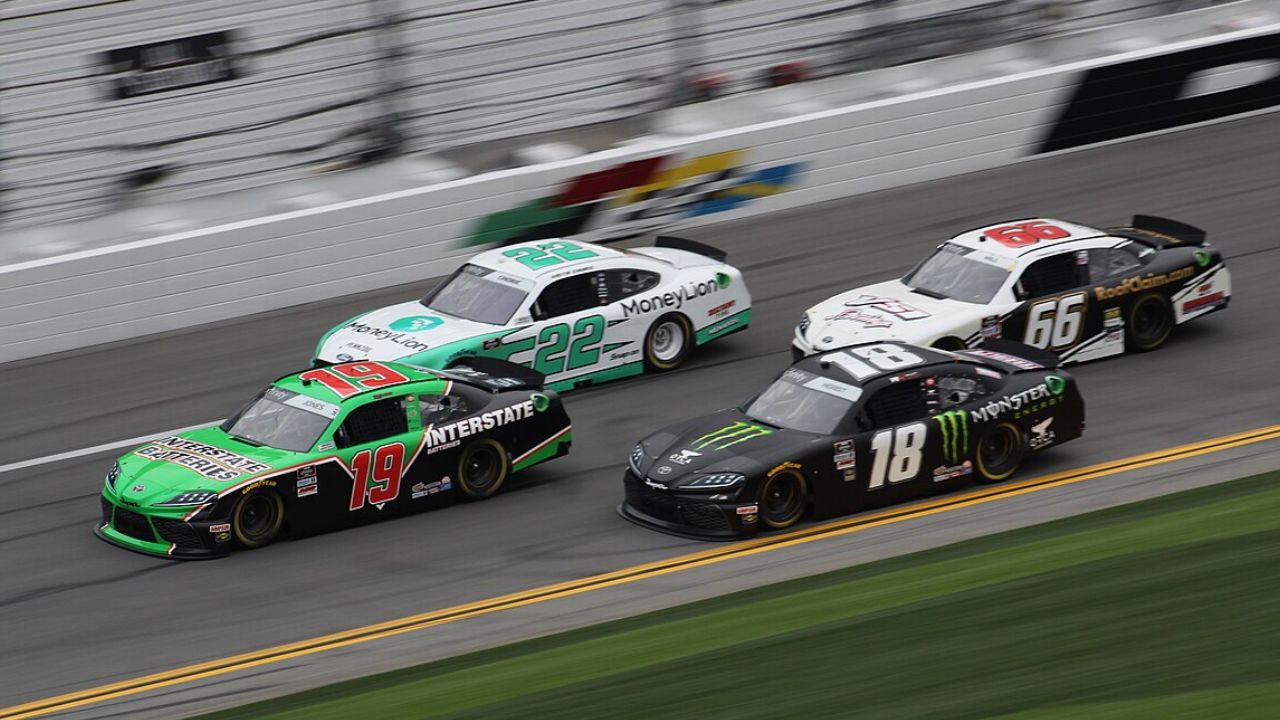
The high-speed world of NASCAR has long been a battleground for innovation, with aerodynamic advancements leading the charge in pursuit of victory. These “aero wars” not only shaped the racetrack but also left a lasting impact on the design and performance of street cars. The competitive spirit of NASCAR engineering has translated to the everyday vehicles we drive, influencing their design and efficiency.
The Birth of Aero Wars in NASCAR
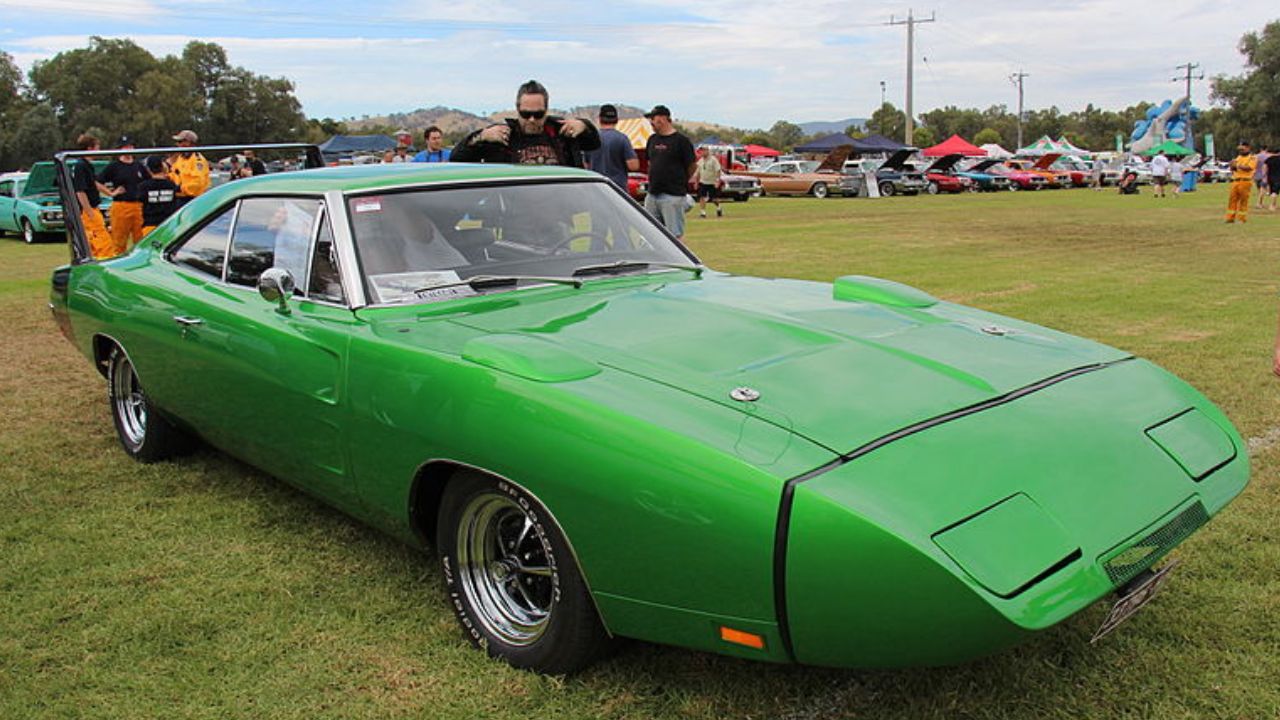
NASCAR’s aerodynamic evolution began as regulations shifted to allow manufacturers more freedom in car design, sparking a race to develop the most aerodynamically efficient vehicles. This era, often referred to as the “aero wars,” saw teams and manufacturers pushing the boundaries of technology to gain a competitive edge. The introduction of the “winged warriors” in the late 1960s, such as the Dodge Charger Daytona, marked a pivotal moment in this evolution, as these cars were specifically designed to dominate the high-speed tracks.
Key technological breakthroughs during this period included the use of wind tunnels and computational fluid dynamics (CFD) to refine car shapes and improve performance. Manufacturers like Ford and Chevrolet quickly followed suit, developing their own aerodynamic models to compete with Dodge’s innovations. The collaboration between engineers and drivers was crucial, as real-world feedback helped refine these designs further, leading to significant advancements in both speed and stability.
Manufacturers played a vital role in pioneering these aerodynamic innovations, often using NASCAR as a testing ground for new technologies. The competitive nature of the sport drove rapid advancements, with teams constantly seeking ways to reduce drag and increase downforce. This relentless pursuit of performance not only transformed NASCAR but also set the stage for future developments in automotive design.
Iconic NASCAR-Inspired Street Cars
The Dodge Charger Daytona is perhaps the most iconic example of NASCAR’s influence on street car design. Introduced in 1969, the Daytona was the first car to break the 200 mph barrier on a closed course, thanks to its distinctive nose cone and rear wing. These features, initially developed for racing, found their way into the design of performance street cars, setting a new standard for speed and aerodynamics.
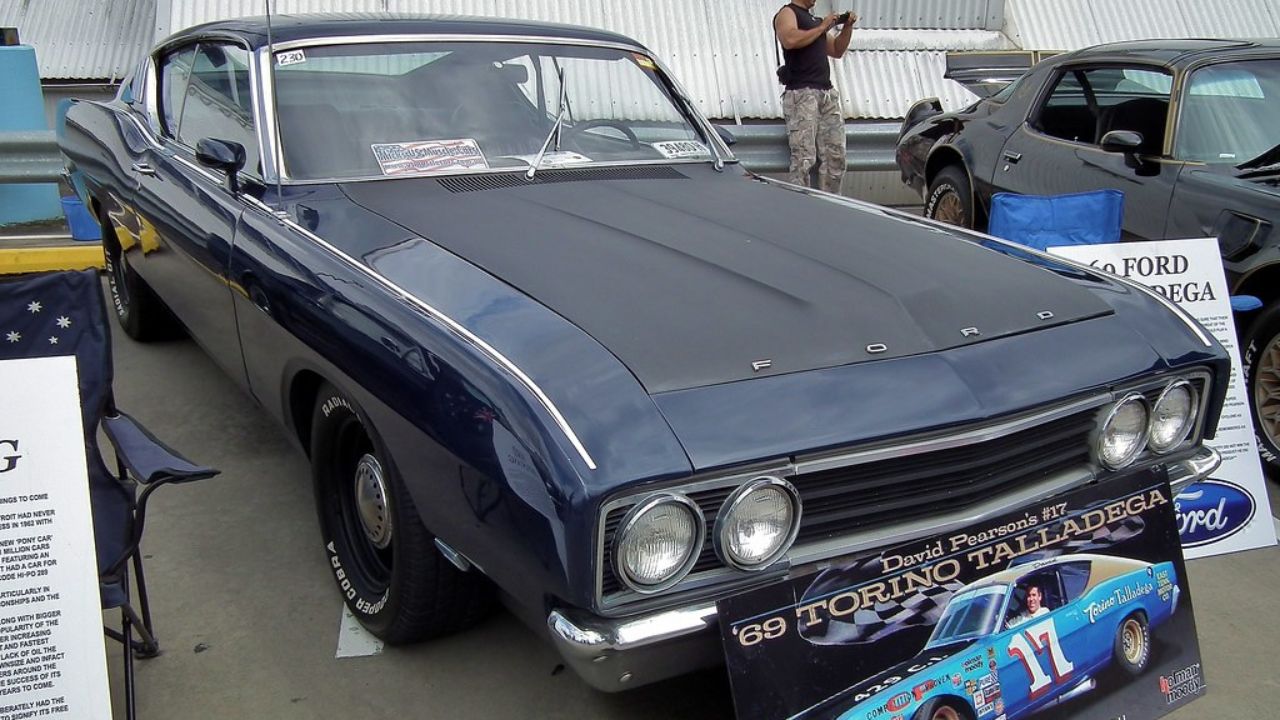
Ford responded to Dodge’s success with the Torino Talladega, a car that also boasted significant aerodynamic improvements. The Talladega’s sleek design and performance capabilities were mirrored in its street-legal counterpart, offering consumers a taste of NASCAR’s cutting-edge technology. Similarly, Chevrolet’s focus on aerodynamics influenced the design of the Camaro, with features like a lower front end and a more streamlined body enhancing both performance and aesthetics.
These NASCAR-inspired street cars not only captured the imagination of car enthusiasts but also demonstrated how racing technology could be adapted for everyday use. The success of these models paved the way for future collaborations between racing teams and manufacturers, leading to even more innovative designs in the years to come.
Aerodynamic Principles Translated to Everyday Vehicles
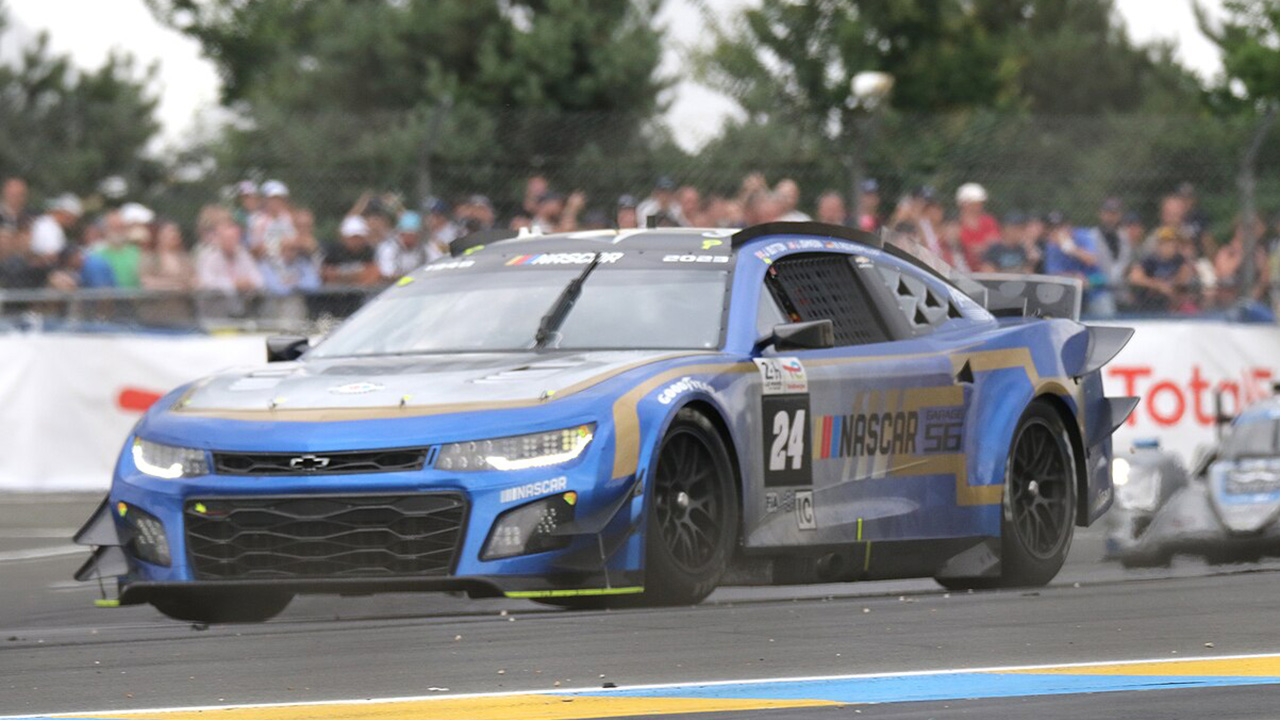
The principles of aerodynamics developed in NASCAR have been seamlessly integrated into modern car design, with downforce and drag reduction techniques now standard in many vehicles. These advancements have improved not only the performance of sports cars but also the efficiency of everyday vehicles. By reducing drag, manufacturers have been able to enhance fuel efficiency, a critical factor in today’s environmentally conscious market.
NASCAR’s use of wind tunnel testing revolutionized vehicle design, providing engineers with precise data to optimize car shapes and components. This technology, once exclusive to the racing world, is now a staple in the automotive industry, helping manufacturers create more aerodynamic and efficient vehicles. The insights gained from wind tunnel testing have led to the development of features like active grille shutters and aerodynamic underbody panels, which are now common in many consumer cars.
Computational fluid dynamics (CFD) has also played a significant role in translating NASCAR’s aerodynamic principles to everyday vehicles. By simulating airflow over a car’s surface, engineers can identify areas of high drag and make necessary adjustments to improve efficiency. This technology has been instrumental in the design of modern vehicles, allowing manufacturers to create cars that are not only faster but also more fuel-efficient.
Safety and Efficiency: Beyond Performance
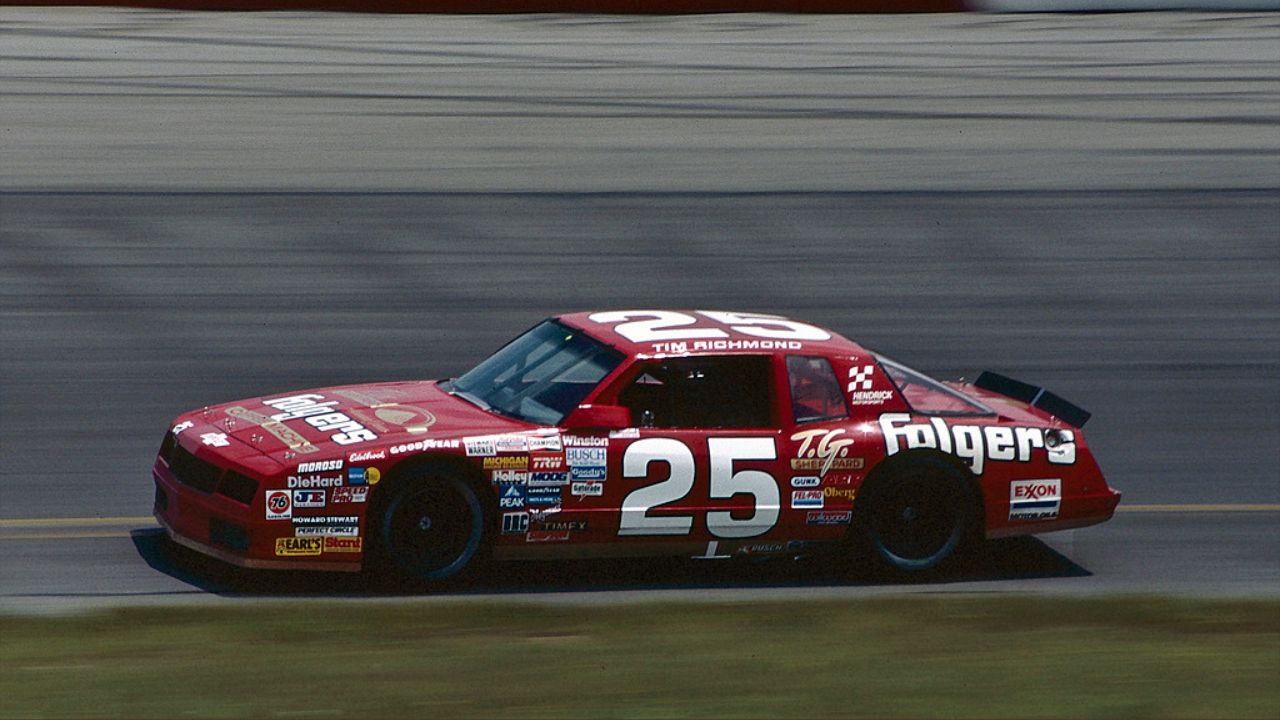
Aerodynamic advancements in NASCAR have contributed to improved fuel efficiency in street cars, but their impact extends beyond performance. Safety innovations developed on the racetrack have also found their way into passenger vehicle design, enhancing the overall driving experience. Features like crumple zones and reinforced frames, initially designed to protect drivers at high speeds, are now standard in many consumer vehicles.
The balance between performance enhancements and regulatory standards is a constant challenge for manufacturers. While aerodynamic improvements can lead to faster and more efficient cars, they must also comply with safety and emissions regulations. This delicate balance has driven manufacturers to innovate continuously, finding new ways to enhance performance without compromising safety or environmental standards.
As the automotive industry evolves, the lessons learned from NASCAR’s aero wars continue to influence vehicle design. Manufacturers are increasingly focused on creating cars that offer both performance and efficiency, ensuring that the innovations developed on the racetrack benefit consumers in meaningful ways.
The Future of Aerodynamics in Automotive Design
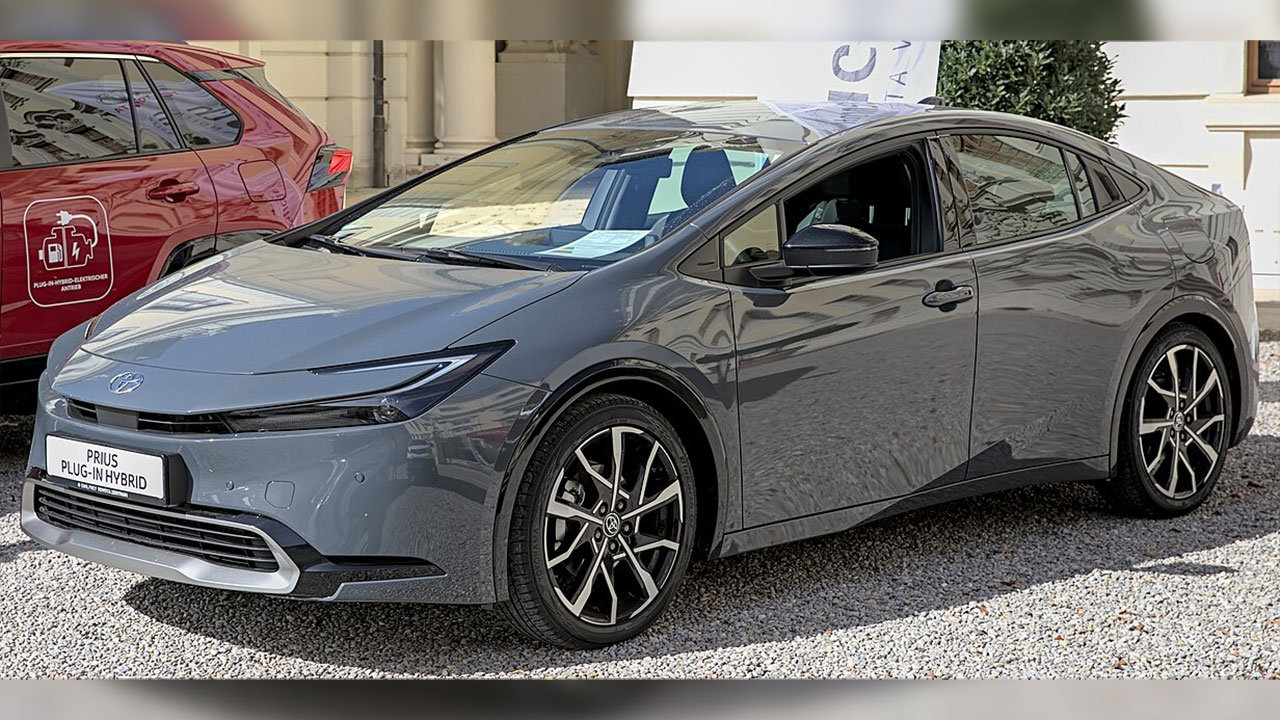
Emerging trends in aerodynamics, influenced by motorsports, are shaping the future of automotive design. As electric vehicles (EVs) become more prevalent, manufacturers are exploring new ways to optimize aerodynamics for these unique powertrains. The absence of a traditional engine allows for more creative design possibilities, with a focus on reducing drag and maximizing range.
The potential impact of electric vehicles on the aero landscape is significant, as manufacturers seek to balance performance with efficiency. Innovations such as active aerodynamics, where components adjust in real-time to optimize airflow, are becoming more common in EVs. These advancements not only enhance performance but also contribute to the overall sustainability of the automotive industry.
Consumer demands are also shaping the next generation of aero innovations, with a growing emphasis on sustainability and efficiency. As drivers become more environmentally conscious, manufacturers are prioritizing aerodynamic designs that reduce emissions and improve fuel economy. This shift in consumer preferences is driving the development of new technologies and design strategies, ensuring that the legacy of NASCAR’s aero wars continues to influence the automotive industry for years to come.
Like Fast Lane Only’s content? Be sure to follow us.
Here’s more from us:
*Created with AI assistance and editor review.




Leave a Reply