
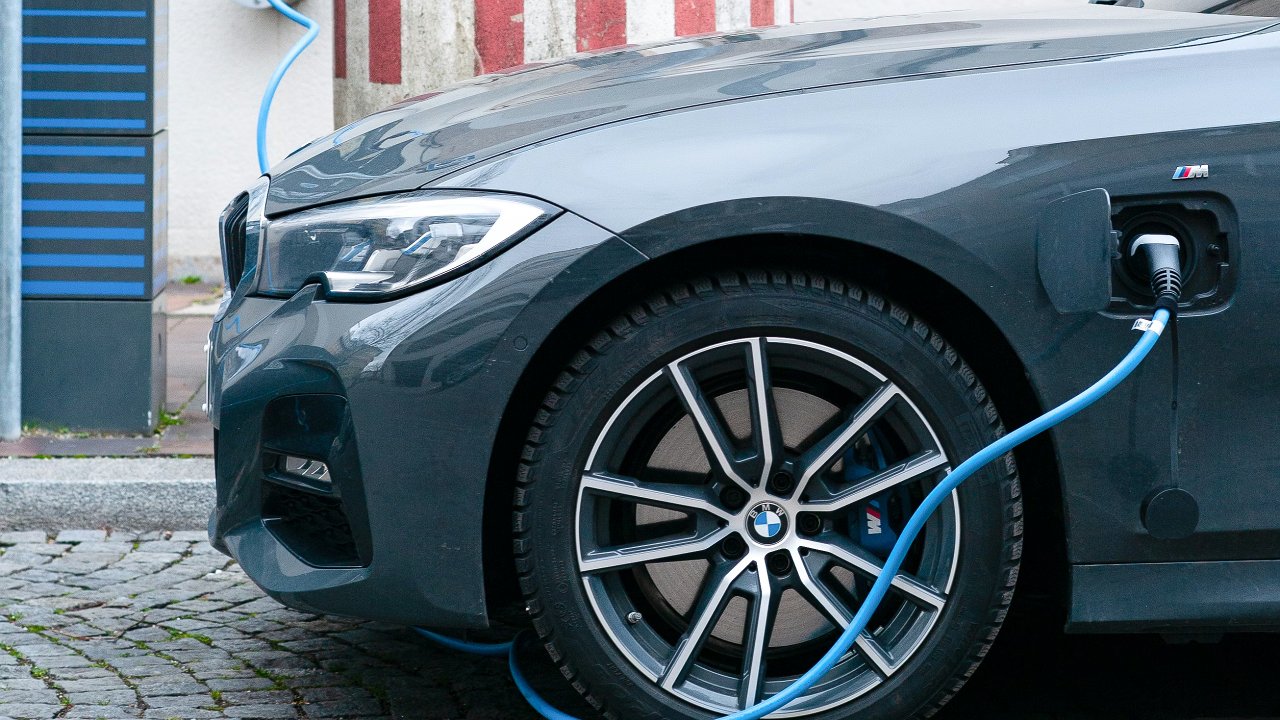
As hybrid vehicles gain popularity for their environmental benefits and fuel efficiency, many prospective buyers wonder about the long-term costs associated with maintaining these cars. With the increase in hybrid options like the 2025 Toyota Prius and the Honda Insight, it’s essential to consider whether these vehicles incur higher maintenance costs compared to traditional gasoline cars.
Understanding Hybrid Technology
Hybrid vehicles integrate both an internal combustion engine and an electric propulsion system, setting them apart from conventional gasoline vehicles. These systems work together to improve fuel efficiency and reduce emissions. A prime example is the Ford Fusion Hybrid, which uses both power sources to maximize mileage.
Hybrids come with unique components, such as battery packs, electric motors, and regenerative braking systems. The battery pack, often a lithium-ion type, stores energy that powers the electric motor. Regenerative braking captures energy typically lost during braking and uses it to recharge the battery, enhancing efficiency. However, these additional components can introduce complexities that may impact maintenance needs.
The complexity of hybrid technology generally means more sophisticated systems that require specialized knowledge for maintenance and repair. This can potentially increase the cost of service compared to traditional vehicles. However, advancements in technology and increased familiarity among technicians are gradually reducing this gap.
Factors Affecting Hybrid Maintenance Costs
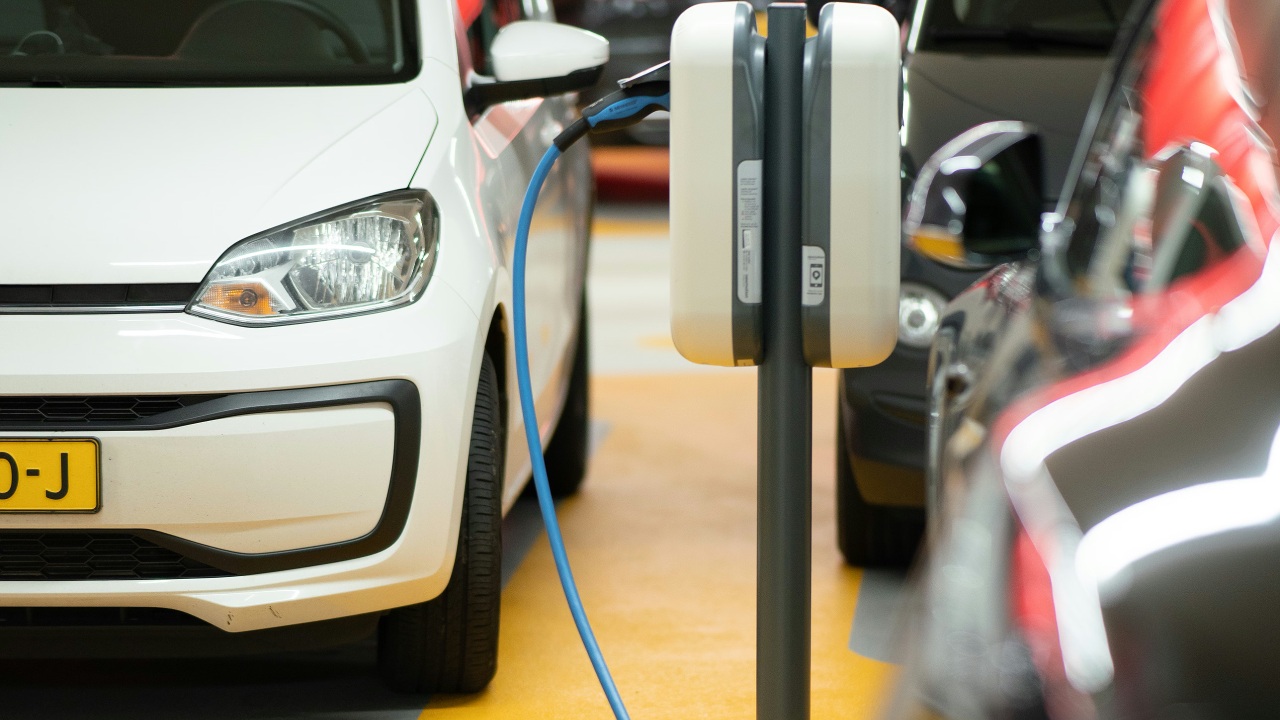
Different manufacturers design their hybrid systems with varying levels of complexity and durability. For instance, Toyota’s hybrid technology is renowned for its reliability, contributing to generally lower maintenance costs compared to other brands. In contrast, newer entrants to the hybrid market may not have the same track record, potentially influencing maintenance expenses.
Driving habits and environmental conditions also play a crucial role in determining the wear and tear on hybrid components. Urban driving with frequent stops can increase the strain on the regenerative braking system, while extreme temperatures might affect battery performance. For instance, a driver in Phoenix might experience different battery longevity compared to one in San Francisco.
The availability of qualified service centers and technicians is another significant factor. As hybrid vehicles become more common, more mechanics are receiving training to service them, which helps reduce costs. However, in areas where hybrid vehicles are less prevalent, finding a qualified technician might be more challenging and expensive.




Leave a Reply