
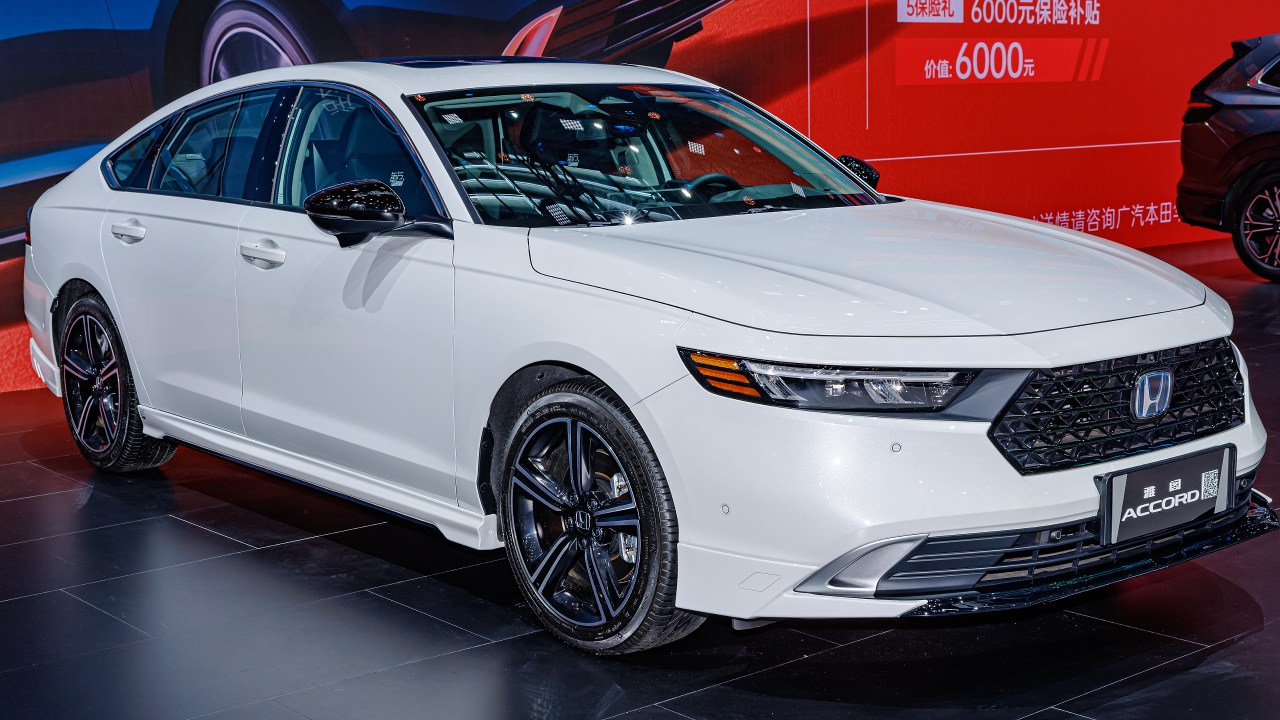
As the trend toward sustainable transportation continues, many commuters are considering hybrid vehicles for their daily drives. But are hybrids the right choice for those with long commutes? This article examines the pros and cons of hybrid vehicles for extended daily travel, helping you make an informed decision.
Understanding Hybrid Technology
Types of Hybrids
Hybrid vehicles come in various forms, each with unique characteristics. Mild hybrids, such as the 2025 Honda Accord Hybrid, use a small electric motor to assist the internal combustion engine, offering improved fuel efficiency without the need for plug-in charging. Full hybrids, like the Toyota Prius, can operate solely on electric power for short distances, enhancing fuel savings. Meanwhile, plug-in hybrids, exemplified by the 2025 Ford Escape Plug-In Hybrid, have larger batteries that can be recharged from an external power source, providing extended electric-only ranges.
How Hybrids Work
The mechanics of hybrid systems involve a seamless interplay between the internal combustion engine and electric motor. In a typical hybrid, such as the 2025 Hyundai Sonata Hybrid, the electric motor powers the vehicle at low speeds or during idling, while the gas engine takes over at higher speeds or when more power is needed. This synergy optimizes fuel economy and reduces emissions, providing a balanced driving experience.
Environmental Impact
Hybrids contribute significantly to reducing carbon emissions, playing a crucial role in promoting sustainability. For instance, the 2025 Toyota RAV4 Hybrid boasts a low emission profile, demonstrating how hybrid technology can help mitigate environmental impact. By combining electric and gasoline power, hybrids offer a viable solution for eco-conscious commuters seeking to reduce their carbon footprint.
Cost Considerations

Initial Investment vs. Long-term Savings
While the initial investment in a hybrid vehicle can be higher than that of a conventional gasoline car, the potential for long-term savings is substantial. For example, the 2025 Kia Niro Hybrid is priced higher upfront compared to its non-hybrid counterpart, but its superior fuel economy can lead to significant savings on fuel costs over the vehicle’s lifespan. Additionally, many regions offer tax incentives for hybrid owners, further offsetting the initial expense.
Maintenance Costs
Maintenance costs for hybrids are generally comparable to those of traditional vehicles, though some differences exist. Regular maintenance, such as oil changes, is often required less frequently due to the reduced strain on the internal combustion engine. However, components like battery systems, unique to hybrids, can entail higher replacement costs. Brands like Toyota and Honda have established reputations for reliable hybrid systems, which can ease concerns about long-term maintenance.
Resale Value
Hybrids tend to hold their value well, reflecting growing consumer interest in fuel-efficient vehicles. Models like the 2025 Toyota Camry Hybrid often demonstrate strong resale performance due to their reliability and continued demand. Factors such as battery life, brand reputation, and market trends can influence a hybrid’s resale value, making certain models more attractive to second-hand buyers.




Leave a Reply