
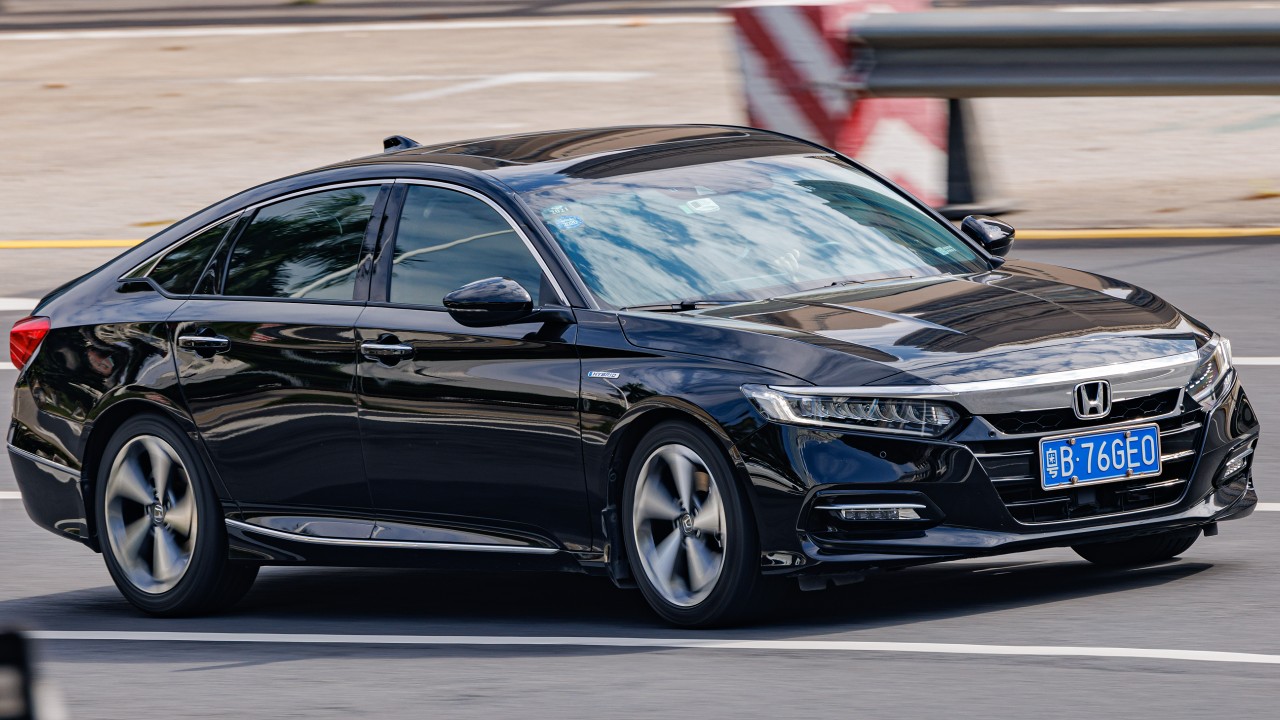
As urban areas continue to face challenges such as traffic congestion and air pollution, city drivers are increasingly considering hybrid vehicles as a viable alternative to traditional gasoline-powered cars. With their potential to alleviate environmental concerns and improve fuel efficiency, hybrids offer city dwellers a promising transportation option. However, several factors should be evaluated to determine if a hybrid is the right choice for an individual’s specific needs and lifestyle.
Environmental Impact
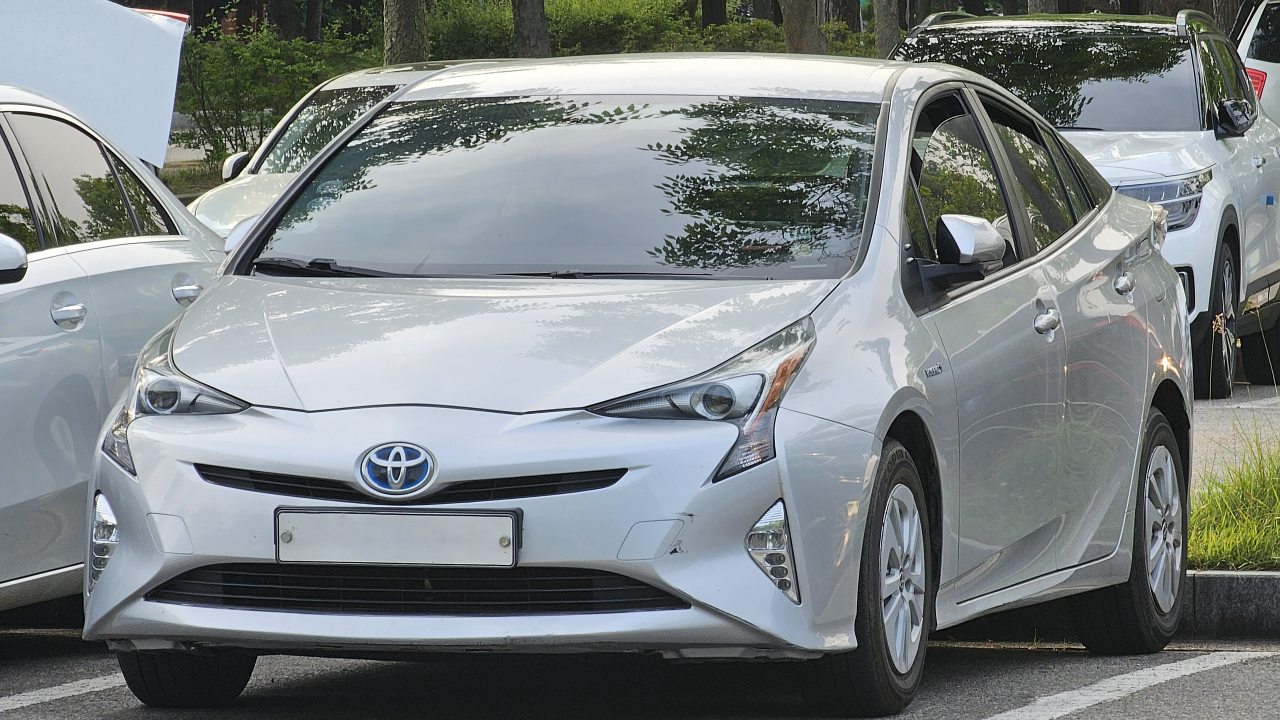
Reduced Emissions
Hybrid vehicles significantly contribute to lowering greenhouse gas emissions compared to their gasoline-only counterparts. Models such as the 2025 Toyota Prius use a combination of an internal combustion engine and an electric motor, which allows for reduced fuel consumption and lower emissions. This is crucial in urban areas, where air quality is often compromised by high vehicle density.
Hybrids are particularly effective in stop-and-go traffic, a common scenario in cities. The ability to switch to electric mode during idling or low-speed driving reduces emissions further. This transition not only benefits the environment but also aligns with urban sustainability goals aimed at minimizing the carbon footprint of city transportation.
Air Quality Improvement
By reducing emissions, hybrid vehicles also play a role in improving urban air quality. Cities like Los Angeles and New York have long struggled with smog and pollution, exacerbated by traffic congestion. The adoption of hybrids helps mitigate these issues, contributing to healthier living conditions.
Incorporating hybrids into city fleets, such as public transportation and rideshare services, can amplify these benefits. The reduction in pollutants not only supports public health initiatives but also aids cities in meeting increasingly stringent environmental regulations.
Economic Considerations
Fuel Efficiency
One of the primary economic advantages of hybrid vehicles is their impressive fuel efficiency. For instance, the 2025 Honda Accord Hybrid offers up to 48 miles per gallon in city driving, a significant improvement over traditional vehicles. This efficiency translates into substantial cost savings for city drivers who often face higher fuel prices.
The financial benefits extend beyond fuel savings. Many governments offer incentives for hybrid buyers, such as tax breaks and rebates. In the United States, federal tax credits can reduce the purchase price of some hybrids by up to $3,000, making them a financially appealing choice for budget-conscious consumers.
Maintenance Costs
While hybrids can initially appear more expensive, their long-term maintenance costs may be lower than traditional vehicles. The regenerative braking systems in hybrids, such as those found in the 2025 Ford Escape Hybrid, reduce brake wear, extending the life of this component. Additionally, hybrids benefit from less frequent oil changes due to the reduced strain on their engines.
However, potential buyers should consider battery replacement costs, which can be significant. Despite this, many manufacturers offer extended warranties on hybrid components, providing additional peace of mind. By weighing these factors, city drivers can make informed decisions about the cost-effectiveness of switching to a hybrid.




Leave a Reply