

As families seek more sustainable and cost-effective transportation options, hybrid vehicles emerge as a compelling choice. The practicality of hybrids for families is determined by factors like cost, convenience, and environmental impact. Understanding these aspects can help families decide if hybrids are a suitable fit for their needs.
Understanding Hybrids
Definition and Types
Hybrid vehicles combine an internal combustion engine with an electric motor to improve fuel efficiency and reduce emissions. There are several types of hybrids available, including full hybrids like the Toyota Prius, which can run on electric power alone for short distances, and plug-in hybrids such as the Ford Escape Plug-In Hybrid, which offer larger batteries for longer electric-only range. These systems typically use regenerative braking to charge the battery, optimizing energy use during driving.
Environmental Benefits
Hybrids are designed to reduce emissions significantly compared to conventional gasoline-powered vehicles. By utilizing electric power, they emit less CO2, which is a major contributor to climate change. For environmentally conscious families, the long-term benefits include reduced greenhouse gas emissions, which can contribute to a healthier planet for future generations.
Cost Considerations
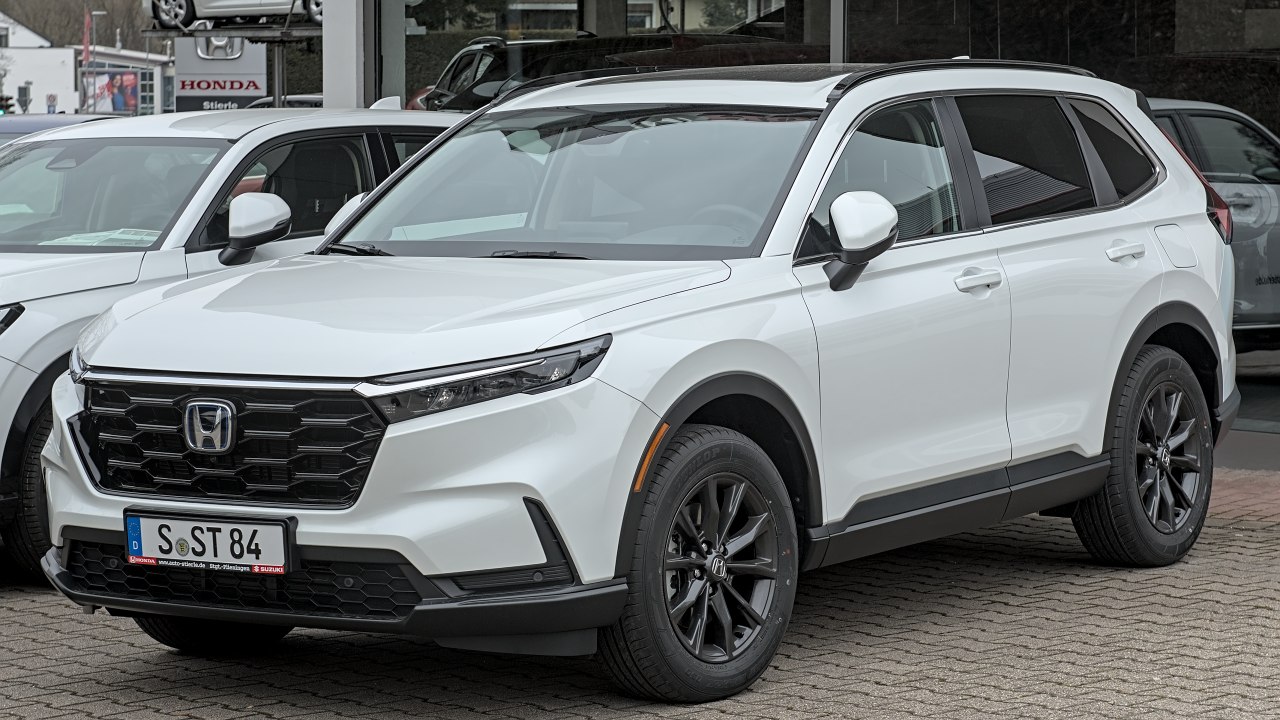
Initial Investment vs. Long-Term Savings
The initial purchase price of a hybrid vehicle can be higher than that of a traditional vehicle. For example, the 2025 Honda CR-V Hybrid might cost more upfront than its gasoline counterpart. However, government incentives such as tax credits can offset this cost, making hybrids more affordable. Over time, the fuel efficiency of hybrids leads to savings on fuel costs, which can be significant for families with long commutes or frequent road trips.
Maintenance and Repair Costs
While hybrids are generally reliable, maintenance costs can vary. Routine maintenance for hybrids is similar to that of conventional vehicles, though they may require additional services related to their electric components. The good news is that the electric motor and regenerative braking system often result in less wear and tear on the engine and brakes, potentially extending the lifespan of the vehicle. Brands like Toyota have built a reputation for hybrid reliability, further enhancing their appeal to families.
Practicality in Daily Use
Space and Comfort
Hybrid models like the 2025 Toyota RAV4 Hybrid offer ample interior space, making them suitable for families. These vehicles typically provide a comfortable seating arrangement and sufficient cargo capacity for daily errands or weekend getaways. Many hybrids also come with family-friendly features such as advanced infotainment systems and climate control, ensuring a comfortable ride for all passengers.
Performance and Range
Hybrids offer commendable performance for everyday driving, though their electric range can vary. For long road trips, models like the 2025 Hyundai Santa Fe Plug-In Hybrid provide a balance of electric and gasoline power, ensuring families can travel without frequent stops. The growing availability of charging infrastructure also enhances the usability of hybrids, allowing families to recharge easily on the go.





Leave a Reply