
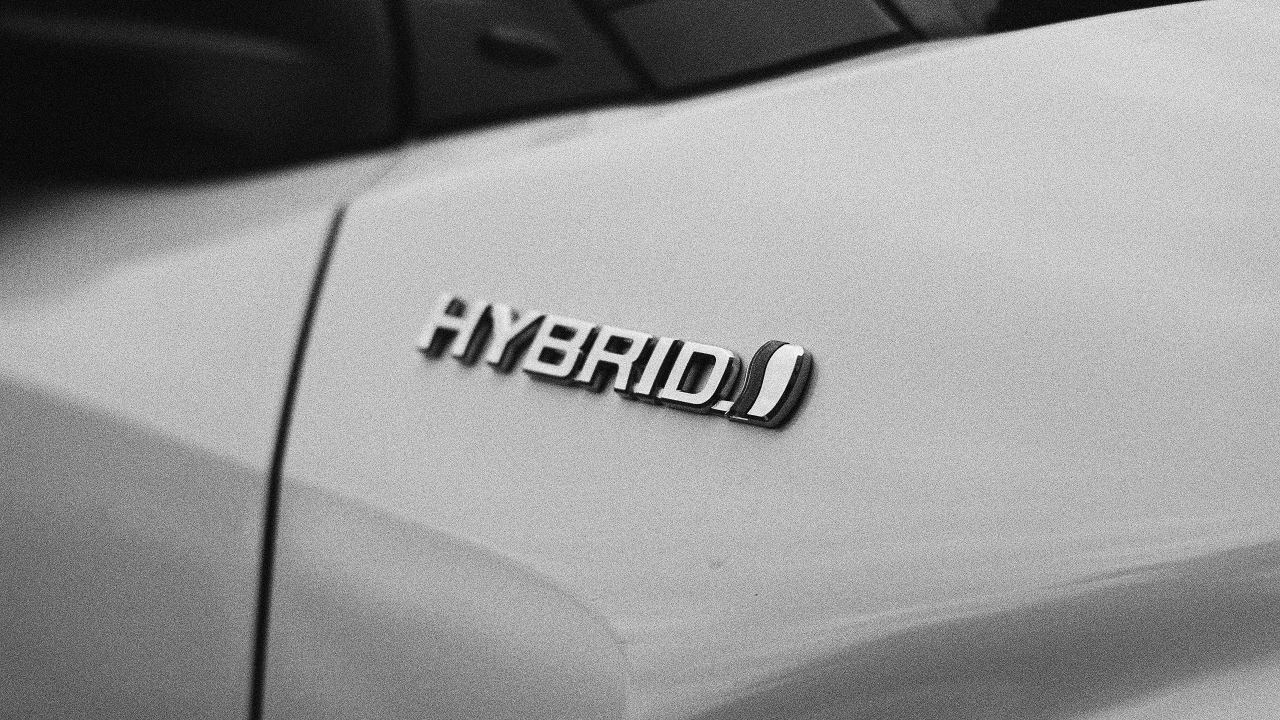
With the growing emphasis on reducing carbon footprints and increasing fuel efficiency, the automotive industry has seen a significant shift towards hybrid and plug-in hybrid vehicles. These eco-friendly options offer distinct benefits and potential drawbacks that can make choosing between them challenging. Exploring the key differences, advantages, and considerations can help you decide whether a hybrid or plug-in hybrid vehicle is right for you.
Understanding the Basics
Hybrids and plug-in hybrids both utilize a combination of an internal combustion engine and an electric motor, but they differ significantly in how they operate. A traditional hybrid, such as the Toyota Prius, uses its gasoline engine in conjunction with an electric motor to improve fuel efficiency. The electric motor is charged through regenerative braking and the engine itself, meaning it doesn’t require plugging into an external power source.
On the other hand, plug-in hybrids, like the 2025 Ford Escape PHEV, have larger batteries that can be charged by connecting to an external electric power source. This allows them to run solely on electric power for a certain range before switching to the gasoline engine. With the increasing popularity of electric vehicles, plug-in hybrids offer a middle ground for those not yet ready to fully commit to an electric vehicle.
The market for both vehicle types is expanding, with hybrids maintaining a steady presence and plug-in hybrids gaining traction. According to recent data, plug-in hybrids accounted for about 20% of new hybrid vehicle sales in 2025, driven by advancements in battery technology and a growing charging infrastructure.
Cost Considerations
When considering the initial purchase price, hybrids generally have a lower upfront cost compared to plug-in hybrids. For instance, the 2025 Honda CR-V Hybrid starts at around $33,000, whereas the 2025 Mitsubishi Outlander PHEV starts closer to $40,000. Financing options are available for both, but the higher price of plug-in hybrids can be offset by federal tax credits and state incentives, potentially reducing the cost gap.
In terms of long-term savings, plug-in hybrids often offer greater fuel savings due to their ability to run on electric power alone for short commutes. Maintenance costs for both hybrids and plug-in hybrids are generally lower than those for conventional vehicles, thanks to reduced wear on the engine and brakes. Additionally, tax credits for plug-in hybrids can significantly impact overall savings.
The resale value of hybrids and plug-in hybrids varies based on several factors, including technological advancements and market demand. Historically, hybrids like the Toyota Prius have held their value well, while plug-in hybrids are expected to follow suit as the market becomes more favorable toward electrified vehicles.
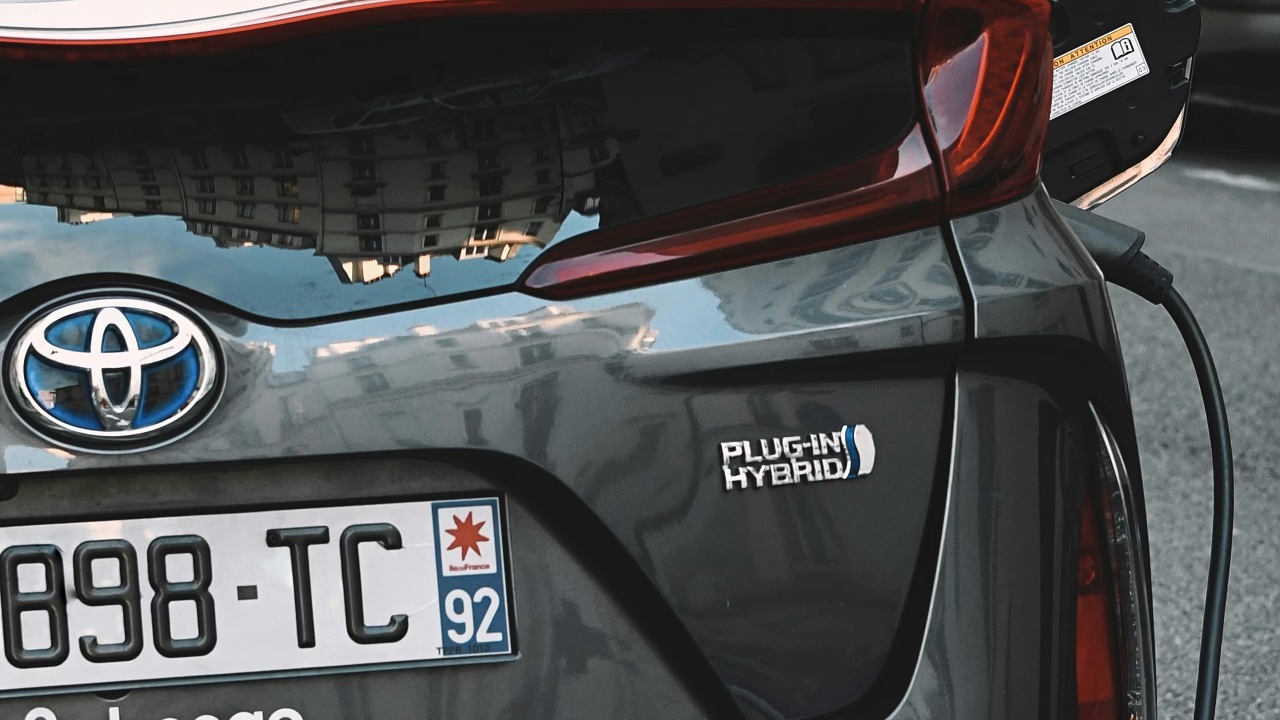
Lifestyle and Driving Habits
Your daily commute and driving habits play a crucial role in determining the right type of vehicle. For instance, if your daily drive is relatively short and you have access to charging stations at home or work, a plug-in hybrid could offer significant cost savings and environmental benefits. The 2025 Hyundai Ioniq PHEV, for example, offers an electric-only range of about 29 miles, which can cover many daily commutes without using gasoline.
Access to charging infrastructure is another vital consideration. While urban areas typically have better charging station availability, rural areas might pose challenges for plug-in hybrid owners. It’s essential to evaluate the convenience of charging options in your vicinity before deciding on a plug-in hybrid.
Ultimately, personal preferences and priorities, such as environmental concerns or driving performance, should guide your decision. If minimizing emissions is your main goal, a plug-in hybrid might be the better option. However, if you prioritize convenience and lower upfront costs, a traditional hybrid could be the right fit.




Leave a Reply