

With the growing focus on sustainability and reducing carbon emissions, hybrid and electric vehicles (EVs) have emerged as popular alternatives to traditional gasoline-powered cars. While both offer environmental benefits, they come with distinct differences that potential buyers should consider. Let’s explore how hybrids compare to EVs in various aspects.
Environmental Impact
When comparing the greenhouse gas emissions of hybrids and EVs over their lifecycle, it’s essential to consider production, operation, and disposal. Hybrids, like the 2025 Toyota Prius, typically produce fewer emissions than conventional vehicles during operation. However, they still rely on gasoline, resulting in emissions. In contrast, EVs, such as the 2025 Tesla Model 3, generate zero direct emissions during operation. According to a study by the International Council on Clean Transportation (ICCT) in 2025, EVs have a 50% lower carbon footprint than hybrids when considering their entire lifecycle.
The energy source is another critical factor. Hybrids rely on fossil fuels, which contribute to greenhouse gas emissions. On the other hand, EVs can utilize renewable energy sources, such as solar or wind power, for charging. This potential for cleaner energy use gives EVs an edge in reducing environmental impact. However, the environmental benefits of EVs depend on the electricity grid’s energy mix in a given region.
Cost Considerations
The initial purchase price of hybrids and EVs can vary significantly. As of 2025, hybrids like the Honda Accord Hybrid tend to be more affordable than many EVs, with prices starting around $30,000. EVs, such as the Ford Mustang Mach-E, often have higher upfront costs, although government incentives can help offset this. For instance, federal tax credits for EVs can still be substantial, reducing the price difference.
Maintenance costs also differ between hybrids and EVs. Hybrids, with internal combustion engines, may require more frequent maintenance than EVs, which have fewer moving parts. EVs generally offer lower long-term maintenance costs, as they don’t require oil changes or have exhaust systems. Battery life is a consideration for both vehicle types, but advancements in battery technology have increased longevity and reliability.
Performance and Driving Experience
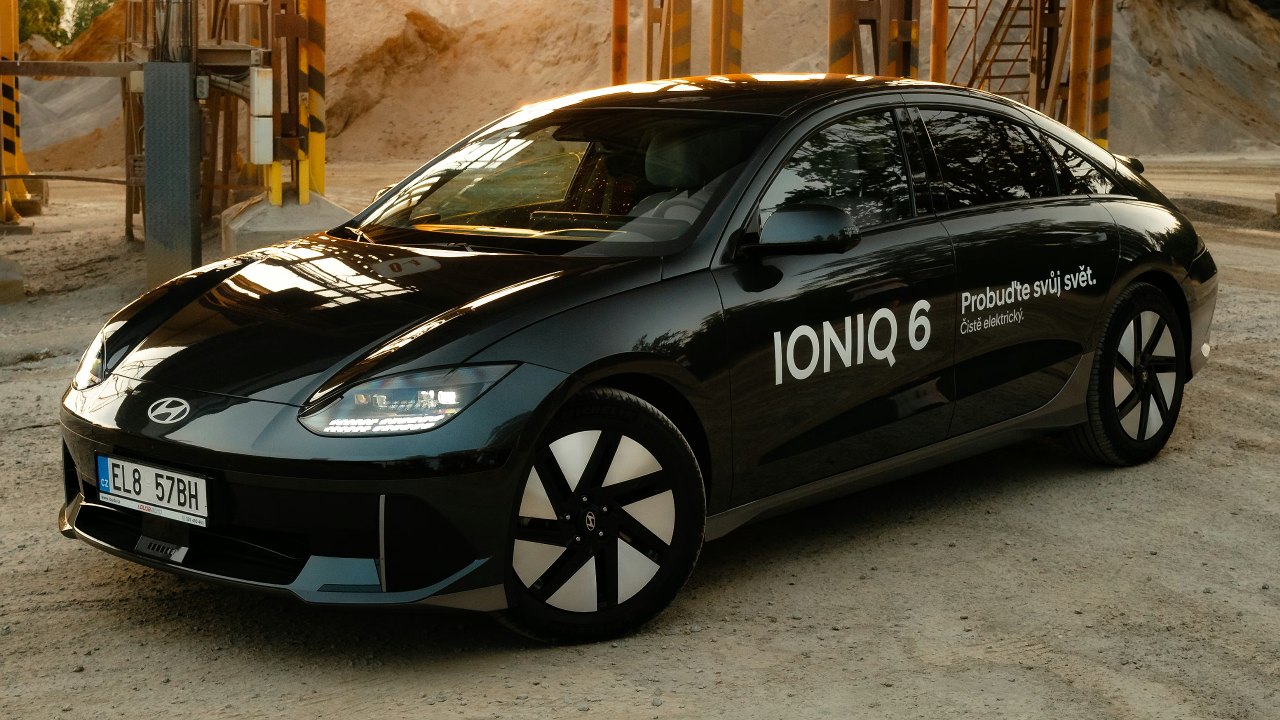
When it comes to range and refueling, hybrids like the 2025 Hyundai Ioniq offer the convenience of traditional refueling, providing a driving range comparable to gasoline vehicles. Meanwhile, EVs have made significant strides, with models like the Lucid Air offering over 500 miles on a single charge. However, charging infrastructure is still expanding, and charging times are longer than refueling a hybrid.
In terms of driving dynamics, hybrids and EVs offer distinct experiences. Hybrids deliver a balance of electric and gasoline power, which can result in smooth acceleration. EVs, with their instant torque, often provide a more exhilarating driving experience. Additionally, EVs are known for their quieter operation, contributing to a more comfortable cabin environment. Features like regenerative braking in both vehicle types enhance efficiency and driving engagement.




Leave a Reply