

With the rise in environmental awareness and fluctuating fuel prices, hybrid vehicles have become an attractive option for many consumers. However, as these cars age, questions regarding their long-term reliability become increasingly pertinent. As hybrid vehicles become more prevalent, understanding their durability over time is essential for consumers considering this eco-friendly choice.
Understanding Hybrid Technology
Hybrid vehicles ingeniously combine internal combustion engines with electric motors to enhance fuel efficiency and reduce emissions. In a typical hybrid system, the electric motor assists the gasoline engine during acceleration and other high-demand situations, resulting in less fuel consumption. Regenerative braking is another key feature, allowing the vehicle to recover and store energy that would otherwise be lost during braking.
There are several types of hybrid configurations, each impacting long-term reliability differently. Mild hybrids, such as the 2023 Honda Accord Hybrid, use small electric motors primarily to assist the engine, whereas full hybrids like the 2025 Toyota Prius can run on electric power alone for short distances. Plug-in hybrids, such as the 2025 Ford Escape PHEV, offer larger batteries and longer electric-only ranges, but the complexity of these systems can affect their longevity.
Key components in hybrids include the battery, electric motor, and regenerative braking system. The battery’s health is crucial, as it stores the energy needed for electric propulsion. Electric motors, typically more durable than combustion engines, play a pivotal role in overall reliability. Regenerative braking systems, by reducing wear on traditional brakes, can also contribute to a hybrid’s long-lasting performance.
Factors Affecting Long-Term Reliability
The lifespan and degradation of hybrid batteries significantly influence a vehicle’s reliability. Typically, hybrid batteries last between 8 to 10 years, with some, like those in the Toyota Prius, reported to exceed 150,000 miles before needing replacement. Factors such as climate, driving habits, and maintenance play a role in battery longevity. Recent advancements in battery technology, such as solid-state batteries, promise to enhance lifespan and performance by 2025.
Maintenance and repair costs for hybrids tend to differ from traditional vehicles. While hybrids generally require less frequent maintenance due to the reduced load on the gasoline engine, repairs can be costlier. Hybrid-specific components, such as the battery and electric drive systems, can be expensive to fix or replace. However, many automakers offer extended warranties on hybrid components, providing some peace of mind to consumers.
The reputation and warranty offerings of manufacturers also impact consumer confidence in hybrids. Brands like Toyota and Honda have established strong reliability records in the hybrid market. Warranty offerings, often covering hybrid components for up to 100,000 miles, can alleviate concerns about long-term reliability and support the hybrid’s appeal to prospective buyers.
Comparing Hybrids to Traditional Vehicles
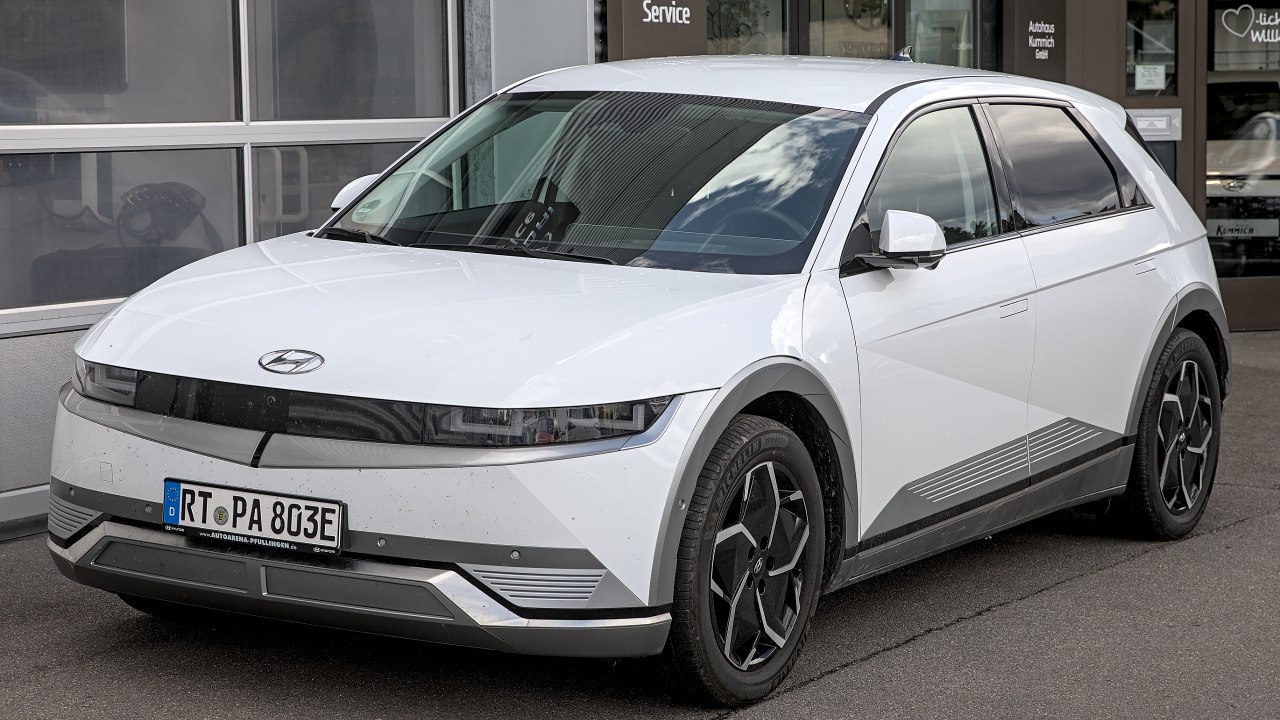
When evaluating hybrids against traditional gasoline-powered cars, a key consideration is the trade-off between fuel efficiency and longevity. Hybrids like the 2025 Hyundai Ioniq offer significant fuel savings, which can offset higher initial costs over time. However, the longevity of hybrids can vary, with some models proving to be as durable as their conventional counterparts.
Resale value is another factor where hybrids have shown mixed results. While models like the Toyota Prius tend to retain value well, others may depreciate more quickly. The long-term reliability of a hybrid vehicle, along with evolving consumer preferences towards electric vehicles, influences resale value. As hybrid technology continues to improve, it’s likely that resale values will stabilize.
Consumer reports and reliability ratings provide valuable insights into the longevity of hybrids compared to traditional vehicles. Recent studies indicate that hybrids often rank highly in reliability, with brands like Lexus and Toyota consistently receiving top marks. These ratings are crucial for consumers looking to make informed decisions about their next vehicle purchase.




Leave a Reply