
Hybrid SUVs are becoming increasingly popular as consumers seek more fuel-efficient and environmentally friendly vehicles. However, the higher upfront costs of these vehicles often leave potential buyers questioning whether they are truly worth the investment. The following sections delve into the various factors that contribute to the overall value of hybrid SUVs.
Cost Analysis of Hybrid SUVs
Initial Purchase Price
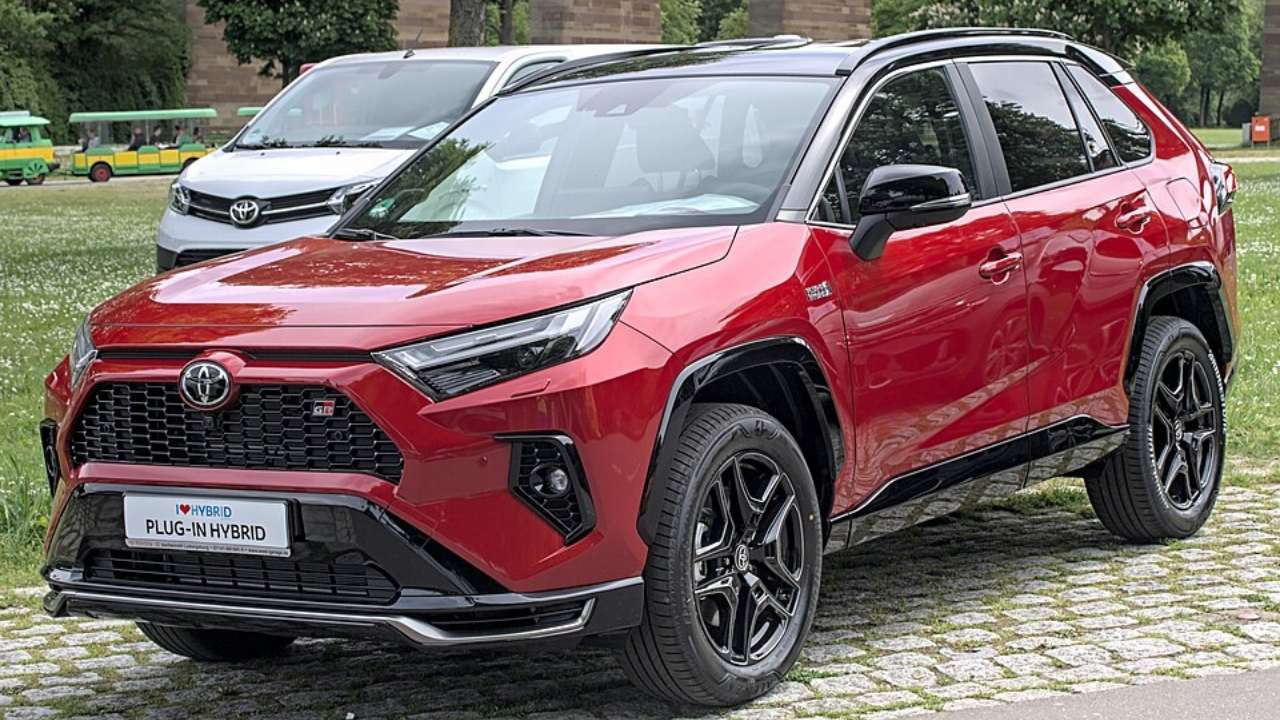
When considering the initial purchase price, hybrid SUVs generally command a premium compared to their traditional gasoline counterparts. For instance, the 2025 Toyota RAV4 Hybrid starts at approximately $31,000, whereas its gasoline-only version begins at around $28,000. This price difference can be attributed to the advanced technology and dual powertrains that hybrids incorporate.
Despite the higher upfront cost, many consumers find the investment worthwhile due to long-term savings and environmental benefits. Additionally, some models, like the 2025 Ford Escape Hybrid, offer competitive pricing, narrowing the gap between hybrid and conventional models.
Long-term Fuel Savings
One of the most compelling reasons to consider a hybrid SUV is the potential for significant fuel savings over its lifespan. Hybrid SUVs typically offer better fuel economy; for example, the 2025 Honda CR-V Hybrid boasts an impressive 40 miles per gallon combined, compared to the 30 miles per gallon of its gasoline equivalent. Over time, these savings can add up, particularly for those with long commutes or who frequently drive in urban areas.
Based on current fuel prices, a driver traveling 15,000 miles annually could save approximately $500 to $800 per year on fuel with a hybrid SUV. Over a typical ownership period of 8 to 10 years, these savings can effectively offset the initial price premium.
Environmental Impact and Benefits
Reduced Carbon Emissions
Hybrid SUVs offer significant environmental advantages by reducing carbon emissions. According to the Environmental Protection Agency (EPA), hybrid vehicles emit about 20% to 30% less CO2 than their gasoline counterparts. This reduction is crucial in the fight against climate change and aligns with global efforts to curb greenhouse gas emissions.
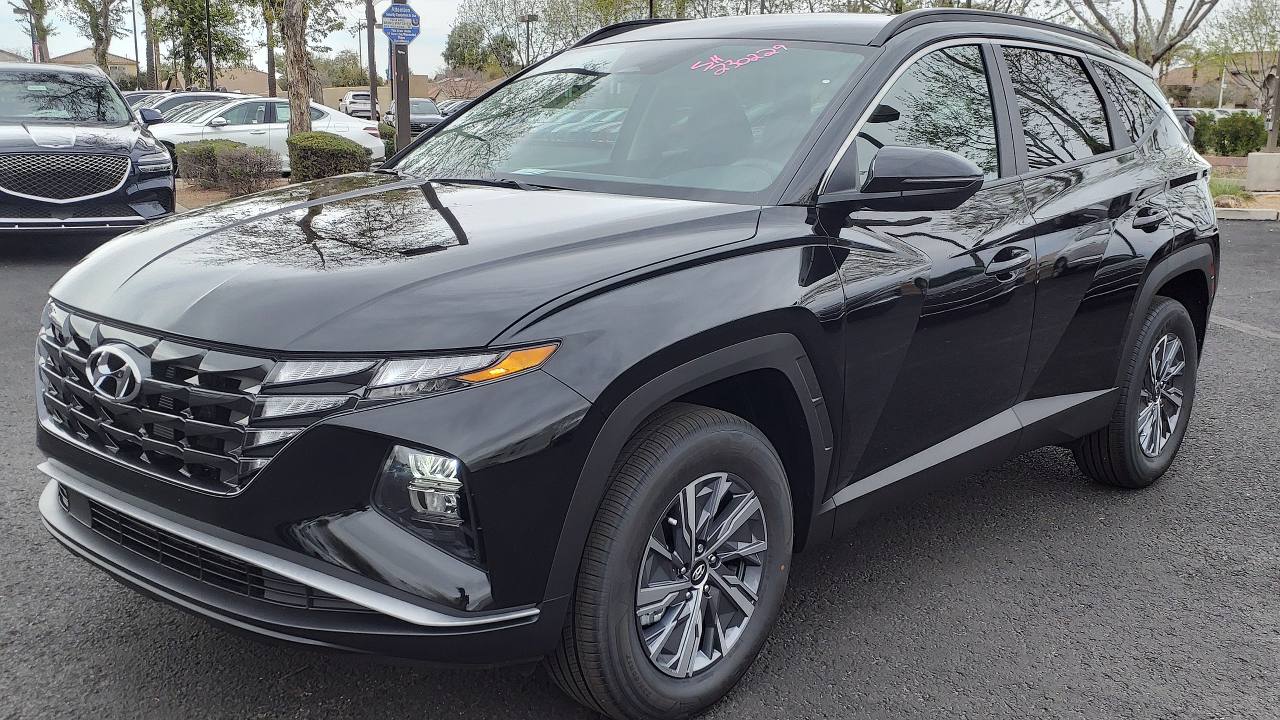
Moreover, models like the 2025 Hyundai Tucson Hybrid incorporate regenerative braking and other energy-efficient technologies, further minimizing their carbon footprint and enhancing their overall environmental appeal.
Government Incentives
To encourage the adoption of environmentally friendly vehicles, many governments offer incentives for purchasing hybrid SUVs. In the United States, federal tax credits of up to $7,500 are available for qualifying hybrid models. Additionally, some states provide rebates or reduced registration fees, further lowering the effective purchase price.
These incentives can vary widely depending on location and the specific model purchased. For example, the 2025 Kia Sorento Hybrid may qualify for state-specific incentives that can significantly reduce the financial burden on the buyer.
Performance and Driving Experience
Power and Efficiency
Modern hybrid SUVs are designed to deliver a balanced blend of power and efficiency. The 2025 Lexus RX 450h, for example, offers a combined output of 308 horsepower, providing a robust driving experience while maintaining fuel efficiency. This performance is achieved through the seamless integration of electric motors with conventional engines.
Furthermore, advancements in hybrid technology have mitigated concerns about sluggish acceleration and limited power, ensuring that drivers do not have to compromise on performance for the sake of efficiency.
Driving Range and Refueling
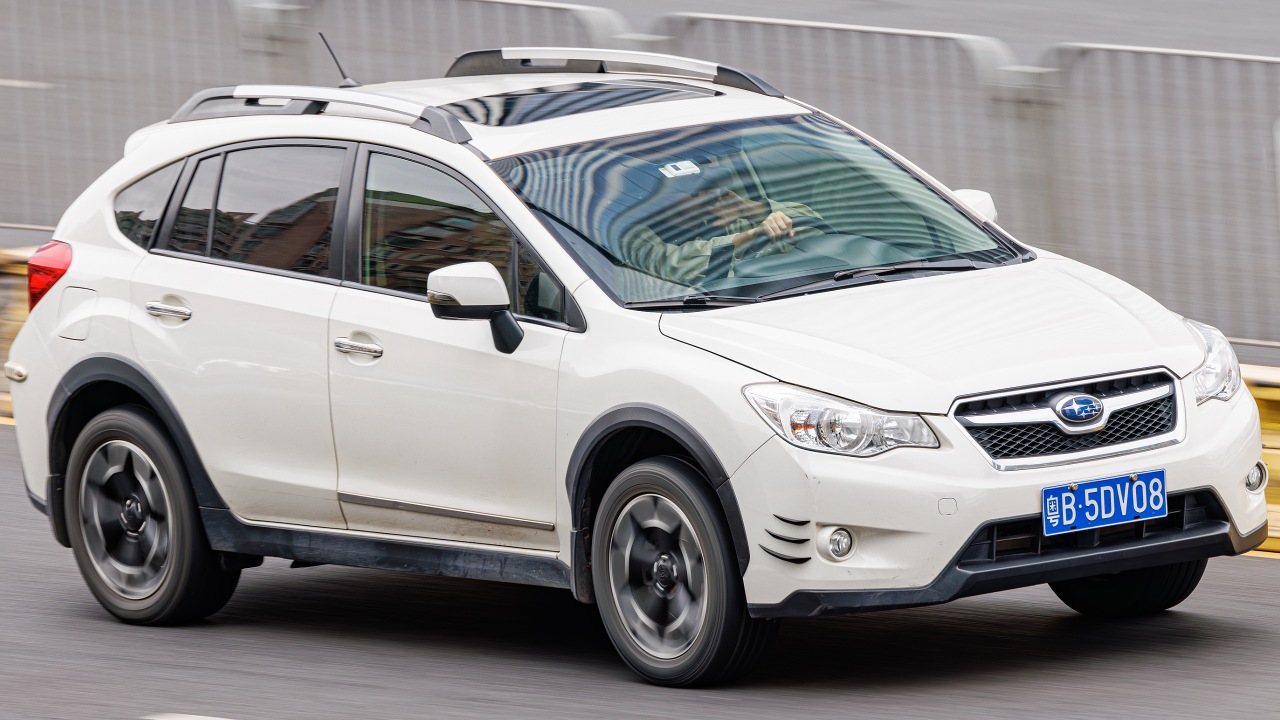
Hybrid SUVs generally offer a longer driving range compared to traditional gasoline vehicles, thanks to their dual power sources. The 2025 Subaru Crosstrek Hybrid, for instance, can travel over 500 miles on a full tank and a fully charged battery, reducing the frequency of refueling stops.
While hybrid drivers still rely on gasoline, the increased efficiency and regenerative braking systems help extend the time between fill-ups, adding convenience for long-distance travelers or daily commuters.




Leave a Reply