
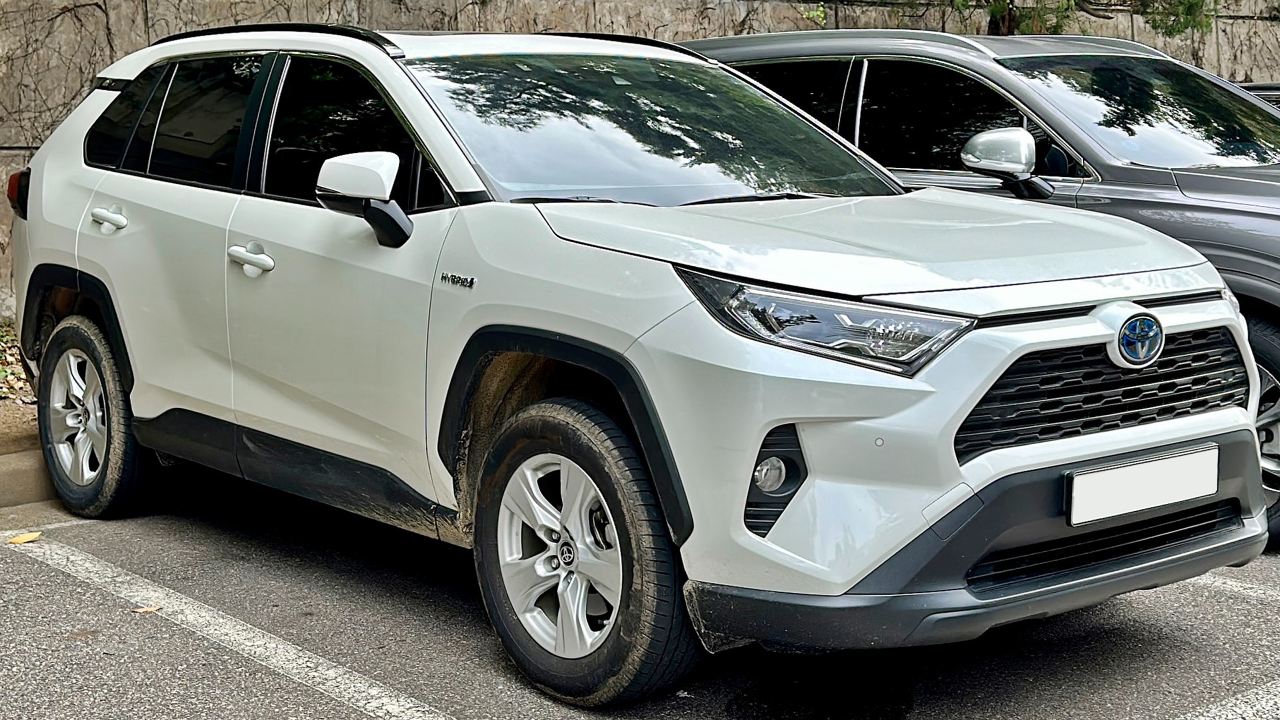
With the rise of environmentally conscious driving, both hybrid vehicles and electric vehicles (EVs) have become popular alternatives to traditional gasoline-powered cars. As drivers seek to make more informed choices about their transportation options, understanding the cost implications of owning a hybrid versus an EV is crucial. Various factors, including purchase price, fuel costs, maintenance, depreciation, and environmental impact, play a significant role in determining which option might be more economical over the long term.
Initial Purchase Costs
Price Comparison
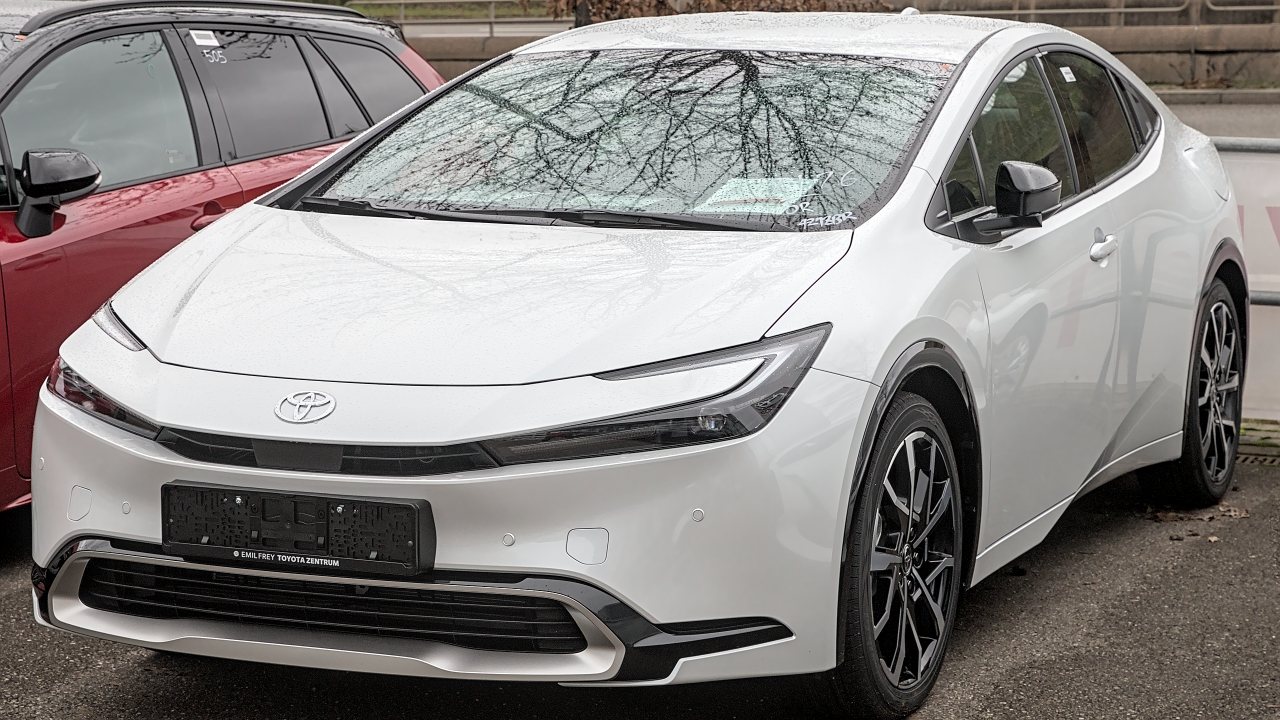
The initial purchase cost is often a significant consideration for prospective car buyers. For instance, the 2023 Toyota Prius, a popular hybrid model, starts at around $25,000. In contrast, the 2023 Tesla Model 3, a well-known electric vehicle, has a starting price of approximately $35,000. This price difference can be mitigated by various federal and state incentives and rebates available for both vehicle types. In the United States, EV purchasers may qualify for a federal tax credit of up to $7,500, which can substantially reduce the upfront cost. Some states also offer additional rebates for hybrids, making them more competitive in terms of initial cost.
Financing Options
When it comes to financing, potential buyers of both hybrids and EVs have several options, including loans and leases. Interest rates for these vehicles can vary based on manufacturer promotions and financial institution policies. For example, Ford often offers promotional financing rates for their 2023 Ford Escape Hybrid, which can make monthly payments more manageable. Conversely, EV manufacturers like Tesla frequently offer competitive lease deals on models like the 2023 Model S. While financing terms can be similar, EVs may sometimes benefit from lower interest rates due to manufacturers’ desire to promote electric mobility.
Fuel and Energy Costs
Fuel Efficiency and Costs for Hybrids
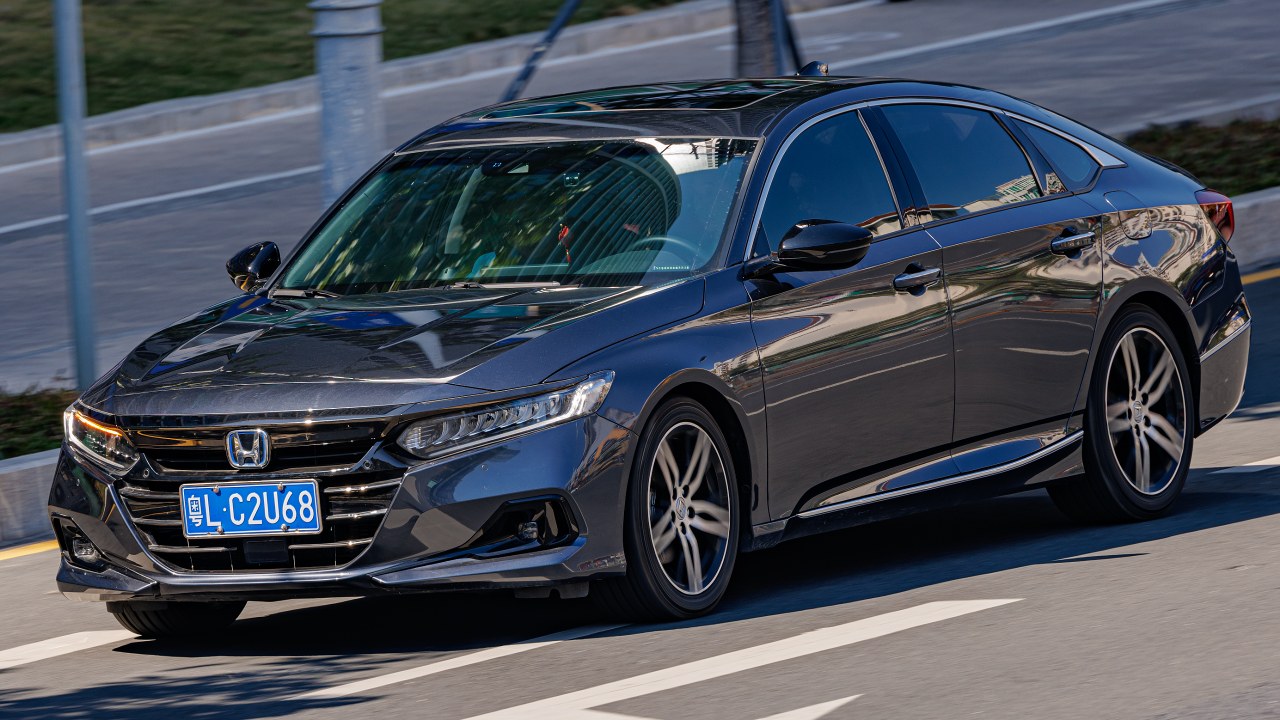
Fuel efficiency is a crucial factor in determining the cost of owning a hybrid. The 2022 Honda Accord Hybrid, for example, boasts an impressive fuel economy of around 48 miles per gallon (mpg) combined. This high efficiency can lead to significant savings, especially when gasoline prices fluctuate. However, hybrid owners must remain mindful of these price changes, as a sudden spike in fuel costs can impact overall savings. Despite this, hybrids generally offer a more stable cost structure concerning fuel compared to traditional gasoline vehicles.
Electricity Costs for EVs
Electric vehicles, on the other hand, rely on electricity for fuel, which can lead to significantly lower costs per mile. The 2023 Chevrolet Bolt EV, for instance, costs about 3 to 4 cents per mile to operate, based on average electricity rates in the United States. However, these costs can vary depending on local electricity rates and the availability of home charging stations. Installing a home charging station might represent an initial investment but can provide long-term savings through lower charging costs compared to public charging stations. Additionally, many utility companies offer special rates for EV owners, further reducing energy costs.
Maintenance and Repair Costs
Routine Maintenance
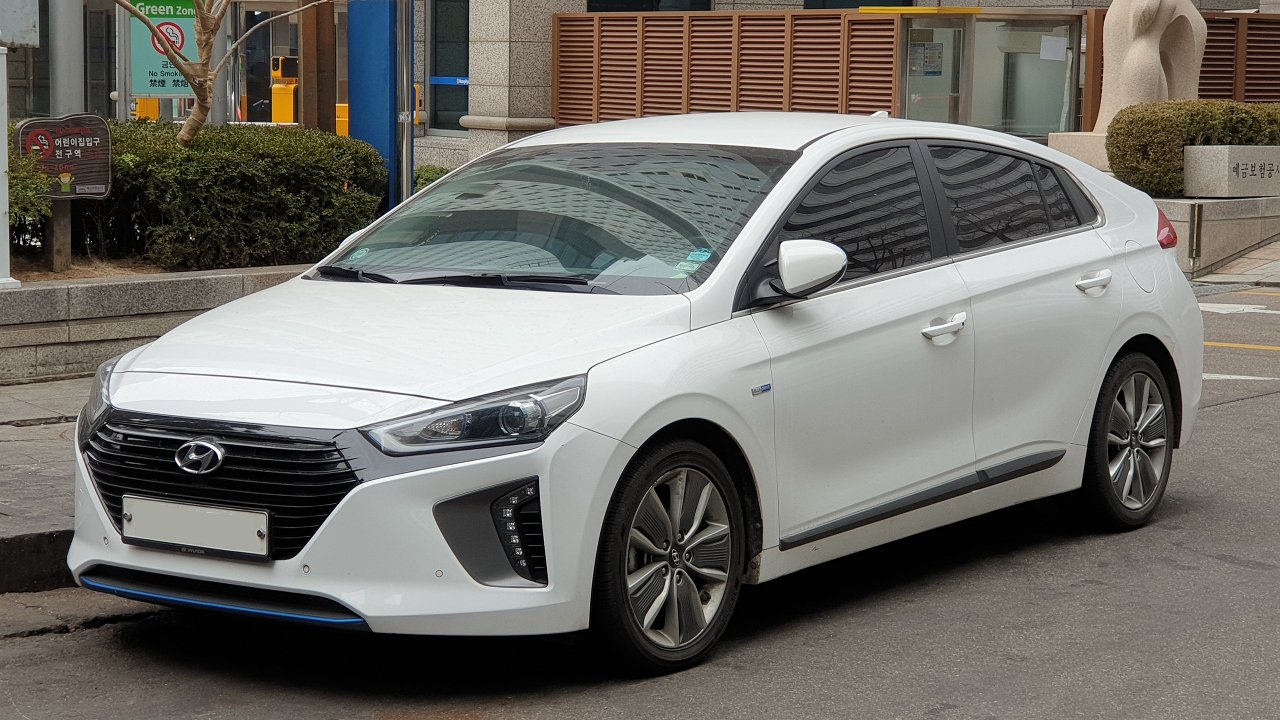
Routine maintenance is another area where hybrids and EVs differ significantly. Take the 2023 Hyundai Ioniq Hybrid, for example, which requires regular oil changes, filter replacements, and other maintenance typical of internal combustion engines. In contrast, EVs like the 2023 Nissan Leaf require minimal routine maintenance, primarily focusing on tire rotations and brake checks, as they lack complex engine systems. Warranty coverage also varies, with many EVs offering extensive battery warranties that cover potential issues for up to eight years or 100,000 miles, providing peace of mind for new buyers.
Long-term Durability and Repair Costs
Long-term durability and repair costs are crucial considerations for vehicle owners. Hybrids often benefit from the extensive experience manufacturers have with internal combustion engines, as seen with the 2022 Ford Fusion Hybrid, known for its reliability. EVs, however, have fewer moving parts, potentially reducing the likelihood of mechanical failure. Nevertheless, when repairs are needed, they can be costly, especially for high-tech components like battery systems. The availability of specialized repair services is improving, but it remains an important factor to consider when evaluating long-term ownership costs.
Depreciation and Resale Value
Depreciation Rates
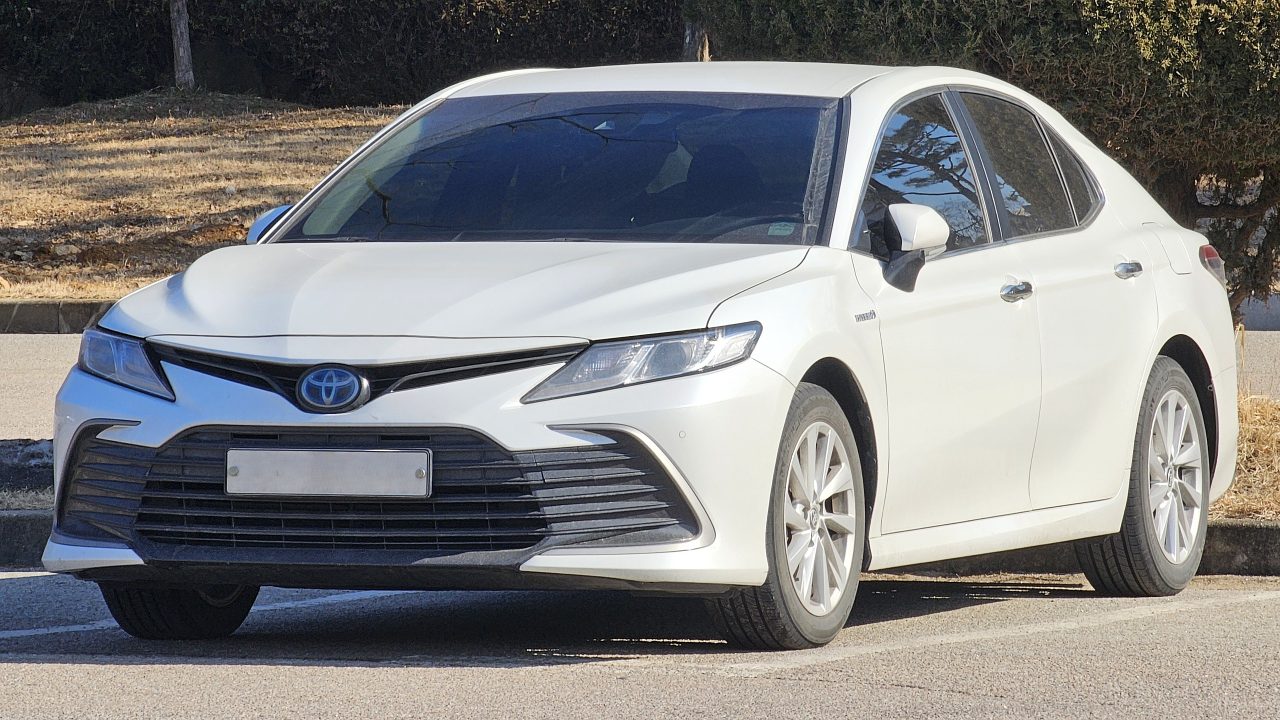
Depreciation is a significant factor in the total cost of vehicle ownership. Historically, hybrids like the 2021 Toyota Camry Hybrid have experienced slower depreciation rates compared to traditional gasoline cars. However, as EV technology advances, some models like the 2023 Tesla Model Y have shown resilience in retaining their value. Technological advancements and consumer interest in sustainable transportation can influence depreciation rates, making it essential for prospective buyers to consider future resale value alongside initial purchase costs.
Resale Market Trends
The resale market for hybrids and EVs is evolving. Hybrids have generally maintained a stable demand, with models like the 2020 Kia Niro Hybrid experiencing consistent interest in the used car market. Meanwhile, the demand for used EVs is growing, driven by increased consumer awareness and the expansion of charging infrastructure. Models like the 2022 Chevrolet Bolt EV are gaining popularity in the resale market due to their affordability and extended range, contributing to a more favorable resale environment.
Environmental and Social Considerations
Carbon Footprint
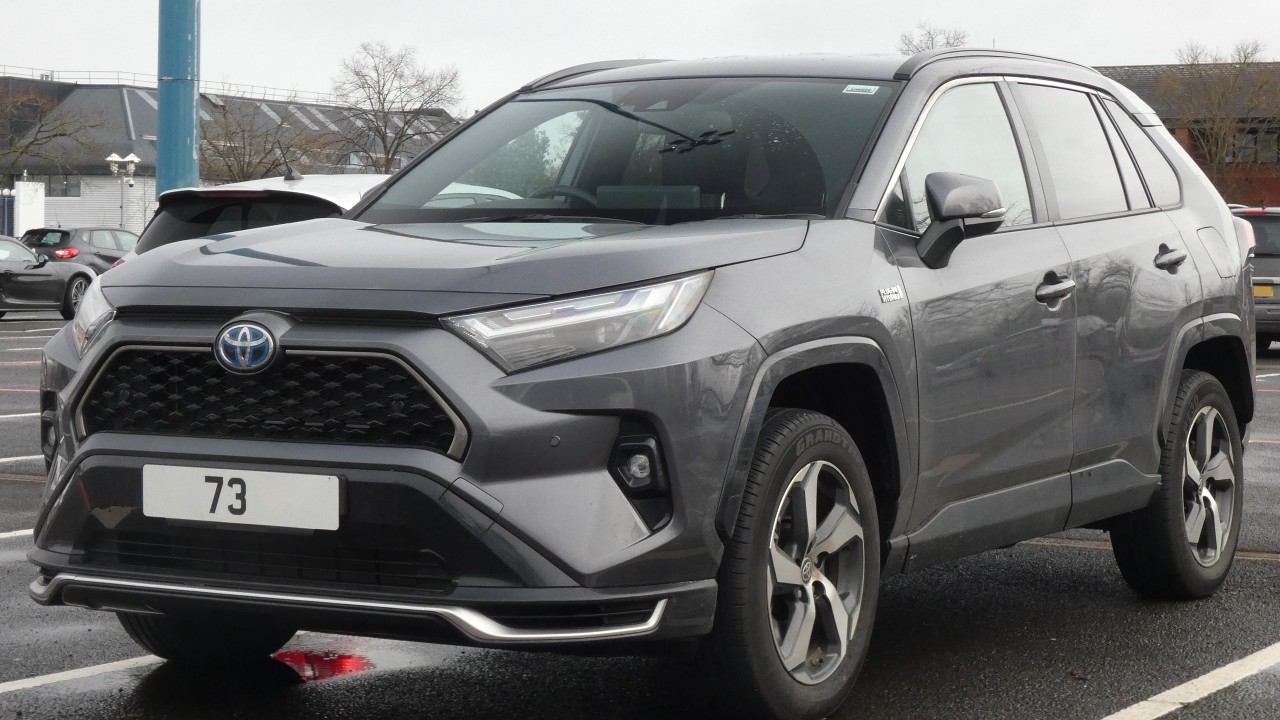
Environmental impact is a key consideration for many car buyers. Hybrids like the 2023 Toyota RAV4 Hybrid offer reduced emissions compared to traditional cars, but they still rely on gasoline. EVs, such as the 2023 Porsche Taycan, produce zero tailpipe emissions and can further reduce their carbon footprint when powered by renewable energy sources like solar or wind. As the energy grid becomes greener, the environmental benefits of EVs are expected to increase, making them an attractive option for environmentally conscious consumers.
Social Perceptions and Lifestyle Fit
Social perceptions and lifestyle compatibility play a role in vehicle choice. Hybrids, such as the 2022 Subaru Crosstrek Hybrid, are often seen as a practical compromise for those who want to reduce their environmental impact without fully committing to an all-electric vehicle. EVs like the 2023 Rivian R1T, on the other hand, appeal to consumers eager to embrace cutting-edge technology and innovation. The availability of charging infrastructure, particularly in urban areas, also influences the practicality of owning an EV, impacting lifestyle decisions and overall ownership experience.




Leave a Reply