
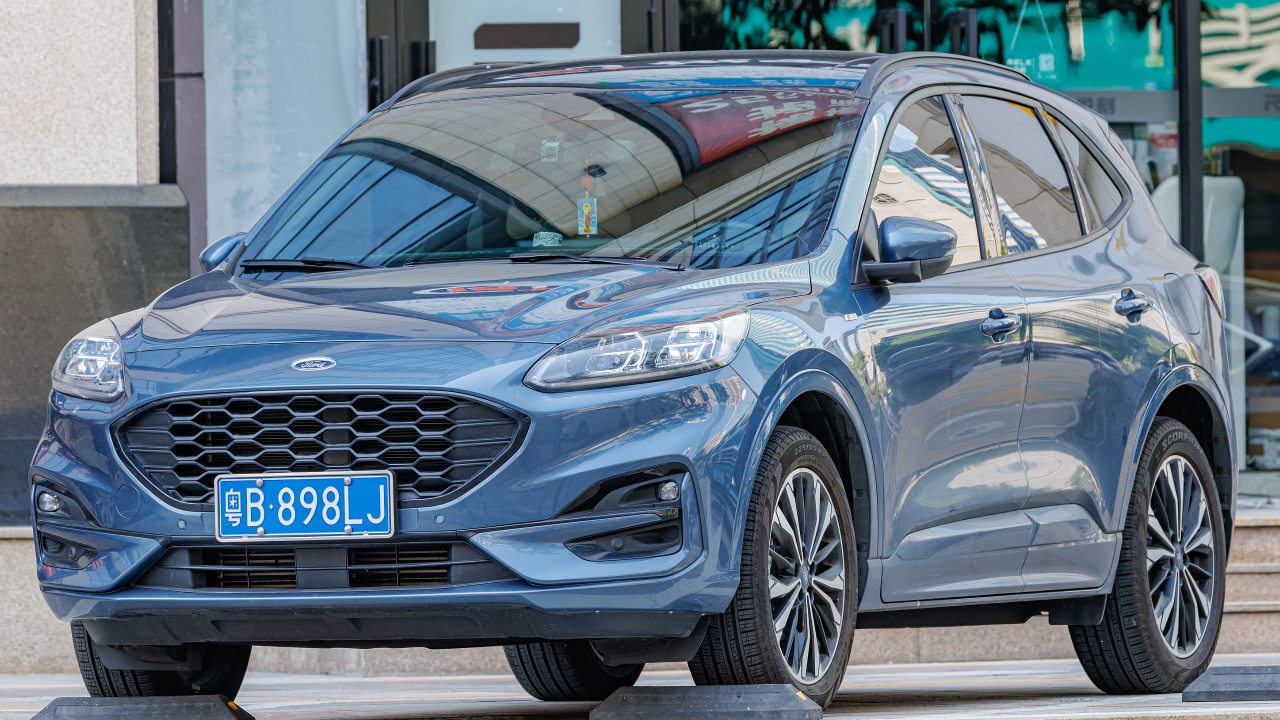
In recent years, hybrid vehicles have gained popularity as a sustainable alternative to traditional gasoline-powered cars. However, a common concern remains: do hybrids offer enough range to meet the needs of everyday drivers? Examining factors that influence their performance and comparing them to other vehicle types can shed light on this question.
Understanding Hybrid Technology
Types of Hybrids
Hybrid vehicles come in two main types: regular hybrids and plug-in hybrids. Regular hybrids, like the 2015 Toyota Prius, combine a gasoline engine with an electric motor to improve fuel efficiency without the need for external charging. In contrast, plug-in hybrids, such as the 2021 Ford Escape PHEV, feature a larger battery that can be charged via an external power source, allowing them to travel longer distances on electric power alone. The range for regular hybrids primarily depends on the fuel tank capacity, while plug-in hybrids offer an electric-only range in addition to their gasoline range.
Battery Technology
Advancements in battery technology have significantly impacted the overall range of hybrid vehicles. Newer models, like the 2023 Honda Clarity Plug-In Hybrid, are equipped with lithium-ion batteries that offer better energy density and longer lifespan compared to older nickel-metal hydride batteries. These advancements not only extend the electric range of plug-in hybrids but also improve the efficiency of regular hybrids by enabling more frequent and effective energy recuperation.
Role of Regenerative Braking
Regenerative braking plays a crucial role in extending the range of hybrid vehicles. This technology, used in models like the 2020 Hyundai Ioniq Hybrid, captures energy usually lost during braking and converts it back into electricity to recharge the vehicle’s battery. This process enhances the overall fuel efficiency and range by reducing reliance on the gasoline engine, especially in urban driving conditions where frequent stops and starts are common.
Comparing Hybrids to Electric and Gasoline Vehicles
Range Anxiety
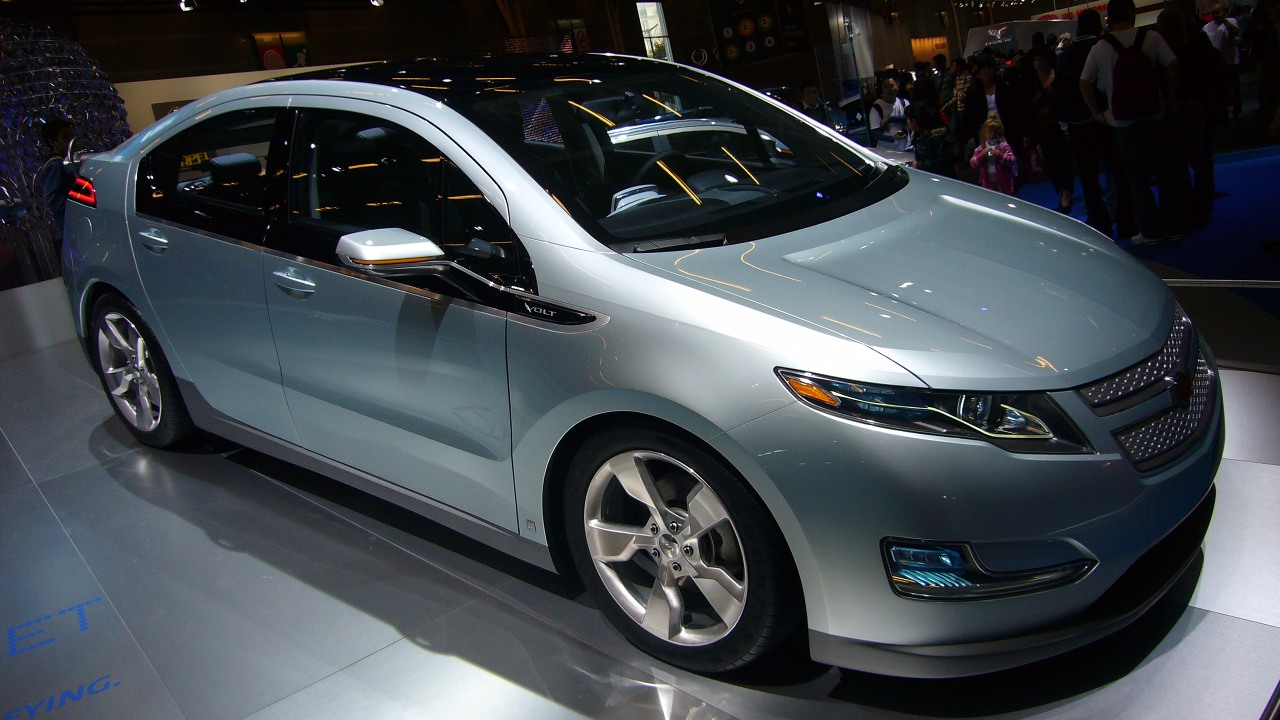
Range anxiety is a concern that primarily affects drivers of electric vehicles, where the fear of running out of battery before reaching a charging station is prevalent. However, hybrids, such as the 2019 Chevrolet Volt, mitigate this anxiety by offering a backup gasoline engine that kicks in when the battery is depleted. This feature provides a sense of security not found in fully electric vehicles, making hybrids an attractive choice for those hesitant to transition away from traditional gasoline cars.
Cost vs. Range
When analyzing the cost-effectiveness of hybrids, it’s essential to consider both the purchase price and the savings on fuel. A vehicle like the 2022 Toyota RAV4 Hybrid may have a higher upfront cost compared to its gasoline counterpart, but the improved fuel efficiency can lead to significant savings over time. Additionally, plug-in hybrids may qualify for federal and state incentives, further offsetting the initial investment.
Environmental Impact
From an environmental perspective, hybrids offer a middle ground between gasoline and electric vehicles. While they do produce emissions, the reduced fuel consumption results in a lower carbon footprint compared to traditional cars. For instance, the 2018 Kia Niro Hybrid offers impressive efficiency, reducing greenhouse gas emissions while providing the flexibility of a gasoline engine for longer trips.
Real-World Range Considerations
Driving Conditions
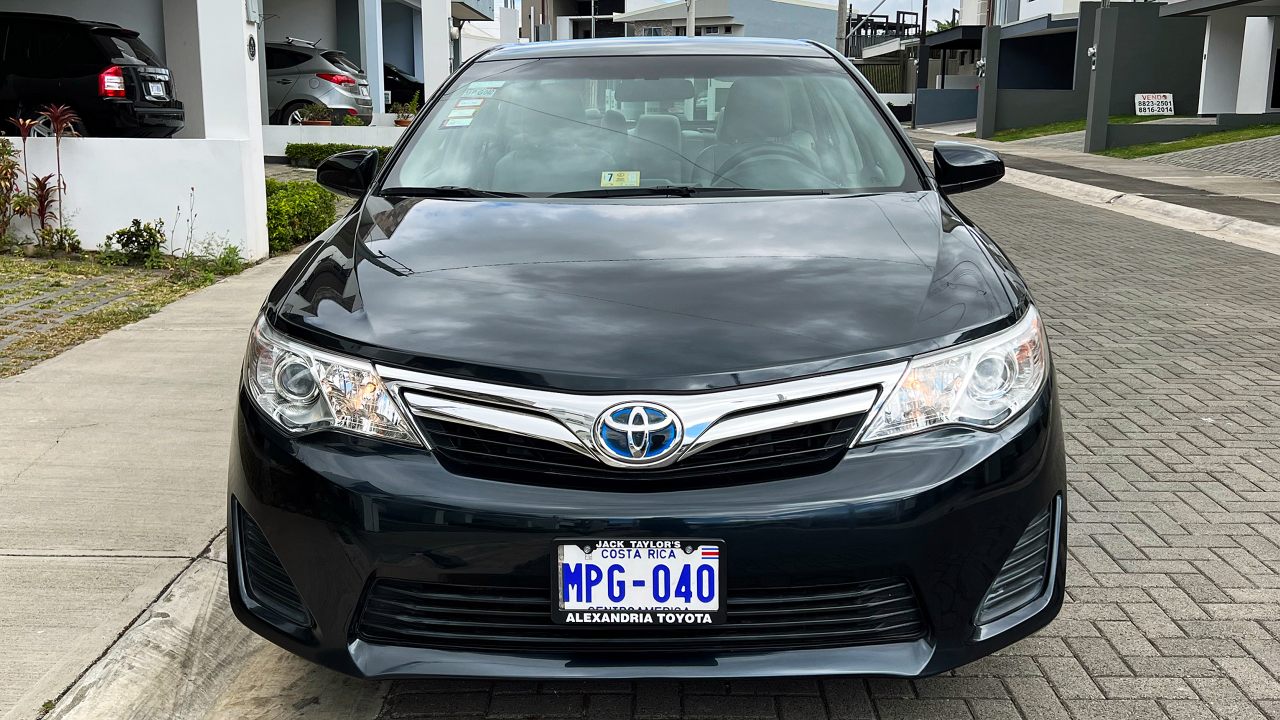
The range of hybrid vehicles can vary significantly based on driving conditions. For example, the 2021 Toyota Camry Hybrid may achieve optimal fuel efficiency in city driving due to frequent stops that allow for regenerative braking. Conversely, highway driving, with its constant speed and minimal braking, may not allow hybrids to maximize their electric range, although they still outperform traditional gasoline vehicles in terms of fuel economy.
Weather Impact
Extreme weather conditions can influence a hybrid’s range. Cold temperatures, as encountered by the 2017 Ford Fusion Hybrid, can reduce battery efficiency, leading to increased fuel consumption. Similarly, hot weather may necessitate more air conditioning use, which can also impact range. Manufacturers are actively working on technologies to mitigate these effects and maintain consistent performance across various climates.
Load and Usage
Carrying heavy loads or frequent use of features like air conditioning can impact the range of hybrid vehicles. For instance, the 2020 Chrysler Pacifica Hybrid, when loaded with passengers and cargo, may see a decrease in electric range. Drivers can optimize performance by minimizing unnecessary weight and using eco-friendly settings whenever possible.
Maximizing Hybrid Range
Driving Habits
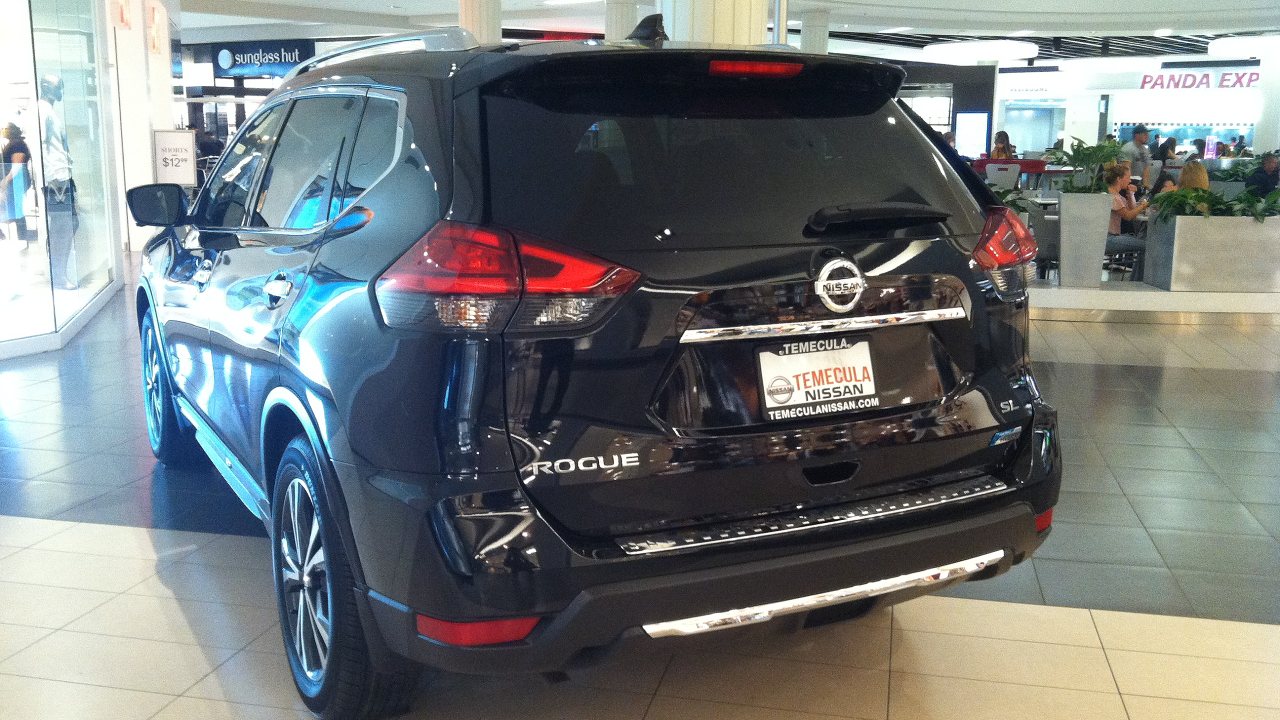
Drivers can enhance the range of their hybrid vehicles by adopting efficient driving habits. Smooth acceleration and deceleration, as practiced by drivers of the 2024 Nissan Rogue Hybrid, can reduce energy consumption. Additionally, maintaining moderate speeds and avoiding aggressive driving can help maximize hybrid range.
Maintenance Practices
Regular maintenance is crucial for keeping a hybrid’s battery and engine in optimal condition. Ensuring that the 2025 Subaru Crosstrek Hybrid receives timely servicing, including tire inflation checks and oil changes, can prevent range reduction and improve overall efficiency.
Technology Utilization
Utilizing in-car technology can further enhance hybrid range. Many models, like the 2016 Lexus CT 200h, come equipped with eco-driving modes that adjust throttle response and climate control settings to conserve energy. Additionally, using navigation systems to plan the most efficient routes can help drivers avoid traffic and unnecessary detours.
Future of Hybrid Vehicle Range
Upcoming Innovations
The future of hybrid vehicle range looks promising with emerging technologies and innovations. Solid-state batteries, for example, are being developed to offer higher energy density and faster charging times, potentially extending the range of future models like the anticipated 2025 BMW i8 Roadster.
Market Trends
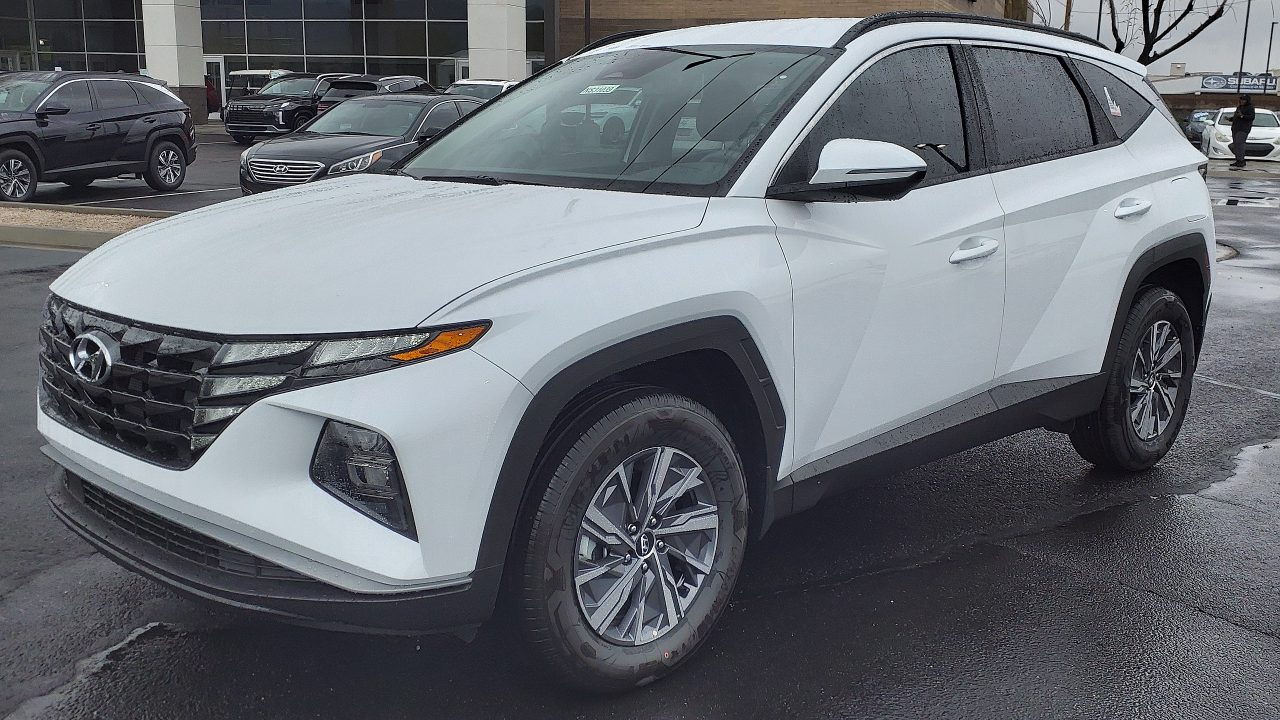
Current trends in the automotive market indicate a growing demand for vehicles that offer both sustainability and convenience. As manufacturers continue to prioritize hybrid technology, we can expect to see more models, such as the 2023 Hyundai Tucson Hybrid, with extended ranges and improved efficiency.
Consumer Preferences
Changing consumer preferences are also driving manufacturers to focus more on extending hybrid range capabilities. As more individuals seek environmentally friendly transportation options without sacrificing practicality, vehicles like the 2019 Mitsubishi Outlander PHEV are becoming increasingly popular, pushing the industry towards more innovative solutions.




Leave a Reply