

With the growing popularity of eco-friendly vehicles, many consumers find themselves confused by the different types of hybrid cars available on the market. PHEVs (Plug-in Hybrid Electric Vehicles) and traditional hybrids are two prominent categories that often raise questions about their distinctions. Understanding these differences can help potential buyers make informed decisions when considering their next vehicle purchase.
Understanding Hybrid Vehicles
Definition and Basic Functionality
A hybrid vehicle combines more than one form of propulsion to move. Typically, this involves pairing an internal combustion engine with one or more electric motors. The primary goal of hybrid technology is to improve fuel efficiency and reduce emissions compared to conventional gasoline-only vehicles. For example, the 2023 Toyota Prius is a well-known hybrid model that effectively balances these elements, offering efficiency and eco-friendliness.
The basic mechanics of a hybrid involve an electric motor that assists the gasoline engine during acceleration, climbing, or when additional power is needed. By doing so, hybrids can conserve fuel, as the electric motor reduces the workload on the gasoline engine. Moreover, some hybrids feature regenerative braking systems that recharge the battery during braking, further enhancing efficiency.
Types of Hybrid Vehicles
Hybrid vehicles come in various forms, including mild hybrids, full hybrids, and plug-in hybrids. Mild hybrids, like the 2019 Honda Insight, use a smaller electric motor to assist the gasoline engine but cannot power the vehicle on electricity alone. Full hybrids, such as the 2021 Hyundai Ioniq, can operate solely on electric power for short distances, although they primarily rely on the gasoline engine for longer trips.
Plug-in hybrids, or PHEVs, represent a more advanced category. They feature larger batteries that can be recharged from an external power source, allowing for extended electric-only driving ranges. Understanding these variations is crucial for consumers, as each type offers different benefits and trade-offs in terms of cost, fuel efficiency, and environmental impact.
PHEV: Plug-In Hybrid Electric Vehicle
Core Characteristics
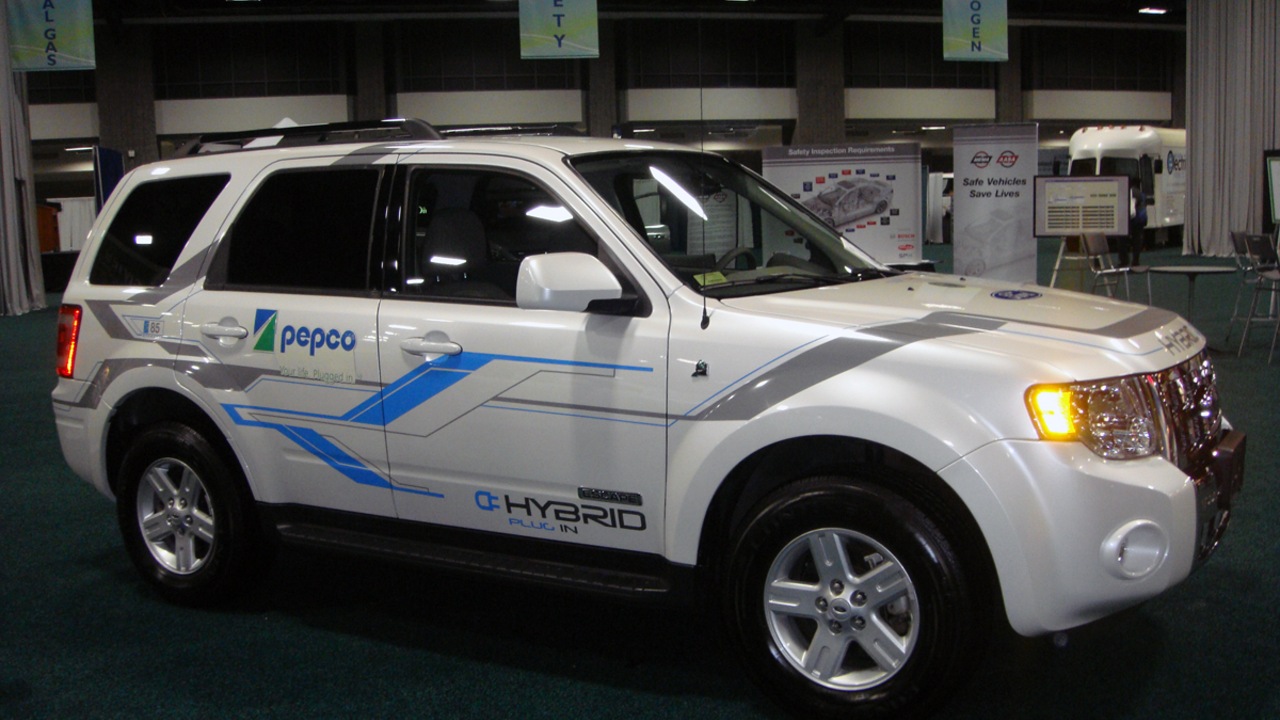
PHEVs, like the 2022 Ford Escape Plug-In Hybrid, blend the benefits of electric and gasoline propulsion. They feature a larger battery than traditional hybrids, which can be charged from an external power source. This allows them to drive longer distances solely on electric power, making them an attractive option for those who want to minimize gasoline consumption.
The battery in a PHEV works alongside the gasoline engine to provide power. When the battery is depleted, the vehicle switches to using the gasoline engine, similar to a traditional hybrid. However, the ability to recharge the battery externally means PHEVs can travel more miles on electricity alone, reducing their reliance on fossil fuels.
Benefits and Drawbacks
PHEVs offer several advantages, including a reduced carbon footprint and cost savings on fuel. For instance, the 2023 Mitsubishi Outlander PHEV can achieve impressive electric-only ranges, allowing drivers to complete daily commutes without using gasoline. Additionally, government incentives and rebates can make purchasing a PHEV more financially attractive.
However, PHEVs also have drawbacks. They typically come with higher initial costs than traditional hybrids, and finding convenient charging infrastructure can be challenging in some areas. Moreover, the added complexity of having both electric and gasoline systems can result in higher maintenance costs over time.
Traditional Hybrid Vehicles

Core Characteristics
Traditional hybrids, like the 2020 Toyota Camry Hybrid, rely on a combination of an internal combustion engine and an electric motor to power the vehicle. Unlike PHEVs, traditional hybrids do not require external charging, as their batteries are recharged through regenerative braking and by the gasoline engine.
These vehicles typically have smaller batteries compared to PHEVs, which limits their electric-only range. The electric motor assists with propulsion, but the gasoline engine remains the primary power source, especially during longer trips. This setup allows traditional hybrids to achieve better fuel economy than standard gasoline vehicles.
Benefits and Drawbacks
Traditional hybrids are often more affordable than PHEVs and do not require changes to one’s routine for charging. The 2018 Honda Accord Hybrid, for example, offers a lower purchase price and eliminates the concern of finding charging stations. This makes them an appealing choice for those who want improved fuel efficiency without the added complexity of a PHEV.
However, traditional hybrids generally offer a shorter electric-only range and still rely on gasoline to some extent. This can result in higher emissions compared to PHEVs, and their fuel efficiency improvements may not be as significant for drivers with longer commutes or those who frequently drive in stop-and-go traffic.
Performance and Efficiency Comparison

Fuel Economy
PHEVs, like the 2021 Volvo XC60 Recharge, often achieve better fuel efficiency than traditional hybrids because they can travel significant distances on electric power alone. This can result in substantial fuel savings, particularly for drivers who can charge their vehicles regularly and have short daily commutes.
However, the actual fuel economy of both PHEVs and traditional hybrids can vary based on driving habits and conditions. For example, highway driving typically favors traditional hybrids, as the gasoline engine can operate efficiently at steady speeds. In contrast, urban environments with frequent stops and starts can highlight the advantages of PHEVs and their electric motors.
Environmental Impact
Both PHEVs and traditional hybrids contribute to reducing emissions compared to conventional gasoline vehicles. However, PHEVs, such as the 2025 BMW X5 xDrive45e, typically offer greater environmental benefits due to their ability to operate for longer periods without burning gasoline. This can significantly reduce their overall carbon footprint.
Long-term sustainability is another consideration. As the electricity grid becomes cleaner and more renewable energy sources are integrated, the environmental benefits of PHEVs are likely to increase. Traditional hybrids, while still a more eco-friendly option than gasoline-only vehicles, may not offer the same level of future-proofing in terms of emissions reduction.
Cost Considerations
Initial Purchase Price
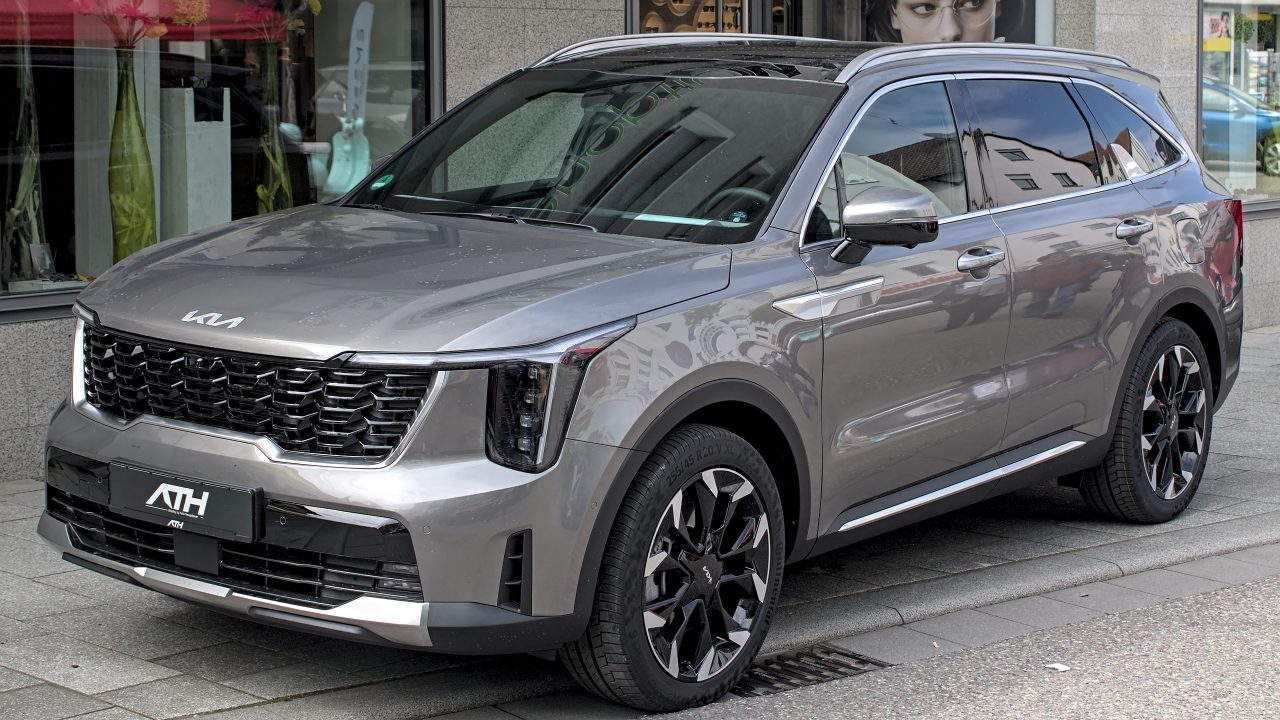
The initial purchase price of a PHEV is generally higher than that of a traditional hybrid. For example, the 2024 Kia Sorento Plug-In Hybrid may cost more upfront than its non-plug-in counterpart. However, government incentives and rebates can help offset this difference, making PHEVs more accessible to a broader range of consumers.
For traditional hybrids, the lower purchase price can be a significant advantage. Vehicles like the 2017 Ford Fusion Hybrid provide a more budget-friendly option for those seeking to enhance their fuel efficiency without the higher costs associated with PHEVs.
Long-term Ownership Costs
When considering long-term ownership costs, both PHEVs and traditional hybrids have their advantages. PHEVs can offer significant fuel savings over time, especially for drivers who can maximize their electric driving range. However, they may also incur higher maintenance and repair costs due to their more complex systems.
Traditional hybrids, on the other hand, tend to have lower maintenance costs and can be more reliable over the long term. Their simpler technology means fewer components that can fail, which can translate to lower repair bills. Vehicles like the 2015 Lexus CT 200h are known for their longevity and lower total cost of ownership.
Depreciation and resale value are also important factors. PHEVs may experience higher depreciation due to rapid advancements in technology and battery life concerns. In contrast, traditional hybrids often retain their value better, making them a potentially wiser investment for long-term ownership.




Leave a Reply