
Hybrid cars have become increasingly popular as a more environmentally friendly alternative to traditional gasoline-powered vehicles. However, potential buyers often wonder if these vehicles are more prone to breakdowns due to their complex technology. This exploration delves into the reliability of hybrid cars and whether they break down more frequently than their conventional counterparts.
Understanding Hybrid Technology
Hybrid vehicles uniquely combine an internal combustion engine with an electric motor, allowing the car to switch between or simultaneously use both power sources. This system is designed to maximize fuel efficiency while reducing emissions. The electric motor assists during acceleration, while the combustion engine kicks in at higher speeds or when the battery needs charging. This dynamic interplay is what makes hybrids both efficient and complex.
Common components of hybrid cars include a high-voltage battery, an electric motor, and a sophisticated regenerative braking system. The battery stores energy and powers the electric motor, while the regenerative braking system captures energy usually lost during braking and feeds it back into the battery. These components work harmoniously to enhance fuel economy, but their complexity can introduce potential points of failure. For instance, the battery may degrade over time, the electric motor might face issues with the inverter, or the software managing these systems could malfunction.
Comparing Reliability Statistics
According to recent data from Consumer Reports, hybrid vehicles often exhibit reliability comparable to, if not better than, traditional gasoline vehicles. The Toyota Prius, for example, has consistently received high reliability ratings. The study indicates that hybrid cars from manufacturers like Toyota and Honda often outperform several conventional models in terms of longevity and fewer reported issues.
Manufacturers like Toyota offer extensive warranties for hybrid systems, often covering the battery for up to eight years or 100,000 miles, which provides consumers peace of mind. Honda and Ford also provide similar warranties, reflecting their confidence in hybrid technology. Case studies, such as those involving the early models of the Ford Fusion Hybrid, show that while initial models faced some teething problems with battery life, advancements in technology have since mitigated many of these issues.
Maintenance Differences and Challenges
Routine maintenance for hybrid vehicles typically involves regular checks similar to those for conventional cars, such as oil changes, tire rotations, and brake inspections. However, hybrids may require additional attention to their battery systems and electric components. The regenerative braking system also means that brake pads often last longer than those in conventional cars, potentially reducing maintenance frequency for this component.
Specialized repair skills are sometimes necessary for hybrid maintenance, as the high-voltage systems can be dangerous if not handled properly. As a result, mechanics need specialized training and tools to safely work on hybrid vehicles, which can potentially limit the availability of service options and increase repair costs. However, as hybrids become more popular, more mechanics are gaining the necessary expertise, which should gradually alleviate this issue.
The cost implications of maintaining a hybrid vehicle can vary. While some components, like brake pads, may last longer, others, like battery replacements, can be costly. A new hybrid battery can cost several thousand dollars, though many manufacturers offer programs to offset these expenses, and the long-term fuel savings often compensate for these costs.
Factors Influencing Hybrid Durability
Driving habits significantly impact the durability of hybrid vehicles. Frequent short trips can prevent the battery from fully charging and discharging, potentially reducing its lifespan. Conversely, a balanced mix of city and highway driving can optimize the use of both the electric motor and combustion engine, enhancing overall efficiency and durability.
Environmental factors such as climate and terrain also play a crucial role in a hybrid car’s reliability. Extreme temperatures can affect battery performance, with cold weather potentially reducing battery efficiency and lifespan. Similarly, driving in hilly or mountainous terrain can put additional strain on the engine and motor, although the regenerative braking system can help mitigate some of this by capturing energy on downhill slopes.
Recent advancements in hybrid technology have addressed many of these durability concerns. Innovations in battery chemistry and design, such as the development of solid-state batteries, promise longer lifespans and greater resilience to environmental stresses. Additionally, improved software algorithms enhance the efficiency and reliability of the hybrid system, ensuring that components work together seamlessly.
Consumer Experiences and Feedback
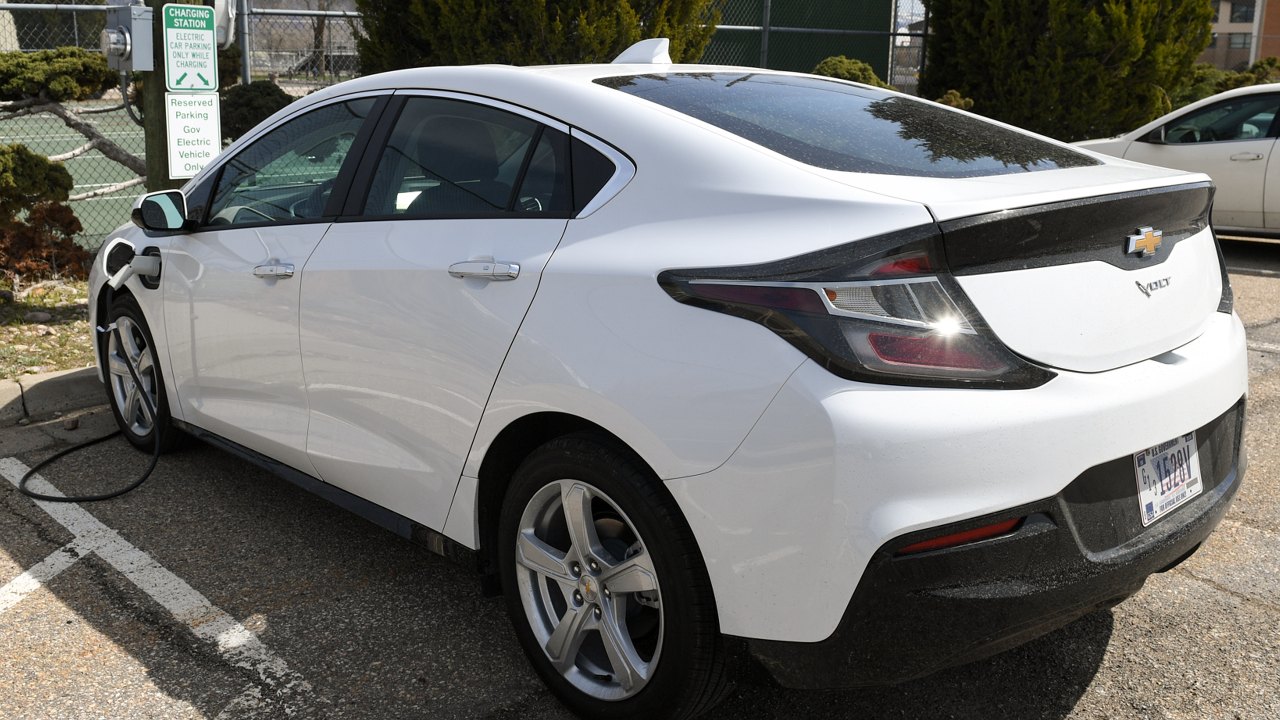
Testimonials from hybrid owners often highlight satisfaction with fuel savings and the smooth driving experience. Owners of models like the Toyota Prius and Chevrolet Volt frequently report that their hybrids have required fewer repairs over time compared to their previous gasoline vehicles. Many appreciate the quietness of the electric motor and the seamless transition between power sources.
Despite these positive experiences, some common misconceptions about hybrid reliability persist. A frequent myth is that hybrid cars are more prone to breakdowns due to their complexity. However, as data from multiple studies suggests, hybrids are generally as reliable as conventional cars, if not more so. The key is understanding the technology and maintaining the vehicle according to the manufacturer’s recommendations.
For potential hybrid car buyers, it’s essential to conduct thorough research and consider factors such as warranty coverage, the availability of service centers, and personal driving habits. Opting for models with a proven track record of reliability, such as the Toyota Prius or Honda Insight, can help ensure a positive ownership experience. Additionally, staying informed about the latest technological advancements can offer insights into the evolving landscape of hybrid vehicles.




Leave a Reply