

As hybrid vehicles become increasingly popular, questions arise about their long-term costs, particularly regarding maintenance. With more drivers opting for hybrids, understanding the potential financial implications is crucial. This analysis delves into whether maintaining a hybrid vehicle is more expensive than a traditional gasoline-powered car by considering several key factors.
Understanding Hybrid Vehicle Technology
Overview of Hybrid Systems
Hybrid vehicles represent a sophisticated blend of traditional internal combustion engines and modern electric motors. This combination aims to optimize fuel efficiency while reducing emissions. Full hybrids, like the Toyota Prius, can run on electric power alone for short distances, while mild hybrids, such as the Honda Insight, utilize electric motors to assist the gasoline engine. Plug-in hybrids, like the Chevrolet Volt, offer an extended electric-only range before switching to gasoline power.
Each type of hybrid system has its specific configuration and operational mechanism. Full hybrids can seamlessly switch between electric and gasoline power, making them highly efficient in stop-and-go traffic. Mild hybrids, though less complex, enhance fuel economy by providing additional power during acceleration. Plug-in hybrids, meanwhile, offer the flexibility of recharging from an external power source, extending their electric range significantly.
Components Unique to Hybrids
Hybrids incorporate several unique components that differentiate them from traditional vehicles. One of the most critical is the battery pack, which stores and supplies electrical energy to the motor. Over time, these battery packs may require replacement, a potentially costly maintenance item. Another distinctive component is the regenerative braking system, which recaptures energy typically lost during braking and stores it in the battery.
Software and electronics play a pivotal role in managing hybrid systems, ensuring seamless interaction between the electric and gasoline components. Advanced electronic control units (ECUs) oversee the vehicle’s performance, optimizing energy usage and maintaining efficiency. These systems require specialized knowledge for diagnostics and repairs, often necessitating service from trained technicians.
Cost Comparison: Hybrid vs. Traditional Vehicles
Routine Maintenance Costs
Routine maintenance for hybrid vehicles shares similarities with traditional vehicles, yet there are notable differences. For instance, hybrids often require fewer oil changes due to less engine wear when operating in electric mode. However, brake pads may last longer in hybrids, thanks to regenerative braking reducing the reliance on traditional braking systems.
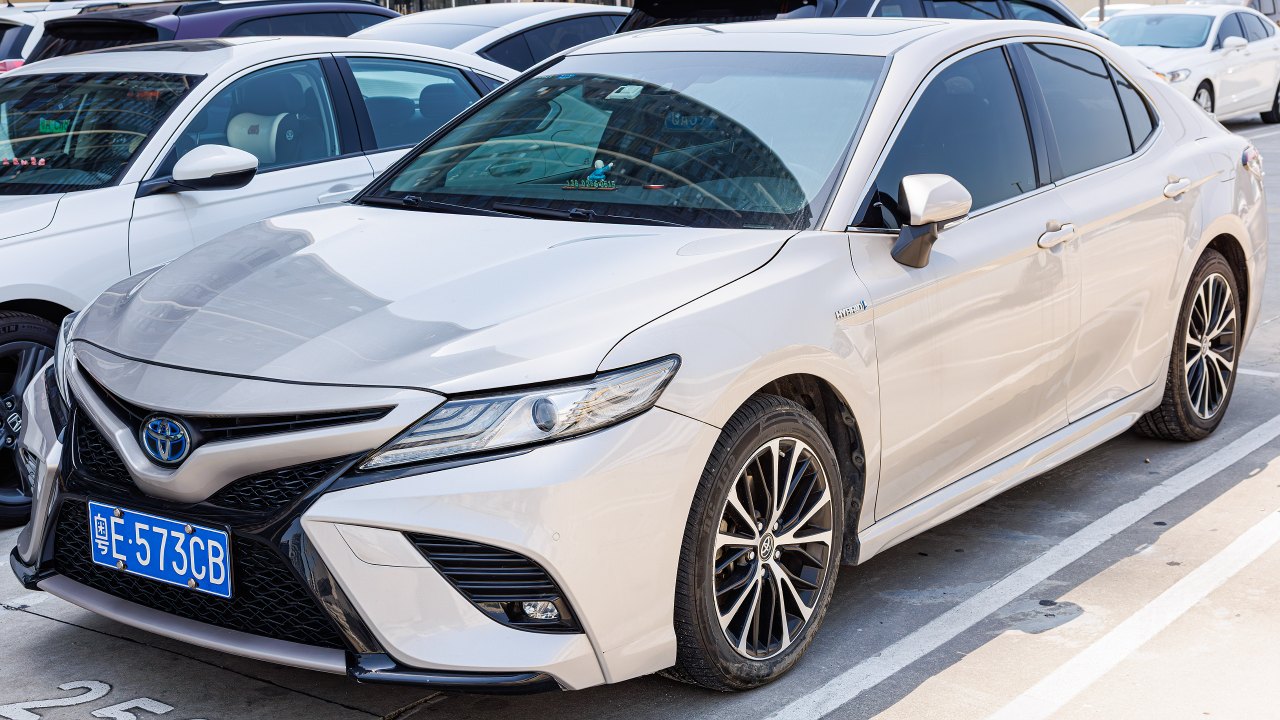
The frequency and cost of maintenance tasks can vary. Regular maintenance for a Toyota Camry Hybrid might be less frequent than its gasoline counterpart due to the reduced stress on the engine and brakes. However, the specialized nature of hybrid components can lead to higher costs for certain services, such as battery health diagnostics or inverter inspections.
Long-term Repair Costs
Long-term repair costs for hybrids can be a concern, particularly regarding hybrid-specific components like battery packs. Replacing a hybrid battery can cost anywhere from $2,000 to $8,000, depending on the make and model. However, advancements in battery technology are gradually reducing these costs, and many manufacturers offer extended warranties for hybrid batteries, adding a layer of financial protection.
While hybrid components such as inverters and electric motors are designed for longevity, unexpected issues can arise. Inverter failures, though rare, can be expensive to repair, with costs potentially reaching $1,500 or more. However, the durability of hybrid components is generally high, with many vehicles exceeding 100,000 miles before significant repairs are needed.
Factors Influencing Maintenance Costs
Manufacturer and Model Variations
The cost of maintaining a hybrid can vary significantly based on the manufacturer and model. Brands like Toyota and Honda, known for their reliable hybrid technology, may offer lower maintenance costs due to robust engineering and widespread service networks. Conversely, luxury brands like Lexus or BMW might present higher maintenance expenses due to the complexity and cost of their hybrid systems.
Warranty coverage and service packages play a crucial role in managing maintenance expenses. Some manufacturers offer complimentary maintenance plans for the initial years of ownership, covering routine services and inspections. These packages can significantly reduce out-of-pocket costs, making hybrids more financially appealing.
Driving Habits and Environment
Driving habits and environmental conditions can greatly influence the maintenance needs of hybrid vehicles. Urban driving, with frequent stops and starts, can maximize the benefits of regenerative braking, extending the life of brake components. In contrast, rural driving with long stretches of highway may not leverage hybrid efficiencies as effectively.
The climate also affects hybrid maintenance. Extreme temperatures can impact battery performance and longevity, necessitating closer monitoring and potential early replacement. In regions with harsh winters or scorching summers, maintaining optimal battery health becomes a priority for hybrid owners.
The Role of Advances in Technology and Market Trends
Technological Improvements
Continuous advancements in hybrid technology are leading to reduced maintenance costs and improved vehicle longevity. Innovations in battery chemistry and design have resulted in more durable and efficient battery packs, lowering replacement costs. Additionally, software updates and improvements in electronic systems enhance the reliability and efficiency of hybrid vehicles.
Manufacturers are investing in research and development to extend the lifespan of hybrid components. For example, the latest models of the Hyundai Ioniq feature enhanced battery cooling systems, reducing thermal degradation and prolonging battery life. These technological improvements contribute to a reduction in overall maintenance expenses.
Market Penetration and Competition
The growing popularity of hybrids is influencing both the availability and cost of maintenance services. As more drivers adopt hybrid technology, the demand for qualified technicians and specialized repair services has increased. This trend has led to greater competition among service providers, which can drive down maintenance costs over time.
Increased market penetration of hybrids also encourages manufacturers to offer more competitive pricing and service packages. As brands vie for market share, they are likely to enhance their warranty offerings and service support, further reducing the financial burden of hybrid ownership.
Considerations for Potential Hybrid Owners
Financial Planning and Budgeting
Prospective hybrid owners should plan and budget for potential maintenance costs. Understanding the total cost of ownership, including maintenance, fuel savings, and potential repair expenses, is essential for making an informed decision. Tools like the Edmunds True Cost to Own calculator can help estimate these costs based on specific models and driving habits.
Setting aside funds for potential repairs and routine maintenance can alleviate financial stress and ensure that hybrid vehicles remain economical choices in the long run. Additionally, exploring financing options for battery replacement or extended warranties may provide added peace of mind.
Weighing Environmental and Economic Benefits
Balancing the environmental benefits of hybrids with potential maintenance costs is crucial for prospective buyers. Hybrids offer significant reductions in emissions and fuel consumption, contributing to a cleaner environment. However, understanding the economic implications of hybrid ownership is equally important.
Ultimately, making an informed decision involves considering both the ecological impact and the financial aspects of hybrid vehicles. By evaluating the long-term benefits and costs, potential hybrid owners can make choices that align with their values and financial goals.




Leave a Reply