

As electric vehicles (EVs) continue to gain popularity, understanding the basics of charging them is crucial for new buyers. This guide aims to demystify the different types of charging, equipment needed, and tips for efficient charging. Whether you’re a first-time EV owner or considering a switch, the following information will help you navigate the world of EV charging with confidence.
Types of EV Charging Levels

Level 1 Charging
Level 1 charging refers to the most basic form of EV charging, using a standard 120-volt household outlet. It’s a convenient option for those who drive short distances daily, as the charging equipment typically comes with the vehicle. However, it’s important to note that Level 1 charging is the slowest option available, adding around 2 to 5 miles of range per hour. While suitable for overnight charging at home, it may not meet the needs of drivers with longer commutes.
One of the main advantages of Level 1 charging is its accessibility—any standard outlet can be used, making it easy to charge at home without special installations. However, the slow charging speed can be a significant drawback for those who need a quick turnaround or have a limited window for charging. For drivers who rely heavily on their EVs for daily transportation, upgrading to a faster charging option may be more practical.
Level 2 Charging
Level 2 charging offers a significant upgrade over Level 1, using a 240-volt outlet similar to those used for large appliances like dryers. This method can add 10 to 60 miles of range per hour, making it a popular choice for home installations and public charging stations. With faster charging times, Level 2 chargers are well-suited for daily use, enabling most EVs to charge fully overnight.
Installing a Level 2 charger at home requires some considerations, such as hiring a qualified electrician to ensure proper setup and compliance with local electrical codes. While the initial installation cost might be higher, many regions offer financial incentives or rebates to help offset these expenses. Additionally, the convenience of faster charging can make the investment worthwhile for many EV owners.
DC Fast Charging
DC Fast Charging is designed for rapid charging, typically found along highways and in urban centers to facilitate long-distance travel. This method can charge an EV to 80% in as little as 20 to 30 minutes, making it an ideal solution for drivers on the go. However, frequent use of DC fast chargers can impact battery health, potentially leading to reduced capacity over time.
For most drivers, DC fast charging is best used as a supplementary option rather than a primary charging method. It’s particularly useful when traveling long distances or when a quick charge is necessary. While the convenience is unmatched, EV owners should balance its use with Level 1 or Level 2 charging to maintain optimal battery health.
Choosing the Right Charging Equipment
Home Charging Stations
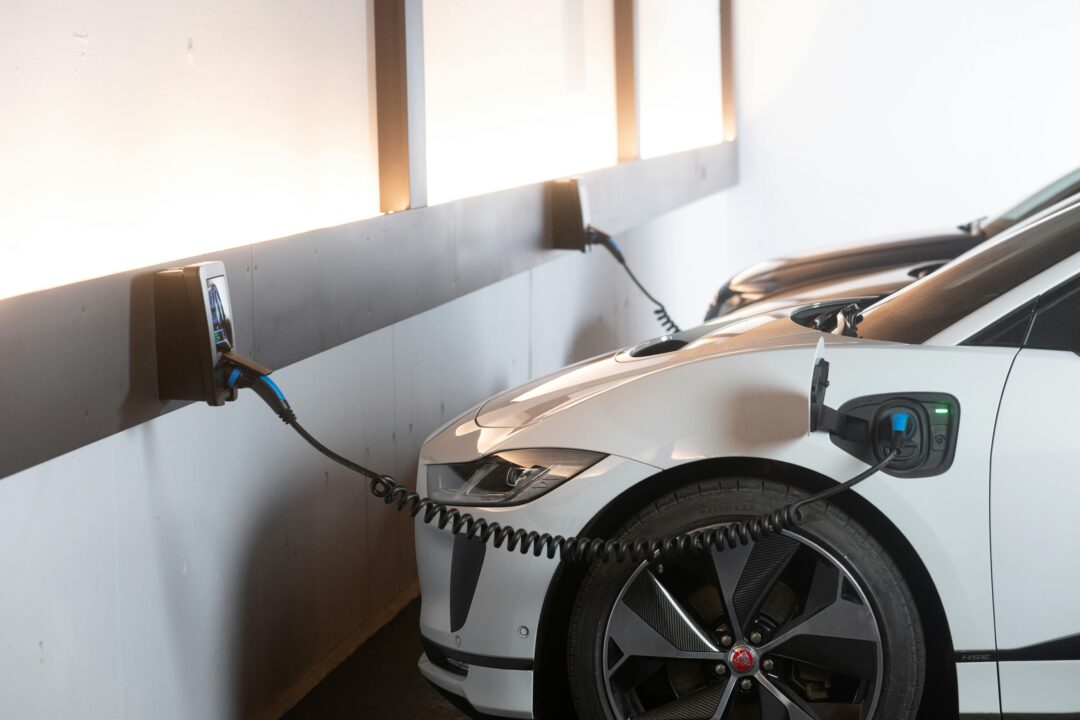
When selecting a home charging station, several factors should be considered, including compatibility with your vehicle, installation costs, and available features such as smart charging capabilities. Brands like ChargePoint and JuiceBox offer a range of options that cater to different needs and budgets. It’s also crucial to consider future-proofing your setup, ensuring it can accommodate potential upgrades or additional EVs in the household.
Cost is another important aspect, as home charging stations can vary significantly in price. While the upfront investment can be substantial, financial incentives, rebates, and tax credits may be available to reduce overall expenses. Researching local programs and utility offers can provide significant savings and make the transition to an EV more economically feasible.
Public Charging Networks
Public charging networks provide essential infrastructure for EV owners, offering charging options in various locations such as shopping centers, parking garages, and along highways. Networks like Tesla Supercharger, Electrify America, and EVgo are among the most widely used, each with its own pricing and accessibility model.
Many networks offer subscription plans or pay-as-you-go options, allowing drivers to choose a payment method that best suits their usage. Subscriptions can provide cost savings for frequent users, while pay-as-you-go offers flexibility for those who charge less often. It’s beneficial to familiarize yourself with the networks available in your area and consider joining programs that offer the best value for your charging habits.
Understanding Charging Costs and Savings
Electricity Rates and Time-of-Use Pricing
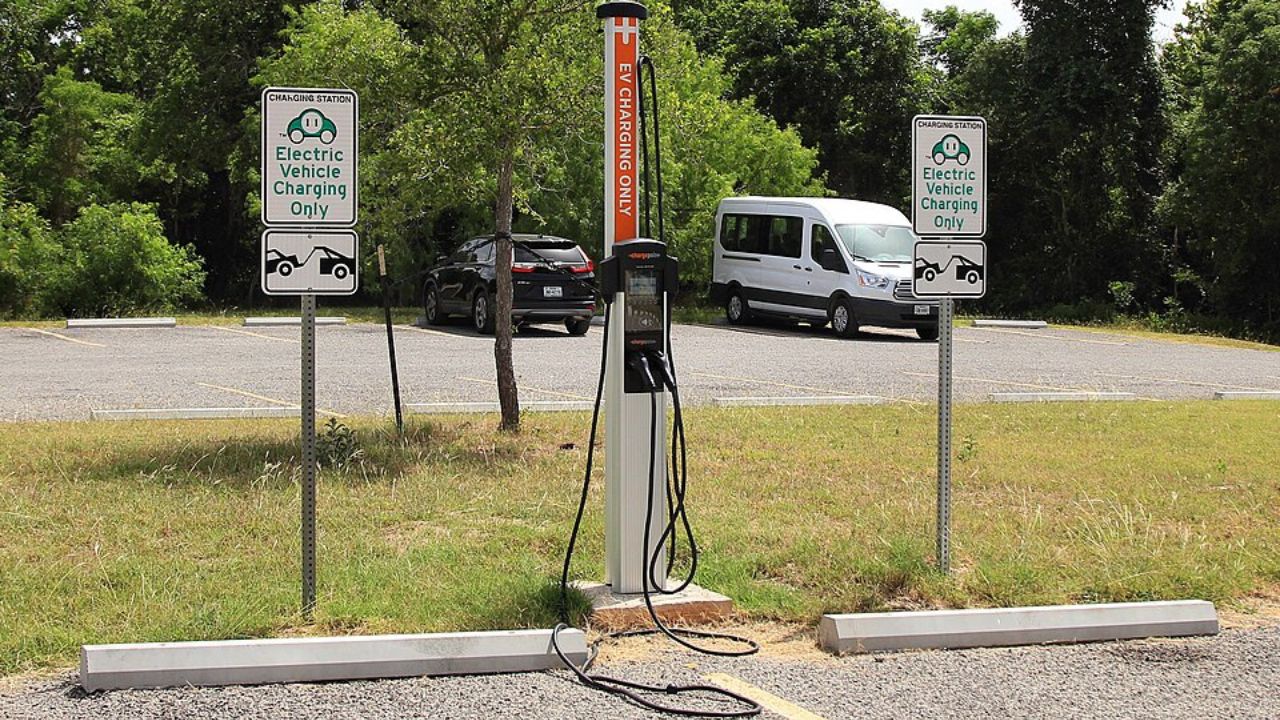
Electricity rates can significantly impact the cost of charging an EV, with time-of-use pricing plans offering potential savings. These plans charge different rates based on the time of day, encouraging EV owners to charge during off-peak hours when electricity is cheaper. By aligning charging sessions with these periods, drivers can reduce their overall energy costs.
Many utility companies offer specific EV charging plans or incentives, making it worthwhile to explore options that align with your charging habits. Leveraging these plans not only cuts costs but also supports grid stability by spreading demand more evenly throughout the day.
Comparing Costs to Traditional Fuel
Switching from gasoline to electric can result in substantial cost savings over time. While the initial purchase price of an EV may be higher, lower fuel costs and reduced maintenance expenses contribute to significant long-term savings. For example, charging an EV can cost a fraction of what it takes to fill up a gasoline tank, particularly when utilizing off-peak electricity rates.
Over the lifespan of the vehicle, these savings can add up, making EVs an economically attractive option. Additionally, government incentives, such as tax credits, can further reduce the cost of ownership, enhancing the financial appeal of going electric.
Maximizing Charging Efficiency
Battery Management Best Practices
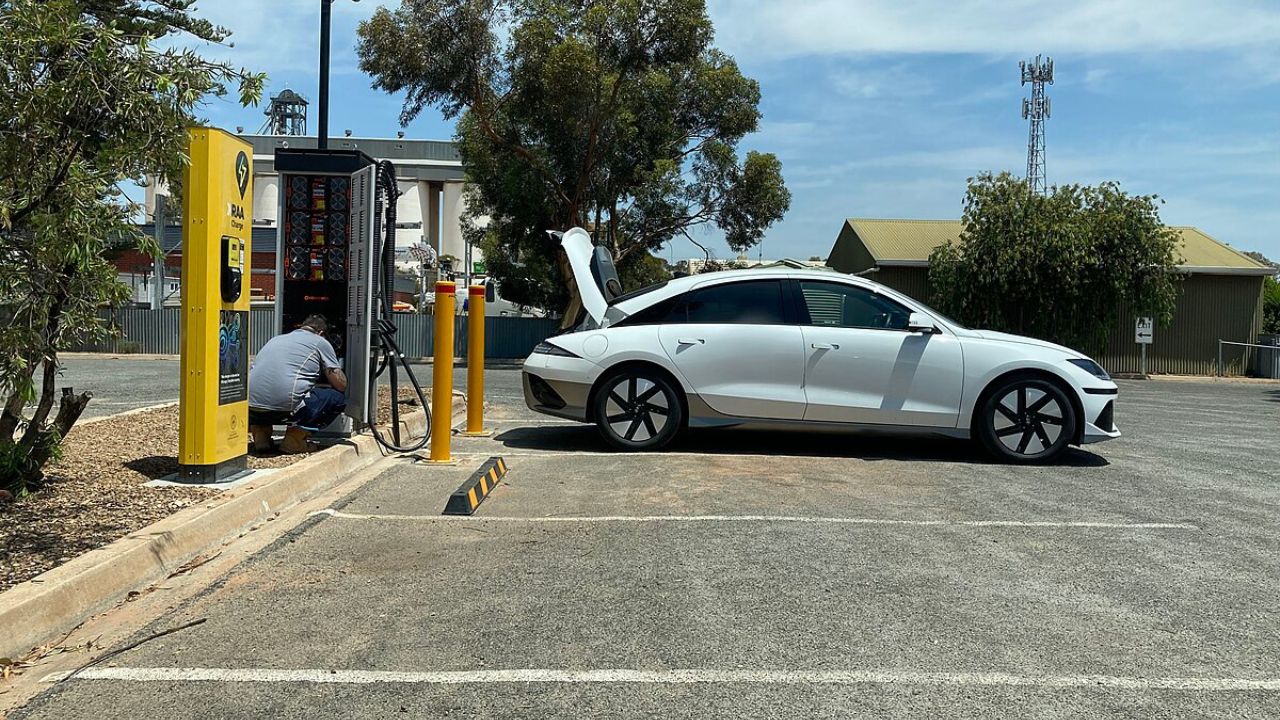
Maintaining optimal battery performance is crucial for maximizing the lifespan and efficiency of an EV. Regular software updates are essential, as they often include improvements for battery management and charging performance. Staying current with these updates ensures your vehicle operates at peak efficiency.
Additionally, keeping your battery between 20% and 80% charged can help extend its life. Avoiding frequent deep discharges and minimizing exposure to extreme temperatures are also recommended practices for preserving battery health.
Strategic Charging Habits
Developing strategic charging habits can enhance convenience and reduce costs. Planning charging sessions to coincide with daily routines, such as overnight charging, ensures your EV is ready when you need it. Utilizing smart charging features can further optimize this process by automatically starting charging during off-peak hours.
Many modern EVs, like the Tesla Model 3 and Nissan Leaf, offer apps that allow owners to monitor and control charging remotely. These tools provide insights into charging history and efficiency, helping drivers make informed decisions and refine their charging strategies.
More from Fast Lane Only:
- Unboxing the WWII Jeep in a Crate
- The Fastest Farm Truck Ever Built
- 10 Old Trucks That Were Built Like Tanks
- 12 Classic muscle cars still within reach for budget buyers
*Created with AI assistance and editor review.




Leave a Reply