
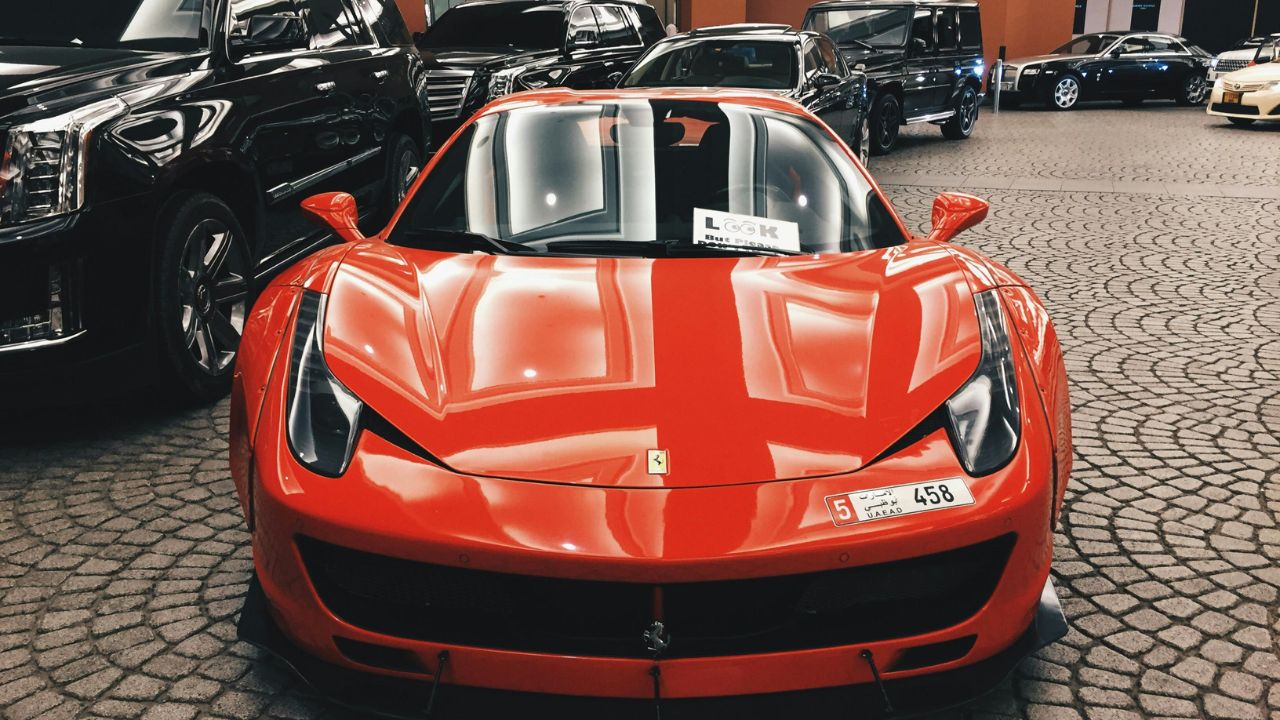
Luxury cars are often seen as the epitome of success and style, but they come with their own set of challenges. While the allure of opulence captures attention, the depreciation of these vehicles is a significant concern. Understanding why luxury cars lose their value quickly can help potential buyers make informed decisions.
The Allure of Luxury Cars: A Double-Edged Sword
Owning a luxury car such as the 2023 Mercedes-Benz S-Class is a statement of sophistication. These vehicles offer unparalleled comfort, advanced technology, and a driving experience that is hard to match. However, the very features that make these cars desirable also contribute to their rapid depreciation.
On one hand, luxury cars are a symbol of status; on the other, they are financial liabilities due to rapid value loss. The high initial cost coupled with the fast-paced changes in automotive technology means that what is cutting-edge today may be outdated tomorrow, leading to substantial depreciation.
Understanding Depreciation: Why Luxury Cars Lose Value Fast
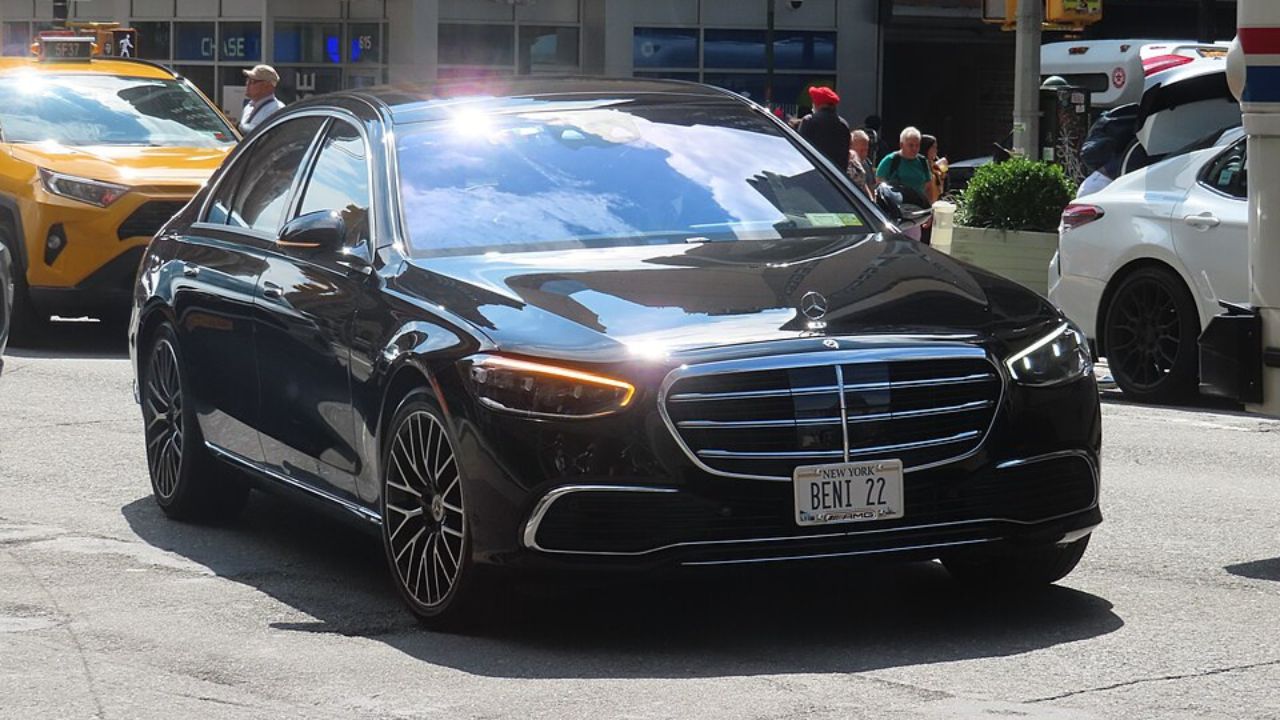
Depreciation is an unavoidable reality in the automotive world, and luxury cars like the 2021 Audi A8 experience it more acutely. These vehicles can lose as much as 20% to 30% of their value in the first year alone. Within five years, a luxury car may have depreciated by over 60%.
The rapid depreciation is often due to a combination of high initial purchase prices and a market flooded with similar vehicles. Luxury cars are also more expensive to maintain, which can deter potential buyers in the used market, further driving down the resale value.
The Role of Technology and Features in Depreciation
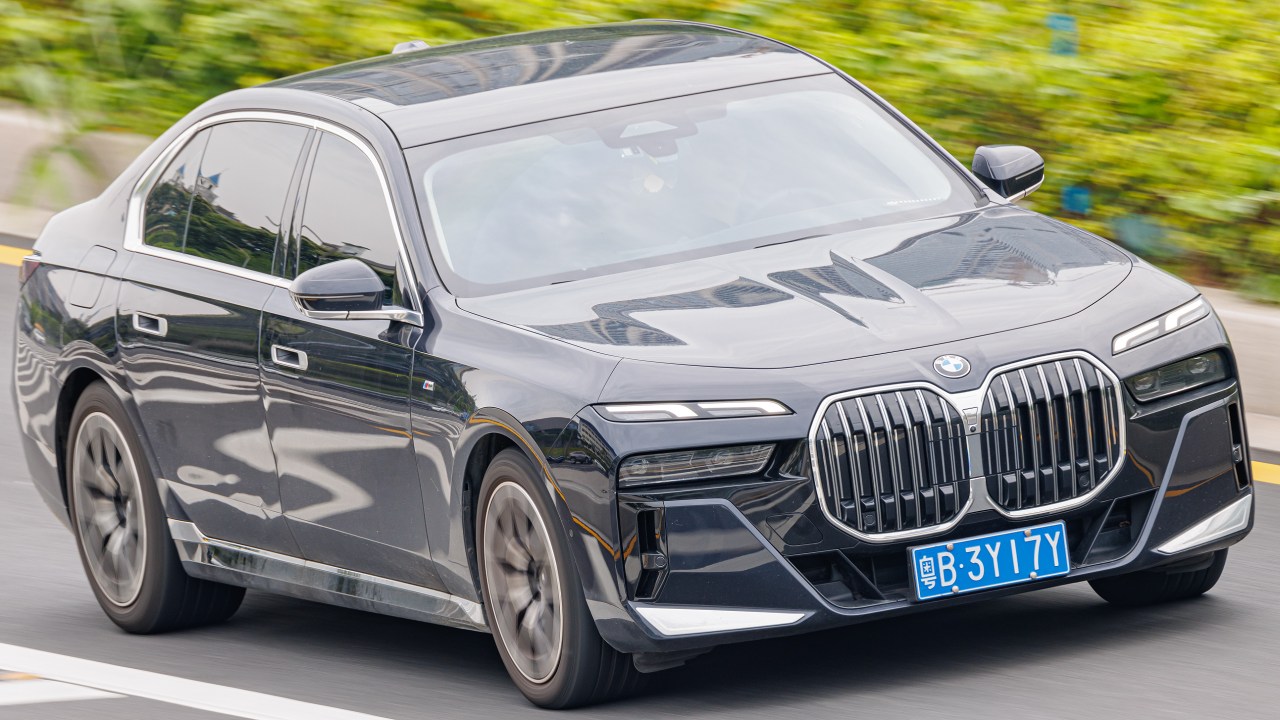
Advanced technologies and features are significant selling points for luxury cars, but they can also accelerate depreciation. For instance, the 2025 BMW 7 Series is equipped with the latest driving aids and infotainment systems. However, as new models are released, these features quickly become outdated.
Technology evolves at a rapid pace, and consumers expect the latest gadgets in their vehicles. As a result, luxury cars that are only a few years old may be perceived as outdated and less desirable, contributing to a decline in their market value.
Brand Perception and Its Impact on Resale Value
Brand perception plays a crucial role in how luxury cars retain their value. A brand like the 2024 Lexus LS is known for reliability and a strong reputation, which can positively affect resale values. Consumers are often willing to pay a premium for a vehicle from a brand with a sterling reputation.
Conversely, brands that face recalls or negative press may see a faster decline in their luxury car values. Brand loyalty can significantly impact depreciation rates, making it crucial for manufacturers to maintain a positive image to preserve the value of their vehicles.
Strategies to Mitigate Depreciation in Luxury Cars
While depreciation is inevitable, there are strategies to mitigate its impact. Opting for a certified pre-owned model like the 2022 Porsche Panamera can be a smart move. These vehicles often come with extended warranties and have already absorbed the initial depreciation hit.
Another strategy is to maintain the vehicle meticulously, keeping it in excellent condition and ensuring all scheduled services are performed. This can make the car more appealing to potential buyers, helping to preserve its resale value. Additionally, choosing models with a strong reputation for reliability can also help mitigate depreciation.

Leave a Reply