

Off-road SUVs are appealing for their rugged capabilities and adventurous allure. However, the financial implications of owning one extend beyond the sticker price. From purchase to maintenance, understanding the true cost can help you make an informed decision.
Purchase Price and Depreciation
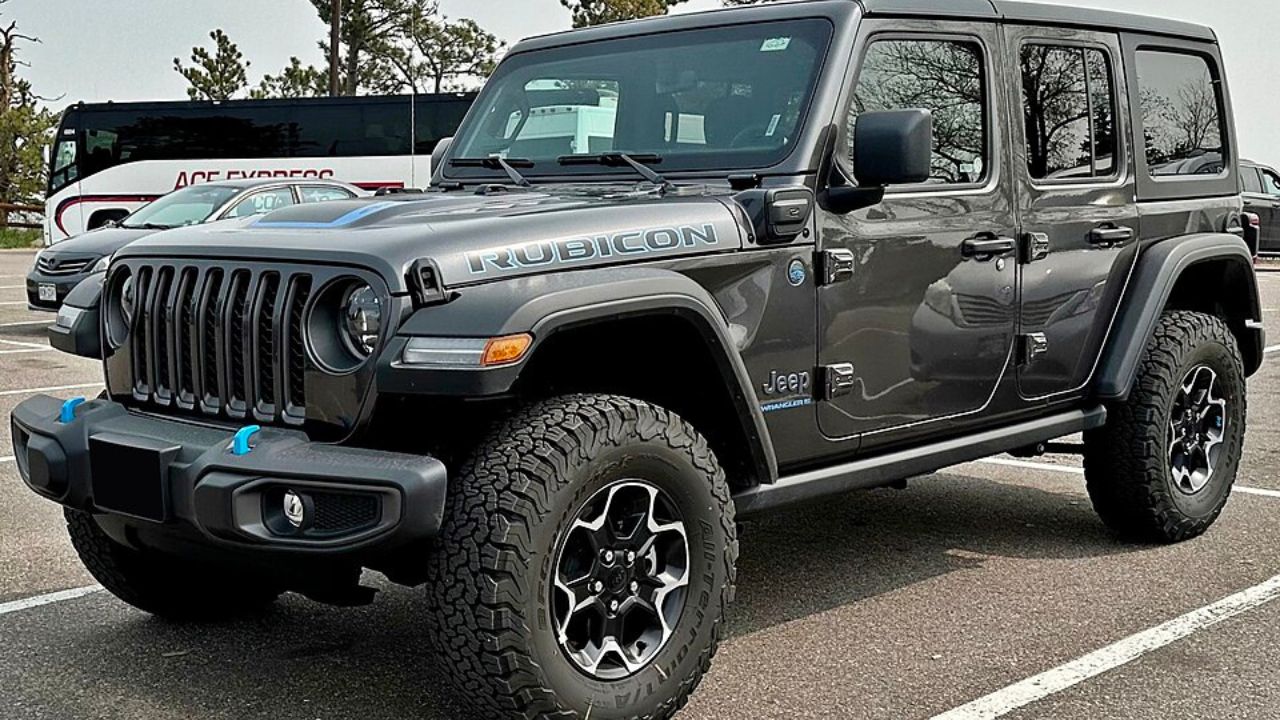
The initial purchase price of an off-road SUV can be steep. Take the 2023 Jeep Wrangler, for instance, which starts at around $30,000. However, the cost doesn’t stop there. Depreciation is a significant factor, with many SUVs losing about 20% of their value in the first year alone. After five years, vehicles like the Wrangler can depreciate up to 50%, making resale values a crucial consideration.
It’s important to weigh initial costs against long-term value retention. Some models hold their value better due to brand reputation and demand. Researching resale trends for specific makes and models can provide insights into potential depreciation, helping you better anticipate future financial commitments.
Fuel Efficiency and Expenses

Fuel efficiency is often a downside of off-road SUVs. For example, the 2024 Ford Bronco averages around 20 mpg. With rising fuel prices, these numbers translate into significant annual expenses. Off-road vehicles are typically heavier, with larger engines that consume more fuel, especially in city driving conditions.
To mitigate fuel costs, consider factors such as your average driving conditions and potential for modifications that improve efficiency. While off-road adventures can be thrilling, understanding the trade-off in fuel expenses is essential for budget-conscious drivers.
Maintenance and Repair Costs
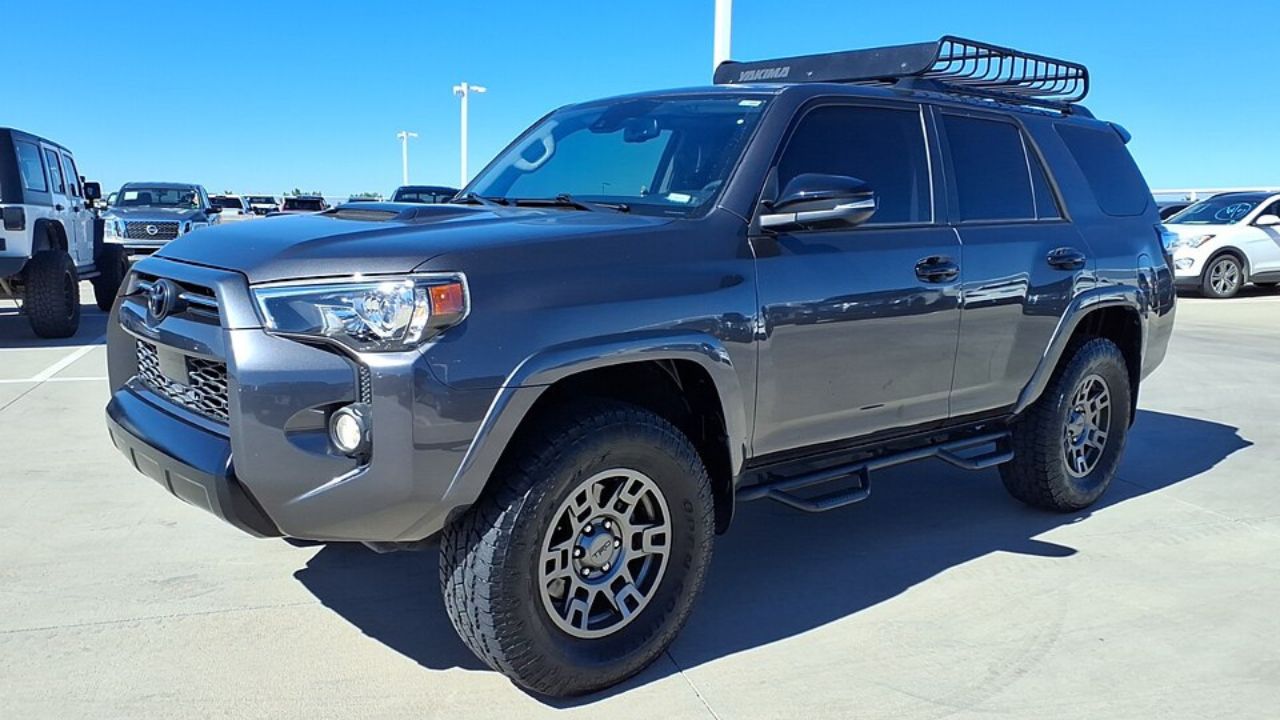
Regular maintenance and potential repairs are integral to owning an off-road SUV. The 2025 Toyota 4Runner, known for its durability, still requires consistent upkeep. Expenses can add up with specialized tires, suspension systems, and potential repairs from off-road wear and tear.
Predictive maintenance and warranty options can alleviate some costs, but owners should budget for unexpected repairs. Routine checks and timely servicing can extend the lifespan of your vehicle, ensuring it remains reliable for all your off-road adventures.
Environmental Impact

Off-road SUVs like the 2026 Land Rover Defender have a larger carbon footprint compared to smaller, more efficient vehicles. The environmental impact is a growing concern, with emissions and fuel consumption contributing to pollution. Many manufacturers are working towards greener alternatives, but traditional models still pose challenges.
Considering hybrid or electric options can reduce environmental impact while offering similar off-road capabilities. Balancing adventure with sustainability is becoming increasingly important for conscientious consumers.
Insurance and Registration Fees
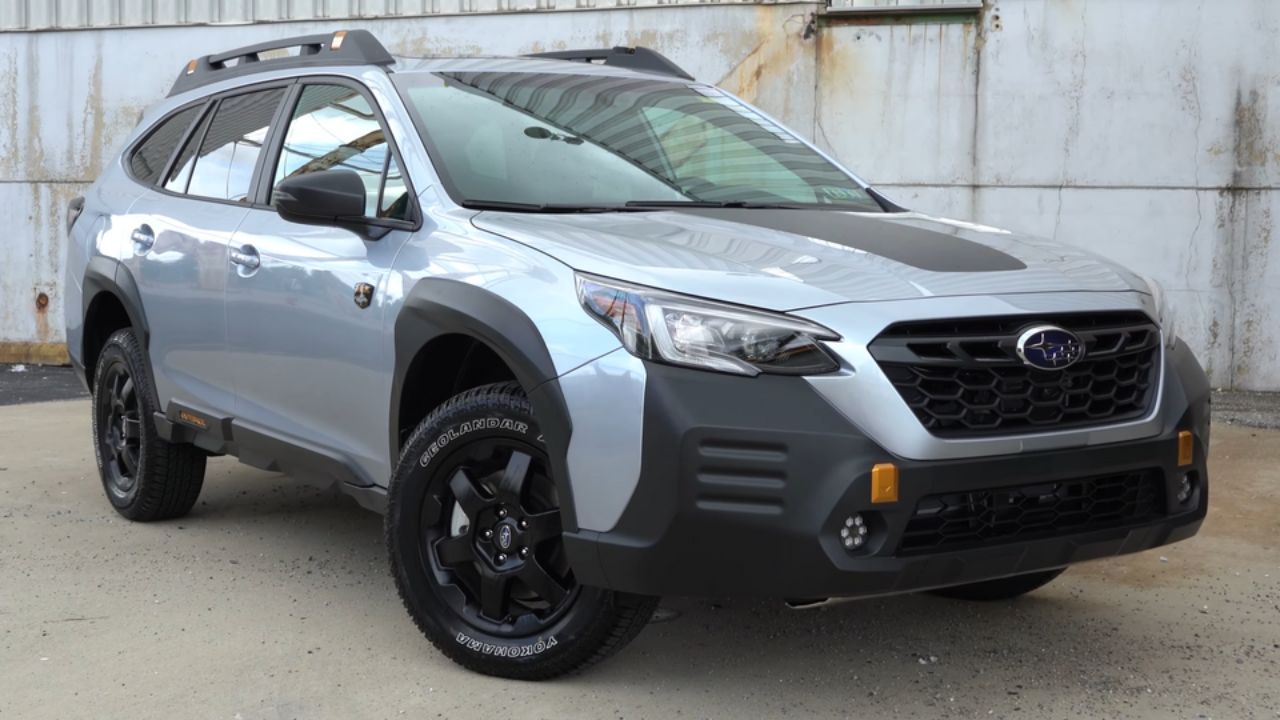
Insurance and registration fees can be higher for off-road SUVs due to their size and repair costs. The 2022 Subaru Outback Wilderness, for instance, may attract premium insurance rates, reflecting its off-road potential and associated risks.
Consulting with insurance providers about coverage options tailored to off-road use can help manage these costs. Additionally, understanding registration fee structures in your area can aid in budgeting the overall expenses associated with owning an off-road SUV.



Leave a Reply