
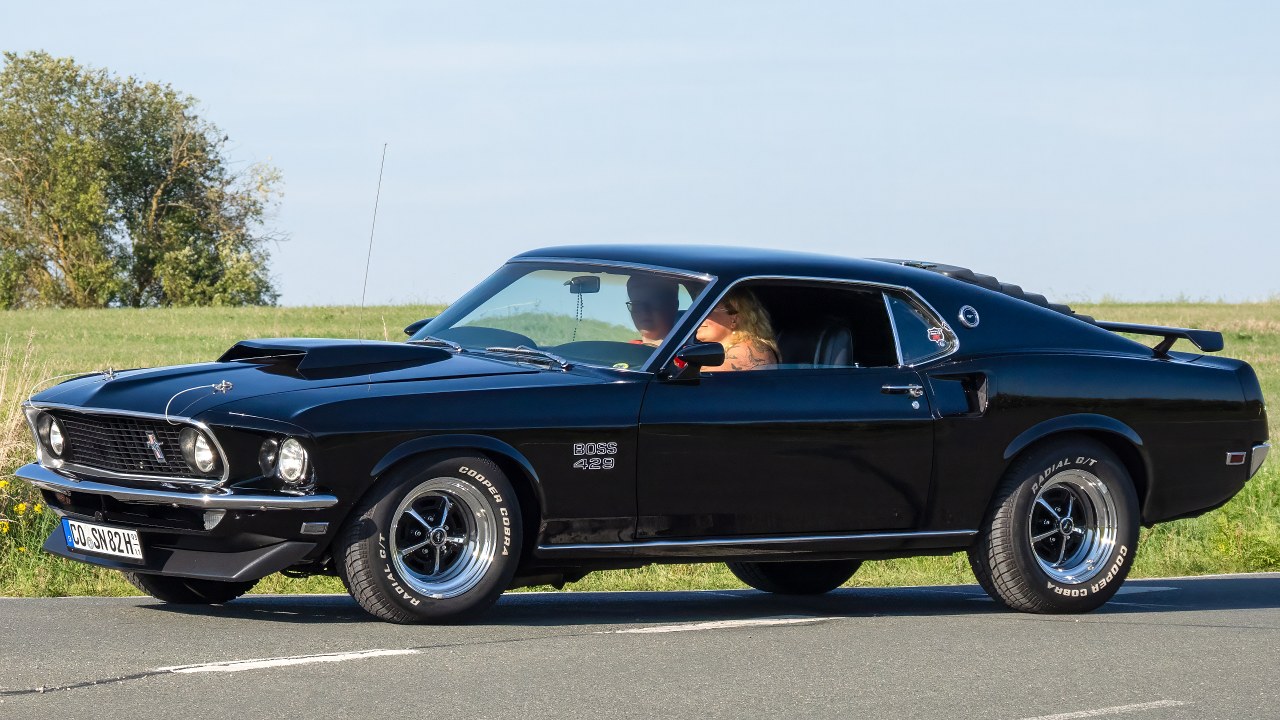
Owning a muscle car is an exhilarating experience, but it comes with a unique set of maintenance challenges. To keep these powerful machines running smoothly, owners need to be aware of common pitfalls. From regular oil changes to proper storage during the off-season, understanding these maintenance mistakes can save both time and money.
Neglecting Regular Oil Changes
Regular oil changes are crucial for the longevity of any car, especially muscle cars like the 1969 Ford Mustang. These vehicles often have powerful engines that demand high-quality lubrication to perform at their best. Neglecting to change the oil every 3,000 to 5,000 miles can lead to decreased performance and even engine damage. Be sure to use the correct grade oil recommended by the manufacturer to keep your engine purring smoothly.
For example, the 2020 Dodge Challenger requires synthetic oil to maintain its high-performance standards. Investing in regular oil changes ensures that the engine remains free from harmful sludge and wear, enhancing both performance and longevity.
Using Improper Fuel Types
Using the right type of fuel is paramount for maintaining a muscle car’s performance. Many classic models like the 1970 Chevrolet Chevelle are designed to run on higher octane fuel. Using a lower octane fuel can cause knocking and reduce engine efficiency. Always check the vehicle’s manual for the recommended fuel type to avoid any potential damage.
Modern muscle cars, such as the 2023 Ford Mustang GT, are engineered to handle specific fuel types as well. Using ethanol-blended fuels inappropriately can lead to engine issues, so it’s wise to stick to manufacturer recommendations to ensure optimal performance.

Overlooking Tire Maintenance
Tire maintenance is often overlooked but is vital for safety and performance. Muscle cars like the 1971 Plymouth Barracuda require specific tire types and pressures to handle their power effectively. Failing to regularly check tire pressure and tread can lead to uneven wear, reduced fuel efficiency, and even accidents.
For example, the 2025 Chevrolet Camaro needs tires with the right compound and tread pattern to maintain grip on the road. Regular rotation and alignment are also essential to prevent premature tire wear and ensure a smooth ride.
Ignoring Brake System Checks
The braking system is a crucial component of any vehicle, especially for high-performance cars like the 1968 Dodge Charger. Ignoring regular brake checks can lead to dangerous driving conditions. Worn-out brake pads or low brake fluid levels can severely impact braking performance.
Regular inspection of the brake system, including pads, rotors, and fluid levels, is essential for safety. For instance, the 2024 Ford Shelby GT500 requires periodic brake maintenance to handle its powerful engine and ensure the safety of the driver and passengers.
Skipping Cooling System Flushes
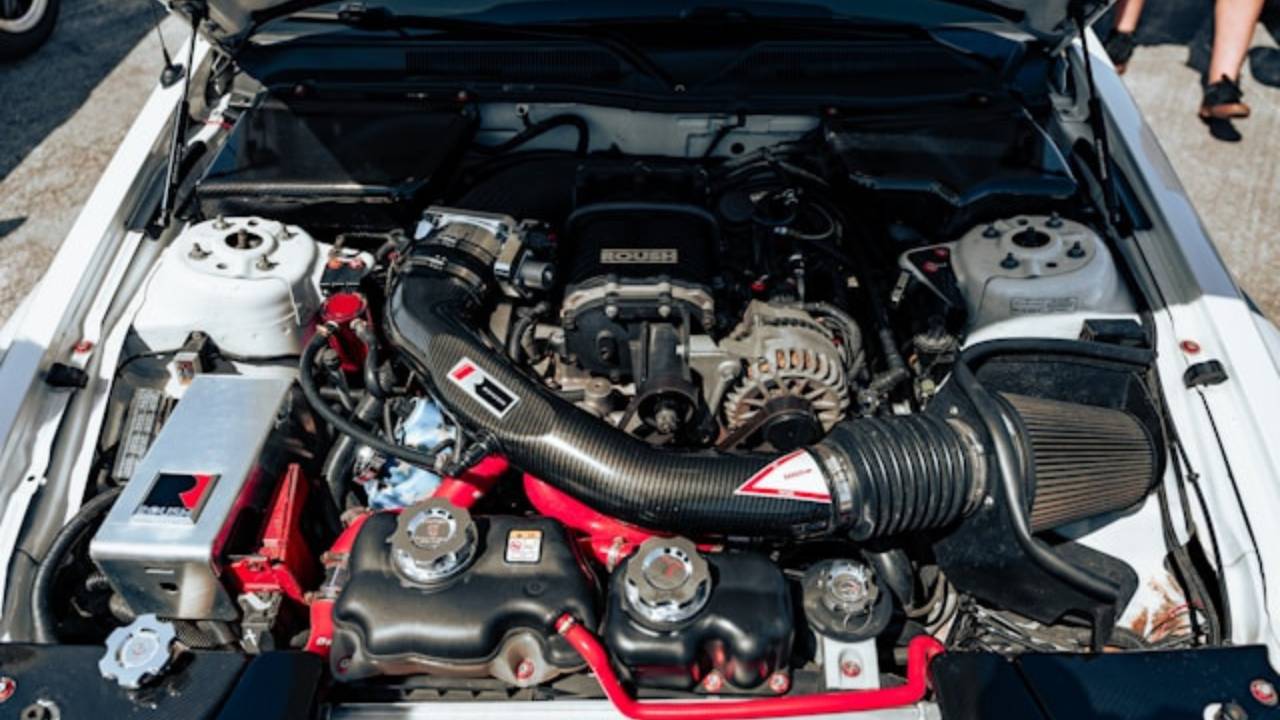
The cooling system in a muscle car works overtime to keep the engine temperature within safe limits. Models like the 1970 Pontiac GTO require regular cooling system flushes to prevent overheating. Neglecting this can lead to engine damage and costly repairs.
For newer models, the cooling system is designed to work with specific coolant types. Regular flushing and refilling with the correct coolant can prevent corrosion and maintain engine efficiency.
Neglecting Transmission Fluid Changes
Transmission fluid is often neglected in muscle cars, but it plays a vital role in keeping the gears running smoothly. Vehicles like the 1967 Chevrolet Camaro require regular transmission fluid changes to avoid gear slippage and overheating.
For modern cars like the 2022 Dodge Charger, using the correct transmission fluid and keeping up with scheduled changes can prevent costly transmission repairs. Always consult the vehicle’s manual for the recommended fluid type and change intervals.
Failing to Store Properly During Off-Season
Proper storage during the off-season is crucial for preserving a muscle car’s condition. Classic cars like the 1965 Ford Mustang need to be stored in a climate-controlled environment to prevent rust and other damage.
For instance, the 2025 Dodge Challenger benefits from proper storage that includes battery maintenance and fuel stabilization. Taking these precautions ensures that the car remains in peak condition when it’s time to hit the road again.
Overlooking Electrical System Inspections
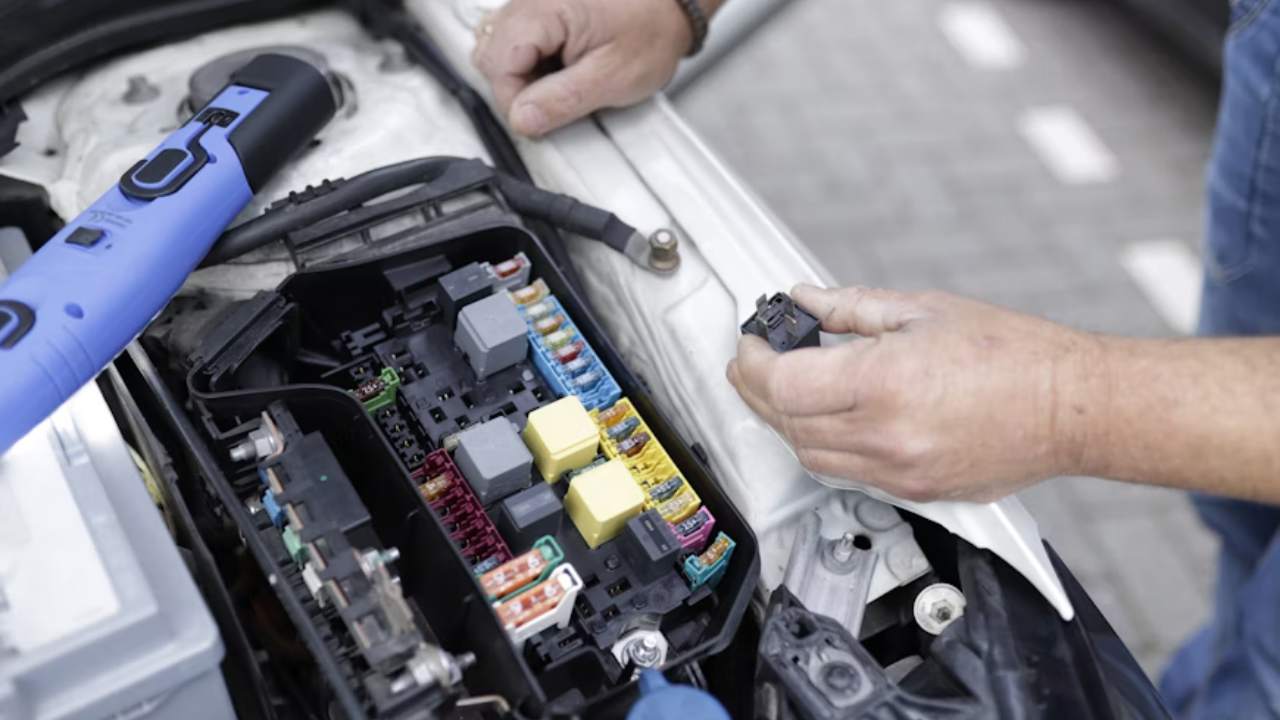
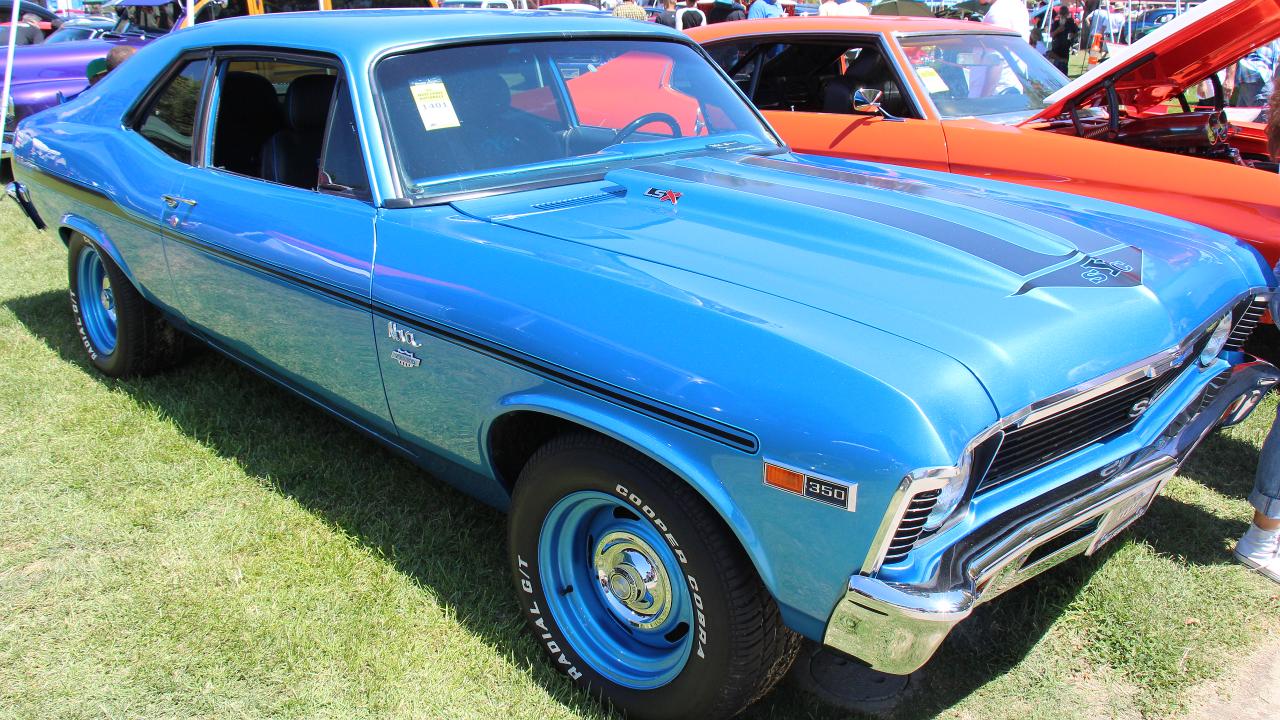
The electrical system in a muscle car is responsible for powering everything from the ignition to the lights. Ignoring regular inspections can lead to electrical failures, which can be costly to fix. For example, the 1972 Chevrolet Nova benefits from periodic checks of its wiring and battery connections.
Modern muscle cars, like the 2024 Ford Mustang Mach 1, have complex electrical systems that require careful maintenance. Regular inspections can help identify potential issues before they become serious problems, ensuring that everything runs smoothly.
Using Incorrect Replacement Parts
Using incorrect replacement parts can severely affect a muscle car’s performance and longevity. Muscle cars like the 1969 Pontiac Firebird require specific parts designed for their unique specifications. Using generic or incorrect parts can lead to performance issues and even damage.
For the 2023 Chevrolet Camaro, ensuring that any replacement parts meet manufacturer specifications is crucial. This includes everything from engine components to suspension parts. Always consult with a knowledgeable mechanic to ensure that the right parts are used in any repairs or upgrades.



Leave a Reply