
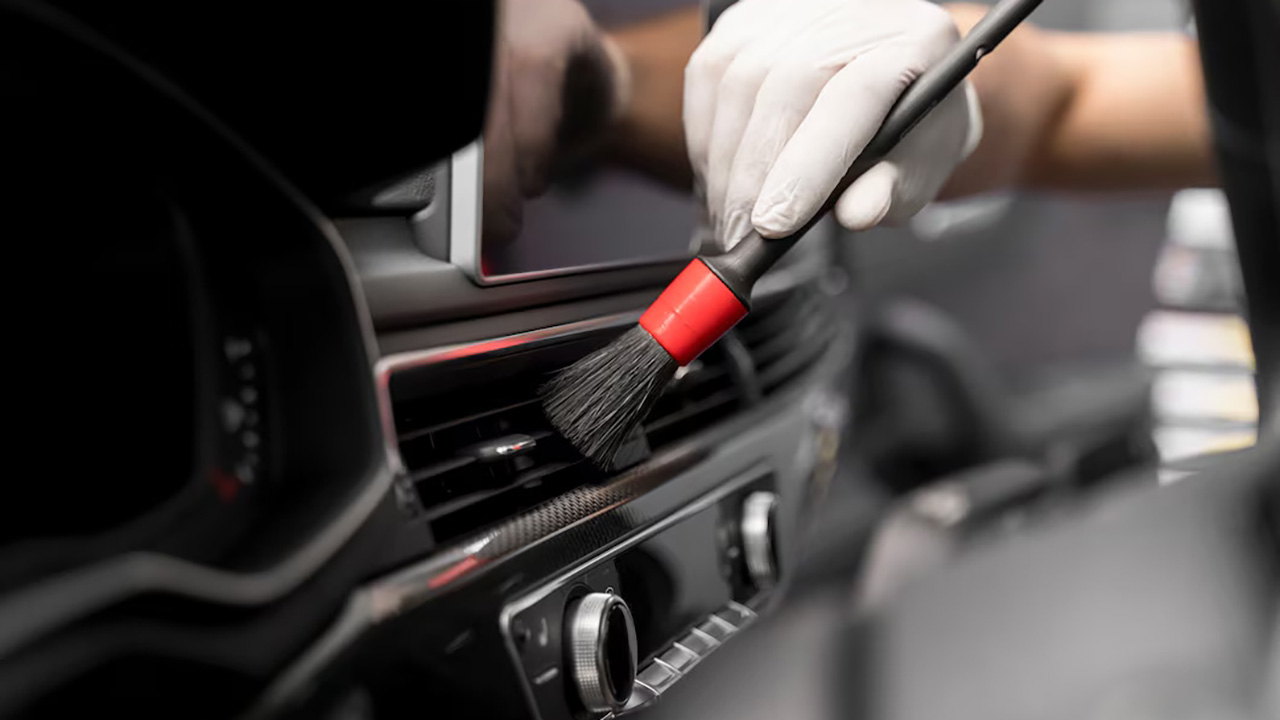
Muscle cars are more than just vehicles; they’re a piece of automotive history that demand special care and attention. Whether you own a classic 1969 Chevrolet Camaro or a modern-day marvel like the 2025 Ford Mustang, preserving the paint and chrome is essential for maintaining their aesthetic appeal. From selecting the right cleaning products to ensuring regular maintenance, here are ten tips to keep your muscle car looking its best.
Choose the Right Cleaning Products
When it comes to detailing a muscle car like the 1970 Dodge Challenger, choosing the right cleaning products is crucial. Opt for products that are specifically designed for automotive use. Avoid household cleaners, which can be too harsh and strip away the protective layers on your car’s paint and chrome. I personally recommend brands like Meguiar’s or Chemical Guys, which offer a range of products suited for different types of finishes. Always test a small area first to ensure compatibility with your car’s surfaces.
Wash in the Shade
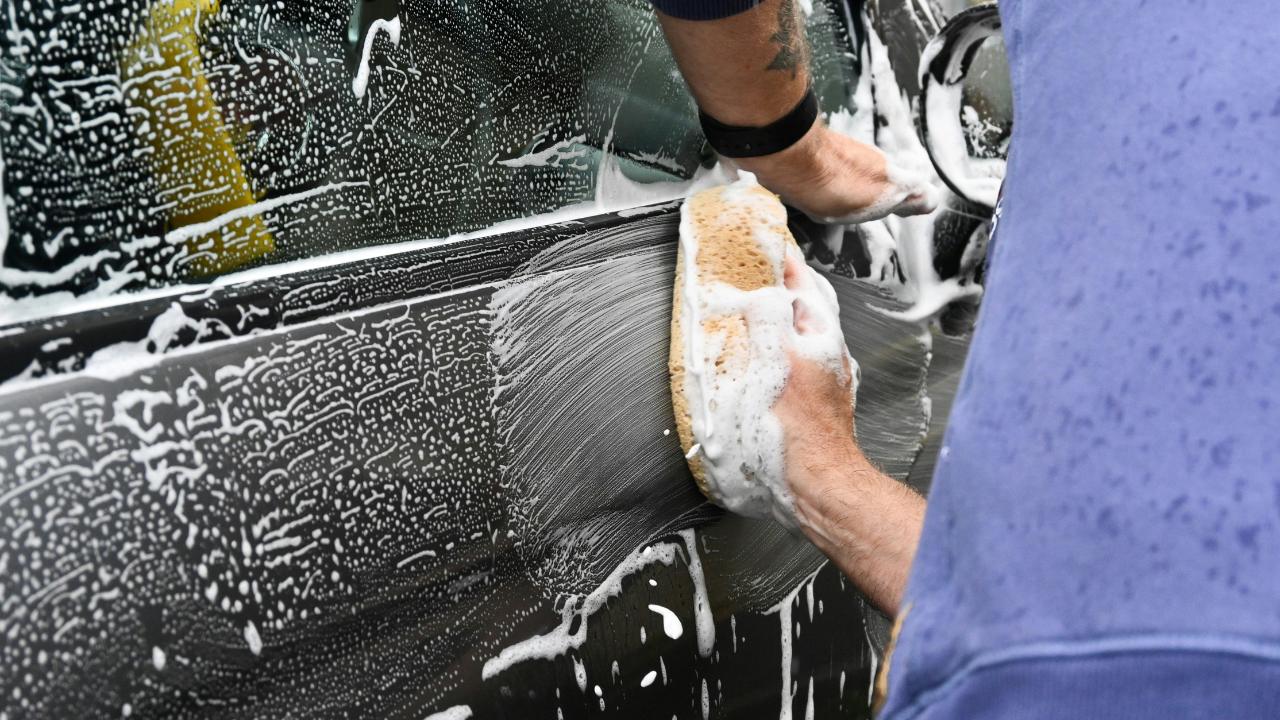
Washing your muscle car in direct sunlight can lead to water spots and streaks, which is why I always recommend finding a shaded area for this task. This is particularly important for models like the 1968 Pontiac GTO, whose paint job can be sensitive to heat and bright light. The sun can cause the water and soap mixture to dry too quickly, leaving unsightly marks. If a shaded area isn’t available, consider washing during the early morning or late afternoon when the sun is less intense.
Use the Two-Bucket Method
The two-bucket method is an effective way to minimize the risk of scratching your car’s paint. For a car like the 2026 Chevrolet Corvette, it involves using one bucket filled with soapy water and another with clean water for rinsing your wash mitt. This method prevents dirt and grit from being reintroduced onto the car’s surface. By regularly rinsing the mitt, you ensure that you’re not dragging contaminants across the paint, which could lead to fine scratches that dull the finish.
Opt for Microfiber Towels
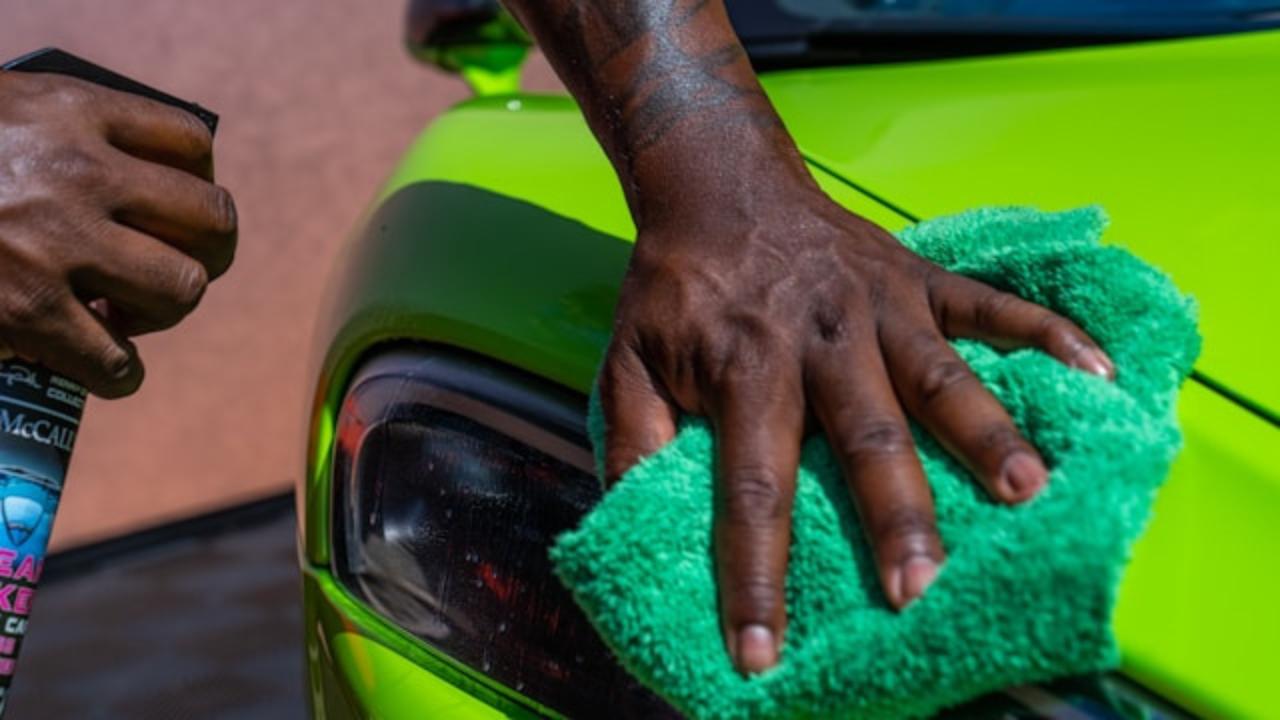
Microfiber towels are a must-have for anyone detailing a classic muscle car like the 1971 Plymouth Barracuda. These towels are designed to lift and trap dirt and moisture without scratching surfaces, unlike traditional cotton towels. I recommend using separate microfiber towels for different parts of the car—one for the body, another for the wheels, and a third for drying. This minimizes the risk of cross-contamination and ensures each area is treated with the care it deserves.
Clay Bar Treatment
A clay bar treatment is a great way to remove embedded contaminants from the surface of your car, whether it’s a 1967 Ford Shelby GT500 or any other model. This method involves gently rubbing a clay bar over the surface to lift away impurities that regular washing can’t reach. I suggest using a clay lubricant to prevent scratching, ensuring the surface is as smooth as possible before applying wax or sealant. It’s a meticulous process, but the results are well worth the effort.
Apply a High-Quality Wax
Applying a high-quality wax not only enhances the shine of your muscle car but also provides a protective barrier against environmental elements. For cars like the 2024 Dodge Charger, I recommend using a carnauba or synthetic wax for long-lasting protection. Apply the wax in small sections, using a circular motion, and buff it out with a clean microfiber towel for a brilliant finish. Regular waxing can significantly extend the life of your car’s paint job.
Protect Chrome with a Sealant
Chrome accents on muscle cars like the 1972 Chevrolet Chevelle need extra attention to maintain their luster. After cleaning, apply a dedicated chrome polish to remove any oxidation. Follow this with a sealant to protect against corrosion and tarnishing. I find that sealants specifically designed for chrome provide the best results, keeping the accents bright and corrosion-free for longer. Regular sealing can help maintain the showroom shine of your car’s chrome parts.

Clean Wheels and Tires Separately
The wheels and tires of a muscle car, such as the 1969 Pontiac Firebird, often accumulate more dirt and brake dust than other parts. Therefore, it’s best to clean them separately using a dedicated wheel cleaner and a separate set of brushes and towels. This prevents the transfer of grime to the car’s paintwork. Ensure that the cleaner is safe for the type of wheels your car has, whether they’re aluminum, chrome, or painted, to avoid any damage.
Avoid Automatic Car Washes
While convenient, automatic car washes can be detrimental to the paint and chrome of a classic like the 1970 Ford Torino. The brushes and harsh chemicals used can cause scratches and wear down the protective layers on your car. I always recommend hand washing to ensure every inch of the vehicle is cleaned with care and precision. If a hand wash isn’t feasible, look for touchless car washes that use high-pressure water jets instead.
Regular Maintenance and Inspection
Regular maintenance and inspection are key to preserving the beauty of your muscle car, whether it’s a vintage 1966 Oldsmobile 442 or a state-of-the-art 2025 Camaro ZL1. I make it a habit to inspect the car for any signs of wear or damage after each wash. Look for chips, scratches, and signs of rust, addressing them promptly to prevent further deterioration. This proactive approach ensures that your car remains in top condition, ready for the road or the show.


Leave a Reply