

Owning a classic car isn’t just about transportation; it’s a lifestyle choice that offers a unique blend of nostalgia, aesthetics, and weekend adventure. For many, these vintage vehicles are more than just machines; they are a gateway to a different era, providing a sense of escape and personal fulfillment. We’ll explore the joys and challenges of owning a classic car as a weekend-only lifestyle.
The Allure of Classic Cars
Nostalgia and Aesthetics
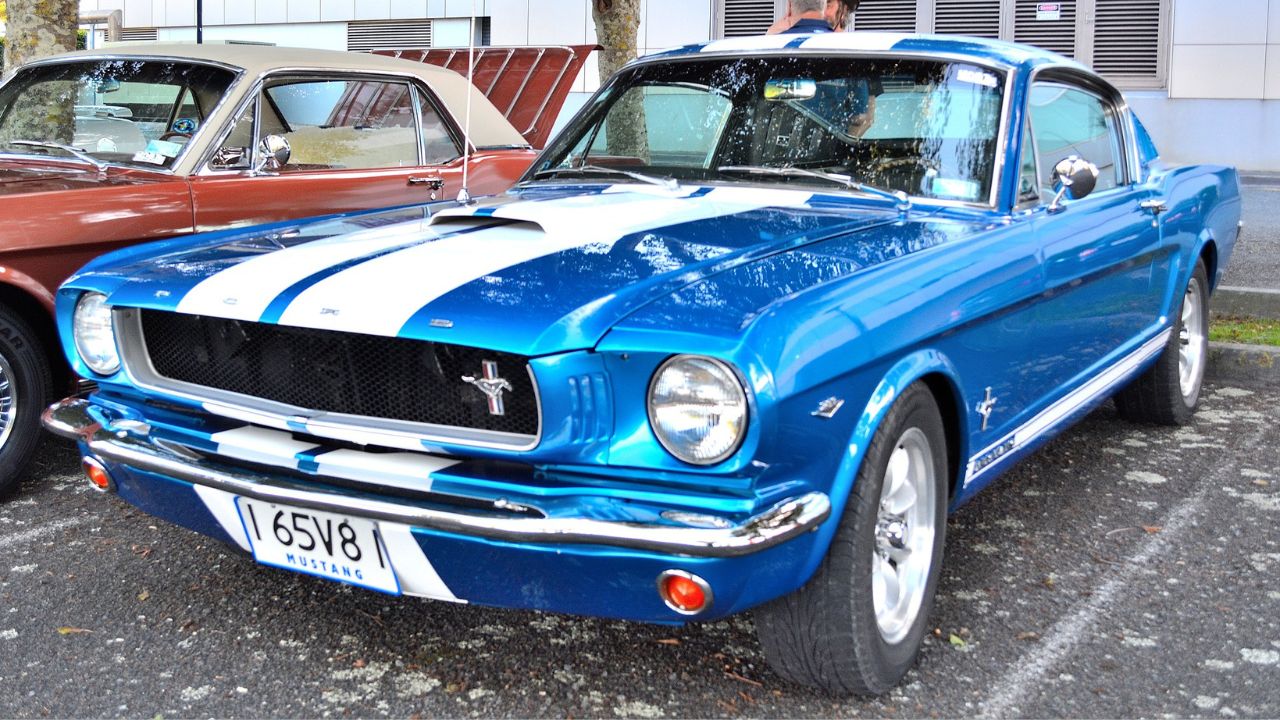
Classic cars evoke a profound sense of nostalgia, transporting us to a time when automotive design was as much about artistry as it was about function. Consider the 1965 Ford Mustang, an icon of American culture. Its sleek lines and powerful stance capture the spirit of the 60s, a time when cars were crafted with passion and individuality. The Mustang, along with other classics like the 1957 Chevrolet Bel Air, embodies timeless design that continues to captivate enthusiasts today.
These cars aren’t just transportation; they’re rolling pieces of history that turn heads and spark conversations wherever they go. Their aesthetic appeal lies in the details—the chrome finishes, the bold colors, and the distinctive shapes that set them apart from today’s more homogeneous designs.
Cultural Impact
Classic cars have left a significant mark on popular culture, often serving as symbols of freedom and rebellion. Movies like “Bullitt” featuring the 1968 Ford Mustang GT, and “The Italian Job” with its Mini Coopers, have cemented these vehicles’ status as cultural icons. They represent more than just a mode of transport; they are woven into the fabric of society, reflecting the values and aspirations of their time.
In addition to their cinematic roles, classic cars often appear in literature and music, symbolizing everything from youthful rebellion to a yearning for the past. Their presence in various media underscores their importance in our collective consciousness, making them cherished possessions for those who value cultural heritage.
Community and Events
Owning a classic car opens the door to a vibrant community of like-minded individuals. Enthusiasts gather at events such as the Goodwood Festival of Speed or the Pebble Beach Concours d’Elegance, where they can share their passion and knowledge. These gatherings are more than just car shows; they are celebrations of automotive heritage and ingenuity.
Participating in these events allows classic car owners to become part of a global network, where they can exchange tips, stories, and even parts. The camaraderie found within the classic car community is unparalleled, offering a sense of belonging and shared purpose.
Practical Considerations
Storage and Maintenance
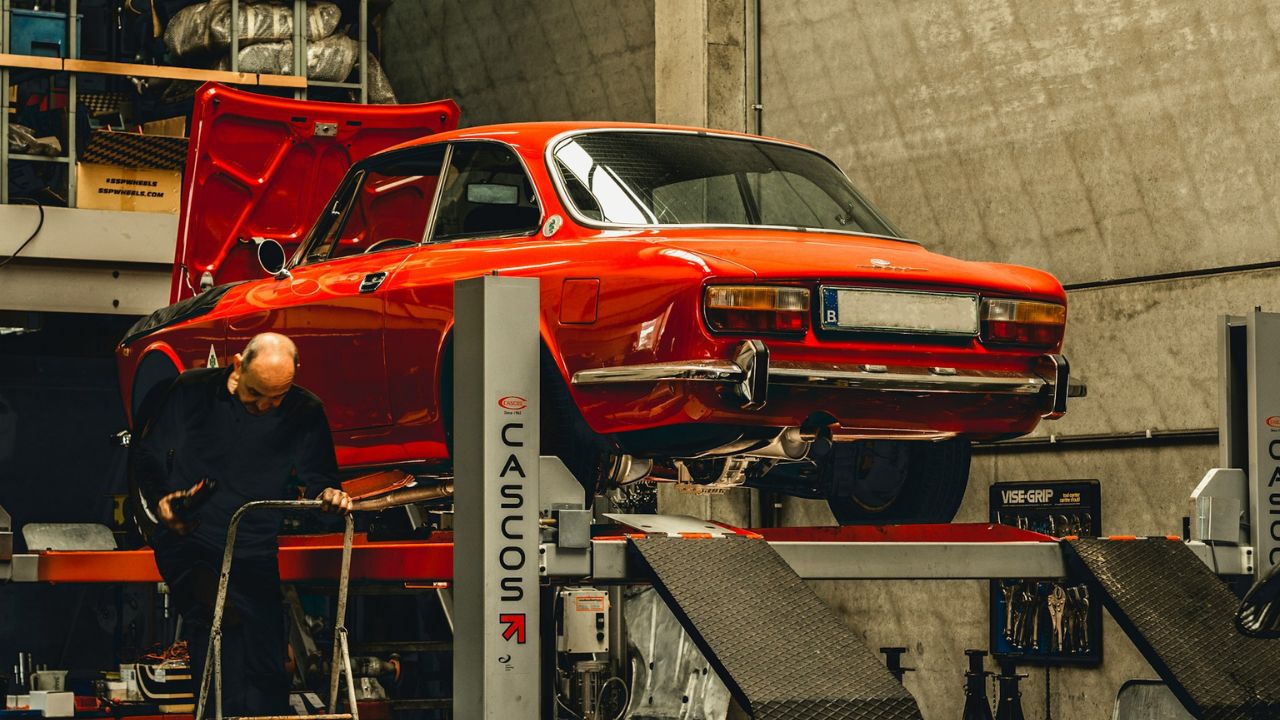
Proper storage and maintenance are crucial to preserving the condition of a classic car. Unlike modern vehicles, classics such as the 1970 Dodge Charger require specific care to prevent deterioration. A climate-controlled garage can safeguard against rust and environmental damage, while regular maintenance checks help keep the car running smoothly.
Routine tasks like oil changes, tire rotations, and engine inspections are essential to extend the life of these vintage machines. For those new to classic car ownership, finding a trustworthy mechanic familiar with older models is invaluable.
Insurance and Registration
Insurance and registration for classic cars differ from standard vehicles. Specialty insurers like Hagerty or Grundy offer tailored policies that consider the car’s value, usage, and condition. These policies often include agreed value coverage, ensuring that owners receive full compensation in the event of a loss.
Registration requirements can also vary, with some areas offering special plates for classic cars. These plates may come with restrictions on usage, typically allowing the car to be driven only on weekends or for special events. Understanding these nuances is essential to legally and responsibly enjoy a classic car.
Finding the Right Model
Choosing the right classic car involves balancing personal style, budget, and availability. A 1969 Chevrolet Camaro might appeal to muscle car fans, while others might prefer the elegance of a 1954 Jaguar XK120. Prospective buyers should research different models, considering factors like parts availability and ease of maintenance.
Attending auctions or joining classic car clubs can provide valuable insights and opportunities to find the perfect vehicle. Online platforms like Hemmings or Bring a Trailer also offer extensive listings, making it easier to compare options and prices.
Financial Aspects
Investment Value
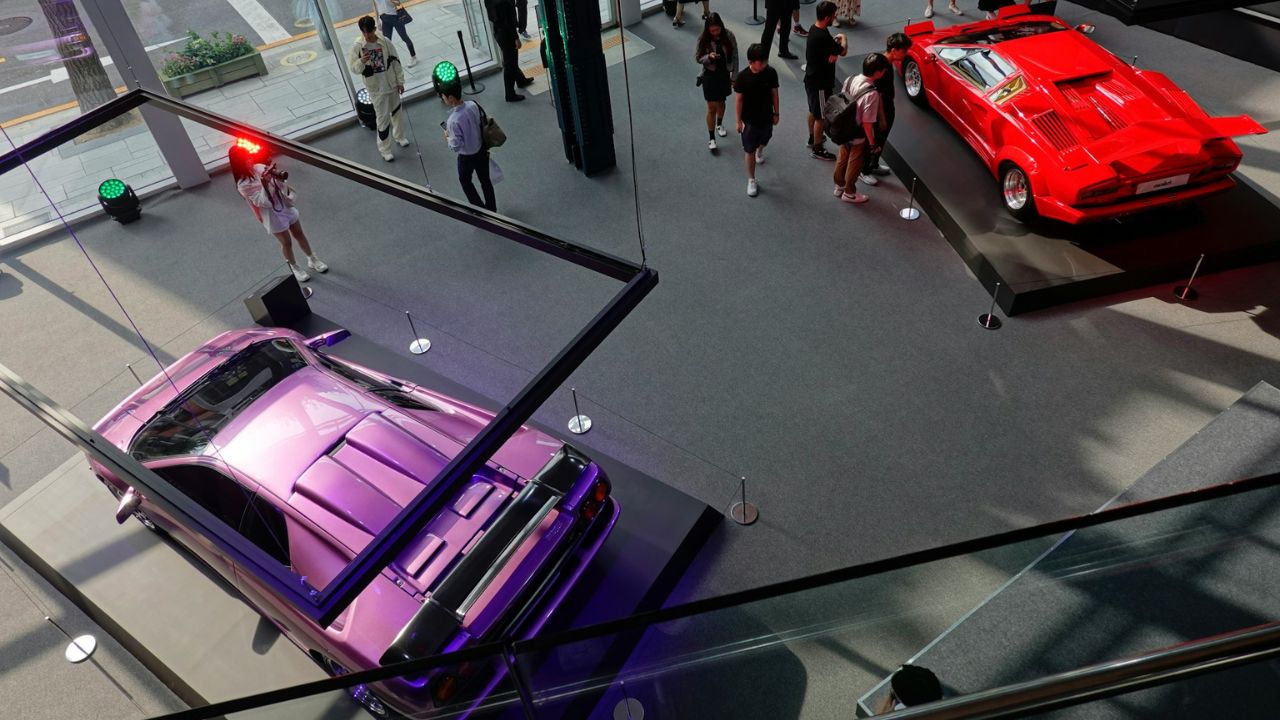
Classic cars can be lucrative investments, with many models appreciating over time. A well-maintained 1963 Ferrari 250 GTO, for instance, can fetch millions at auction, far exceeding its original purchase price. However, not all classic cars guarantee a return on investment, so it’s vital to research market trends and consult experts.
Investors should consider factors like rarity, historical significance, and condition when evaluating a classic car’s potential value. While financial gain shouldn’t be the sole motivation for ownership, it’s an appealing aspect for those who choose wisely.
Cost of Ownership
The costs associated with owning a classic car extend beyond the initial purchase price. Maintenance, insurance, and storage expenses can add up quickly. For example, maintaining a 1972 Porsche 911 requires specialized knowledge and parts, which can be costly and time-consuming to source.
Budgeting for these expenses is crucial to avoid unforeseen financial strain. Potential owners should calculate not only the purchase price but also ongoing costs to ensure they can comfortably afford the lifestyle.
Restoration Costs
Restoring a classic car to its former glory can be a rewarding yet expensive endeavor. A project like reviving a 1958 Cadillac Eldorado can require significant time and resources. Restoration costs can vary widely depending on the car’s condition and the level of work needed.
Owners should seek estimates from reputable restoration shops and weigh the benefits of a full restoration against partial repairs. While a complete restoration can enhance a car’s value and performance, it’s important to consider the financial implications carefully.
The Driving Experience

Unique Driving Sensation
Driving a classic car offers a distinct experience that modern vehicles cannot replicate. The mechanical feedback and tactile engagement of a 1967 Austin-Healey 3000, for example, provide a visceral connection to the road. These cars invite drivers to savor each moment, from the roar of the engine to the tactile feel of the steering wheel.
For many enthusiasts, the joy of driving a classic car lies in its imperfections—the quirks and challenges that make each journey unique. This intimate connection to the vehicle enhances the driving experience, transforming a simple drive into an adventure.
Weekend Road Trips
Weekend road trips are the perfect way to enjoy a classic car, turning a leisurely drive into an exploration of new places. Routes like California’s Pacific Coast Highway offer breathtaking views and winding roads that are ideal for a 1965 Shelby Cobra. Planning such trips can maximize the enjoyment of owning a classic car, allowing drivers to escape their daily routines.
Preparing for a road trip involves ensuring the car is in top condition. Checking fluid levels, tire pressure, and packing necessary tools are all part of the process, ensuring a smooth and enjoyable journey.
Social Drives and Meetups
Participating in social drives and meetups is a wonderful way to connect with other classic car enthusiasts. Events like the Copperstate 1000 or local cars and coffee gatherings provide opportunities to share experiences and showcase vehicles like the 1971 Mercedes-Benz 280SL.
These events foster a sense of community and offer a platform for owners to exchange tips and advice. Joining a car club can also lead to lifelong friendships, united by a shared passion for automotive history.
Lifestyle and Personal Fulfillment
Balancing Passion with Practicality
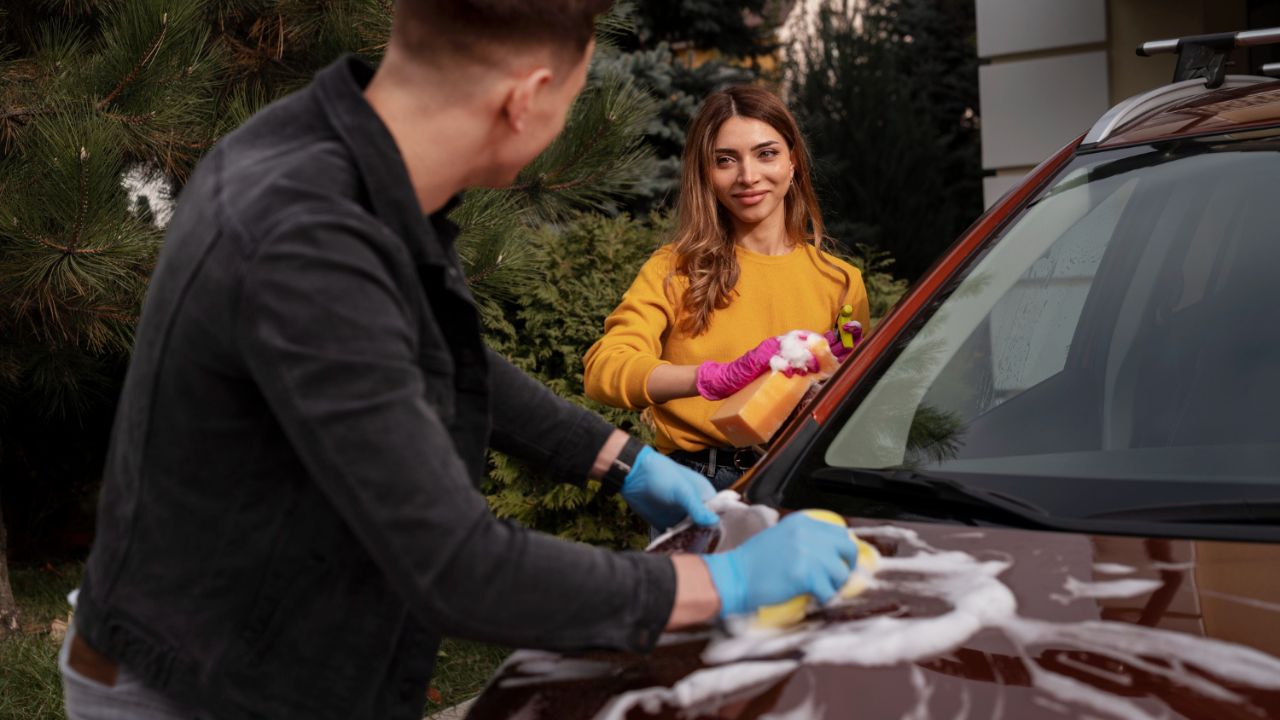
Owning a classic car requires balancing passion with practicality. Daily responsibilities and commitments can make it challenging to find time for a hobby that demands attention and care. However, many owners find that the rewards far outweigh the challenges.
Setting aside dedicated time for maintenance and driving can help integrate this passion into a busy lifestyle. For some, the act of working on their car is itself a form of relaxation and fulfillment.
Personal Stories
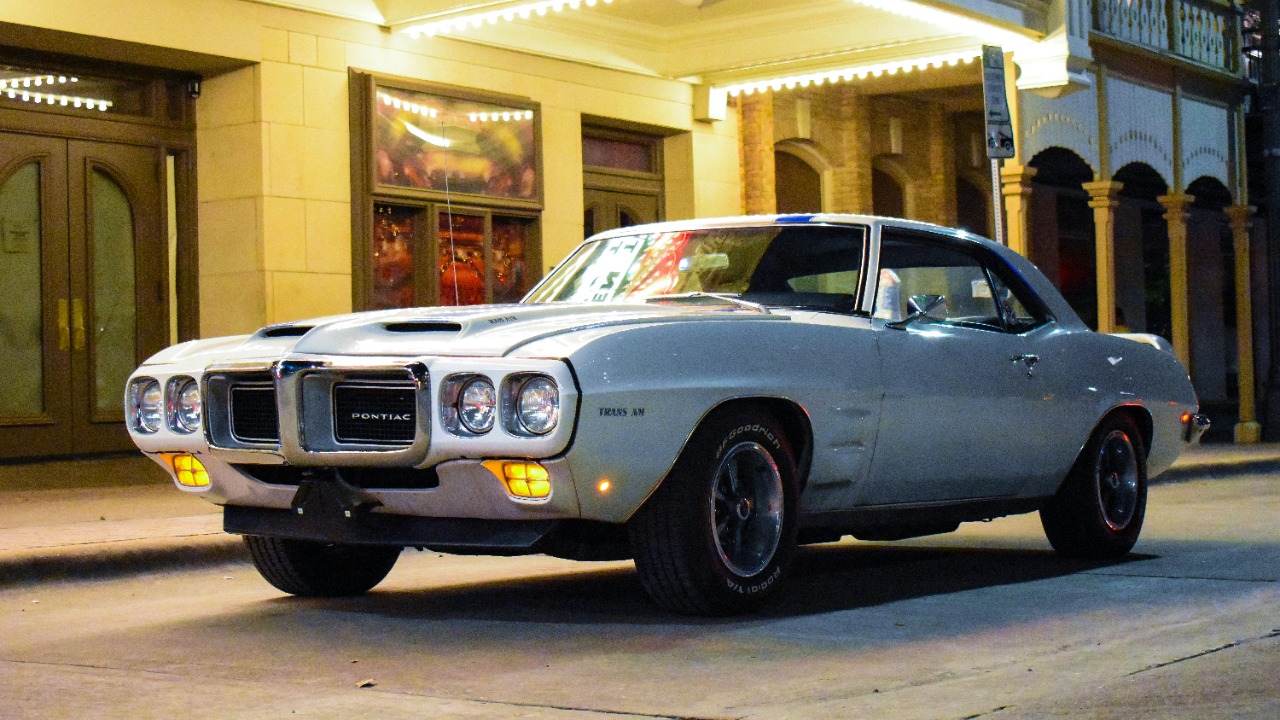
Many classic car owners have personal stories that highlight the unique lifestyle these vehicles offer. For example, a friend who owns a 1969 Pontiac GTO shared how restoring the car became a family project, bringing together generations over a shared love of automotive history.
These stories often reflect the deep personal connection between owners and their vehicles, illustrating how classic cars can become an integral part of one’s identity and life journey.
Preserving Automotive History
Classic car owners play a crucial role in preserving automotive history for future generations. Maintaining and restoring vehicles like the 1935 Duesenberg Model SJ ensures that these pieces of history remain accessible and appreciated by enthusiasts and historians alike.
By keeping these cars on the road, owners contribute to a living history, allowing others to experience the charm and elegance of vintage automobiles. This preservation effort is a testament to the passion and dedication of the classic car community, ensuring that these treasures continue to inspire and captivate for years to come.
Like Fast Lane Only’s content? Be sure to follow us.
Here’s more from us:
*Created with AI assistance and editor review.




Leave a Reply