
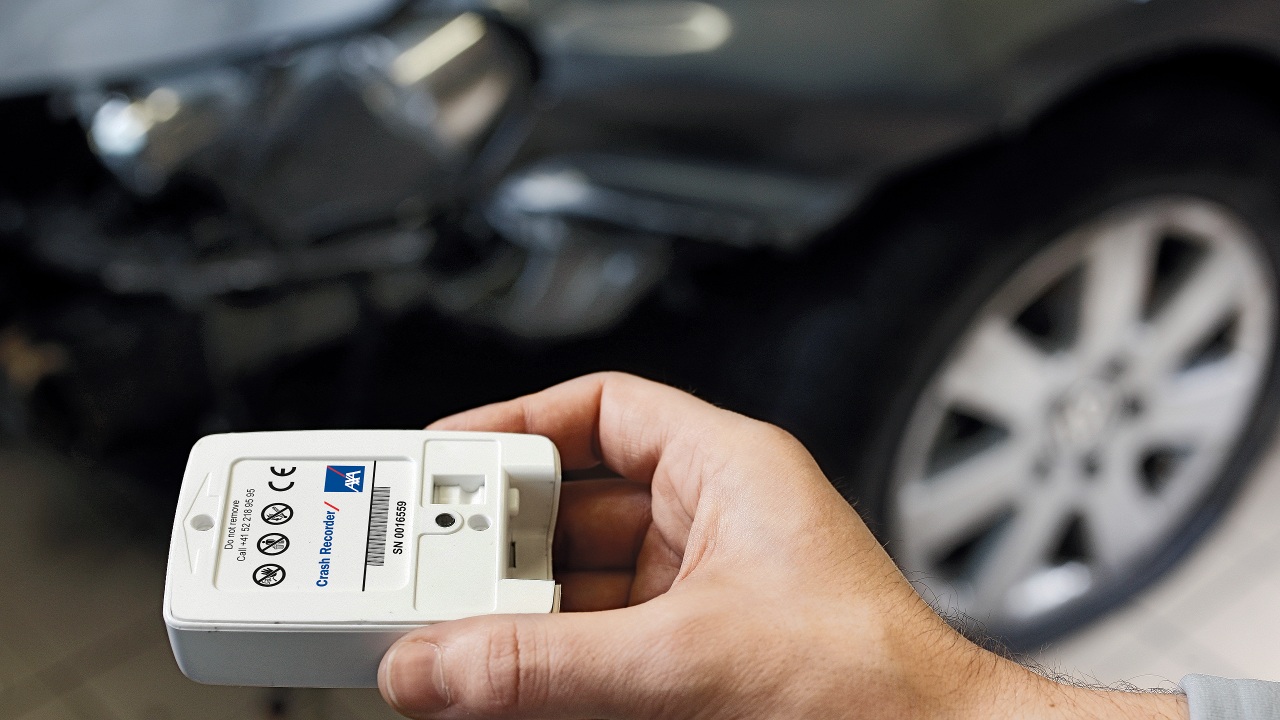
The modern vehicle is a marvel of technology, and among its many features is the often-overlooked black box, or Event Data Recorder (EDR). As these devices become increasingly sophisticated, understanding the data they collect and how it’s used is crucial for every driver. Delving into the essential aspects of black box data, drivers can better comprehend the implications of this technology on privacy, safety, and legal matters.
Understanding the Basics of Black Box Data
The black box, known technically as an Event Data Recorder (EDR), is a device installed in vehicles to record specific technical vehicle and occupant information during a crash or a collision event. Much like the black boxes used in aviation, these devices are designed to provide crucial data that can help in understanding the circumstances leading up to an accident. Typically, EDRs capture data such as speed, throttle position, airbag deployment, seatbelt status, and braking activity.
The evolution of black boxes from aviation to automotive technology marks a significant shift in how data is utilized in transportation. Initially used in airplanes to improve safety by providing insights during crash investigations, the automotive industry adopted this technology to enhance vehicle safety measures and understand crash dynamics better. Today, most modern vehicles, especially those manufactured after 2014, are equipped with some form of EDR, as mandated by regulations in various countries.
The key data captured by vehicle black boxes include a range of parameters that can vary depending on the vehicle make and model. For instance, a 2020 Ford Explorer might record pre-crash data such as vehicle speed, engine RPMs, brake usage, and steering angles. Additionally, post-crash data like airbag deployment timing and seatbelt status are also logged. This data serves as a digital witness, providing objective information that can be crucial in understanding the dynamics of an accident.
Legal Implications of Black Box Data
One of the most pressing questions surrounding black box data is ownership and privacy. Generally, the data recorded by an EDR is considered the property of the vehicle owner. However, this ownership can become complex in situations involving insurance companies, law enforcement, or legal proceedings. For instance, after a crash, law enforcement agencies may request access to this data to determine the cause of the accident. While owners have the right to refuse access without a warrant, this can sometimes complicate investigations.
The regulatory landscape for black box data varies by region, but in the United States, the National Highway Traffic Safety Administration (NHTSA) has set forth guidelines that require EDRs to record specific data elements. However, these regulations do not explicitly address privacy concerns, leaving it up to state laws to define access rights. Notable legal precedents have arisen from cases such as the 2012 Florida v. Jardines, where EDR data played a pivotal role in determining liability, setting a standard for how such data can be used in court.
Legal precedents continue to shape the landscape of EDR data usage. In some cases, courts have ruled in favor of using EDR data to convict drivers of reckless behavior, while in others, data inaccuracies have led to challenges in court. As technology advances, the legal system is constantly adapting to ensure that the use of this data respects both the privacy rights of individuals and the needs of public safety.
Practical Uses of Black Box Data
In the realm of accident investigation, black box data is invaluable. By providing precise details about the vehicle’s behavior seconds before a crash, investigators can reconstruct the sequence of events leading up to the accident. This information can be critical in determining fault, understanding crash dynamics, and preventing future incidents. For instance, in a collision involving a 2019 Toyota Camry and a pedestrian, EDR data revealed that the driver had not applied the brakes, aiding in the determination of liability.
Insurance companies also rely heavily on black box data to expedite claims and determine fault. By analyzing the recorded data, insurers can quickly assess the circumstances of an accident, reducing the time and resources needed for investigations. This not only speeds up the claims process but also helps in identifying fraudulent claims. In some cases, insurers offer discounts to drivers who agree to install and share data from devices like Progressive’s Snapshot, which tracks driving habits to offer personalized rates.
Beyond accident analysis, EDR data plays a role in vehicle maintenance and safety. By monitoring data such as engine performance and braking efficiency, manufacturers can identify potential defects and improve vehicle safety features. For example, in 2014, General Motors used black box data to identify a defect in ignition switches that led to unexpected stalling, prompting a massive recall to address the issue. Such insights enable automakers to enhance vehicle safety, ultimately benefiting drivers and passengers alike.
Challenges and Concerns Surrounding Black Box Data
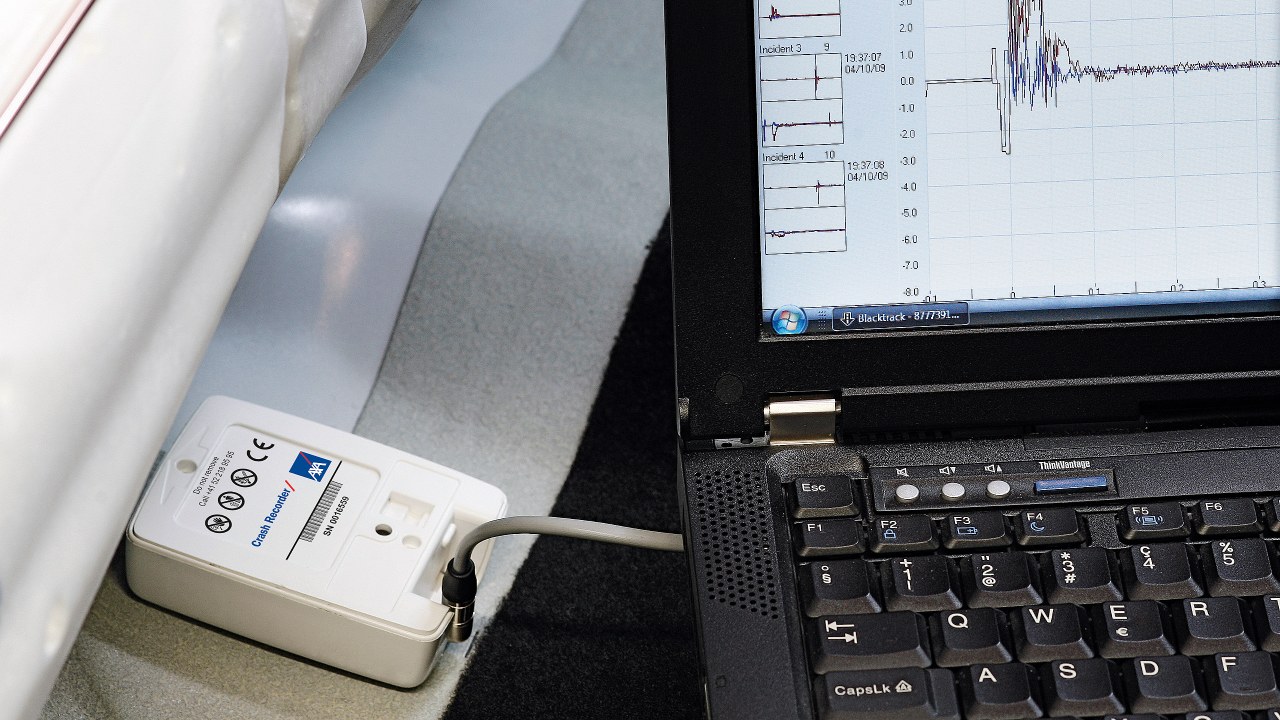
Despite the benefits, challenges regarding data accuracy and reliability persist. EDRs are designed to withstand severe impact, but there are instances where data may be incomplete or inaccurate. Factors such as device malfunctions, software issues, or environmental conditions can affect the reliability of the recorded data, potentially leading to disputes in legal and insurance contexts.
Privacy concerns are a significant issue as well. Drivers may feel uneasy about the amount of personal data being collected and how it is being used. The balance between leveraging data for safety and respecting individual privacy rights is delicate, and ongoing discussions among policymakers, manufacturers, and consumer advocates aim to address these concerns. For example, the European Union’s General Data Protection Regulation (GDPR) imposes strict guidelines on data collection and processing, offering a potential framework for automotive data privacy.
Technological limitations also present challenges. While current EDRs capture a wealth of information, there is always room for improvement. Future advancements may include real-time data streaming to cloud-based platforms, enabling more comprehensive analysis and quicker responses to accidents. However, these advancements will need to be weighed against potential privacy intrusions and the risk of data breaches.
Future of Black Box Data in the Automotive Industry
As technology continues to evolve, the future of black box data in the automotive industry looks promising. Emerging trends such as the integration of artificial intelligence and machine learning are set to enhance the capabilities of black boxes, allowing for more sophisticated data analysis and predictive safety measures. These advancements could lead to new standards in vehicle safety and accident prevention, benefiting drivers worldwide.
The integration of black box data with autonomous vehicles represents a significant leap forward. Autonomous systems rely on vast amounts of data to function safely and efficiently, and EDRs can provide crucial insights into system performance and incident analysis. For instance, Tesla’s use of data logs to analyze Autopilot incidents highlights the importance of EDRs in understanding and improving autonomous vehicle technologies.
Consumer advocacy plays a vital role in shaping the future of black box data usage. As drivers become more aware of the implications of EDR technology, they can influence policies and practices that ensure data is used responsibly and transparently. Engaging in discussions about privacy rights, data ownership, and technological advancements is crucial for ensuring that the benefits of black box data are realized without compromising individual freedoms.



Leave a Reply