
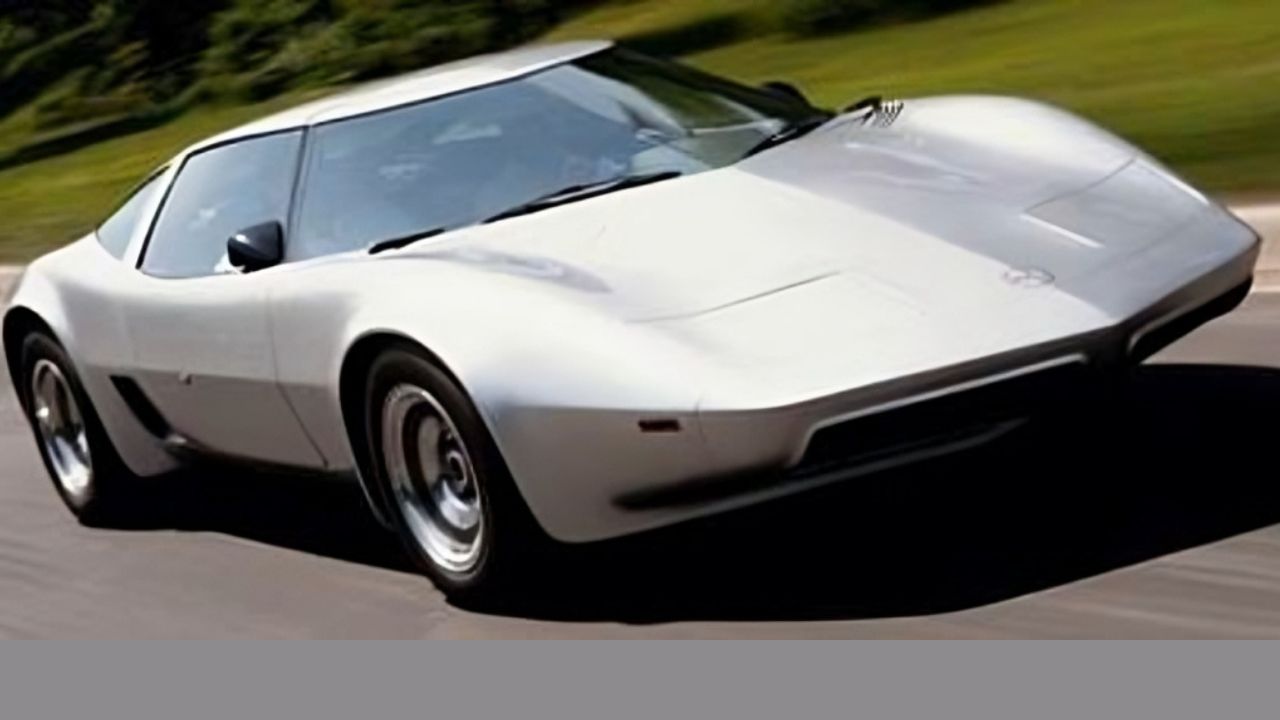
The Corvette, synonymous with American muscle and performance, has a storied history of innovation and design. One of the most intriguing “what if” scenarios in automotive history is the Corvette’s potential shift to a mid-engine configuration in the 1970s. Although it didn’t come to fruition at the time, the idea sparked considerable debate and innovation that would eventually lead to the C8 Corvette many decades later.
The Origins of the Mid-Engine Concept

Zora Arkus-Duntov, often hailed as the “Father of the Corvette,” was a visionary who championed the mid-engine layout. He believed that this configuration could transform the Corvette into a world-class sports car capable of competing with the best from Europe. Arkus-Duntov’s passion for engineering led him to develop several prototypes, each embodying his vision for a [mid-engine Corvette.
During this period, European manufacturers like Ferrari and Lamborghini were setting the standard with their successful mid-engine designs. This trend did not go unnoticed by Chevrolet engineers, who saw the potential benefits of adopting similar configurations. The influence of these European supercars played a pivotal role in inspiring the development of the XP-882 and XP-895 prototypes. These early ventures into the mid-engine realm showcased the potential for a radical departure from the traditional front-engine design.
Challenges and Roadblocks
The 1970s presented significant challenges for the automotive industry, with the oil crisis and economic downturn imposing financial constraints on manufacturers like Chevrolet. The costly development of a mid-engine Corvette was deemed less feasible during an era when cost-efficiency and fuel economy were paramount concerns. Additionally, corporate hesitation and internal priorities played a role in delaying the mid-engine transition. GM executives were reluctant to deviate from the successful front-engine layout, wary of potential risks and uncertain market reception.
Technological limitations also hindered the shift to a mid-engine platform. Engineering a vehicle that balanced performance and practicality with the available technology of the time was a daunting task. The challenges of achieving the desired performance metrics without compromising drivability or safety made the transition to a mid-engine setup a complex puzzle.
The Legacy of the Aerovette
The 1973 Aerovette concept car encapsulated the futuristic vision of a mid-engine Corvette. With its sleek design and advanced features, the Aerovette was a bold statement of innovation and ambition. It represented an era where bold ideas were being explored, even if they didn’t immediately translate into production models. The Aerovette concept remains an iconic symbol of what could have been.
In the late 1970s, there was a brief revival of interest in the Aerovette, spurred by a renewed enthusiasm for its innovative design. However, this revival effort was short-lived, as economic and production constraints ultimately led to the project’s demise. Despite this setback, the Aerovette’s influence endured, inspiring future Corvette designs and keeping the mid-engine dream alive.
The Long Road to Realization
Over the decades, the Corvette continued to evolve, with each generation inching closer to the mid-engine vision. The persistence of this idea, despite numerous setbacks, underscores the importance of innovation and tenacity in automotive design. It wasn’t until the launch of the in 2020 that the mid-engine dream was finally realized. Benefiting from modern engineering and favorable market conditions, the C8 exemplifies how perseverance can eventually lead to groundbreaking achievements.
The initial ambition of the 1970s laid the foundation for the modern Corvette, demonstrating the enduring power of vision and innovation. The transition to a mid-engine layout was a long and challenging journey, but it ultimately paved the way for a new era of Corvette performance and design. As we look back, it’s clear that the seeds planted in the
More from Fast Lane Only:
- Unboxing the WWII Jeep in a Crate
- The Fastest Farm Truck Ever Built
- 10 Old Trucks That Were Built Like Tanks
- 12 Classic muscle cars still within reach for budget buyers
*Created with AI assistance and editor review.



Leave a Reply